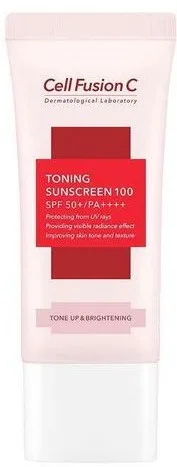
It folds an iron-oxide tint and a brightening deck — arbutin, niacinamide, vitamin C — into the brand's sensitive, mineral-led post-procedure sunscreen. The result is genuine visible-light protection for pigmentation plus active tone-evening, in a fragrance-free formula gentle enough for treated skin.
Take the brand's excellent sensitive-skin sunscreen, add an iron-oxide tint and a genuine brightening deck, and you get one of the smartest tinted sunscreens for pigmentation-prone and post-procedure skin. The tint cancels the mineral cast and protects against the visible light that drives melasma, while arbutin, niacinamide and vitamin C actively even tone — all fragrance-free and gentle. A single universal shade and a trace retinoid are the only real caveats.
Basic protectionfor MelasmaIn your profileYou chose · Broad-spectrum SPF 50, but no iron oxides — melasma is worsened by visible light, which UV filters alone do not block.Not yet assessedGentleNo reviews collected yet
The case for it
Zinc-Dominant Hybrid Filters has no evidence row yet for this concern — it is in the research queue.
The formula carries none of the triggers this concern is sensitive to.
What would change this: A researched evidence row for the lead active would replace this with a verdict.
Same rule for everyone. “Basic protection” is the verdict on 175 of 45,024 concern verdicts across the catalog; rule P3 decided 68 of them.
Unchanged since September 5, 2026, engine 5.1.1.
Full protectionfor HyperpigmentationIn your profileYou chose · Broad-spectrum SPF 50 with zinc oxide, titanium dioxide: the protection hyperpigmentation calls for.Not yet assessedGentleNo reviews collected yet
The case for it
Zinc-Dominant Hybrid Filters has no evidence row yet for this concern — it is in the research queue.
The formula carries none of the triggers this concern is sensitive to.
What would change this: A researched evidence row for the lead active would replace this with a verdict.
Same rule for everyone. “Full protection” is the verdict on 2,288 of 45,024 concern verdicts across the catalog; rule P1 decided 2,232 of them.
Unchanged since September 5, 2026, engine 5.1.1.
P1 — Photoprotection standing is regulatory (M020 / Annex VI filters; 21 CFR 201.327 attaches the early-skin-aging claim to tested broad-spectrum SPF 15+). SPF 30 is the AAD daily-use bar. · the full register
Full protectionfor Dark SpotsIn your profileYou chose · Broad-spectrum SPF 50 with zinc oxide, titanium dioxide: the protection dark spots calls for.Not yet assessedGentleNo reviews collected yet
The case for it
Zinc-Dominant Hybrid Filters has no evidence row yet for this concern — it is in the research queue.
The formula carries none of the triggers this concern is sensitive to.
What would change this: A researched evidence row for the lead active would replace this with a verdict.
Same rule for everyone. “Full protection” is the verdict on 2,288 of 45,024 concern verdicts across the catalog; rule P1 decided 2,232 of them.
Unchanged since September 5, 2026, engine 5.1.1.
P1 — Photoprotection standing is regulatory (M020 / Annex VI filters; 21 CFR 201.327 attaches the early-skin-aging claim to tested broad-spectrum SPF 15+). SPF 30 is the AAD daily-use bar. · the full register
Full protectionfor Post-ProcedureIn your profileYou chose · Broad-spectrum SPF 50 with zinc oxide, titanium dioxide: the protection post procedure calls for.Moderate evidenceGentleNo reviews collected yet
The case for it
Ceramide NP + Hyaluronic Acid has early or mechanistic evidence for this concern, not trial-backed standing.
It is plausibly present at a working level, though the concentration is not declared.
The formula carries none of the triggers this concern is sensitive to.
What would change this: A declared concentration would move this to a firmer reading of the dose.
Same rule for everyone. “Full protection” is the verdict on 2,288 of 45,024 concern verdicts across the catalog; rule P1 decided 2,232 of them.
Unchanged since September 5, 2026, engine 5.1.1.
P1 — Photoprotection standing is regulatory (M020 / Annex VI filters; 21 CFR 201.327 attaches the early-skin-aging claim to tested broad-spectrum SPF 15+). SPF 30 is the AAD daily-use bar. · the full register
Carrying active
Ceramide NP + Hyaluronic Acid
Standing
plausible — trials support it
Form
plausible
Tolerability
gentle
Row checked
against its sources on July 17, 2026 (evidence table ev-2026.09-r228)
Good choicefor SensitivityIn your profileYou chose · No fragrance, drying alcohol, declarable allergens or sensitising preservatives in this cream — the profile sensitive skin looks for.Not yet assessedGentleNo reviews collected yet
The case for it
Zinc-Dominant Hybrid Filters has no evidence row yet for this concern — it is in the research queue.
The formula carries none of the triggers this concern is sensitive to.
What would change this: A researched evidence row for the lead active would replace this with a verdict.
Same rule for everyone. “Good choice” is the verdict on 1,938 of 45,024 concern verdicts across the catalog; rule F2 decided 1,938 of them.
Unchanged since September 5, 2026, engine 5.1.1.
Full protectionfor Sun DamageIn your profileYou chose · Broad-spectrum SPF 50 with zinc oxide, titanium dioxide: the protection sun damage calls for.Moderate evidenceGentleNo reviews collected yet
The case for it
Zinc-Dominant Hybrid Filters is a first-line active — approved, monograph-listed or named in current guidelines — for this concern.
It is plausibly present at a working level, though the concentration is not declared.
The formula carries none of the triggers this concern is sensitive to.
What would change this: A declared concentration would move this to a firmer reading of the dose.
Same rule for everyone. “Full protection” is the verdict on 2,288 of 45,024 concern verdicts across the catalog; rule P1 decided 2,232 of them.
Unchanged since September 5, 2026, engine 5.1.1.
P1 — Photoprotection standing is regulatory (M020 / Annex VI filters; 21 CFR 201.327 attaches the early-skin-aging claim to tested broad-spectrum SPF 15+). SPF 30 is the AAD daily-use bar. · the full register
Does the jobDoes what a sunscreen is for: UVA coverage, kind to the skin wearing it. Not measured from the label: pleasant enough to actually use.
A verdict is DermApproved’s assessment of how well a product’s ingredients fit a concern — never a claim about what the product treats. Evidence dots and collected reviews sit beside it and are never blended in.
Rules 0.5.1 · evidence table ev-2026.09-r228 · how we decide
Assessment
Pros & Cons
Pros
✓ Iron-oxide tint adds real visible-light protection for melasma
✓ Active brightening deck of arbutin, niacinamide and vitamin C
✓ Mineral-led, fragrance-free and gentle for sensitive skin
✓ Tint cancels the white cast and evens tone
✓ Barrier-supportive ceramides and hyaluronic acid
✓ Strong clinic-grade value
Cons
✗ Single universal tint won't match every tone
✗ Contains a trace retinoid (pregnancy caution)
✗ Not certified fungal-acne-safe
✗ Tint can transfer slightly
Review
Full Review
If you are fighting melasma or stubborn dark spots, the most important upgrade to your sunscreen is not a bigger SPF number on the front of the tube. It is visible-light protection, because visible light, not only ultraviolet, is a genuine driver of that kind of pigmentation, and standard UV filters do essentially nothing to block it. Cell Fusion C's Toning Sunscreen is built around precisely that insight, and then it goes one step further by folding in active brightening, which is what elevates it from another tinted SPF into something genuinely strategic for pigment-prone skin. It grew out of the brand's clinic-favorite Laser Sunscreen, reworked for the patients who need tone correction and visible-light defense rather than just UV cover.
The foundation is the brand's well-regarded sensitive-skin sunscreen: a zinc-dominant, mineral-led filter system rounded out with titanium dioxide and gentle salicylate filters to reach broad-spectrum SPF 50+ and PA++++, oxybenzone-free and fragrance-free, the kind of base suited to reactive and freshly-treated skin. The toning upgrade is the iron-oxide tint, built from red, yellow, and black oxides, and it pulls double duty in a way that is easy to underrate. Cosmetically, it lays down a skin-tone tint that evens the complexion and cancels the white cast a high-zinc formula would otherwise leave. Protectively, those same iron oxides absorb visible light, the very wavelengths that dermatology research links to melasma and post-inflammatory hyperpigmentation, the part of the spectrum that UV filters simply miss. The color is functional, not merely flattering, and that distinction is the whole point of the product and the reason tinted sunscreens outperform untinted ones at preventing pigment relapse.
What sets it apart even from other tinted sunscreens is the brightening deck layered underneath. Arbutin, a well-studied tyrosinase inhibitor that tamps down melanin production, sits alongside niacinamide, which reduces melanosome transfer and evens tone, and a stable vitamin C derivative that adds antioxidant defense and a second brightening pathway. Together they form a real tone-evening layer, so the product does not just defend against new pigmentation, it works on existing discoloration over time. Ceramide NP, hyaluronic acid, and adenosine keep the high-mineral, active-loaded formula comfortable and barrier-supportive, preserving the recovery-friendly character that makes the line a clinic favorite for post-procedure skin.
In use it blends from a smooth tinted cream into a natural, soft-matte finish that reads like a light base, which is why a lot of people wear it alone or under makeup. It feels soothing rather than sticky on sensitive or recently treated skin, with no scent and no sting, and the single universal tint flatters a broad light-to-medium-deep range while neatly solving the chalky-cast problem that plagues high-zinc sunscreens. Protection and an evened tone are immediate; the brightening and pigment-defense benefits accrue with daily use over weeks, which is the honest pace of all pigment work and not something any product can rush.
The caveats are few and minor against what the product accomplishes. That single shade, well-chosen as it is, will not precisely match every complexion, so very fair or very deep tones may notice a slight mismatch. There is a trace of retinyl palmitate in the formula, and while the amount in a sunscreen is minimal, it makes this a check-with-your-doctor product during pregnancy out of caution. It contains silicones, it is not vegan, and it is not certified fungal-acne-safe, and the tint can transfer slightly onto collars or masks. None of those undercut the core achievement; they are the kind of trade-offs you accept knowingly when the upside is genuine pigment defense.
On value, around twenty-eight dollars for 50ml is fair-to-good for a clinic-grade tinted sunscreen that bundles strong protection, visible-light defense, and active brightening into one step. It undercuts prestige tinted mineral sunscreens that often carry weaker pigment credentials for higher prices, and Cell Fusion C's established clinical use, reflected in a high data-confidence rating and thousands of reviews, adds a layer of real-world trust. This is a product with a track record, not a hopeful new launch.
So it lands as a standout for sensitive, normal, or dry skin dealing with melasma, dark spots, or post-procedure pigmentation, a true treat-and-protect step that genuinely earns its place and pairs naturally with a dedicated brightening serum. The people who should look elsewhere are those whose complexion falls outside the single tint's range, anyone needing a vegan, retinoid-free, or certified fungal-acne-safe formula, and those who simply prefer an untinted, transfer-proof finish over the light-base effect this one is built to give.
What makes it click as a long-term pigmentation tool is the way the three jobs reinforce one another rather than competing for space. The mineral filters and the iron-oxide tint handle defense, blocking both the UV and the visible light that provoke and worsen dark spots, while the arbutin, niacinamide, and vitamin C work on the discoloration already there. A brightening serum used at night fades spots, but if your daytime sunscreen leaves visible light unchecked, you spend each afternoon undoing some of that progress. This product closes that gap in a single morning step, which is why it tends to earn the loyalty it does among people who have actually struggled with melasma rather than just read about it. For that target user, it is one of the smartest sunscreens in the category, and the modest caveats are an easy price for a step that protects and treats at the same time.
Formula
Key Ingredients
The hero actives that drive this product's performance.
A mineral-led filter system with gentle salicylate filters delivering broad-spectrum SPF 50+/PA++++; the zinc-heavy, oxybenzone-free base keeps it suitable for sensitive and post-procedure skin while the tint makes the high mineral content wearable.
Regulator-approvedfor Sun Damage · limited certainty
The 'toning' element: iron oxides give a skin-tone tint that evens complexion and cancels the white cast minerals leave, while absorbing visible light that drives pigmentation — making this version measurably better than the untinted sunscreen for melasma-prone skin.
Arbutin, niacinamide and a stable vitamin C derivative form a tone-evening layer that, paired with the visible-light defense, targets dark spots and uneven tone over time — turning a sunscreen into an active brightening step.
Barrier-replenishing ceramide with hyaluronic acid and adenosine keeps the high-mineral, brightening formula comfortable and recovery-supportive for sensitive, freshly-treated skin.
Limitedfor Post-Procedure
Ingredient standings describe the active at treatment-level doses and
vehicles; this product's own condition grades weigh its actual formula.
Apply generously as the final morning step over moisturizer; the tint doubles as a light base and evens tone. Choose to wear alone or under makeup, and reapply every two hours with sun exposure.
Results Timeline
Immediate evened tone, protection and a soft finish; brightening and pigment-defense benefits build with daily use.
This sunscreen layers three evidence-aligned strategies for pigmentation. First, broad-spectrum UV protection from a zinc-oxide-dominant mineral system with titanium dioxide and gentle salicylate filters, well-tolerated by sensitive skin. Second, and distinctively, visible-light protection from iron oxides: multiple dermatology studies show iron-oxide-containing tinted sunscreens outperform non-tinted sunscreens at preventing melasma relapse and visible-light-induced pigmentation, because they attenuate visible light that UV filters do not. Third, active brightening: arbutin is a well-studied tyrosinase inhibitor that reduces melanin production, niacinamide reduces melanosome transfer and evens tone, and ascorbyl glucoside is a stable vitamin C derivative with antioxidant and brightening activity — together a genuine pigment-targeting deck. Ceramide NP, hyaluronic acid and adenosine support the barrier and comfort. The trace retinyl palmitate adds mild tone support but warrants pregnancy caution. The considerations are the single-shade tint's fit across all tones and the silicones. In short, the science strongly supports this as a protect-and-treat sunscreen for pigmentation, combining UV, visible-light and active brightening in one gentle formula.
References
Visible Light and the Skin: Iron Oxide-Containing Sunscreens in Melasma — Journal of the American Academy of Dermatology (2020)
Dermatologist Perspective
Dermatologists strongly favor iron-oxide-tinted sunscreens for patients with melasma and post-inflammatory hyperpigmentation, because the visible-light protection from iron oxides has clinical evidence that clear sunscreens cannot match, and they value pairing that with broad-spectrum mineral filters for sensitive skin. The addition of evidence-based brighteners like arbutin and niacinamide makes this an appealing protect-and-treat option, and its fragrance-free, barrier-supportive formulation suits post-procedure use. Clinicians would note the single-shade limitation for the full tone spectrum, advise generous application, and counsel caution with the trace retinoid in pregnancy. For pigmentation-prone and sensitive skin, it is regarded as an excellent, evidence-aligned daily choice.
Guidance
Usage & Recommendations
How to Use
In the morning, apply a generous, even layer as the final step after your moisturizer, blending thoroughly for uniform tone and protection. Wear it alone as a light base or under makeup. Reapply every two hours during sun exposure, and use it daily year-round, including indoors near windows, since visible light and UVA penetrate glass. It suits use after procedures once your provider clears sun exposure; consult your doctor before use in pregnancy given the trace retinoid.
Value Assessment
At around $28 for 50ml, this is fair-to-good value for a clinic-grade tinted sunscreen that combines strong mineral-led protection, iron-oxide visible-light defense and an active brightening deck — a combination prestige tinted sunscreens often charge considerably more for while offering weaker pigment credentials. Larger sizes improve the per-use math. Cell Fusion C's established clinical use lends credibility, and for melasma- or pigmentation-prone, sensitive skin specifically, consolidating protection, visible-light defense and brightening into one gentle step makes it a genuinely worthwhile, efficient spend.
Who Should Buy
It earns a spot if you have sensitive, normal or dry skin dealing with melasma, dark spots or post-procedure pigmentation and want a tinted sunscreen that protects against visible light and actively brightens while evening tone. It is an outstanding protect-and-treat step for pigment-prone, reactive skin.
Who Should Skip
Skip it if your skin tone falls outside the single universal tint's range, if you need a vegan, retinoid-free or certified fungal-acne-safe formula, or if you prefer an untinted, silicone-free finish. Pregnant or breastfeeding users should consult their doctor first given the trace retinoid.
Ready to try Cell Fusion C Toning Sunscreen SPF50+?
Smooth tinted cream that blends to a natural, soft-matte finish
Scent
Essentially scentless
Packaging
Tube in Cell Fusion C's clinical livery, marked as the toning/tinted version
Finish
naturalsoft-mattesatin
What to Expect on First Use
Blends from a tinted cream into a natural, soft-matte veil that evens tone and cancels the cast high zinc would leave, reading like a light base. It feels soothing and comfortable on sensitive or treated skin, with no scent or sting; the single tint flatters a broad light-to-medium range.
How Long It Lasts
About 2-3 months with daily facial use on the 50ml tube
Building on its clinic-favorite Laser Sunscreen, Cell Fusion C created the Toning version for pigmentation-prone and post-procedure patients who need visible-light protection and tone correction, not just UV defense. The iron-oxide tint and brightening actives reflect the brand's pigment-and-recovery focus.
About Cell Fusion C Established Brand (5–20 years)
Cell Fusion C is a Korean dermo-cosmetic brand widely used in skin clinics. Its Toning Sunscreen adds an iron-oxide tint and brightening actives to the brand's sensitive-skin sun protection, aimed at pigmentation-prone and post-procedure skin.
Brand founded: 2002 · Product launched: 2016
Myth vs. Reality
Common Myths
Myth
A tinted sunscreen's color is only cosmetic.
Reality
The iron oxides that create this sunscreen's tint also absorb visible light, which research links to melasma and dark spots, so the tint provides real added protection — plus the arbutin and niacinamide actively work on tone, making it more than a cosmetic finish.
FAQ
Frequently Asked Questions
How is the Toning Sunscreen different from the Laser Sunscreen?
The Toning version adds an iron-oxide tint that evens skin tone and provides visible-light protection, plus brightening actives like arbutin, niacinamide and vitamin C, making it better suited to pigmentation and melasma than the untinted Laser Sunscreen.
Is it good for melasma and dark spots?
Yes — the iron oxides absorb visible light, which research links to melasma, and the arbutin-niacinamide-vitamin C deck actively works on tone, so it both protects against and helps fade pigmentation with daily use.
Does the tint suit all skin tones?
It is a single universal tint designed to even tone and cancel the mineral cast across a light-to-medium-deep range; it adapts reasonably but won't precisely match every complexion, so very fair or very deep tones may see a slight mismatch.
Is the Toning Sunscreen SPF50+ considered pregnancy-friendly?
It contains a trace of retinyl palmitate, a vitamin A derivative, so out of caution it is best to consult your doctor before using it during pregnancy or breastfeeding, even though the amount in a sunscreen is small.
Can I wear it instead of foundation?
Many do — the tint evens tone to a natural, soft-matte finish that works as a light base or under makeup, though it is sheer by nature and won't fully conceal significant discoloration.
Reviews
What Reviewers Tend to Say
Recurring themes our editors read across retailer reviews of this product — summaries in our words, not quotations, and not a substitute for your own patch test.
Common Praise
Evens tone like a light base
Strong visible-light protection for melasma
No white cast thanks to the tint
Gentle, fragrance-free, soothing
Common Complaints
Single universal tint won't match every tone
Contains silicones and a trace retinoid
Not vegan or fungal-acne-safe
Tint can transfer slightly
Notable Endorsements
Clinic favorite for pigmentation and post-procedureTinted mineral sunscreen with brightening actives
Every pigment-fading active runs against a re-pigmenting stimulus, and for melasma part of that stimulus is visible light — which broad-spectrum sunscreen does essentially nothing about unless you can see it on your face.
It was invented to stop bleeding during surgery. In 2026 it's in dozens of brightening serums — and the evidence is better than most trend ingredients can claim.
'Dark spots' bundles at least five distinct processes that sit at different depths, respond to different things, and have wildly different prognoses — one clears on its own, one relapses forever, and one will not move for any serum ever made.
Aug 6, 2026· 7 min
Questions people ask about Melasma
Verified answers from our questions library — the nuance a product page cannot carry.
Products, answers, therapy guides, tools and articles in one search. Brand names,
slang and abbreviations all work — accutane finds isotretinoin, bacne finds truncal acne.