




The Ingrown Hair Is a Physics Problem, Not a Hygiene Problem
Body grooming produces the same four complications in the same order, in a predictable population — and almost every fix is upstream of the razor rather than downstream of it.
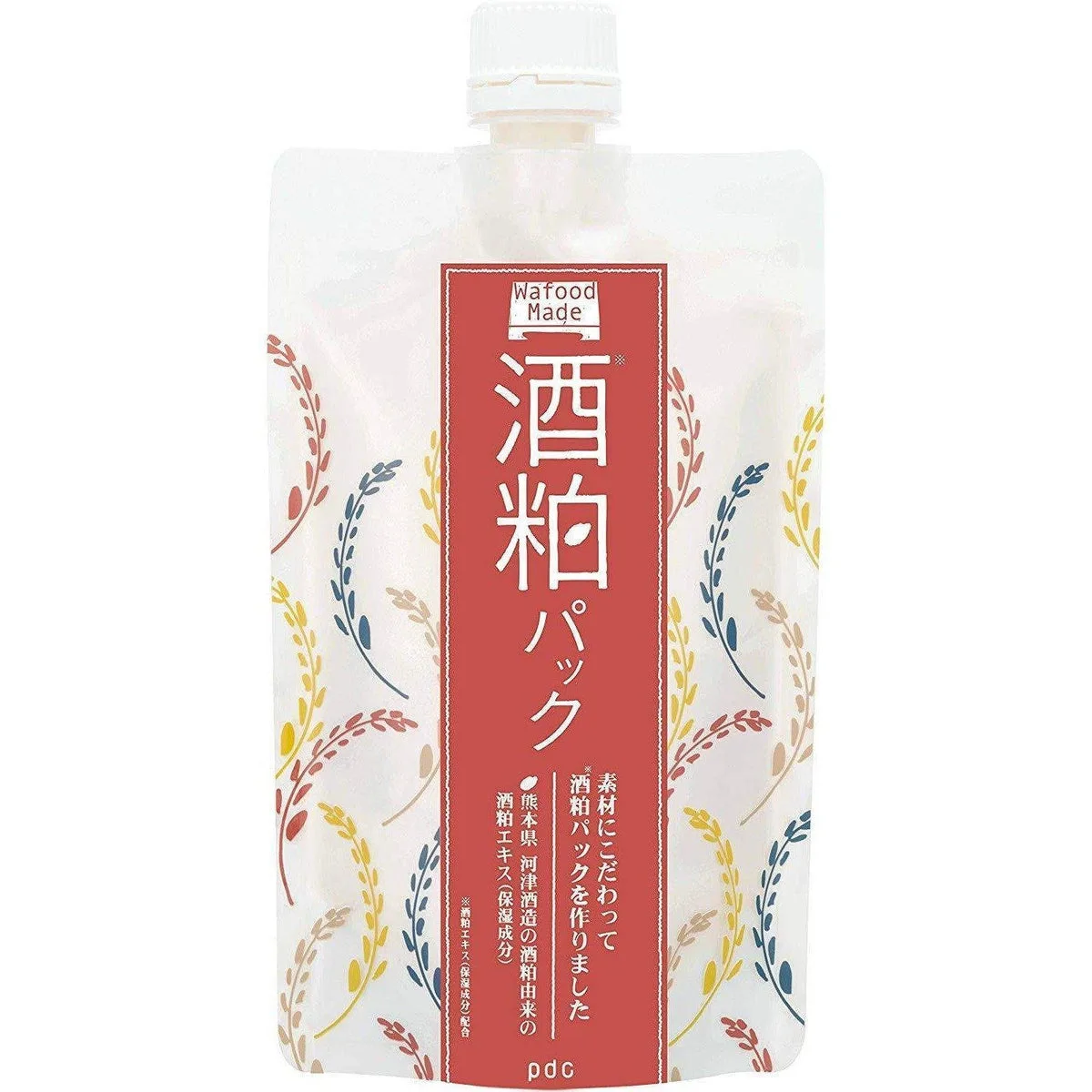
Most wash-off masks at this price tier are built around a single hero ingredient — clay, charcoal, or one botanical extract. The Wafood Made Sake Kasu Pack layers sake lees fermentation, arbutin, a 14-amino-acid complex, phytoceramide from rice bran, yogurt and rice ferments, and a hyaluronic acid hydrolyzate together. The combination of brightening, barrier-supportive, and hydration mechanisms in a single mask is unusual at any price; at seventeen dollars for 170g, it is genuinely without a comparable analog in the global mask market.
pdc's Wafood Made Sake Kasu Pack layers sake lees fermentation, arbutin, a 14-amino-acid complex, phytoceramide, and yogurt-and-rice ferments in a wash-off mask at seventeen dollars for 170g. The formulation depth is genuinely beyond what most masks at any price point deliver, and the yeasty natural scent and Cosme Award track record reflect a J-beauty staple that has earned its decade-plus cult following honestly.
The case for it
What would change this: A declared concentration would move this to a firmer reading of the dose.
Same rule for everyone. “Good choice” is the verdict on 9,564 of 45,024 concern verdicts across the catalog; rule R5 decided 9,072 of them. Unchanged since September 5, 2026, engine 5.1.1.
Brand or formulator? Disclose a concentration or correct a fact →
The studies behind the evidence row
The case for it
What would change this: A researched evidence row for the lead active would replace this with a verdict.
Same rule for everyone. “Supporting role” is the verdict on 8,197 of 45,024 concern verdicts across the catalog; rule R8 decided 4,250 of them. Unchanged since September 5, 2026, engine 5.1.1.
Brand or formulator? Disclose a concentration or correct a fact →
Also listed for Dullness, Hyperpigmentation, Dark Spots and Rough Texture — the actives here (Rice, Arbutin, Ceramides, Probiotics & Prebiotics) are in our research queue for those concerns; there is no verdict until their evidence rows are written. That is a gap in our table, not a mark against the product.
As a maskNot judged: what a mask is for — works within its wear time, benefit outlasts the mask, comes off cleanly — cannot yet be measured from the ingredient list (only intensity without injury can).
A verdict is DermApproved’s assessment of how well a product’s ingredients fit a concern — never a claim about what the product treats. Evidence dots and collected reviews sit beside it and are never blended in. Rules 0.5.1 · evidence table ev-2026.09-r228 · how we decide
Sake kasu is the residue left in the brewing tank after sake has been pressed out — solid yeast cells, partially-broken-down rice starch, and the fermentation metabolites that the yeast produced over the brewing period. In Japan, kasu is a traditional ingredient in cooking and home skincare, and it has a long folk reputation among sake-brewing families for hand and face softness — the sake brewers' wives historically had visibly smooth, even-toned hands from handling the kasu daily. pdc's Wafood Made Sake Kasu Pack is the modern cosmetic codification of that traditional observation, sourced specifically from Kawazu Brewery in Kumamoto and built into a multi-active wash-off mask that has become one of the longest-running cult favorites in J-beauty.
The INCI is unusually deep for a wash-off mask. Water, propanediol, glycerin, and the emollient esters lead. Oryza sativa lees extract — the sake kasu itself — sits in ninth place, which is meaningful given the long INCI that follows. Arbutin appears in tenth position. Then a sequence that is rare in cosmetic formulations: fourteen individually-listed free amino acids, from threonine through glutamic acid, in roughly the proportions that mimic the natural-moisturizing-factor composition of healthy stratum corneum. Rice bran sphingoglycolipid (a phytoceramide) and glycosphingolipids appear next. Oryza sativa powder and cellulose contribute the very mild physical exfoliation during the rinse. Oryza sativa bran oil adds an emollient. Then yogurt filtrate and rice ferment filtrate (sake) sit together, both contributing fermentation metabolites. Hydrolyzed yeast, cucumber, yuzu seed, dipotassium glycyrrhizate (the licorice-derived soother), hydrolyzed hyaluronic acid, hydrolyzed collagen, and a handful of structural emollients close the list. No fragrance. No alcohol despite the sake heritage. No parabens.
That last point deserves a beat, because the sake heritage invites exactly the wrong assumption. People hear "fermented alcohol product" and picture a drying, stripping astringent. Kasu is the opposite: it is what's left once the alcohol has been pressed away, which means it carries the peptides, amino acids, kojic acid, and glycerol without carrying the ethanol. The formula is officially classified as alcohol-free, and it behaves like it — this mask leaves skin cushioned, not tightened.
In use, the texture and scent are immediately distinctive. The tub opens to a noticeably yeasty-fermented-rice scent — not unpleasant, but unmistakably the actual fermentation profile rather than an imagined floral version of it. Apply a thick layer to cleansed dry skin with fingers or a mask brush. The paste is opaque off-white with a slightly grainy feel from the rice bran particles. Leave on for ten to fifteen minutes; the mask does not fully dry or harden, which is the structural choice that keeps the actives bioavailable during the contact window. Rinse with lukewarm water in gentle circular motions — the rice bran powder contributes a very mild physical lift on surface keratin during the rinse, not aggressive but noticeable. Skin feels notably soft, plump, refreshed, and lightly conditioned immediately afterward.
The application quirk worth internalizing is that a thin layer is a wasted layer. This is not a mask where you eke out coverage; the actives need volume and contact, and a teaspoon spread generously is the right dose. A generous layer also keeps the paste pliable for the full window rather than tightening at the edges. Skip the eye area and lip border, and go straight into toner, serum, and moisturizer on damp skin afterward — the amino-acid load has just replenished the skin's natural moisturizing factor, and there's no reason to let it evaporate.
Where the mask earns its long cult following is the structural design alignment between actives and use case. There is a persistent belief that a wash-off product is throwing its expensive ingredients down the drain — that anything not left on the skin overnight is theater. That is true of a cleanser, whose contact time is measured in seconds. It is not true of a ten-to-fifteen-minute window, which is a genuinely different exposure category. The fourteen amino acids contribute meaningful natural-moisturizing-factor replenishment over that window. The arbutin contribution is more substantive in this format than it would be in a cleanser. The phytoceramide deposits at concentrations brief cleanser contact would not allow. The yogurt and sake ferments contribute small fermentation metabolites that absorb during the longer window. Cumulative use two-to-three times weekly over four to six weeks produces observable improvement in surface tone evenness, dullness, and skin softness. It's not a fast-acting mask. It is a consistently effective one that compounds over months of use.
One discipline is non-negotiable if the brightening half of the formula is going to mean anything: daily sunscreen. Arbutin suppresses tyrosinase; unprotected UV exposure switches it right back on, and a tone-evening routine without SPF is a treadmill. It's also worth keeping this mask away from the same evening as a leave-on AHA or a professional peel — the rice bran does its own mild surface work, and stacking exfoliation is how a well-tolerated formula turns into an irritating one.
Limitations are minor and honest. The natural yeasty scent from the actual sake lees is genuinely distinctive — some users find it pleasant and characteristic; others adjust to it slowly over the first weeks, and across several thousand reviews it remains the single most common objection. The dimethicone presence rules out silicone-free routines on principle. The yogurt filtrate disqualifies the mask from vegan routines and makes it a hard no for anyone with a milk-protein allergy. The stearic acid in the formula is theoretically fungal-acne-flagging, though the trace concentration and rinse-off use make real-world Malassezia issues uncommon. pdc has not sought cruelty-free certification. And pregnancy use should be discussed with an obstetrician given the arbutin contribution at the mask's longer contact time.
Value is the calculation where the mask becomes genuinely outstanding. About seventeen dollars buys a 170g tub that lasts three to four months at recommended-frequency use, which is one of the lowest per-use costs in the wash-off mask category globally. Comparable fermented-ingredient masks at similar drugstore pricing typically deliver one or two of the actives in this formula, not the full multi-active stack; prestige J-beauty equivalents run three to ten times the per-gram cost for related but more focused brightening claims, and Western luxury masks with similar promises run ten to twenty times. For routines pursuing gradual tone evening and surface texture work in a wash-off format at drugstore pricing, this is among the most well-formulated products on the global market — and the decade-plus Cosme Award track record reflects that pdc has been quietly maintaining one of the better-engineered J-beauty masks while most users have never heard of the brand.
The hero actives that drive this product's performance.
| Ingredient | Function | Evidence |
|---|---|---|
| Oryza Sativa Lees Extract (Sake Kasu) | The formula's lead identifying ingredient — sake lees from Kawazu Brewery in Kumamoto, the residual yeast and fermented rice solids left after sake brewing. The extract carries kojic acid (a documented tyrosinase inhibitor), amino acids, peptides, and fermentation metabolites that together support the formula's brightening and skin-conditioning claims. | Not yet assessed |
| Arbutin | Sits in tenth INCI position — a hydroquinone glucoside that gradually releases hydroquinone in the skin to suppress tyrosinase. As a wash-off mask used several times weekly with longer contact time than a cleanser, the arbutin contribution is more meaningful here than it would be in a rinse-off cleanser format. | Not yet assessed |
| Amino Acid Complex (14 named amino acids) | The formula lists 14 individual amino acids — threonine through glutamic acid — that together mimic the natural-moisturizing-factor (NMF) composition of healthy skin. This is unusual depth for a mask product and contributes substantially to the formula's hydration claim, particularly meaningful given the longer mask contact time. | Not yet assessed |
| Rice Bran Sphingoglycolipid (Phytoceramide) | A rice-derived phytoceramide that sits mid-INCI as the formula's barrier-supportive lipid — together with the cell-renewing oryza sativa powder and the rice bran oil, this is the structural reason the mask delivers genuine barrier-supportive value alongside the brightening work. | Established mechanism for Dryness · established mechanism |
| Yogurt Filtrate + Rice Ferment Filtrate | Two ferment ingredients sitting consecutively in the INCI — fermentation produces smaller-molecule peptides and metabolites that absorb more readily than intact proteins. This is the same chemistry that makes SK-II's Pitera-style fermented essences work, here applied in a wash-off mask context with longer skin contact time. | Not yet assessed |
Ingredient standings describe the active at treatment-level doses and vehicles; this product's own condition grades weigh its actual formula.
Water, Propanediol, Glycerin, Cetyl Ethylhexanoate, Triethylhexanoin, Hydrogenated Rapeseed Alcohol, Glyceryl Stearate SE, Polysorbate 60, Oryza Sativa Lees Extract, Arbutin, Threonine, Arginine, Alanine, Allantoin, Lysine HCl, Proline, Serine, Taurine, Glycine, Phenylalanine, Isoleucine, Leucine, Valine, Histidine HCl, Glutamic Acid, Dihydroxypropyl Arginine HCl, Rice Bran Sphingoglycolipid, Glycosphingolipids, Oryza Sativa Powder, Cellulose, Oryza Sativa Bran Oil, Yogurt Filtrate, Rice Ferment Filtrate (Sake), Hydrolyzed Yeast Extract, Cucumis Sativus Fruit Extract, Citrus Junos Seed Extract, Dipotassium Glycyrrhizate, Hydrolyzed Hyaluronic Acid, Hydrolyzed Collagen, Momordica Charantia Fruit Extract, Saccharide Isomerate, Lecithin, Hydrogenated Lecithin, Hydrogenated Lysolecithin, Stearic Acid, Butylene Glycol, Pentylene Glycol, Polyglyceryl-10 Oleate, Dimethicone, Ammonium Polyacrylate, Aluminum Hydroxide, Potassium Hydroxide
treatment
AM & PM
Apply a thick layer to cleansed dry skin two to three times weekly. Leave on for ten to fifteen minutes, then rinse with lukewarm water. The mask is a leave-on-and-rinse format, not a peel-off, so do not let it fully dry on the skin — the longer contact time delivers the brightening and amino-acid load. Follow immediately with a hydrating toner, serum, and moisturizer. Pair with daily sunscreen — the arbutin's tone-evening work is undone by unprotected sun exposure.
Skin feels notably soft, plump, and refreshed immediately after rinsing the mask — the amino-acid load delivers measurable hydration during the longer contact time. Within two weeks of regular use (two to three times weekly), surface dullness improves noticeably. By four to six weeks, the arbutin-and-fermented-extract contribution becomes observable on post-inflammatory hyperpigmentation and sun-induced dullness. The mask is a contributor to a brightening routine, not a standalone treatment.
The interesting chemistry in this mask is the fermentation-extract chain. Sake brewing involves the action of Aspergillus oryzae (koji mold) and Saccharomyces cerevisiae (sake yeast) on rice starch, producing alcohol along with a complex mixture of peptides, amino acids, organic acids (kojic acid, lactic acid), polysaccharides, and yeast cell-wall components. After sake is pressed out, the remaining lees (kasu) contains the bulk of these non-alcoholic fermentation products in concentrated form. Studies in the Journal of Cosmetic Science have characterized topical sake lees extract as a meaningful contributor to skin brightening, primarily through the kojic acid content (a documented tyrosinase inhibitor) and the supporting amino acids and peptides.
The fourteen-amino-acid complex is the formula's structural humectancy contribution. Natural-moisturizing-factor (NMF) in healthy stratum corneum is composed of free amino acids, urea, lactate, sugars, and ions in roughly characteristic proportions. Studies in dermatology literature have shown that topical amino-acid mixtures can supplement NMF in skin where it has been depleted by aging, sun exposure, or environmental damage. The specific composition matters — pdc's choice to list fourteen individual amino acids rather than a generic 'amino acid blend' allows users to see the actual composition, which lines up reasonably well with the NMF profile documented in healthy young adult skin.
The rice bran phytoceramide (sphingoglycolipid) is the formula's barrier-supportive lipid contribution. Reviews in cosmetic dermatology have characterized rice-derived phytoceramides as having greater stability than animal-derived ceramides and substantial bioactivity at lower concentrations. The combination of rice bran ceramide and rice bran oil — both derived from the same plant material as the sake lees — provides a coordinated lipid-replenishment dimension that complements the brightening and hydration work. Arbutin's contribution at the late-INCI position is small but cumulative over weeks of consistent use, with the longer mask contact window allowing for more meaningful tyrosinase suppression than the same arbutin would deliver in a rinse-off cleanser.
Dermatologists often recommend wash-off masks as a way to deliver actives that cannot be safely used as daily leave-on products. The Wafood Made Sake Kasu Pack fits this category well — the combination of brightening, hydration, and barrier-supportive actives in a controlled-contact wash-off format makes it useful for patients pursuing gradual tone-evening, dullness, or texture improvement. Clinical recommendations for masks of this type typically center on normal, combination, dry, or mildly sensitive skin in routines that want a leave-on tone-evening boost beyond what daily-use products provide. It is commonly considered appropriate as part of a multi-modal tone-evening protocol, paired with a daily vitamin C serum, tranexamic acid, or niacinamide. Dermatologists generally do not position this as a first-line treatment for active comedonal acne, melasma requiring prescription intervention, or compromised barriers — those need either targeted treatments or temporarily simpler routines. Patients with milk protein allergies should avoid the formula given the yogurt filtrate.
After cleansing, apply a thick, even layer of the mask to dry skin using clean fingers or a mask brush — about a teaspoon spread across the face. Avoid the immediate eye area and lip border. Leave on for ten to fifteen minutes; the mask does not need to dry fully and should remain pliable during the contact window. Rinse with lukewarm water in gentle circular motions — the rice bran powder will provide very mild physical exfoliation during the rinse. Pat the face damp and follow immediately with a hydrating toner, serum, and moisturizer. Use two to three times weekly in the evening. Apply daily sunscreen — any brightening routine is undone by unprotected sun exposure.
At about seventeen dollars per 170g tub and three to four months of recommended-frequency use, this mask is one of the best per-gram values in the entire wash-off mask category globally. Comparable fermented-ingredient masks from K-beauty (Beauty of Joseon, Missha, Cosrx) sit at similar pricing but typically deliver one or two of the actives that pdc layers together. Premium J-beauty equivalents from Cosme Decorté, Albion, or SK-II run three to ten times the per-gram cost. Western luxury masks delivering similar brightening claims (Tatcha, La Mer) run ten to twenty times the cost. Larger sizes are not distributed; refill formats have not been confirmed outside Japan. The value alignment is genuinely exceptional — the formulation depth would justify three or four times the asking price by Western brand-positioning standards.
Normal, combination, dry, or mildly sensitive skin pursuing gradual tone evening, dullness reduction, or surface texture improvement; J-beauty enthusiasts looking for an award-winning mask with documented Japanese cult following; routines that want a multi-active wash-off treatment at drugstore pricing rather than premium Western prestige tiers.
Sensitive routines that cannot tolerate the natural yeasty scent profile, silicone-free routines that exclude dimethicone, strict vegan routines that exclude milk-derived ingredients, anyone with confirmed milk-protein allergy, routines managing active comedonal acne or fungal folliculitis that need targeted treatments instead, and pregnancy users without obstetrician clearance for the arbutin contribution.
Ready to try pdc Wafood Made Sake Kasu Pack?
Buy at Amazon ♥Thick, opaque off-white paste with a slightly grainy feel from the rice bran powder and cellulose particles — applies smoothly with light pressure and stays in place for the 10-15 minute leave-on window.
Truly fragrance-free with a natural mild yeasty-fermented-rice scent from the actual sake lees — distinctive but not artificial; some users find it pleasant, others adjust to it after the first few uses.
170g black-and-cream tub with a screw-top lid — minimalist branding with the Wafood Made logo. The tub size delivers significantly more product than equivalent wash-off masks in tubes or sachets, contributing to the per-use cost advantage.
Open the tub to a noticeably yeasty-fermented scent — this is the actual sake lees fermentation profile, not added fragrance. Apply a thick layer to cleansed dry skin using clean fingers or a mask brush. Leave on for ten to fifteen minutes; the mask softens slightly during this window but does not dry out and become tight. Rinse with lukewarm water in light circular motions — the rice bran powder provides a very gentle physical exfoliation during the rinse. Skin feels noticeably soft, plump, and refreshed immediately afterward.
About three to four months of use at the recommended frequency of two to three times weekly — the 170g tub holds significantly more product than equivalent wash-off masks and offers strong per-use value.
All Year
pdc launched in 1992 as Pola Daily Cosme, the cosmeceutical sub-brand of Japanese beauty conglomerate POLA. The brand has since changed ownership to Yamada Bee Farm but retained the catalog and formulation tradition. The Wafood Made line — 'Japan + food' — uses traditional Japanese fermented and food-derived ingredients across the product family. The Sake Kasu Pack specifically incorporates sake lees from Kawazu Brewery in Kumamoto, a partnership that has held since the line launched, and the formula has been refined steadily including a 2022 update.
pdc (originally Pola Daily Cosme) was founded by POLA Inc. in 1992 as a cosmeceutical sub-brand and is now part of Yamada Bee Farm. The Wafood Made line — 'Japan + food' — uses traditional Japanese fermented and food-derived ingredients across the product family, with the Sake Kasu Pack as its hero product. The brand has accumulated significant Asian-market recognition including multiple Cosme Awards.
Sake lees in skincare is just marketing — alcohol-based fermentation products dry out the skin.
Sake kasu is the solid yeast-and-rice residue left after sake is brewed, with most of the alcohol already separated out. The kasu carries the fermentation metabolites — peptides, amino acids, kojic acid, glycerol — that drive skin benefits. The alcohol content in this mask is negligible, and the formula is officially classified as alcohol-free.
Wash-off masks waste expensive actives by rinsing them off.
Wash-off masks with ten-to-fifteen-minute contact times deliver substantially longer skin exposure than rinse-off cleansers. For deposit-and-deliver actives like arbutin, amino acids, and ceramides, that contact window is meaningful — measurably more than a cleanser, even if less than a leave-on essence. The wash-off format is appropriate for the ingredient set this mask uses.
Sake kasu is the solid yeast-and-rice residue left after sake is brewed, separated from the liquid sake itself. It carries fermentation metabolites including kojic acid (a documented tyrosinase inhibitor), amino acids, peptides, and natural glycerol. Topically applied in a wash-off mask, these contribute to brightening, hydration, and skin-conditioning effects.
Two to three times weekly is the recommended frequency. Daily use is possible but offers diminishing returns and uses through the 170g tub faster than the cumulative benefit warrants. Most users settle into a twice-weekly evening routine with this mask as the leave-on treatment slot.
The scent comes from the actual sake lees in the formula — fermentation produces distinct yeasty-rice aromatic compounds. It is not added fragrance. Some users find the scent pleasant and characteristic; others adjust to it after the first few uses. The scent dissipates within a few minutes of rinsing.
No — the mask is not a chemical exfoliant. The very mild physical exfoliation from rice bran powder during the rinse adds a small surface-texture benefit, but for active resurfacing, glycolic or salicylic acid leave-on products remain the appropriate tool. The mask complements rather than replaces them.
Generally yes. Arbutin's safety in pregnancy is considered acceptable at the rinse-off concentrations typical of masks, though some dermatologists prefer pregnancy patients to pause arbutin-containing products. The sake lees, amino acids, and ceramide are all considered low-risk. Consult your obstetrician before introducing any new brightening product mid-pregnancy.
Not vegan — the formula contains yogurt filtrate (milk-derived). pdc has not sought cruelty-free certification, and the brand's distribution channels do not provide clear vegan/cruelty-free claims. Vegan routines should look at alternative fermented rice masks without dairy ingredients.
About three to four months at the recommended frequency of two to three times weekly. The 170g tub holds significantly more product than equivalent wash-off masks in tubes or sachets — the per-use cost is among the lowest in the Japanese mask category at this price point.
Recurring themes our editors read across retailer reviews of this product — summaries in our words, not quotations, and not a substitute for your own patch test.
Skin feels visibly plumper and softer immediately after rinsing
Genuinely fragrance-free with a natural mild yeasty scent
Brightening effect on dull skin becomes observable within weeks
Excellent value at around seventeen dollars for several months of use
Natural sake yeast scent is unusual — some users find it off-putting
Dimethicone in the INCI rules out silicone-free routines
Yogurt filtrate disqualifies the mask from vegan routines
Texture is thick — applying a thin layer can feel wasteful given the contact time required
Verified answers from our questions library — the nuance a product page cannot carry.