Feverfew (Tanacetum Parthenium Extract)
Products with Feverfew (Tanacetum Parthenium Extract)
 Sensitive Skin MVP
 Calm + Restore Nourishing Oat Cleanser
A masterclass in restraint from a brand that understands sensitive skin better than almost anyone at the drugstore level. This surfactant-free gel cleanser does one thing exceptionally well — it cleanses without causing harm — and for anyone with reactive, barrier-compromised, or rosacea-prone skin, that is exactly enough.
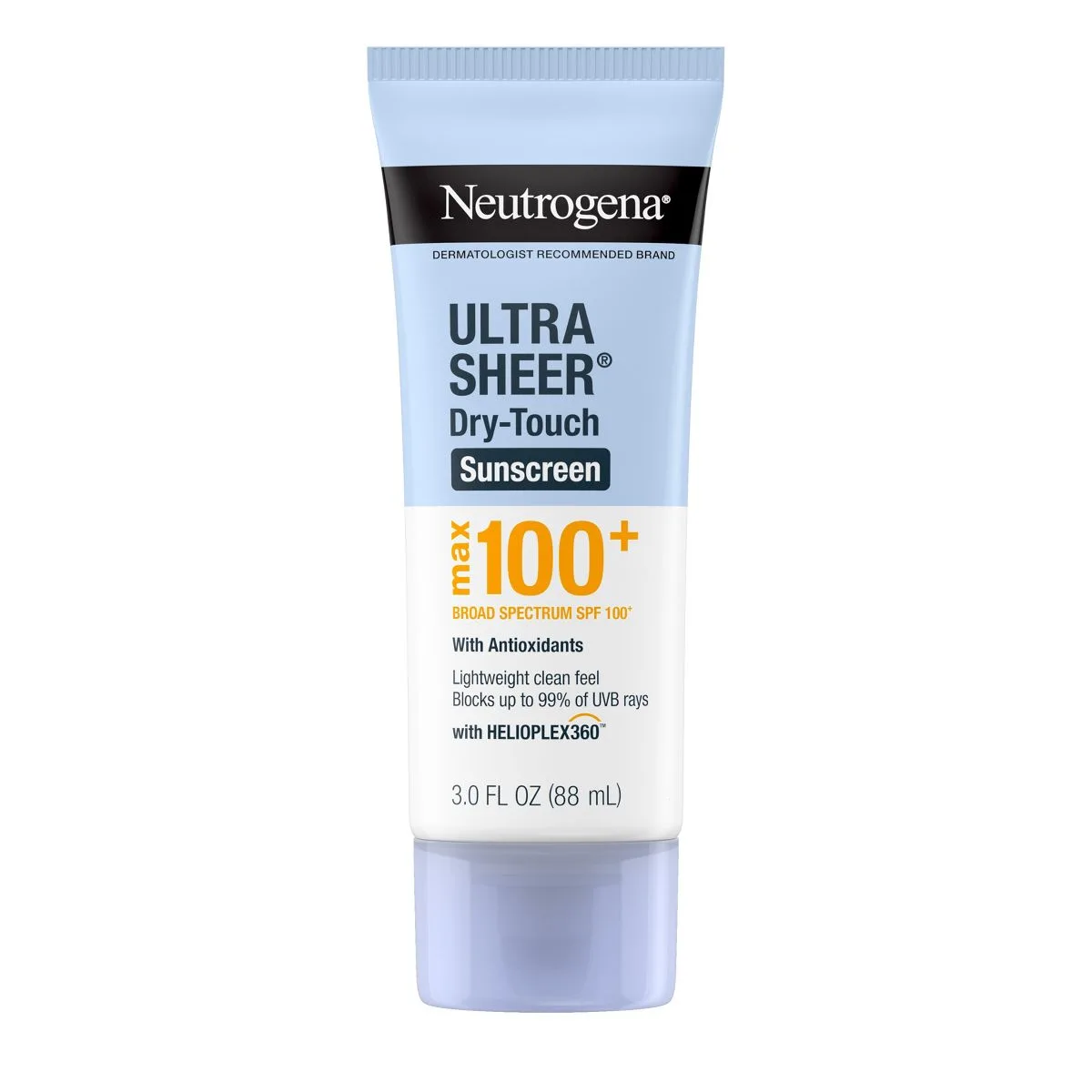 Maximum Protection Powerhouse
 Ultra Sheer Dry-Touch Sunscreen SPF 100+
The maximum-SPF sunscreen that actually earned its number — backed by a published clinical trial proving SPF 100+ provides meaningful real-world protection beyond SPF 50+. The reformulated Helioplex360 technology and matte Dry-Touch finish make 33% active ingredients feel surprisingly wearable. If you take sun protection seriously and can tolerate chemical filters, this is as much protection as you can buy.
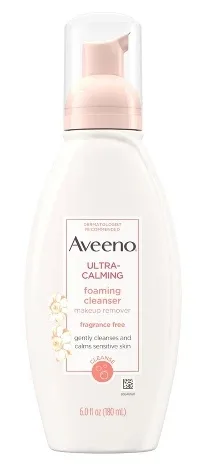 Sensitive Skin MVP
 Ultra-Calming Foaming Cleanser
A genuinely gentle foaming cleanser that earned its cult following among rosacea sufferers with a clinically backed feverfew formula and sulfate-free surfactant system. Its discontinuation is a real loss for sensitive skin — though the newer Calm + Restore line carries the torch, this original still feels like the one that understood reactive skin best.
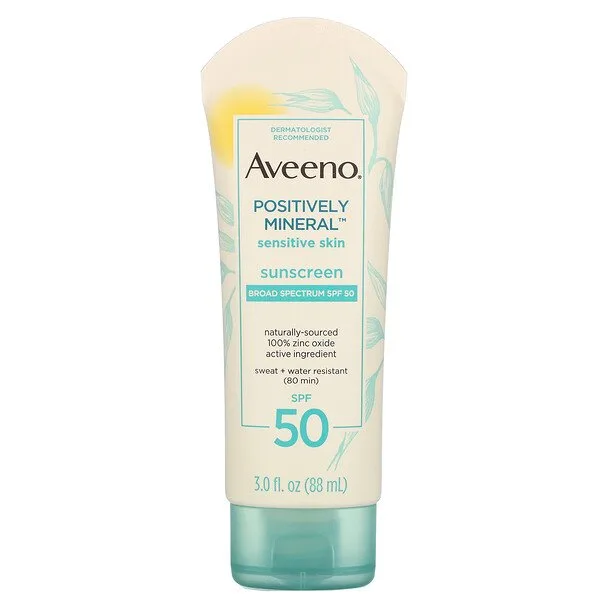 Sensitive Skin Shield
 Positively Mineral Sensitive Skin Sunscreen SPF 50
A thoughtfully formulated mineral sunscreen that pairs 100% zinc oxide with Aveeno's signature oat and antioxidant feverfew for sensitive skin that needs sun protection without the irritation gamble. The white cast and thick texture are real trade-offs, but for reactive, rosacea-prone, or post-procedure skin, the gentle protection is worth the blending effort. Note: this product has been discontinued by Aveeno.
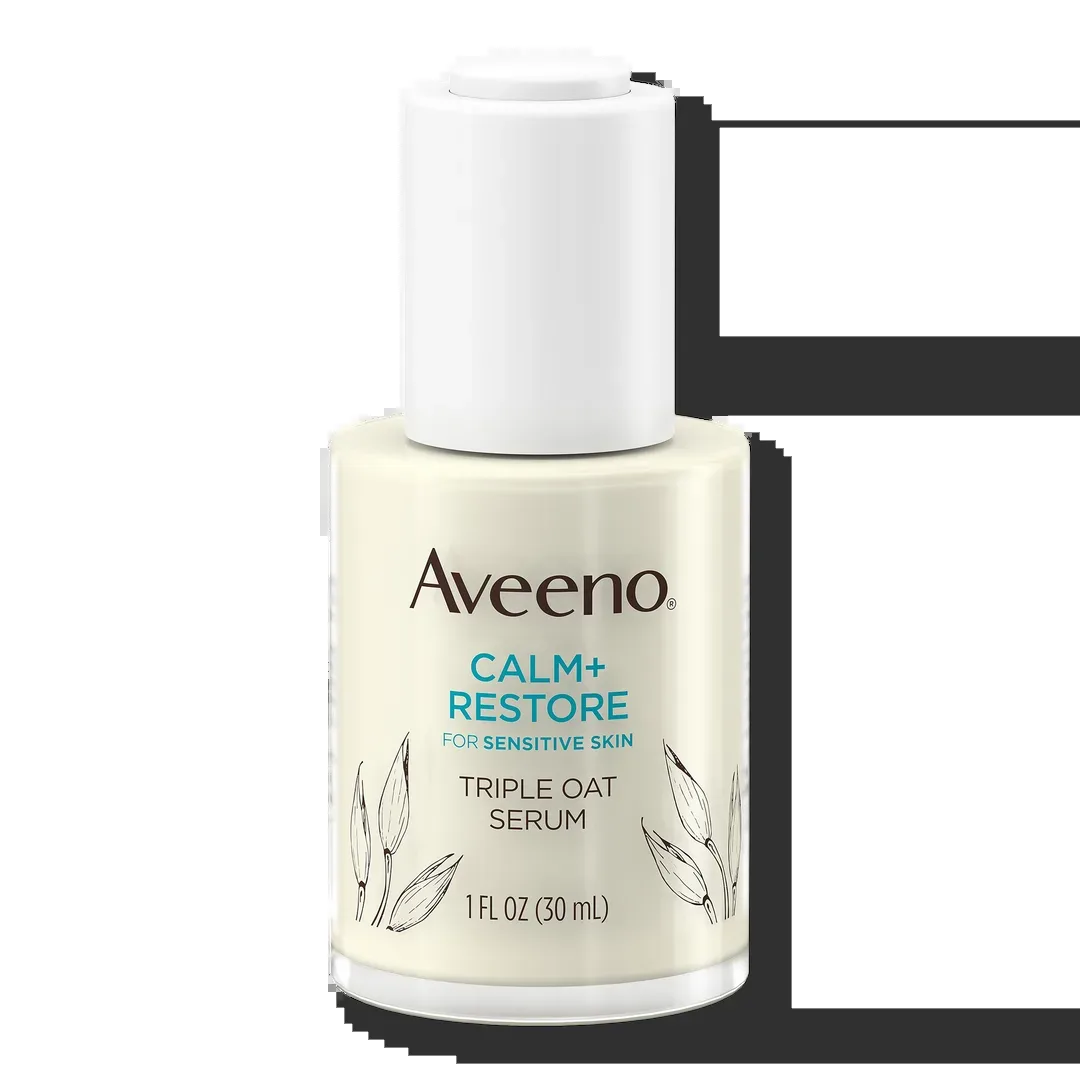 Sensitive Skin Sanctuary
 Calm + Restore Triple Oat Serum
Aveeno's most distilled expression of its oat expertise — a 19-ingredient serum that triples down on the brand's signature botanical with genuine multi-pathway science behind it. Does one thing exceptionally well: makes reactive skin feel calm and resilient. Not a flashy product, but for its target audience, it is indispensable.
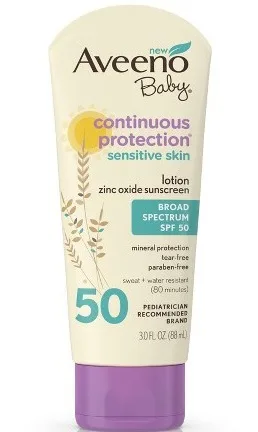 Sensitive Baby Skin Pick
 Baby Continuous Protection Zinc Oxide Mineral Sunscreen SPF 50
A genuinely sensitive-skin-friendly mineral sunscreen that earns its eczema seal: 21.6% zinc oxide for real SPF 50 protection, tear-free, and softened with oat and feverfew. The white cast and thick texture are the price of a single-active formula, and the small bottle makes it pricier per ounce than it looks.
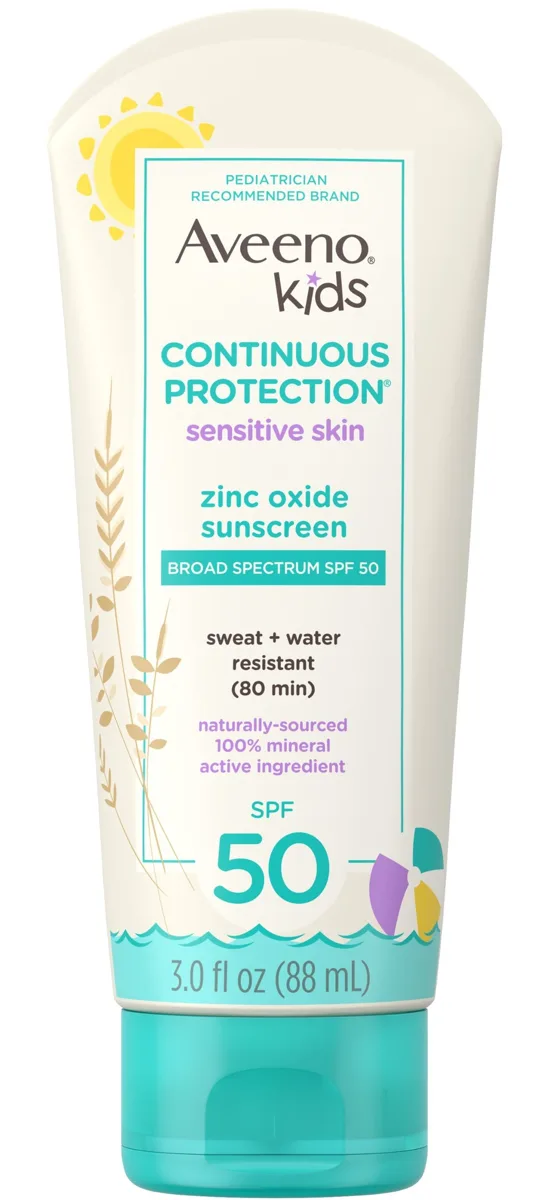 Active Kids Sun Pick
 Kids Continuous Protection Zinc Oxide Sunscreen SPF 50
Essentially the sensitive-skin baby formula sized up for active kids: 21.6% zinc oxide for legitimate SPF 50, tear-free, and softened with oat and feverfew. It holds up to sweat and pool water, but the thick white application and small bottle are the trade-offs you accept for a chemical-filter-free option.
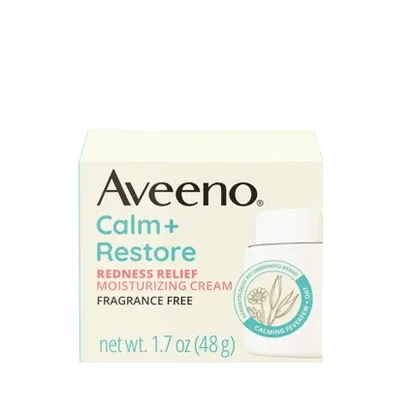 Redness Relief Workhorse
 Calm + Restore Redness Relief Moisturizing Cream
The ceramide-equipped big sister to Aveeno's Oat Gel, this cream targets dry, redness-prone skin with a barrier-repair strategy that most drugstore competitors lack. The oat-feverfew-ceramide combination is genuinely effective for reducing daily redness, though the texture doesn't work for everyone — patch test if your skin is extremely reactive.
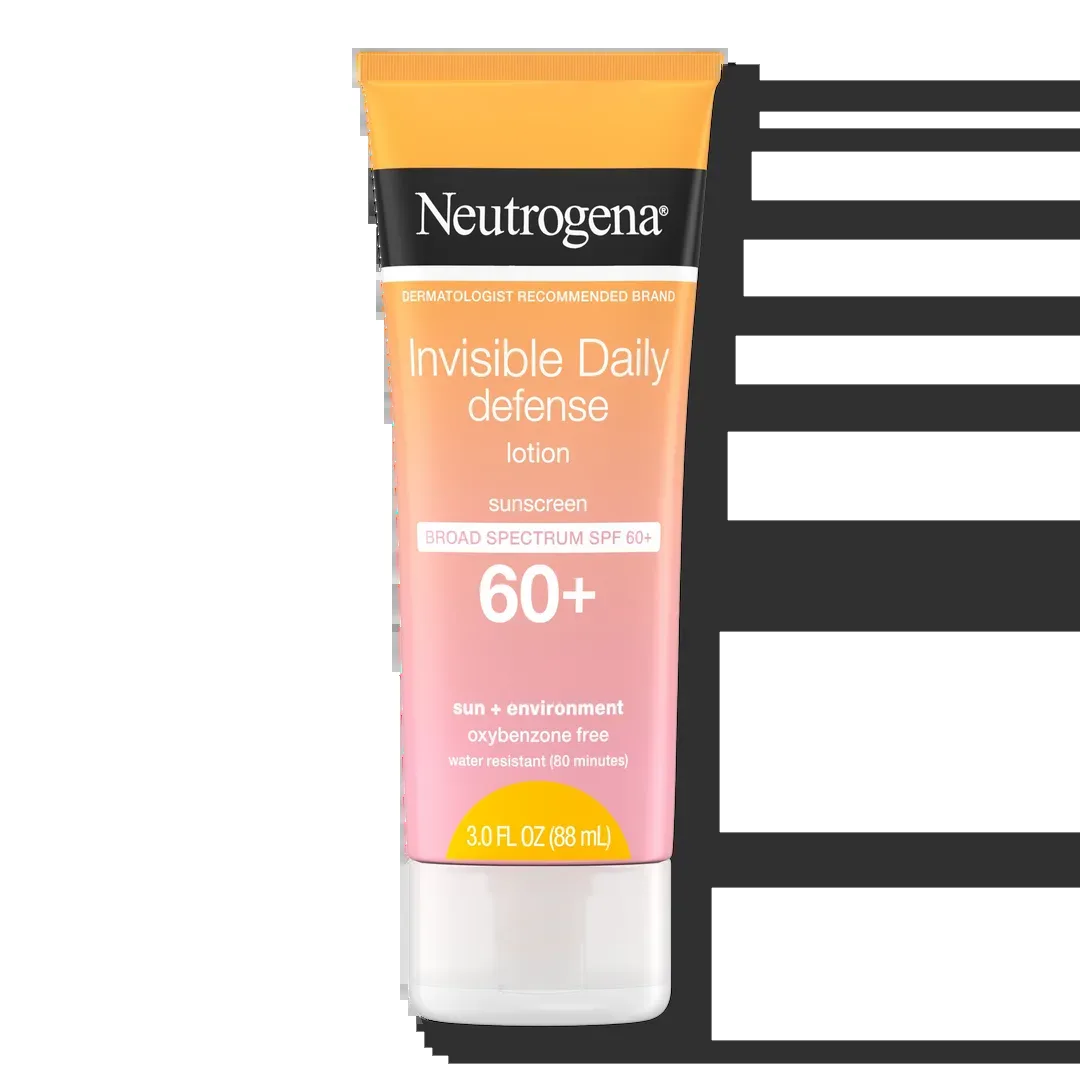 Invisible Protection Workhorse
 Invisible Daily Defense Sunscreen Lotion SPF 60+
The versatile sibling to the Face Serum — a face-and-body sunscreen lotion that delivers SPF 60+ broad-spectrum protection with zero white cast and genuine feverfew antioxidant science. The lotion format is more practical for all-over coverage, but the addition of fragrance, menthyl lactate, and dyes compared to the cleaner serum formula makes this the less refined option. Effective and affordable, with caveats for sensitive skin.
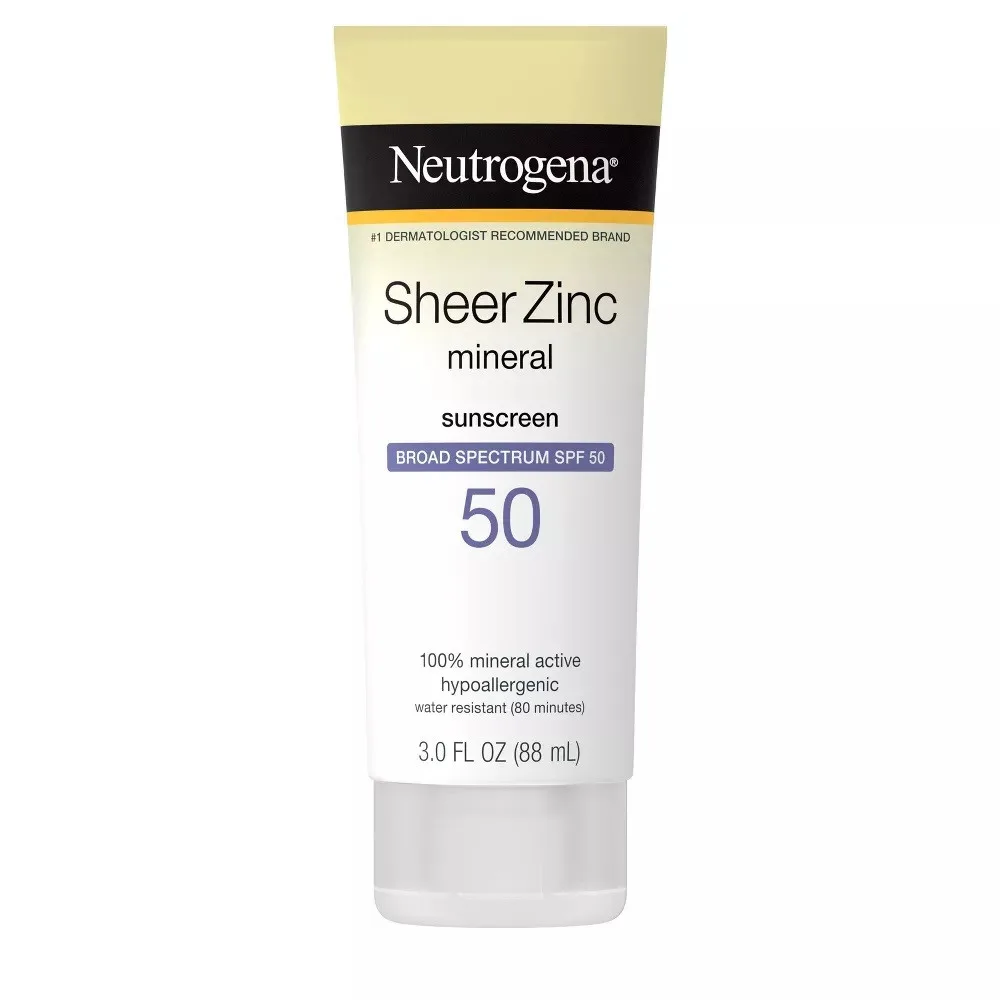 Sensitive Skin MVP
 Sheer Zinc Dry-Touch Sunscreen Lotion SPF 50
A serious sensitive-skin mineral sunscreen that doesn't cut corners on protection — 21.6% zinc oxide for real broad-spectrum SPF 50, made wearable by a clever dry-touch finish. Fragrance-free, eczema-seal-approved, and genuinely gentle. The trade-off is the white cast and dense texture that come with that much zinc, which deeper skin tones will notice most.
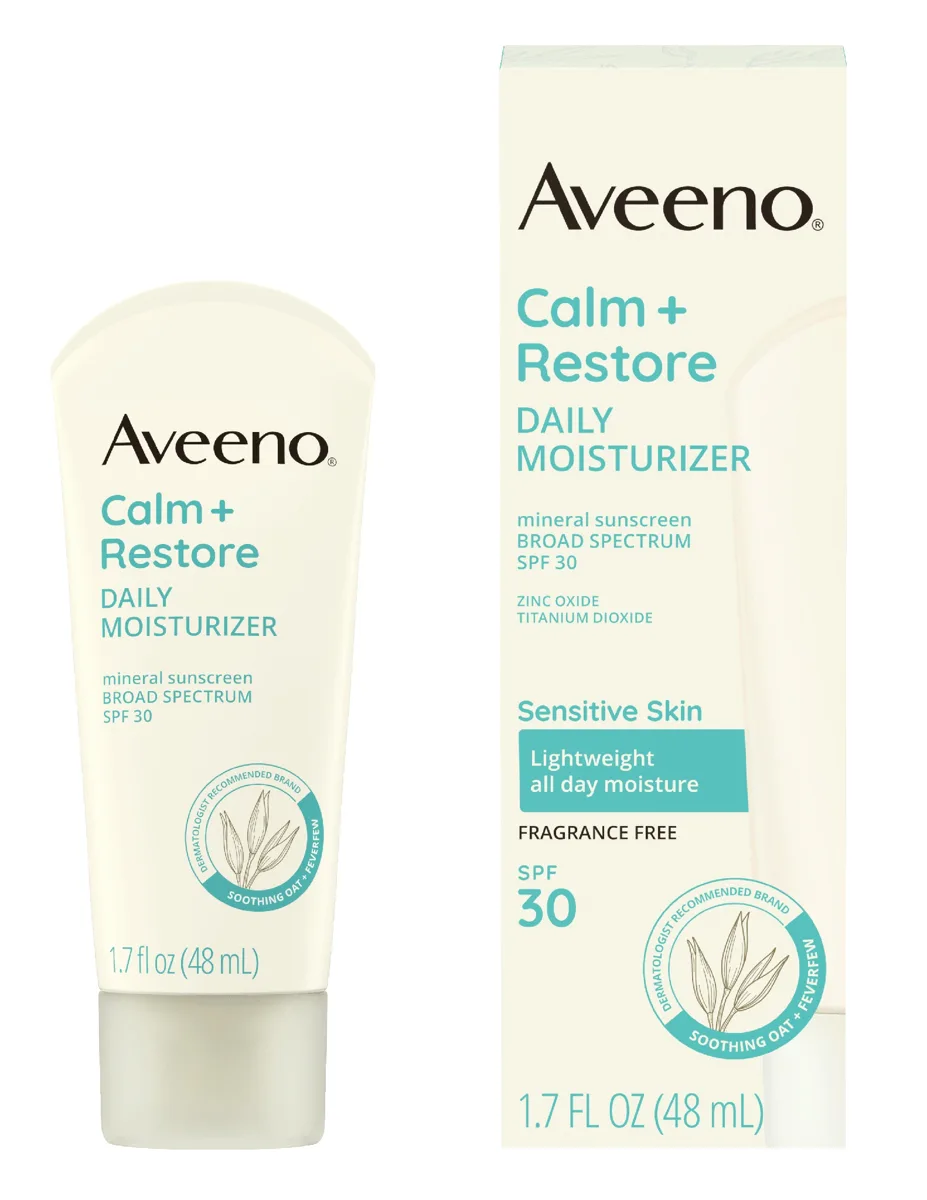 Sensitive-Skin Mineral SPF
 Calm + Restore Daily Moisturizer Mineral Sunscreen SPF 30
A genuinely gentle 100% mineral SPF 30 day moisturizer that gets the sensitive-skin brief right: zinc and titanium filters, soothing oat and feverfew, fragrance-free, and a clever iron-oxide tint to tame white cast. It is one of the better drugstore mineral options for reactive and rosacea-prone skin, if a bit pricey for the size.
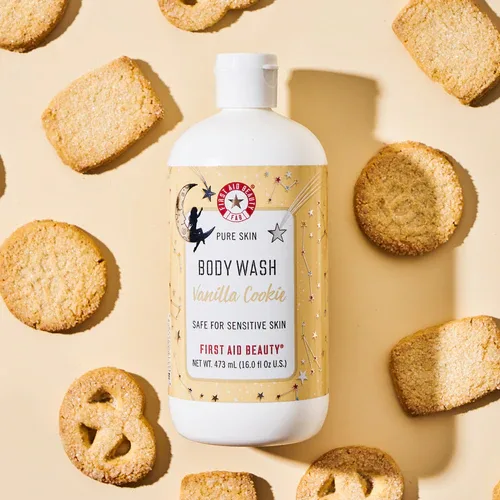 Holiday Limited Edition
 Pure Skin Foaming Body Wash
A genuinely gentle body wash with a thoughtful sulfate-free surfactant system and FAB's signature soothing trio, undercut by the ironic inclusion of known fragrance allergens in every variant. Great cleansing experience, questionable ingredient choices for the brand's sensitive-skin identity.
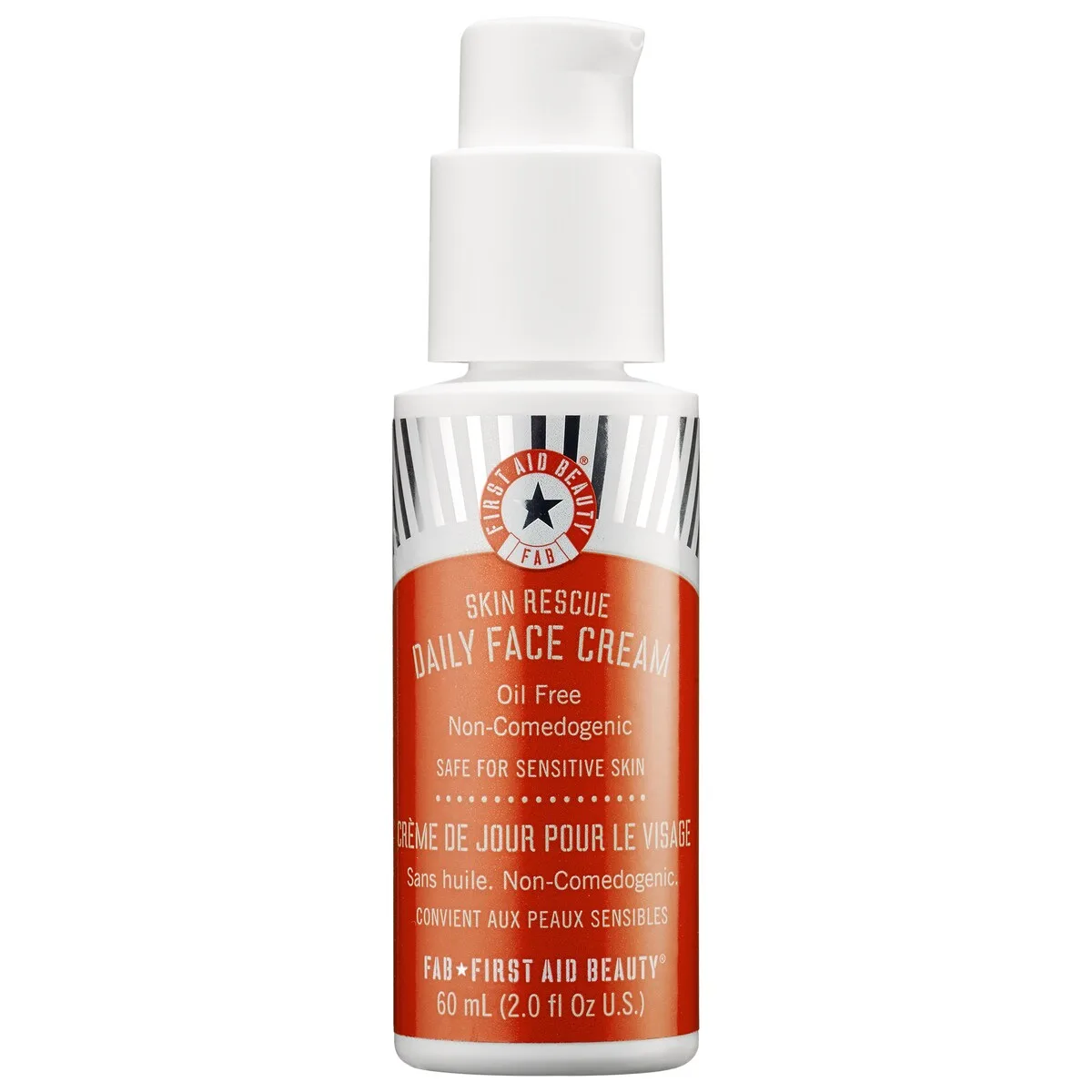 Minimalist Barrier Builder
 Skin Rescue Daily Face Cream
A deliberately minimalist daily moisturizer that proves you don't need 40 ingredients to keep sensitive skin happy. The ceramide-squalane-glycerin trio delivers competent barrier repair in a featherweight texture, though the 2 oz size and premium pricing make it a harder sell against more generous competitors.
 Sensitive Skin MVP
 Sheer Zinc Face Dry-Touch Sunscreen SPF 50
The face-tuned sibling in Neutrogena's Sheer Zinc line: the same robust 21.6% zinc oxide protection, but reformulated oil-free and non-comedogenic with soothing colloidal oatmeal and vitamin E for reactive, acne-prone faces. A genuinely gentle, high-SPF mineral option. The familiar mineral white cast and a small bottle are the catches.
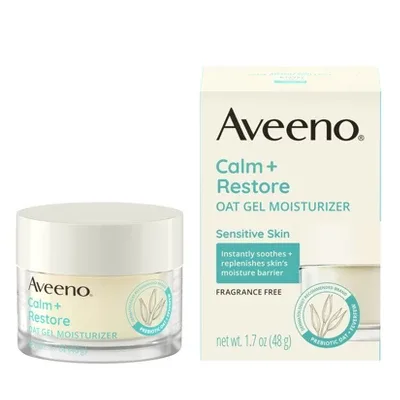 Sensitive Skin Soother
 Calm + Restore Oat Gel Moisturizer
A triple-botanical soothing gel that delivers genuine calm to reactive skin at a drugstore price point. The oat-feverfew-centella combination works through three distinct anti-inflammatory pathways, and the lightweight texture makes it one of the few sensitive-skin moisturizers that oily skin can love too.
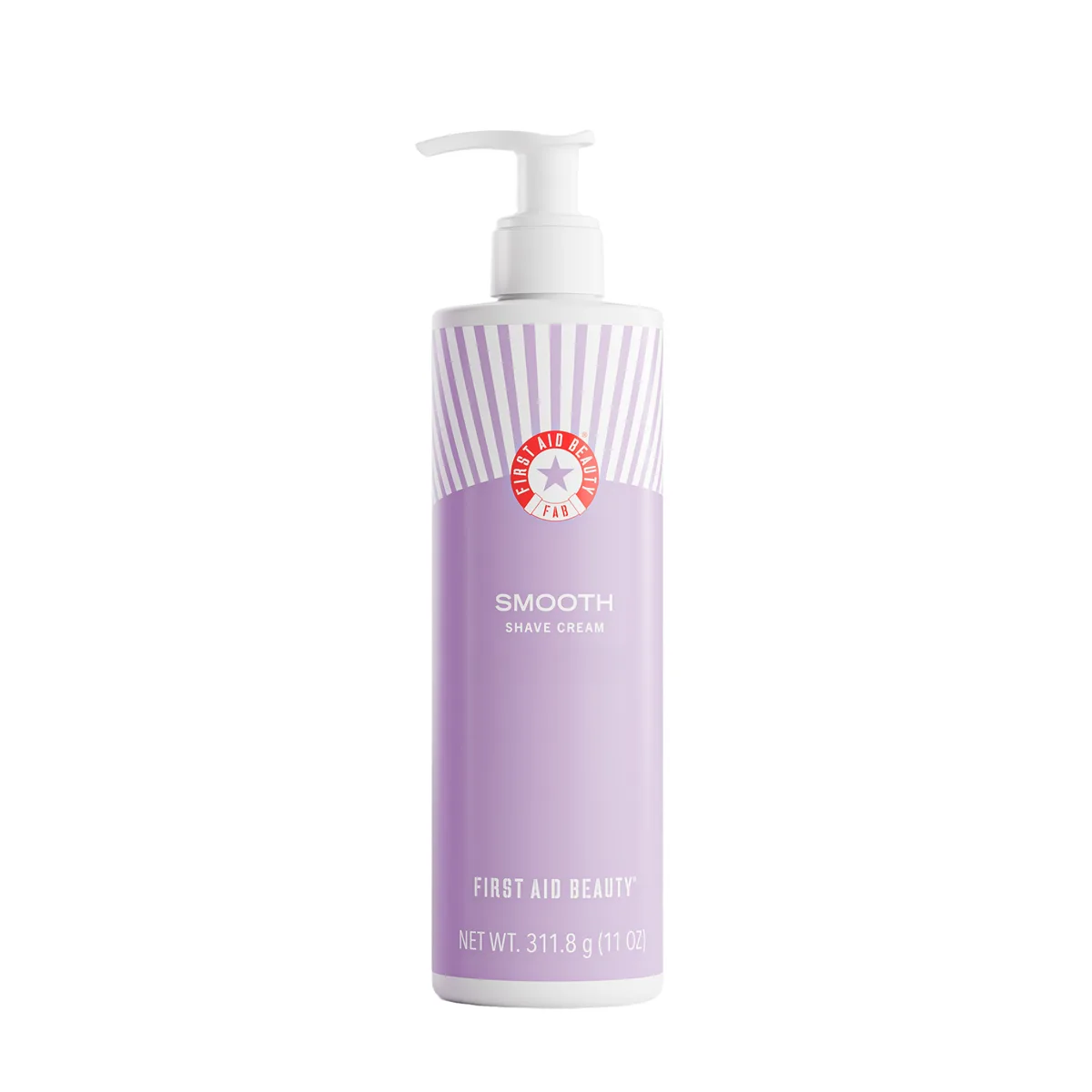 Sensitive Skin's Shave Cream
 Smooth Shave Cream
A properly engineered brushless shave cream — mild isethionate base, fatty-acid glide, glycerin high in the list, allantoin where it can help — with no fragrance and nothing in it that reactive skin needs to fear. It shaves better than foam and gentler than soap, and the Gillette collaboration shows in how well the film behaves under a blade. The price is high against traditional creams of the same architecture and the botanicals do little in a rinse-off, but for skin that gets razor burn from everything else, it earns its place.
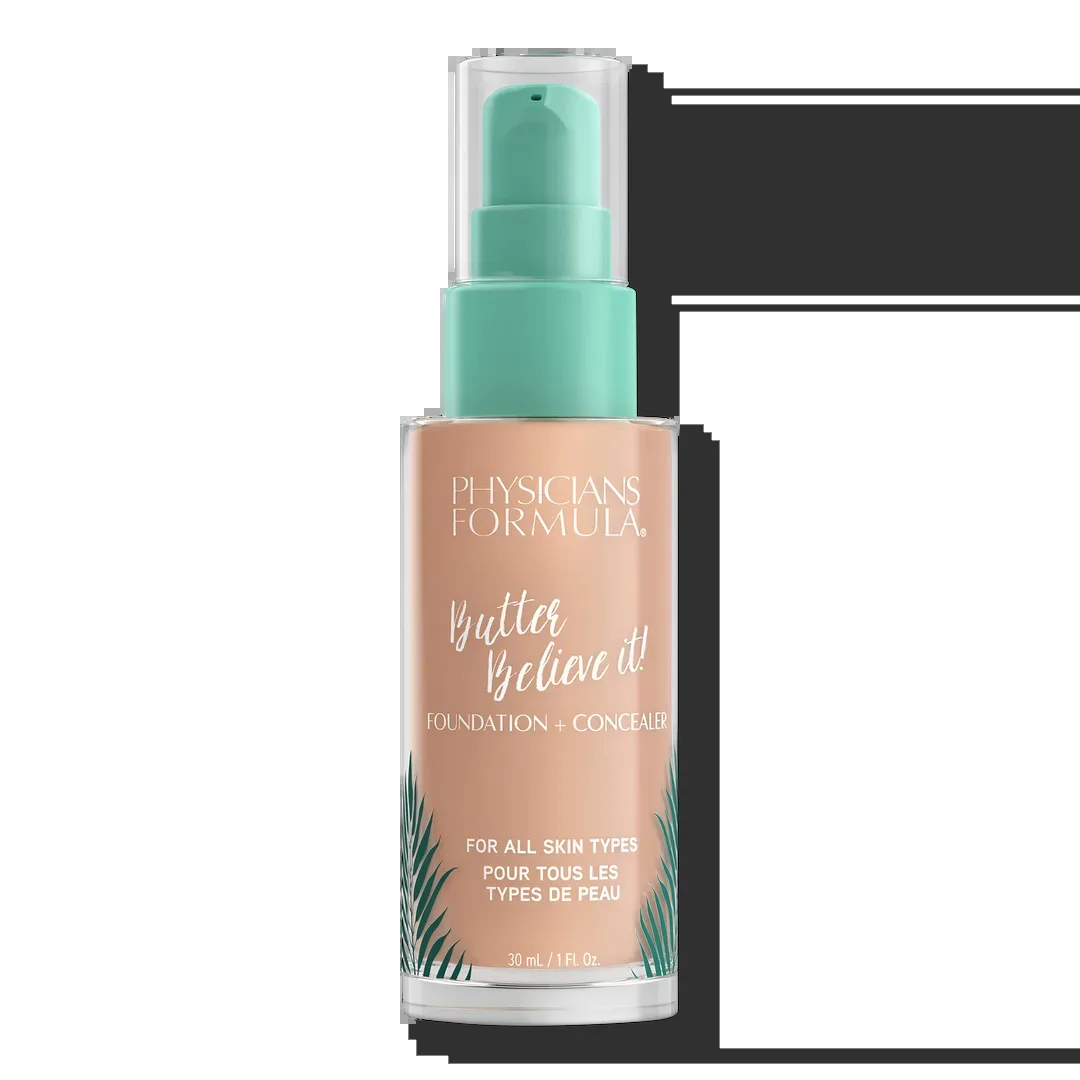 Invisible SPF Innovator
 Invisible Daily Defense Face Serum SPF 60+
A genuinely invisible SPF 60+ face serum that delivers on its core promise — high protection with zero white cast in a texture that feels like skincare. The proprietary feverfew antioxidant adds legitimate science beyond basic UV filtration. But alcohol denat., synthetic dyes, and menthyl lactate undermine the experience for sensitive skin, and the eye-stinging reports are too consistent to ignore.
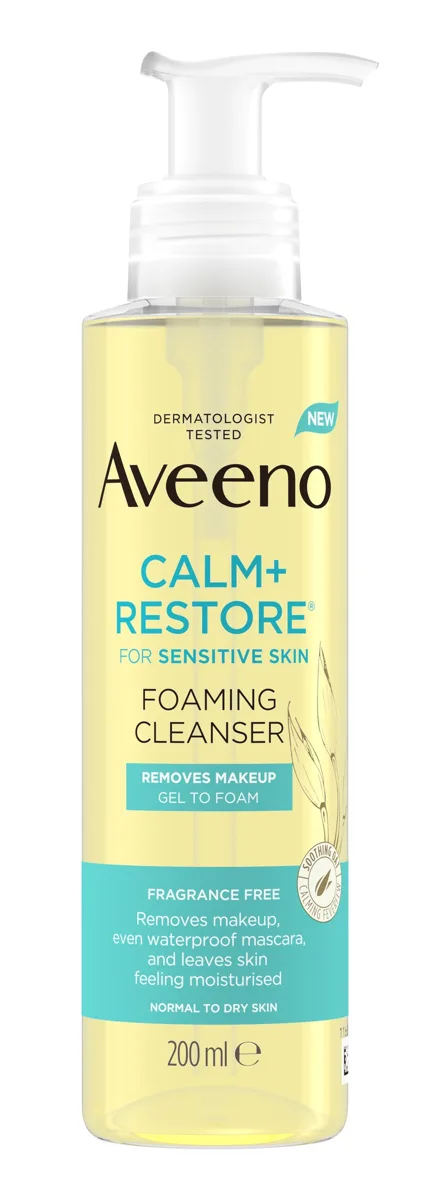 Drugstore Sensitive-Skin Staple
 Calm + Restore Foaming Cleanser
Aveeno's gel-to-foam Calm + Restore cleanser does two jobs competently: it lifts makeup, including waterproof mascara, and it cleanses without the tight, squeaky aftermath that sends sensitive skin into a panic. The patented parthenolide-free feverfew and colloidal oat are the genuine draw. It uses a sulfate surfactant, so it is a true foaming cleanser rather than a milky one, but the formula is buffered to stay gentle for most skin.
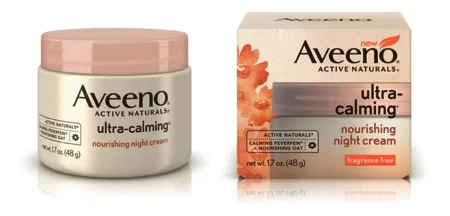 Redness-Calming Classic
 Ultra-Calming Nourishing Night Cream
A genuinely distinctive sensitive-skin night cream built around feverfew, the anti-redness botanical, plus Aveeno's calming oat in a light, oil-free, fragrance-free base. It soothes reactive skin overnight without grease. The frustrating part is that Aveeno has discontinued it, so finding it at a fair price is now the real challenge.
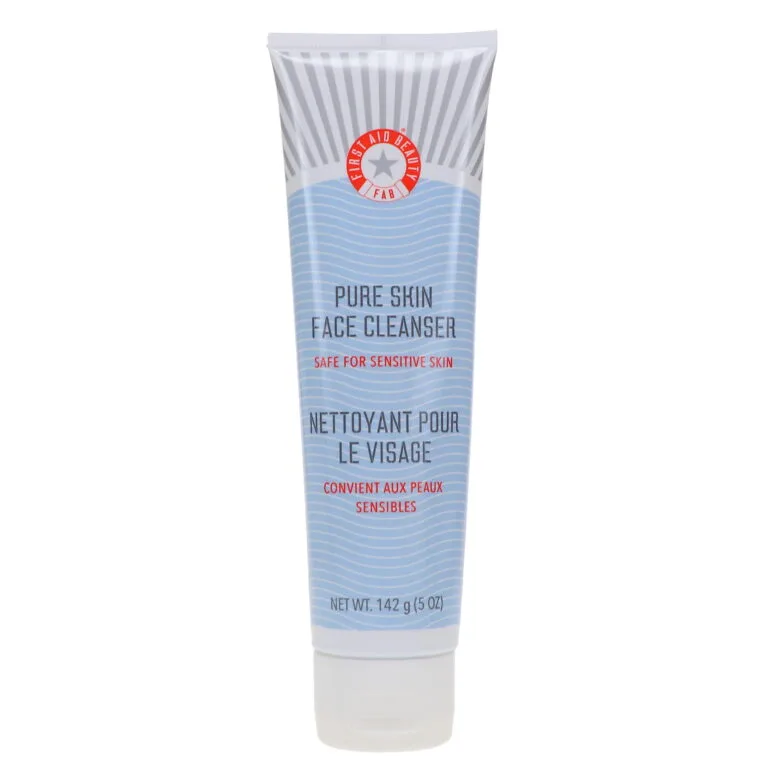 Sensitive Skin Staple
 Pure Skin Face Cleanser
A no-frills gentle cleanser that does exactly what it promises — removes dirt and makeup without stripping or irritating even the most reactive skin. It won't wow you with innovation, but its 15-year track record of quietly doing its job makes it one of the most reliable face washes in the prestige sensitive-skin category.
 Daily UV Shield Workhorse
 Invisible Daily Defense Sunscreen SPF 60+
A smart daily sunscreen that goes beyond basic UV protection with Neutrogena's patented feverfew antioxidant complex, delivering SPF 60+ in a genuinely lightweight formula that disappears on skin. The environmental defense angle is more than marketing — but fragrance, alcohol, and eye-stinging issues mean this isn't for everyone.
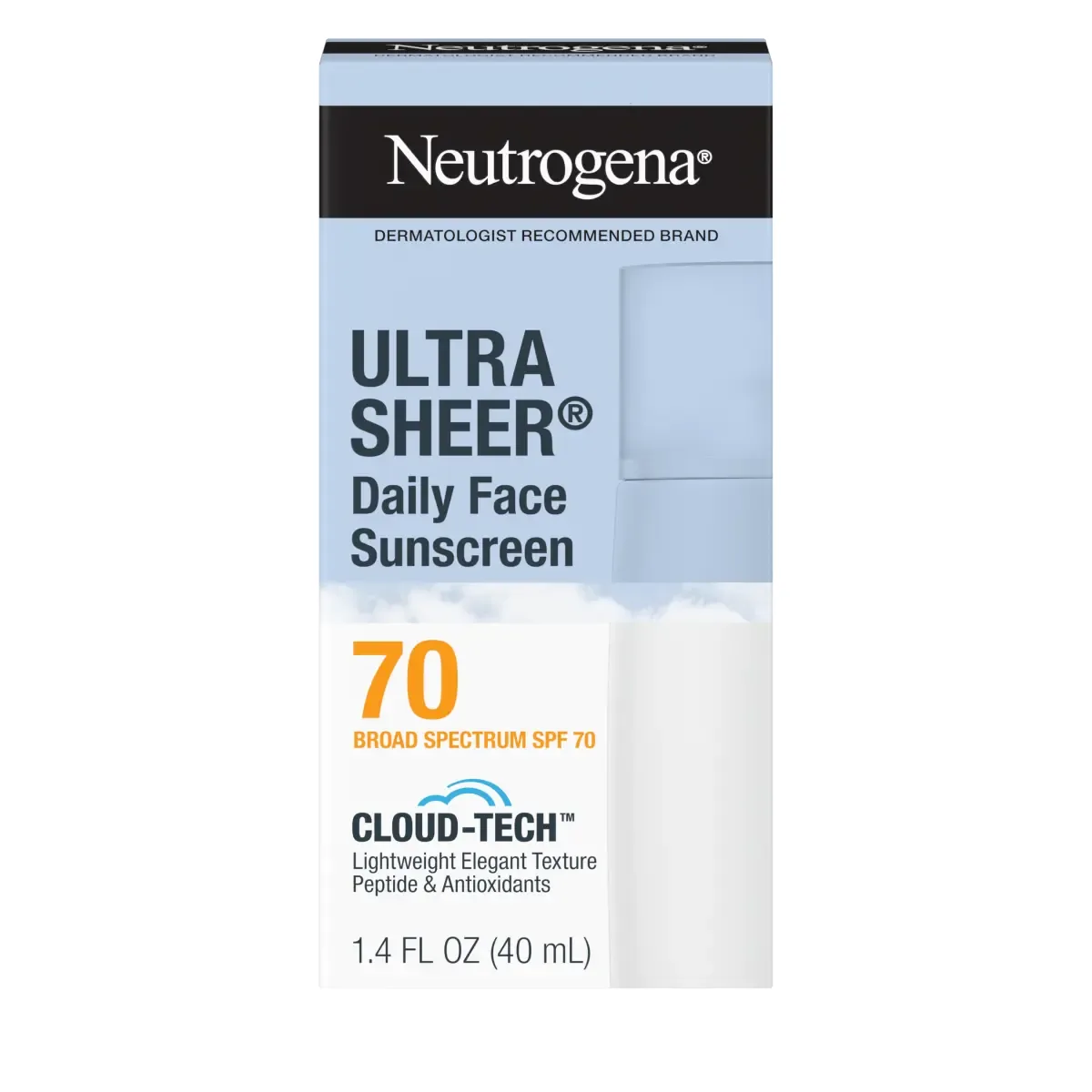 First Drugstore BEMT
 Ultra Sheer Daily Face Sunscreen SPF 70
The first drugstore sunscreen in America built on bemotrizinol, and it shows in the one place that matters: a photostable, octocrylene-free SPF 70 fluid that weighs almost nothing and leaves no cast. The rest of the formula is older than the headline, with homosalate at the US ceiling and no water resistance, so it is a strong everyday face sunscreen rather than the clean break the marketing suggests.
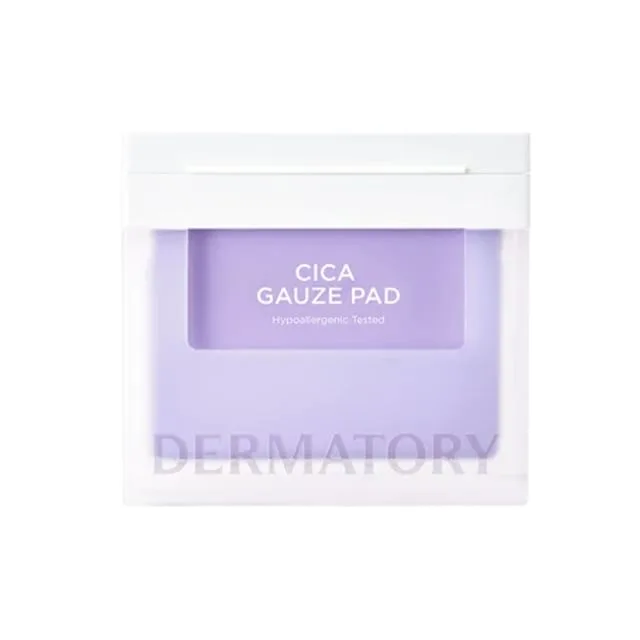 Gentle Azulene Calming Pad
 Hypoallergenic Cica Gauze Pad
A genuinely gentle soothing pad that delivers an azulene-and-cica calming essence — feverfew, chamomile, licorice and hydration included — on a soft gauze, both fragrance-free and alcohol-free. It calms reactive, flushed skin in one swipe and doubles as a mini compress. The per-use cost of pads and a touch of honey and chamomile are the only real caveats, and it is gentler than the brand's ethanol-containing powder toner.
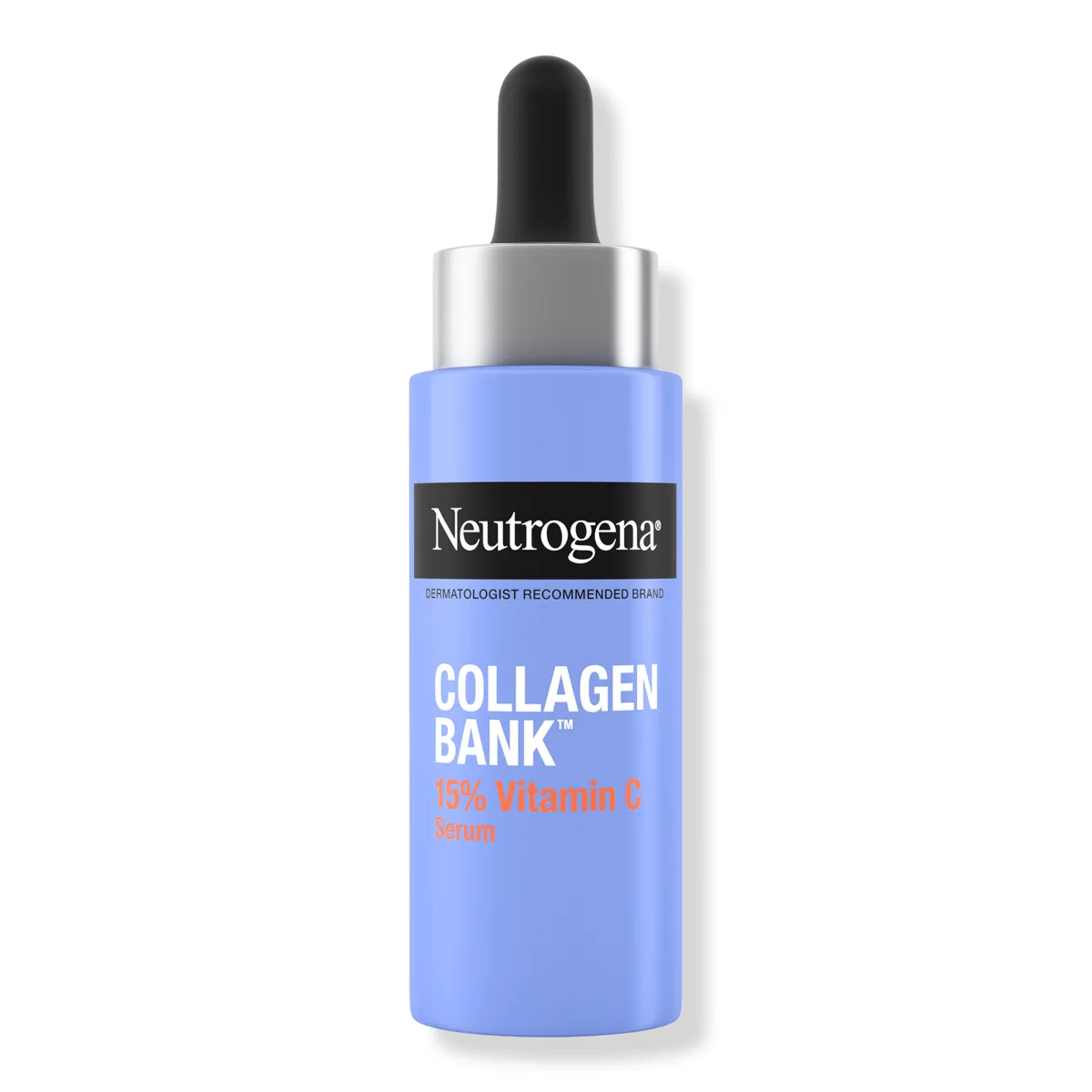 Real Vitamin C On A Budget
 Collagen Bank Vitamin C Face Serum
A genuinely well-built vitamin C serum hiding under trend-forward branding: a true 15% L-ascorbic acid supported by green-tea EGCG, feverfew and a gentle PHA, fragrance-free and fairly priced. The collagen name oversells the topical collagen, but the vitamin C delivers the real brightening and collagen-support benefits. A standout of the line.
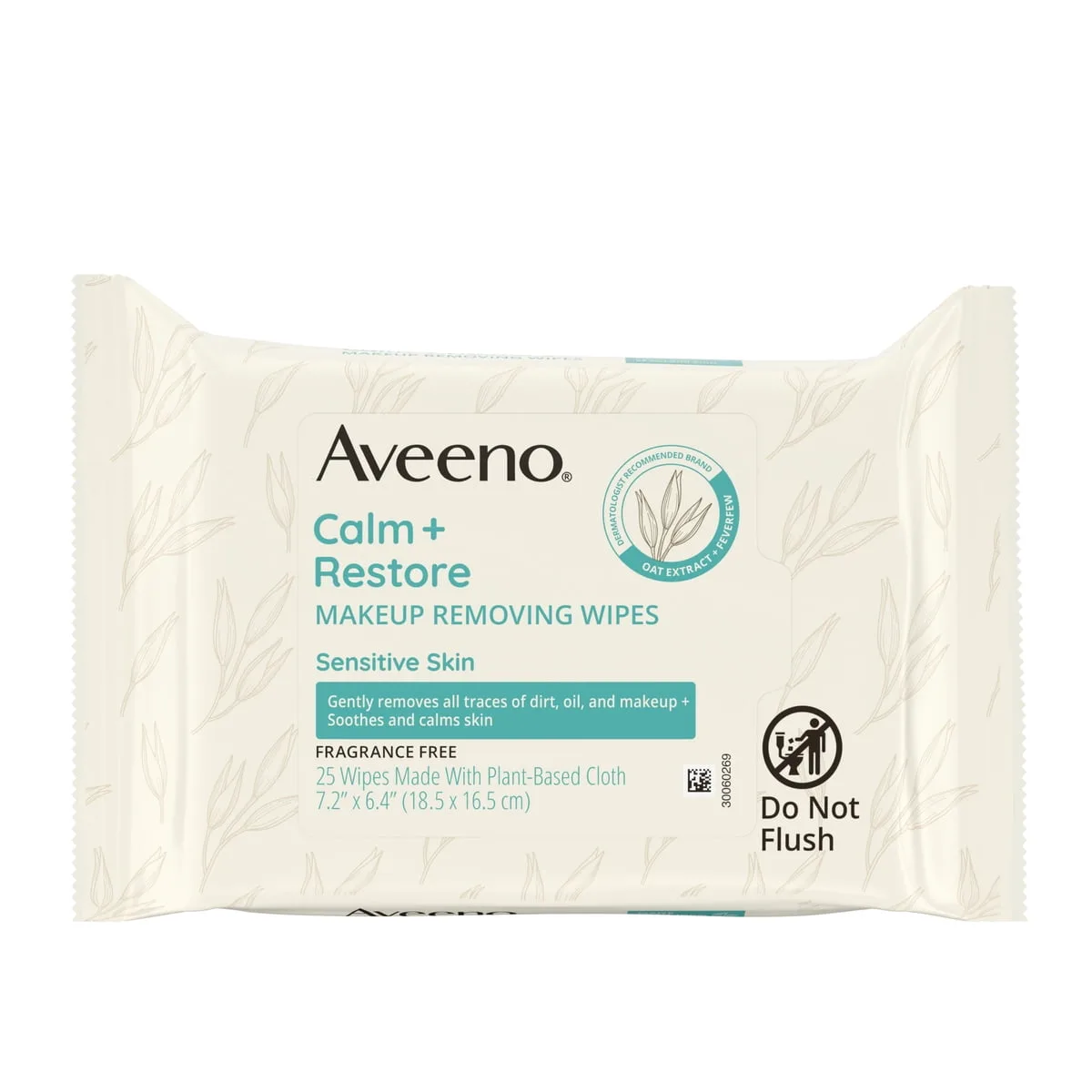 Sensitive-Skin Travel Wipe
 Calm + Restore Nourishing Makeup Remover Face Wipes
A rare drugstore wipe with nothing in it to sting: no fragrance, no alcohol, no foaming surfactant, and the same feverfew-and-oat pairing as the rest of Calm + Restore. It removes everyday makeup competently, leaves a film you will want to rinse, and gives up on waterproof mascara. For reactive skin on a lazy night, it is about as safe as a wipe gets.
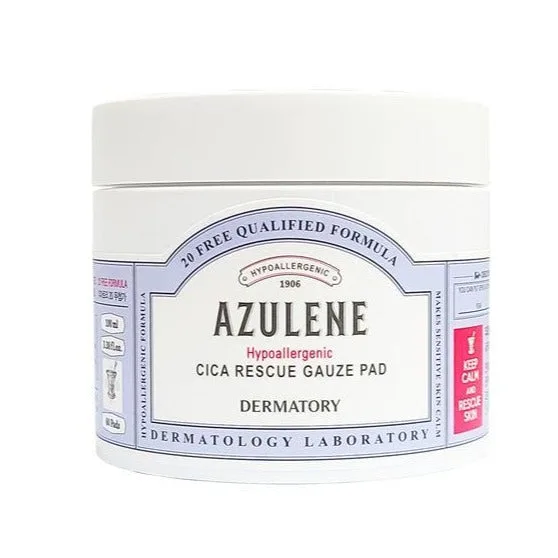 SOS Calming Compress Pad
 Hypoallergenic Cica Rescue Gauze Pad
The upgraded, dual-textured 'rescue' version of Dermatory's cica gauze pad: an exfoliating mesh side, a soft masking-cellulose side and included tweezers, all carrying the line's gentle, fragrance- and alcohol-free azulene-cica soothing essence. It shines as an SOS compress for flare-ups, post-sun heat or freshly stressed skin. The essence is the same as the standard pad, so what you pay extra for is format and versatility.
The full feverfew (tanacetum parthenium extract) guide
Most people know feverfew as the herbal migraine remedy sold in health-food stores, not as the anti-redness ingredient tucked into sensitive-skin sunscreens and calming moisturizers.
Yet the same plant chemistry that drew headache researchers turns out to be genuinely useful for reactive, easily-flushed skin. The catch: only the parthenolide-depleted version belongs on skin, and that distinction matters far more than most ingredient glossaries admit.
How it's regulated in the US
FDA does not classify ingredients — it classifies products, by what they are sold to do. The same molecule can be a drug active in one product and a cosmetic ingredient in the next, and only the claim on the label decides which. What follows is a statement about that legal standing, not about whether it works — the evidence question is answered separately above.
Cosmetic Feverfew (Tanacetum Parthenium Extract) is a cosmetic ingredient in the US: no OTC monograph covers it and it is not an active in any FDA-approved drug, so a product built around it is a cosmetic rather than a drug.
Feverfew is better-supported than most marketed botanicals, but nearly all of its dermatology evidence comes from one research group. A Journal of the American Academy of Dermatology paper reported that a purified, parthenolide-free feverfew extract (PFE) lowered free radicals measured on the foreheads of human subjects and induced the Nrf2/antioxidant response element (ARE) promoter more than twofold in skin-cell models. An earlier JAAD study (2004) found that 1% PFE topical formulations reduced erythema from tape-stripping and chemically-induced irritation in human volunteers, in a dose-dependent way. A 2008 Archives of Dermatological Research paper reported that parthenolide-depleted extract reduced UV-induced erythema, epidermal DNA damage and apoptosis in vivo. These are genuine human and in-vivo studies — not just cell data — but most were funded by or conducted for Aveeno/Johnson & Johnson, so independent replication is thin. Claims around brightening, collagen protection and broader anti-aging remain mechanistic extrapolations from its antioxidant activity rather than outcomes shown in controlled trials.
How it works
The active fraction here isn't the famous one. While oral feverfew leans on parthenolide, the skincare version deliberately strips that compound out and keeps a pool of water-soluble flavonoids — apigenin, luteolin and chrysoeriol glucuronides among them — that appear to work along two paths. The first is straightforward antioxidant scavenging: these flavonoids donate hydrogen atoms to quench reactive oxygen species kicked up by UV and pollution, interrupting the oxidative chain before it escalates into visible inflammation. The second path is more interesting because it's indirect. The extract has been shown to activate the Nrf2 transcription factor, which switches on the antioxidant response element and nudges skin cells to ramp up their own enzymatic defenses rather than relying solely on what the product supplies — a kind of borrowed self-sufficiency. On the calming side, laboratory work points to dampened NF-κB signaling and reduced pro-inflammatory cytokine output, which fits its observed redness-reducing behavior in human testing. The pivotal manufacturing step is the removal of parthenolide, a sesquiterpene lactone that is potent internally but a recognized cause of Compositae contact allergy on skin. Well-formulated products use only the parthenolide-depleted fraction, preserving the flavonoid activity while minimizing sensitization risk.
Key benefits
- Reduced visible redness from UV exposure and irritation in human testing
- Induces the Nrf2/ARE pathway, prompting skin to boost its own antioxidant enzymes
- Scavenges UV-generated reactive oxygen species at the skin surface
- Lowered pro-inflammatory cytokine signaling in laboratory models of reactive skin
- Tolerable on compromised and sensitized skin when supplied as parthenolide-free PFE
- May help limit oxidative triggers behind post-inflammatory pigmentation, though this is unproven
Concentration & usage
The published clinical work centered on formulations around 1% purified parthenolide-free extract (PFE), and the 2004 erythema study saw dose-dependent effects — so where it sits on the INCI list is worth a glance; you want it among the first several actives, not trailing the preservatives. It's listed as "Tanacetum Parthenium (Feverfew) Extract" or "Tanacetum Parthenium Extract." No pH window has been tied to its efficacy, and no official upper limit for topical use has been published; commercial products generally land somewhere in the 0.5–2% range of standardized extract.
Who it's for & who should be cautious
Who it's for
Feverfew suits reactive, sensitive and easily-flushed skin — the kind that pinks up after one retinol night or flares with every weather swing. It's a reasonable pick for anyone building an environmental-defense layer into a morning routine, especially within antioxidant serums or SPF products. Rosacea-prone users wanting plant-based anti-redness support may appreciate it as an adjunct, keeping in mind it isn't a rosacea treatment in its own right.
Who should be cautious
Anyone with a confirmed Compositae (Asteraceae) allergy — ragweed, chrysanthemum, chamomile, echinacea — should be cautious even with parthenolide-free products, since residual plant proteins can still provoke cross-reactions; one Contact Dermatitis study found feverfew-allergic patients reacted to parthenolide-depleted creams. Whole-plant feverfew extracts that still contain parthenolide are not appropriate for skin and should be avoided outright, as parthenolide is a documented contact allergen. Pregnant individuals should avoid oral feverfew (long flagged as an abortifacient herb); topical risk is considered minimal, but check with a healthcare provider if unsure.
Pairs with & conflicts
Myths & facts
Myth: Feverfew is just another botanical antioxidant with vague, unverified benefits
Reality: Feverfew PFE has human trial data published in JAAD showing measurable drops in UV-induced free radicals on live subjects and reduced erythema after irritation. That's a sturdier footing than most plant extracts sold on antioxidant claims alone — though the research leans heavily on a single funder.
Myth: If it's a soothing ingredient, any feverfew extract is fine for sensitive skin
Reality: Whole-plant feverfew containing parthenolide is a documented contact sensitizer and a known Compositae allergen. Only the parthenolide-depleted or purified form (PFE) belongs on sensitive skin — so the wording on the label genuinely matters.
Myth: Its calming effect means it can stand in for prescription rosacea or eczema treatments
Reality: The evidence covers transient redness and UV-induced irritation, not the vascular or immune dysfunction underlying rosacea or eczema. Feverfew can support a management routine but is not a therapeutic replacement for one.
Frequently asked questions
What separates 'purified feverfew extract' from ordinary feverfew extract?
Purified or parthenolide-free feverfew extract (PFE) has had the sesquiterpene lactone parthenolide removed during processing. Parthenolide drives the plant's internal medicinal effects but is also a strong skin sensitizer and Compositae allergen. The purified fraction keeps the useful flavonoids while sharply lowering sensitization risk, which is why reputable skincare uses this form.
Does feverfew PFE belong under sunscreen every morning?
That's arguably its best use case. PFE complements SPF because it reinforces the skin's antioxidant defenses against UV-generated free radicals that sunscreen alone doesn't fully catch, and its calming action can ease post-UV redness — which is why it shows up in several SPF moisturizers.
Can I use feverfew if ragweed or chamomile makes me react?
Proceed carefully. Feverfew is in the Compositae (Asteraceae) family alongside ragweed, chamomile, echinacea and chrysanthemum, and cross-reactivity is possible — one study even found parthenolide-depleted creams provoked reactions in feverfew-allergic patients. Patch testing before full-face use is sensible for anyone with confirmed Compositae sensitivity.
Will feverfew help redness specifically from rosacea?
The studied outcomes are general erythema — from UV, tape-stripping and chemical irritation — not rosacea itself. Mechanistically it may help calm flush-prone skin, but it hasn't been tested as a rosacea treatment, so think of it as a supportive ingredient rather than a primary fix.
How quickly might I notice feverfew calming my skin?
Part of the anti-redness effect appears fairly quickly — the 2004 JAAD study measured erythema reductions within 24 hours of irritation with PFE applied. The longer game, driven by Nrf2 activation and antioxidant-defense upregulation, builds over weeks of steady use, much like other topical antioxidants.
Is the feverfew in my serum the same as the migraine supplement?
Same plant, different preparation entirely. The oral supplement depends on parthenolide as its active. Skincare deliberately removes parthenolide and uses the flavonoid-rich water-soluble fraction instead, so the two share little beyond a name in terms of active chemistry and safety.