


You Can Mix L-Ascorbic Acid at Home. Keeping It Alive Is the Hard Part.
The one home formulation with a genuinely coherent case, taken apart on its own terms: the pH window, the oxidation clock, and what a browning serum has actually become.
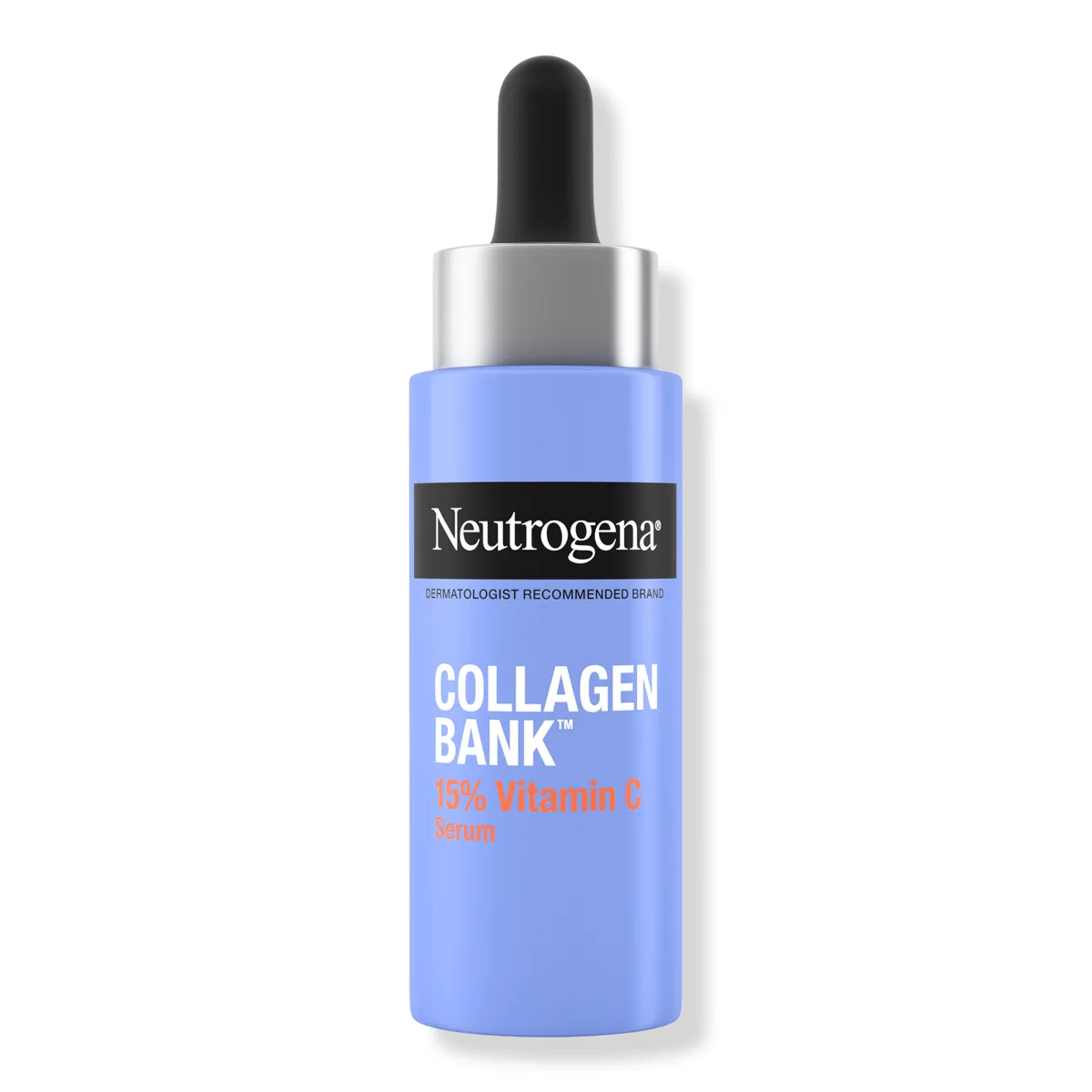
Where many affordable vitamin C serums hide behind gentler derivatives, this commits to a true 15% L-ascorbic acid and then supports it intelligently with green-tea EGCG, feverfew and a low-dose PHA. The result is a properly-dosed, well-buffered gold-standard vitamin C serum at a drugstore-adjacent price.
A genuinely well-built vitamin C serum hiding under trend-forward branding: a true 15% L-ascorbic acid supported by green-tea EGCG, feverfew and a gentle PHA, fragrance-free and fairly priced. The collagen name oversells the topical collagen, but the vitamin C delivers the real brightening and collagen-support benefits. A standout of the line.
As a 2024 launch, this serum's rating draws on the deep, long-standing evidence for 15% L-ascorbic acid and an analysis of its supporting antioxidants and PHA, combined with a moderate and growing pool of retailer reviews, rather than years of independent track record. Expect the picture to sharpen as more long-term feedback comes in.
The case for it
What would change this: Guideline or regulatory standing for the active on this concern would move this from a promising bet to a recommendation.
Same rule for everyone. “Promising” is the verdict on 7,858 of 45,024 concern verdicts across the catalog; rule R9p decided 7,858 of them. Unchanged since September 5, 2026, engine 5.1.1.
Brand or formulator? Disclose a concentration or correct a fact →
The studies behind the evidence row
The case for it
What would change this: Guideline or regulatory standing for the active on this concern would move this from a promising bet to a recommendation.
Same rule for everyone. “Promising” is the verdict on 7,858 of 45,024 concern verdicts across the catalog; rule R9p decided 7,858 of them. Unchanged since September 5, 2026, engine 5.1.1.
Brand or formulator? Disclose a concentration or correct a fact →
The studies behind the evidence row
The case for it
What would change this: Guideline or regulatory standing for the active on this concern would move this from a promising bet to a recommendation.
Same rule for everyone. “Promising” is the verdict on 7,858 of 45,024 concern verdicts across the catalog; rule R9p decided 7,858 of them. Unchanged since September 5, 2026, engine 5.1.1.
Brand or formulator? Disclose a concentration or correct a fact →
The studies behind the evidence row
The case for it
What would change this: Guideline or regulatory standing for the active on this concern would move this from a promising bet to a recommendation.
Same rule for everyone. “Promising” is the verdict on 7,858 of 45,024 concern verdicts across the catalog; rule R9p decided 7,858 of them. Unchanged since September 5, 2026, engine 5.1.1.
Brand or formulator? Disclose a concentration or correct a fact →
The studies behind the evidence row
Also listed for Dullness — the actives here (Gluconolactone, Green Tea Extract, Vitamin C, Feverfew) are in our research queue for that concern; there is no verdict until their evidence rows are written. That is a gap in our table, not a mark against the product.
Where our review and the verdict differ. The review below was written on the formulation and the published trials; the verdicts above apply the stricter standing test in our methodology — an active earns a recommendation only with guideline or regulatory standing for the concern. Where the two disagree, the verdict is DermApproved’s position.
A verdict is DermApproved’s assessment of how well a product’s ingredients fit a concern — never a claim about what the product treats. Evidence dots and collected reviews sit beside it and are never blended in. Rules 0.5.1 · evidence table ev-2026.09-r228 · how we decide
Pure L-ascorbic acid at fifteen percent is the kind of detail that makes a skincare nerd sit up a little straighter, because it signals that whoever formulated this serum was willing to commit to the real thing rather than a gentler, less finicky vitamin C derivative. That choice tells you most of what you need to know about the Neutrogena Collagen Bank Vitamin C Face Serum: underneath the trend-forward 'collagen bank' branding sits a genuinely respectable, evidence-aligned vitamin C formula, and the brightening, antioxidant active is doing the bulk of the work rather than playing second fiddle to the collagen the product is named after. Let's look at the formula, which is refreshingly lean. After a propanediol-and-water base, the third ingredient is fifteen percent ascorbic acid — the most-studied, gold-standard form of topical vitamin C, the same molecule behind the brightening and collagen-supporting claims that have made vitamin C a derm-office staple for decades. At fifteen percent, it sits comfortably in the range shown to be effective without tipping into the very high concentrations that mainly add irritation. Right below it is two percent gluconolactone, a polyhydroxy acid that gently exfoliates and, usefully, helps stabilize the formula while adding hydration. Then come the supporting players: the acetyl dipeptide-31 amide micro-peptide, feverfew extract, hydrolyzed collagen, and EGCG from green tea — a respectable little antioxidant entourage. What makes this formulation smart is the pairing of vitamin C with that green-tea EGCG and feverfew. Vitamin C is a potent antioxidant but a notoriously unstable one, and combining it with other antioxidants is a recognized way to broaden the protective net and support its activity. EGCG is a heavyweight antioxidant in its own right, and feverfew (specifically the parthenolide-depleted versions used in cosmetics) brings soothing, anti-inflammatory properties that can buffer some of the sting bare ascorbic acid can cause. The two percent PHA is a nice touch too — gentle enough not to overload the skin alongside the acidic vitamin C, while adding a mild renewing effect. This is a more thoughtfully built vitamin C serum than the price tag might lead you to expect. In use, it behaves like a well-made ascorbic acid serum. The texture is a lightweight, fast-absorbing fluid that layers cleanly under moisturizer and sunscreen, and the fragrance-free formula keeps it appropriate for daily morning use, which is when a vitamin C serum earns its keep by boosting your antioxidant defenses under sunscreen. Some people with sensitive skin may feel a mild initial tingle from the fifteen percent ascorbic acid — that's normal for true vitamin C and usually settles as skin acclimates — but the feverfew and PHA help keep it on the gentler end of the L-ascorbic spectrum. Over weeks of consistent morning use, the realistic payoff is brighter, more even-looking skin and a subtle glow, in line with what vitamin C reliably delivers. The honest caveat, as with every product in this line, concerns the collagen framing. Hydrolyzed collagen appears here, but as in the moisturizer, it functions as a surface humectant rather than a collagen-rebuilder — topical collagen molecules simply cannot penetrate and restock your dermis. The good news is that vitamin C genuinely does support your skin's own collagen synthesis as an essential cofactor in the process, so the 'collagen' claim has a legitimate mechanism behind it — it just comes from the ascorbic acid, not from the named-after collagen ingredient. Once you understand that the vitamin C is the collagen story here, the product makes complete sense. Stability and packaging are the perennial question marks for any L-ascorbic acid serum, and they're worth flagging. Pure vitamin C oxidizes when exposed to light and air, turning yellow then brown and losing potency. The serum's packaging is designed to limit that exposure, but as with all ascorbic acid products, you should use it within a few months of opening, store it away from light and heat, and toss it if it turns deep brown. This isn't a knock on this particular serum so much as the nature of the ingredient — the trade-off for using the most effective form of vitamin C is that it doesn't last forever. On value, this is a strong showing. At around twenty-five to twenty-six dollars for a 0.5-ounce bottle, it's priced in line with — and often below — many dedicated vitamin C serums that offer a similar fifteen percent L-ascorbic acid concentration, and you're getting the bonus antioxidant and PHA support on top. The small size is typical for vitamin C, since the ingredient's short shelf life means a bigger bottle would likely oxidize before you finished it. For a fragrance-free, well-formulated, properly-dosed L-ascorbic acid serum from a clinically-tested brand, this represents genuinely fair value, and arguably undercuts the prestige vitamin C serums that charge a premium for the same active. This is the standout of the Collagen Bank line precisely because its hero ingredient is one with deep, decades-long evidence, dosed at an effective level and supported intelligently. If you want a daily morning vitamin C serum to brighten, even tone, and bolster your antioxidant and sun-protection defenses, and you don't mind the maintenance that comes with real ascorbic acid, this is an easy recommendation that punches above its price. If you have very sensitive skin that reacts to L-ascorbic acid, or you want a no-fuss derivative that never oxidizes, a gentler vitamin C form would suit you better — but you'd be trading away some of the proven potency this serum delivers.
The hero actives that drive this product's performance.
| Ingredient | Function | Evidence |
|---|---|---|
| L-Ascorbic Acid (15%) (15%) | The serum's hero and the source of its real collagen claim — at an effective 15% it brightens, evens tone, neutralizes free radicals and acts as a cofactor your skin needs to synthesize its own collagen, doing far more than the named-after topical collagen ever could. | Limited for Hyperpigmentation |
| Gluconolactone (2% PHA) (2%) | A gentle polyhydroxy acid that mildly renews the surface and adds hydration while helping keep the acidic vitamin C formula stable, dosed low enough not to overload skin alongside the ascorbic acid. | Not yet assessed |
| Epigallocatechin Gallate (EGCG, Green Tea) | A powerful green-tea antioxidant that partners with the vitamin C to broaden the formula's free-radical defense, a recognized strategy for reinforcing vitamin C's protective and stabilizing performance. | Not yet assessed |
| Feverfew (Chrysanthemum Parthenium) Extract | A soothing, anti-inflammatory botanical that helps buffer the mild sting bare L-ascorbic acid can cause, keeping this serum on the gentler end of the pure-vitamin-C spectrum. | Not yet assessed |
Propanediol, Water, Ascorbic Acid (15%), Gluconolactone (2%), Acetyl Dipeptide-31 Amide, Chrysanthemum Parthenium (Feverfew) Extract, Hydrolyzed Collagen, Epigallocatechin Gallate, Caprylyl Glycol, Phenoxyethanol, Sodium Hydroxide
serum
AM
Apply in the morning on clean skin before moisturizer and sunscreen; vitamin C pairs especially well under SPF to boost daytime antioxidant defense. Introduce gradually if you find pure ascorbic acid tingly.
A subtle immediate glow; visible brightening and more even tone typically develop over 4-8 weeks of consistent morning use, with antioxidant and collagen-support benefits accruing over the longer term.
The hero ingredient sits on decades of evidence. L-ascorbic acid is the most-studied form of topical vitamin C, with a well-established role as a potent antioxidant and as an essential cofactor for the enzymes that crosslink and stabilize collagen — which is the legitimate mechanism behind the serum's collagen-support framing. Research generally places the effective topical range for L-ascorbic acid somewhere around 10 to 20 percent, with diminishing returns and rising irritation at higher concentrations, so the 15 percent here is a sensible, evidence-aligned choice rather than a marketing number. The supporting cast reflects sound formulation thinking. Pairing vitamin C with additional antioxidants such as the green-tea catechin EGCG is a recognized way to broaden free-radical protection and reinforce the network of defenses against photoaging; EGCG itself has solid antioxidant data. Feverfew extract, in the parthenolide-reduced form used cosmetically, contributes soothing, anti-inflammatory activity that helps offset the irritation potential of an acidic ascorbic acid serum. The two percent gluconolactone is a polyhydroxy acid that gently supports surface renewal and hydration while contributing to formula stability. The honest summary is that the brightening, antioxidant and collagen-cofactor benefits rest firmly on the well-dosed L-ascorbic acid, the EGCG and feverfew are evidence-supported reinforcements, and the hydrolyzed collagen is a humectant rather than an active — a formula where the science and the marketing mostly align, with the lone exception of the collagen name.
Topical vitamin C is one of the most commonly endorsed antioxidants in everyday clinical guidance, valued for brightening, evening tone and bolstering the skin's defenses against environmental damage, especially when worn under sunscreen in the morning. An L-ascorbic acid serum in the mid-teens percentage range is the kind of formulation typically described as effective, and pairing it with complementary antioxidants is viewed favorably. Skincare professionals often note that the genuine collagen benefit of such products comes from vitamin C's role in collagen synthesis rather than from any topical collagen ingredient. Caution is usually advised for very sensitive skin, since pure ascorbic acid can sting, and proper storage is emphasized because the active degrades with light and air exposure over time.
Use it once daily in the morning. After cleansing, apply a few drops to dry skin and pat in, then follow with moisturizer and, crucially, a broad-spectrum sunscreen — vitamin C works best as a daytime antioxidant layer under SPF. If you are new to pure ascorbic acid or have sensitive skin, start every other morning and build up as tolerated. Avoid layering it in the same routine as strong AHA or BHA exfoliants, which can compound irritation. Store the bottle away from light and heat, and replace it if the liquid turns deep brown.
At roughly twenty-five to twenty-six dollars for a 0.5 fl oz bottle, this is fair-to-strong value for a true 15% L-ascorbic acid serum, often undercutting dedicated vitamin C products that charge a premium for the same concentration. You also get the bonus of EGCG, feverfew and a low-dose PHA, which adds meaningful formulation value. The small size is standard for vitamin C, since a larger bottle would likely oxidize before use; it is a feature of the ingredient, not a shortcoming of the product. For a fragrance-free, properly-dosed, well-supported vitamin C serum from a clinically-tested brand, the price reflects real formula quality rather than brand markup, making it one of the better-value gold-standard vitamin C options around.
Choose this if you want a properly-dosed, fragrance-free vitamin C serum to brighten, even tone and reinforce your daytime antioxidant defenses, and you appreciate getting the real L-ascorbic acid form rather than a watered-down derivative. It suits most skin types and is especially appealing to value-minded shoppers who want gold-standard vitamin C without prestige pricing.
Steer clear if your skin reacts badly to pure L-ascorbic acid or layered acids, in which case a gentler vitamin C derivative will be more comfortable. It is also not ideal if you want a long-lasting serum that never oxidizes or a large-volume bottle, since true vitamin C is inherently short-lived and sold in small sizes for that reason.
Ready to try Neutrogena Collagen Bank Vitamin C Face Serum?
Buy at Amazon ♥A lightweight, fast-absorbing fluid serum that layers cleanly under moisturizer and sunscreen.
Fragrance-free; a faint inherent acidic note from the vitamin C base.
Small opaque bottle with a dropper, designed to limit light and air exposure.
A possible mild tingle on first applications from the 15% ascorbic acid, which usually settles as skin acclimates; a subtle brightness builds over the following weeks.
About 2 months with once-daily morning use, in line with vitamin C's short usable life.
All Year
The serum is the vitamin C entry in Neutrogena's 2024 Collagen Bank line, positioned to deliver the collagen-supporting and brightening benefits of vitamin C alongside the line's micro-peptide and antioxidant theme.
Neutrogena, founded in 1930, is a clinically-tested, dermatologist-recommended drugstore brand. Its Collagen Bank line is a recent launch; this serum uses a well-dosed 15% L-ascorbic acid, the gold-standard vitamin C form, supported by brand clinical testing.
The collagen in this serum is what supports your skin's collagen.
The hydrolyzed collagen is a surface humectant. The genuine collagen support comes from the 15% L-ascorbic acid, which is an essential cofactor your skin uses to make its own collagen — that is the real mechanism behind the product's name.
A drugstore vitamin C serum can't use the real, potent form of vitamin C.
This one does — it contains 15% L-ascorbic acid, the gold-standard form, at an effective concentration. The trade-off is the same as any pure vitamin C: it needs careful storage and has a limited shelf life once opened.
It uses 15% L-ascorbic acid, the pure gold-standard form of vitamin C with the deepest research behind it. That is a meaningful, effective concentration rather than a token amount or a gentler derivative.
Yes, but through the vitamin C, not the collagen ingredient. L-ascorbic acid is an essential cofactor your skin uses to synthesize its own collagen; the hydrolyzed collagen in the formula is just a surface humectant.
Pure 15% L-ascorbic acid can cause a mild tingle, especially at first, though the feverfew and low-dose PHA help buffer it. If you have sensitive skin, start every other morning and build up gradually.
Yes. Vitamin C, PHA, peptides and antioxidants are not among the ingredients typically restricted during pregnancy. As always, check with your doctor if you have specific concerns.
Pure L-ascorbic acid oxidizes over time, so it is sold in small bottles meant to be used within a couple of months. A larger size would likely lose potency before you finished it.
Keep it away from light and heat, close it tightly after use, and use it within a few months of opening. If the liquid turns deep brown, the vitamin C has oxidized and should be replaced.
Recurring themes our editors read across retailer reviews of this product — summaries in our words, not quotations, and not a substitute for your own patch test.
Real 15% L-ascorbic acid at a fair price
Brightens and evens tone
Lightweight and fragrance-free
Layers well under sunscreen
Can tingle on sensitive skin
Small bottle
Oxidizes over time like all vitamin C
Verified answers from our questions library — the nuance a product page cannot carry.