Best Serums for Redness
Updated September 2026 · independently researched, no sponsored placements
Our top 26 picks, ranked from 80 reviewed products — ordered by each product's rosacea verdict, then evidence strength.


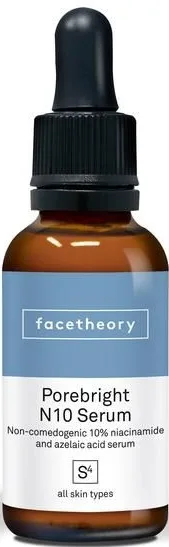




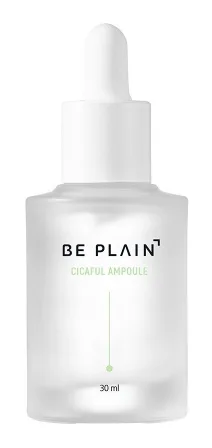

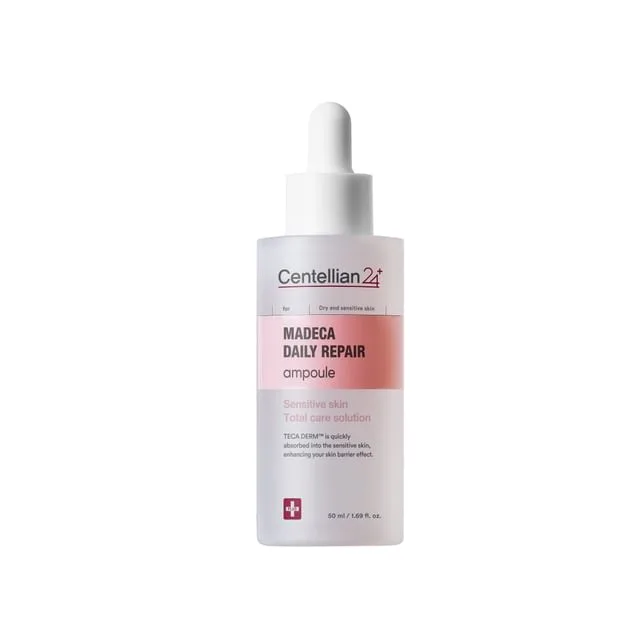


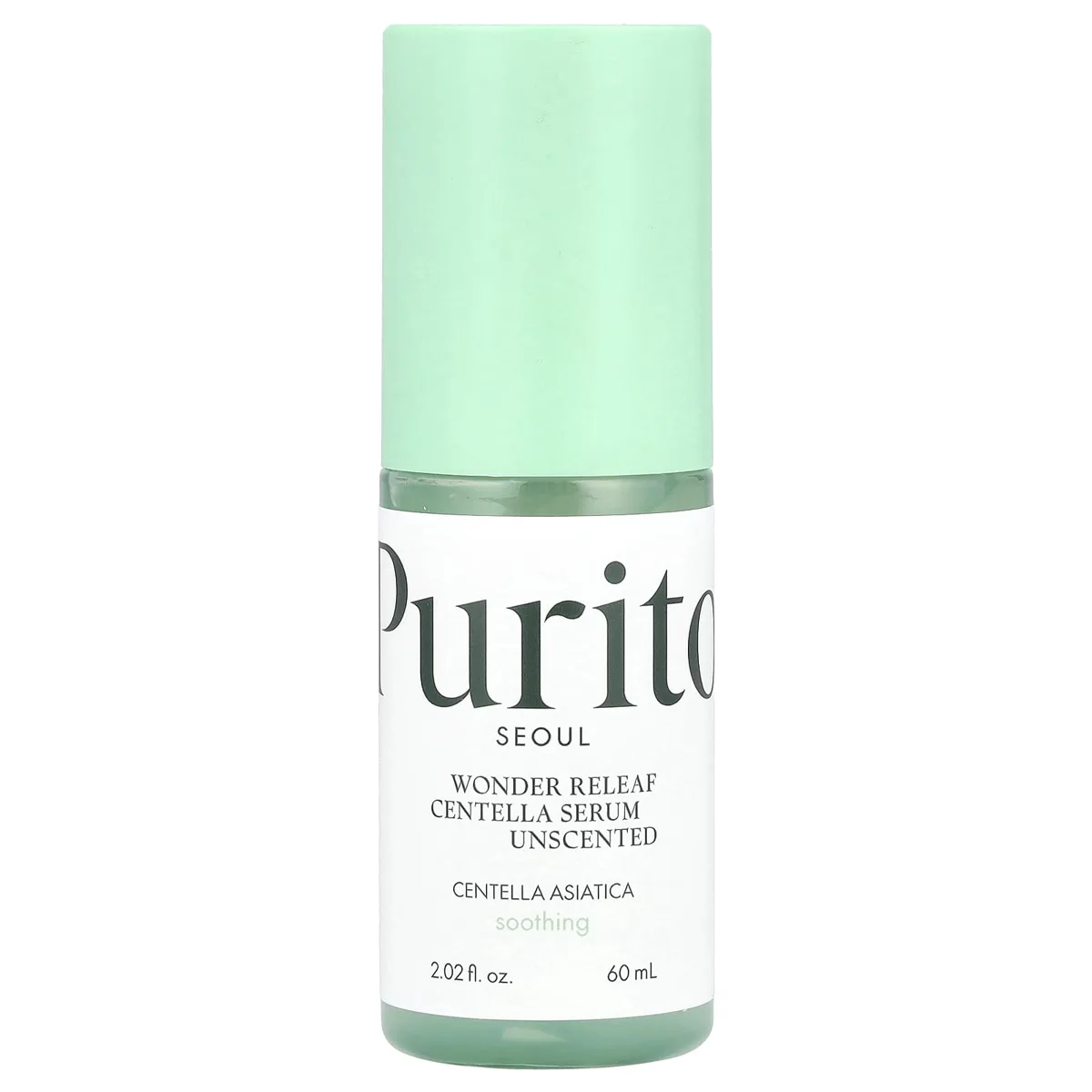




How to Choose
The best serums for redness fall into two camps, and knowing which you need saves you from buying the wrong one: there are calming serums that soothe reactive, flushed skin, and treating serums that actively reduce inflammatory redness like rosacea. Most people reach for the calming kind — centella, panthenol, niacinamide, beta-glucan — and for general reactivity or a compromised barrier, that's exactly right; SKIN1004's Hyalu-Cica Blue Serum ($16), Some By Mi's Vitamin B5 Calming Serum ($20), and Purito's fragrance-free Centella ($16) all excel at dialing down a touchy complexion.
But if your redness is true rosacea, the most evidence-backed serum active is azelaic acid, which has genuine anti-inflammatory and anti-redness data behind it — SKIN1004's Azelaic Acid 10 Ampoule ($24) is a smart, gentle way to use it. Niacinamide bridges both camps, strengthening the barrier while modestly improving tone. What to look for: a soothing complex for reactivity or azelaic acid for persistent rosacea redness, always in a fragrance-free base, since fragrance is a top trigger. The honest caveat: a serum can meaningfully reduce diffuse flushing and reactivity, but it won't erase visible broken capillaries, which need laser or IPL, and moderate-to-severe rosacea warrants a dermatologist. Pair whichever you choose with a mineral sunscreen, as some chemical filters and heat provoke flares. At $13 to $109, the affordable calming and azelaic options here genuinely hold their own.
Buying Guide
Match the serum to your kind of redness. If your skin is generally reactive, flushed, or barrier-compromised, a calming serum built on centella, panthenol, niacinamide, or beta-glucan will soothe and reinforce the skin so it flares less. If your redness is persistent rosacea, look instead for azelaic acid, the active with the strongest evidence for reducing inflammatory redness, ideally in a gentle 10% formula. Niacinamide is a useful common thread, supporting the barrier and tone in either case. A fragrance-free formulation is essential across the board, since fragrance is a frequent trigger, and avoiding essential oils helps too. Texture should be lightweight and comfortable, absorbing without any sting, which would signal irritation. Be clear on limits: serums reduce diffuse redness and reactivity but can't remove visible broken capillaries, which require in-office treatments like laser, and significant rosacea needs medical care. Finally, pair the serum with a mineral sunscreen and a gentle routine, because sun, heat, and harsh products can undo a soothing serum's work. Prices range from about $13 to $109, with effective options well under $25.
Frequently Asked Questions
What's the most effective serum ingredient for rosacea redness?
Azelaic acid has the strongest evidence for reducing inflammatory rosacea redness, with genuine anti-inflammatory action, and a gentle 10% serum is a good way to introduce it. For general reactivity rather than rosacea, calming ingredients like centella, panthenol, and niacinamide are better suited to soothing and strengthening the skin.
Can a serum get rid of facial redness completely?
A serum can significantly reduce diffuse flushing and reactivity, but it can't erase visible broken capillaries, which require treatments like laser or IPL. Persistent or severe redness, especially from rosacea, also benefits from a dermatologist's input alongside a soothing or azelaic acid serum.
Is azelaic acid or centella better for redness?
It depends on the cause: azelaic acid actively treats inflammatory rosacea redness, while centella soothes general reactivity and supports the barrier. Some people use both — a calming centella serum for daily comfort and an azelaic acid serum to target rosacea — since they address redness through different mechanisms.
Will a redness serum sting or irritate sensitive skin?
A well-chosen redness serum should not sting, and a fragrance-free, soothing formula is designed to be comfortable on reactive skin. Azelaic acid can cause mild tingling at first for some people, so introduce it slowly, and avoid serums with fragrance or high alcohol that can aggravate redness.
Should I use sunscreen with a serum for redness?
Yes — sun exposure is a major trigger for facial redness and rosacea flares, so daily sunscreen is essential to protect the progress a soothing serum makes. A mineral sunscreen is often the better choice, since some chemical filters and the heat they can create may provoke flushing in rosacea-prone skin.