Azelaic Acid Routine: The Underrated Multitasker
Updated September 2026 · picks refresh with our database
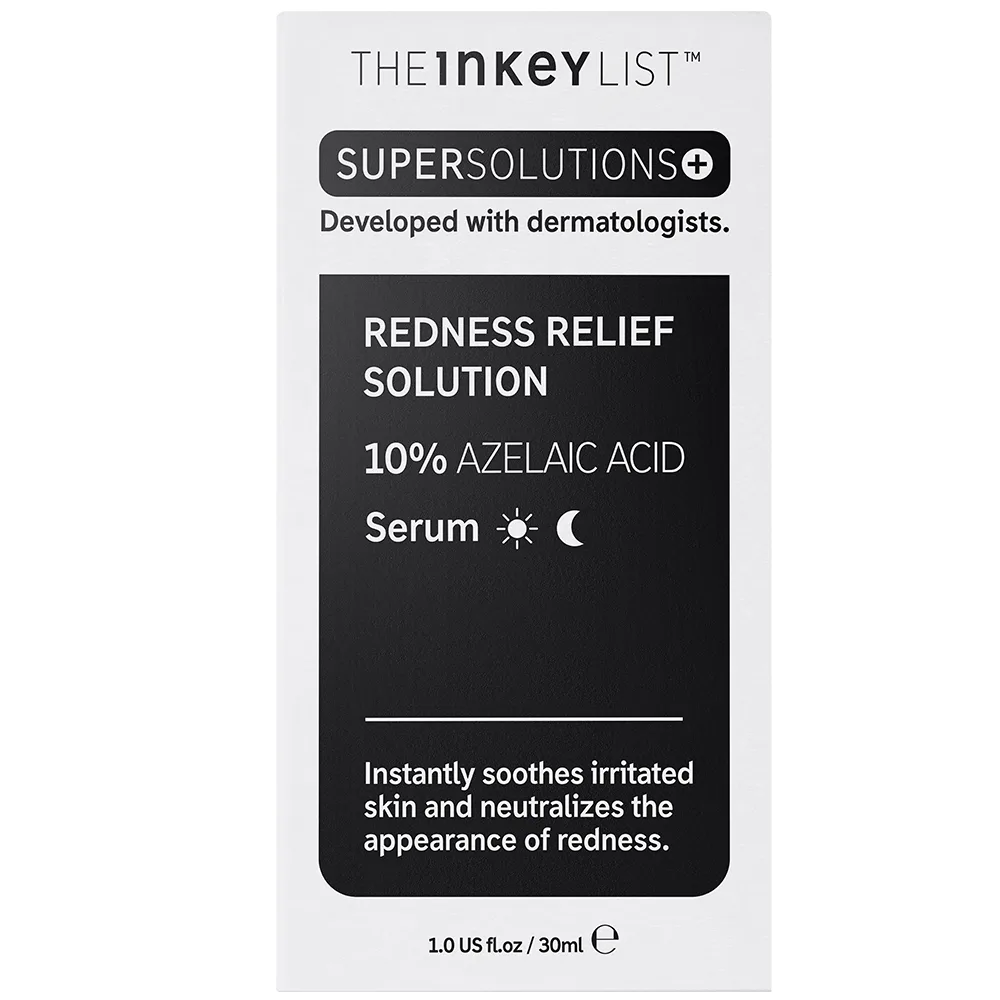
Nobody makes viral videos about azelaic acid, and that's a shame, because few actives cover as much ground with as little drama. Produced naturally by the yeast that lives on everyone's skin, it works three jobs at once: it calms the inflammation behind rosacea flushing and bumps (prescription strengths are an FDA-approved rosacea treatment), it kills acne bacteria and unclogs pores, and it slows the overactive pigment production that leaves dark marks after every blemish. For sensitive skin juggling redness and breakouts simultaneously — a genuinely miserable combination, since most acne treatments inflame rosacea — it is often the single smartest active to build around.
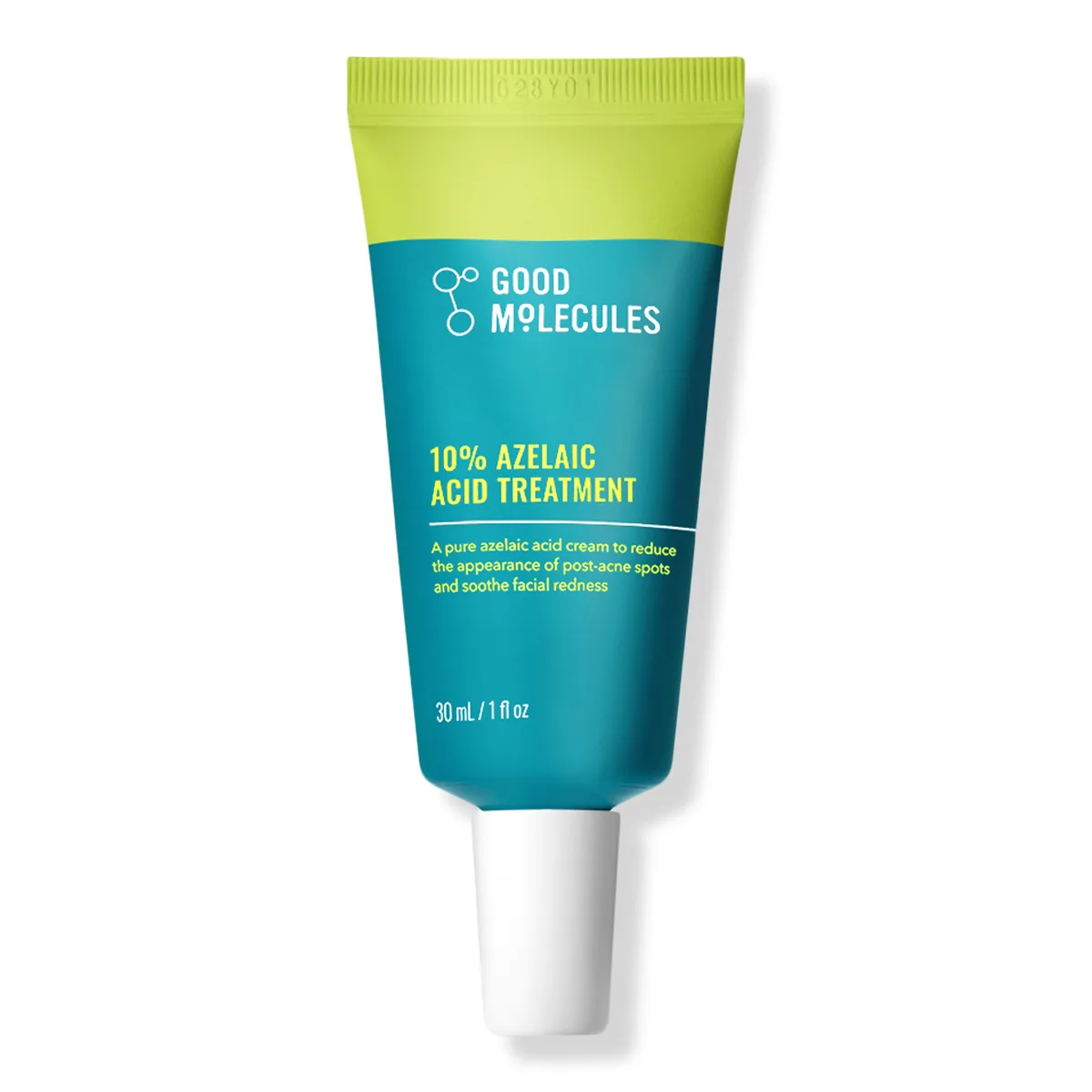
Building around it is refreshingly easy. Azelaic acid doesn't demand the ritual caution of retinoids or exfoliating acids: it doesn't thin the surface layer, doesn't meaningfully increase sun sensitivity, and layers politely with niacinamide, hyaluronic acid, even retinoids on alternating or same nights once skin is acclimated. This routine surrounds it with a barely-there cleanser and a barrier-repair moisturizer, because sensitive, redness-prone skin wins or loses on barrier health. Sunscreen anchors the morning — UV is the most reliable rosacea trigger there is, and it darkens every post-blemish mark.
It deserves one more headline: azelaic acid is the standout active for pregnancy. When retinoids and salicylic acid come off the table, it remains — widely considered safe throughout pregnancy and breastfeeding, and effective enough to hold the line on hormonal breakouts and melasma alone. Expect a faint tingle or itch the first week or two, visible calming of bumps by week four, and pigment improvement on the slower eight-to-twelve-week clock.
Azelaic Acid Routine: The Underrated Multitasker
dermapproved.com/routines/azelaic-acid/ · September 2026
Morning Routine




Sunscreen
Neutrogena
Neutrogena Sheer Zinc Face Dry-Touch Sunscreen SPF 50
Final morning step — apply generously and reapply every two hours in direct sun.


Evening Routine
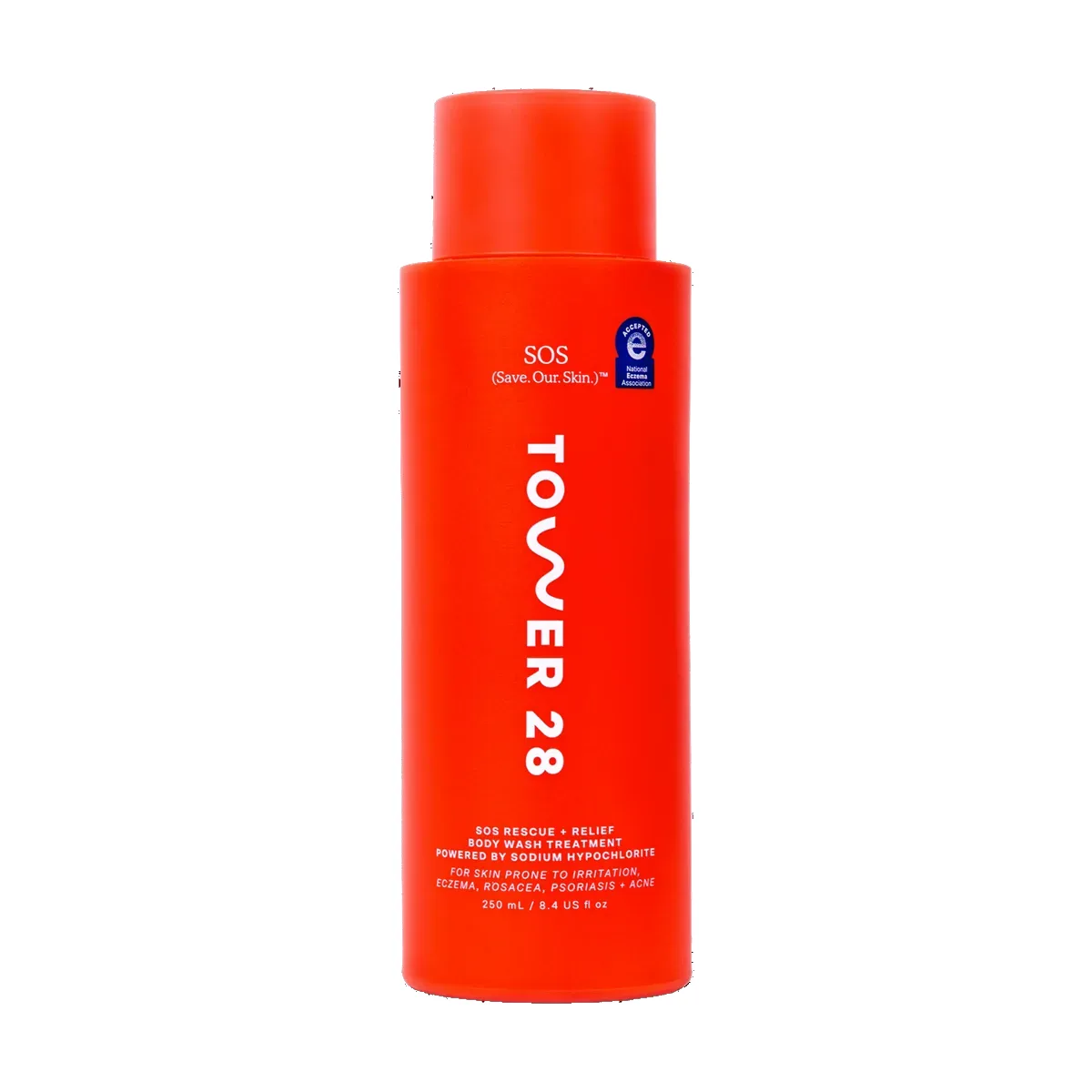
Cleanser Tower 28 SOS Rescue + Relief Body Wash — same as your morning cleanser



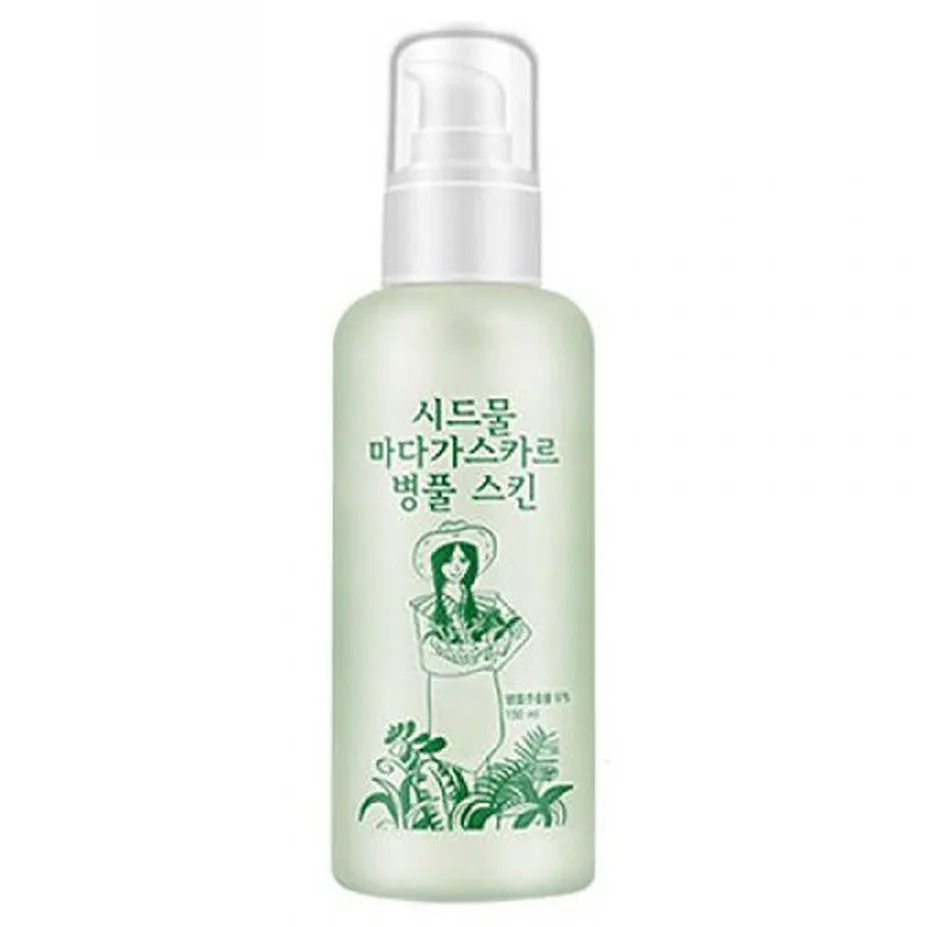
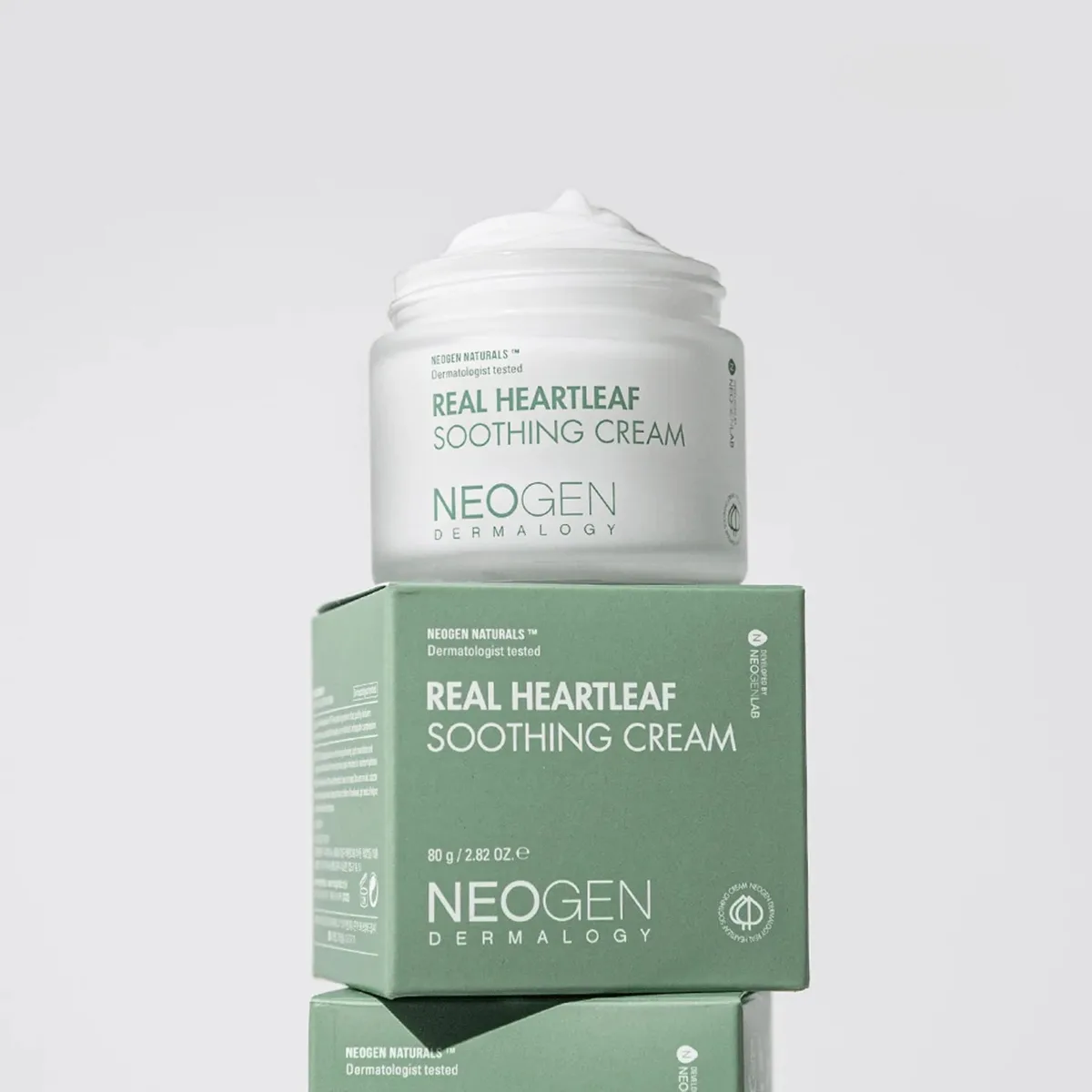
Moisturizer Anua Heartleaf 70% Daily Relief Lotion — same as your morning moisturizer
Independently scored, no sponsored placements — dermapproved.com
Not quite your skin?
This routine is one profile. Answer six quick questions and our engine rebuilds it around your exact skin type, concerns, budget, and experience with actives.
Frequently Asked Questions
Is azelaic acid good for both rosacea and acne at the same time?
Yes — that dual action is its signature strength. It reduces the inflammatory response driving rosacea papules while also killing acne bacteria and normalizing pore-clogging keratin. For people whose acne treatments keep triggering rosacea flares, it's frequently the compromise-free option.
Can you use azelaic acid every day?
Yes, once skin has adjusted — unlike exfoliating acids, it doesn't strip the surface, so daily or even twice-daily use is standard. Start once a day for the first week; a transient itch or tingle in early use is common and typically fades. Twice daily is how the clinical studies dosed it.
Is azelaic acid safe during pregnancy and breastfeeding?
It's one of the few actives with a broad clinical consensus of safety in both — which is why dermatologists reach for it when retinoids and high-dose salicylic acid are paused. As with anything used during pregnancy, mention it to your OB or midwife, but it's the standard recommendation.
What can I layer with azelaic acid without irritation?
Almost anything. Niacinamide and azelaic acid are a well-matched pair for redness and pigment; hydrating serums layer under it without issue; and it can share a routine with retinoids or benzoyl peroxide, ideally at different times of day while you're getting started. There's no notorious bad pairing.
How long does azelaic acid take to fade dark spots and redness?
Inflammatory improvements come first — expect calmer bumps and less reactive redness within four weeks. Pigment is slower biology: post-acne marks and melasma typically need eight to twelve weeks of consistent use, with daily sunscreen doing half the work by preventing re-darkening.
Products are selected by our matching engine from independently scored reviews — no sponsored placements. Recommendations are not a substitute for professional dermatological advice; if you have a diagnosed skin condition, consult your dermatologist before starting a new routine.