Best Skincare for Teens
Updated September 2026 · independently researched, no sponsored placements
Our top 36 picks, ranked from 1090 reviewed products — ordered by each product's acne verdict, then evidence strength.















How to Choose
The best skincare for teens does the most with the fewest products — because teenage skin, with its hormone-driven oil and breakouts, gets worse, not better, when it's bombarded with ten harsh actives. Adolescence cranks up sebum, which clogs pores and feeds acne-causing bacteria and inflammation, so the instinct is to attack with the strongest scrubs and astringents available.
That instinct backfires: over-stripping triggers more oil and a damaged barrier, turning a manageable breakout into red, peeling, irritated skin. The winning approach is gentle, consistent, and short — a non-stripping cleanser, one proven acne active, a light moisturizer, and sunscreen. For the active, the teen-friendly heavy hitters are salicylic acid (gets into pores), benzoyl peroxide (kills acne bacteria), azelaic acid, and niacinamide, which calms oil and redness with very little irritation; Tunemakers' undiluted niacinamide ($17) and the gentle Geek & Gorgeous azelaic pad serum ($11) are easy, affordable starting points. Sunscreen matters more than teens expect, especially since acne actives increase sun sensitivity — an acne-friendly SPF like La Roche-Posay Anthelios UV Clear ($40) does double duty. The trap is the viral 12-step "shelf" and abrasive apricot scrubs that wreck young skin. The honest caveat: consistency beats intensity every time, and most acne takes 8–12 weeks to respond, so patience is the real active ingredient. And if breakouts are severe, cystic, or scarring, that's a dermatologist visit, not a stronger cleanser.
Buying Guide
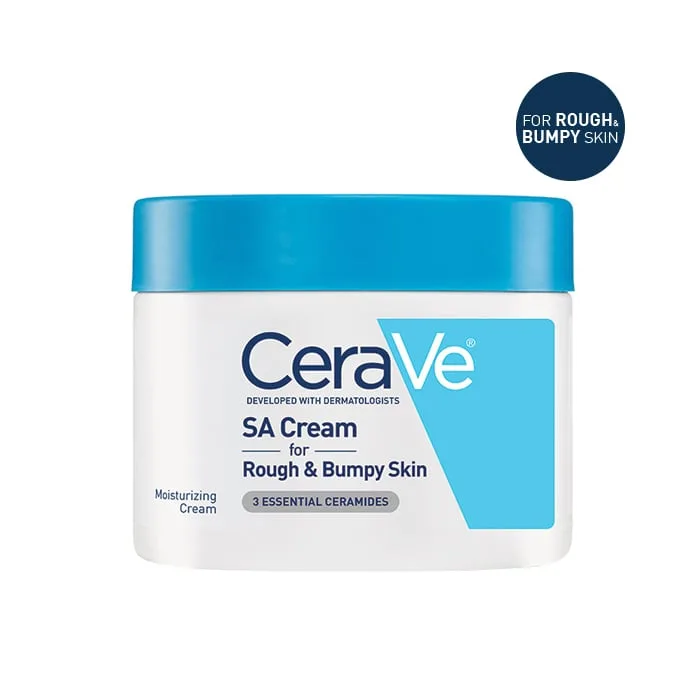
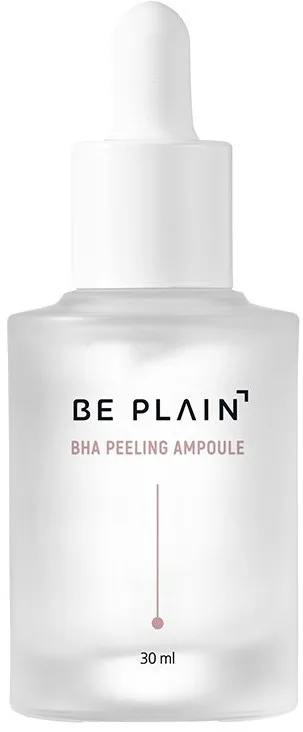
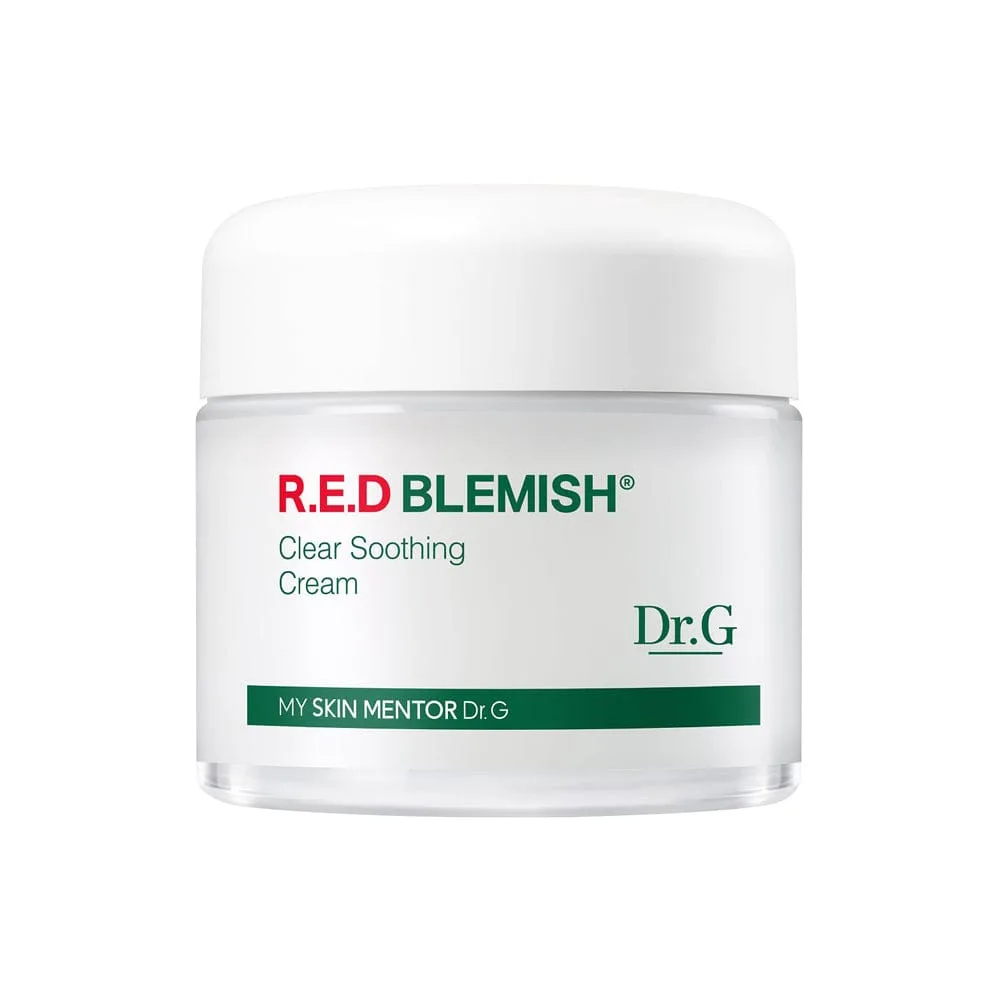
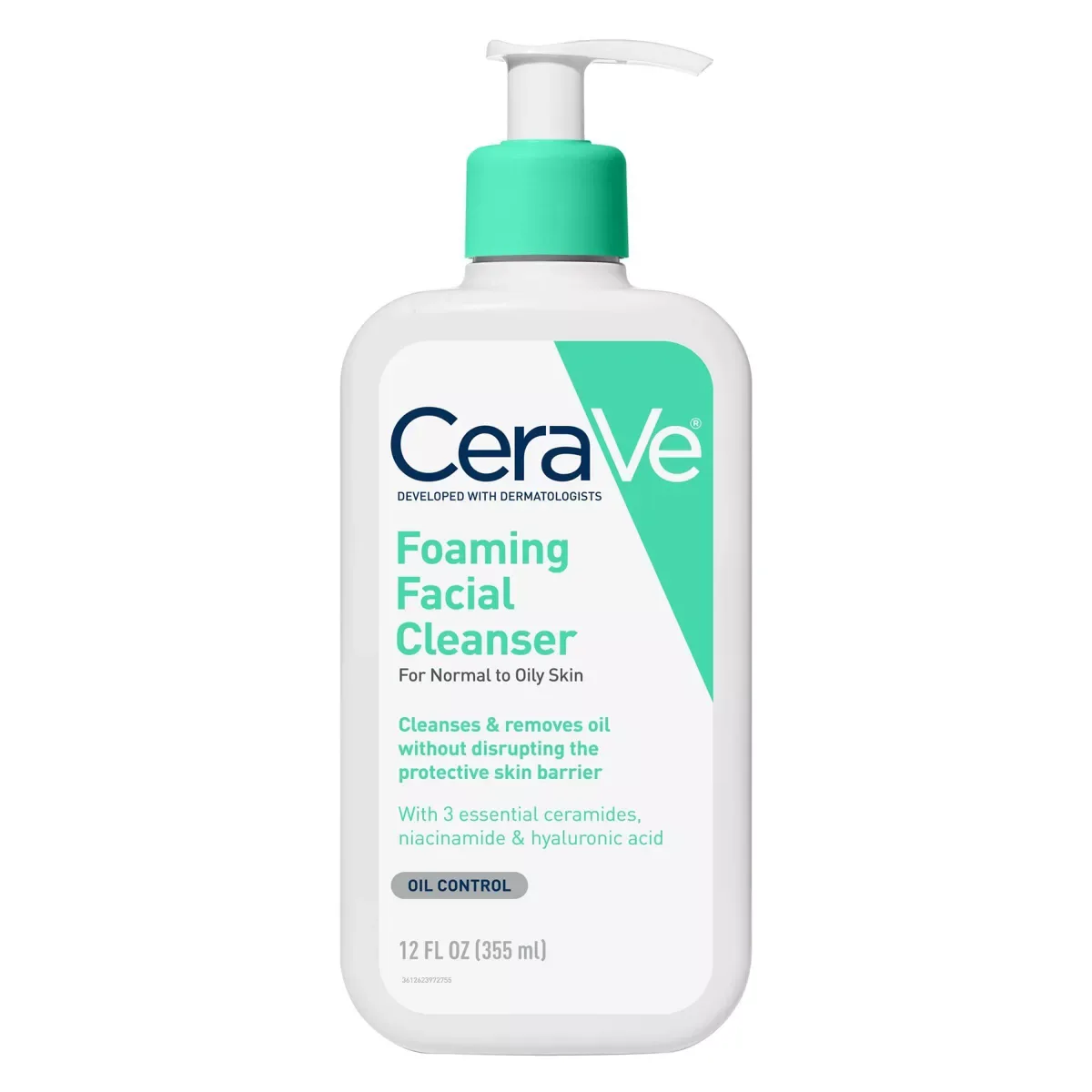
Keep the lineup to four steps and choose gentle versions of each. Cleanser: a mild, pH-balanced wash, ideally with a low dose of salicylic acid or niacinamide, used twice daily — never a gritty physical scrub, which inflames acne. Treatment: pick one active and stick with it, since stacking several at once causes the irritation teens most often quit over; salicylic acid suits clogged pores and blackheads, benzoyl peroxide targets inflamed pimples, and niacinamide or azelaic acid are the gentlest entry points for oil and redness. Moisturizer: yes, even oily acne-prone skin needs a lightweight, non-comedogenic one, because stripped skin overproduces oil. Sunscreen: non-negotiable, especially alongside acne actives that raise sun sensitivity — a lightweight, non-comedogenic SPF 30+ is ideal. Avoid alcohol-heavy astringents, fragrance-loaded "refreshing" products, and the temptation to copy elaborate adult routines from social media. Price should stay low: excellent teen options run $6–$25, and most of the best picks are under $20, so there's no need for expensive serums when consistency with the basics is what clears skin.
Frequently Asked Questions
What should a teenager's basic skincare routine look like?
Four steps cover it: a gentle cleanser morning and night, one acne treatment (like salicylic acid, benzoyl peroxide, or niacinamide), a lightweight non-comedogenic moisturizer, and a daily sunscreen. That's enough to manage most teen acne and oiliness without overwhelming the skin. Adding more products usually increases irritation rather than results.
Should teens with oily, acne-prone skin still use moisturizer?
Yes — skipping moisturizer on oily skin backfires, because stripped skin compensates by producing even more oil, and acne treatments can leave skin dry and irritated. A lightweight, non-comedogenic, oil-free moisturizer hydrates without clogging pores. It actually helps acne treatments work better by keeping the skin barrier intact.
Is it bad for teens to use lots of skincare products or strong actives?
It can be — layering many actives or using harsh scrubs and high-strength acids often damages young skin's barrier, causing redness, peeling, and more breakouts. Teen skin responds best to one gentle, consistent acne active rather than an aggressive multi-step routine. Start low and slow, and give any product 8 to 12 weeks before judging it.
When should a teen see a dermatologist about acne?
If acne is severe, painful and cystic, leaving scars, or simply not improving after a few months of consistent over-the-counter care, it's time to see a dermatologist. Prescription options can prevent the permanent scarring that stubborn teen acne sometimes causes. Persistent acne is a medical issue, not a sign you just need to scrub harder.