Best Centella for Sensitivity
Updated September 2026 · independently researched, no sponsored placements
Our top 38 picks, ranked from 627 reviewed products — ordered by each product's sensitivity verdict, then evidence strength.
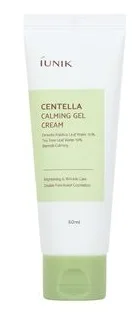



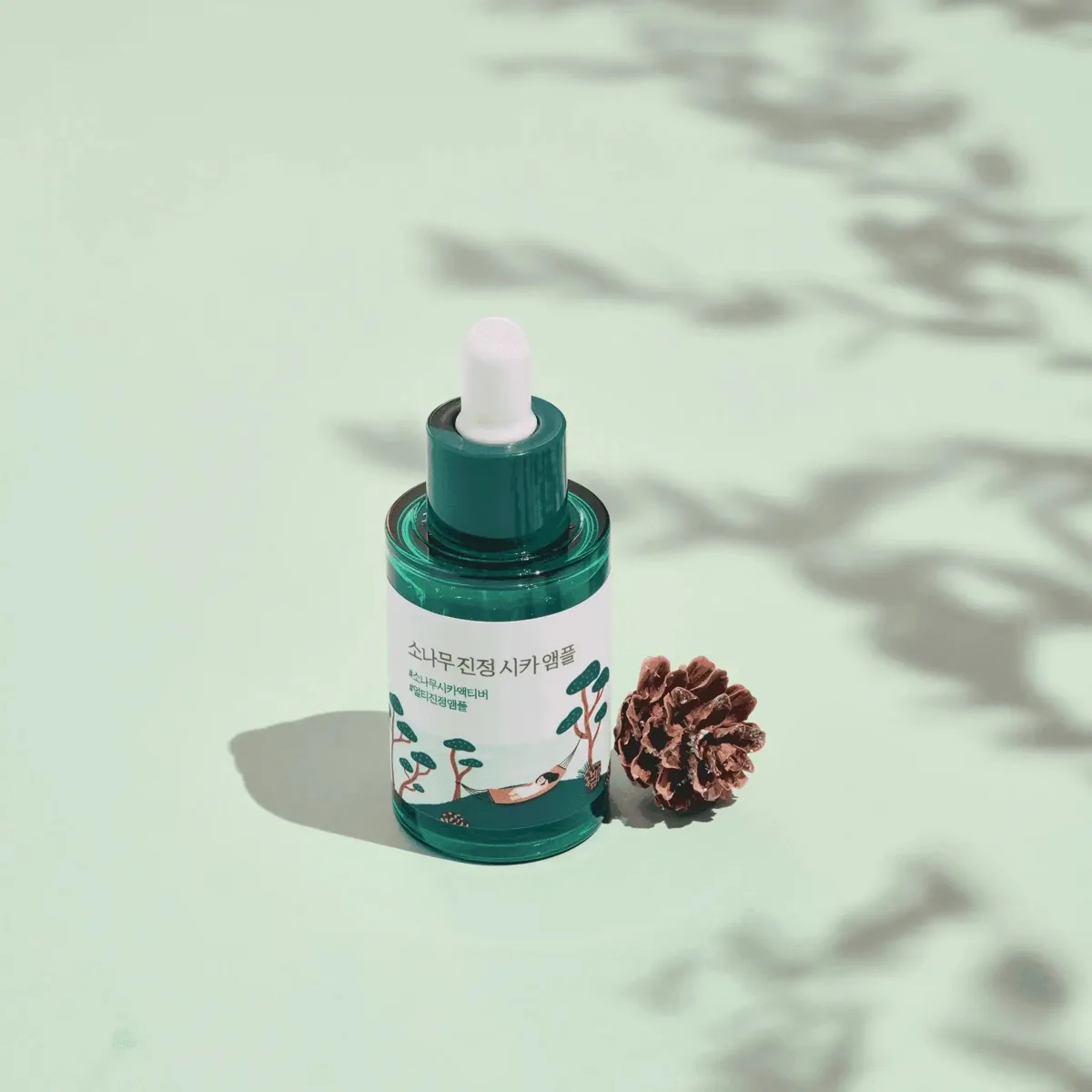
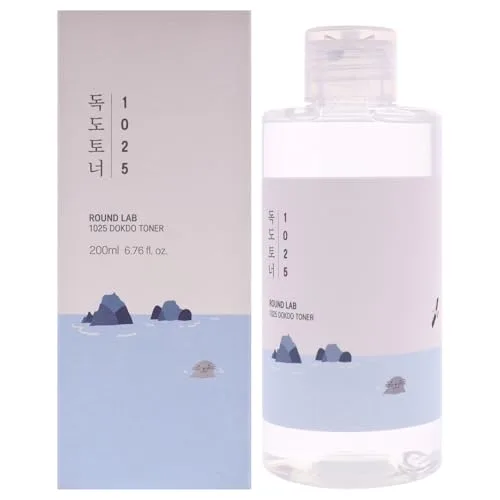
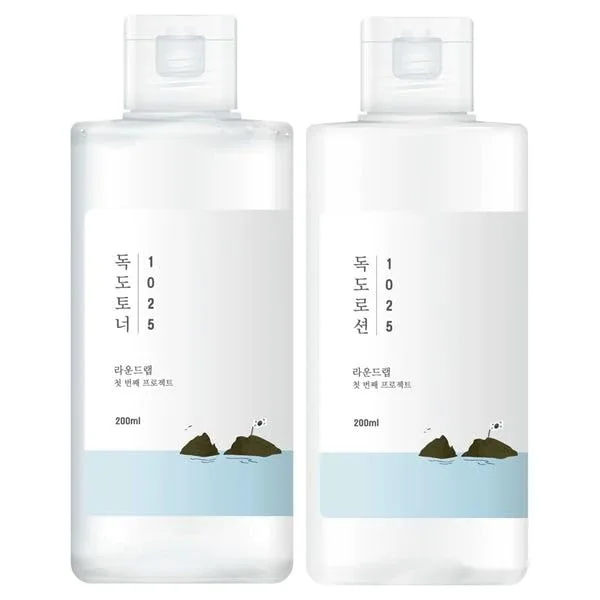










How to Choose
" Centella asiatica, the herb behind the K-beauty "cica" craze, has earned its sensitive-skin reputation honestly: its key compounds — madecassoside, asiaticoside, asiatic and madecassic acids, collectively called madecassosides or triterpenes — have genuine anti-inflammatory and wound-healing activity, with a long history of use on irritated, compromised skin. For a reactive face that flushes, stings, and overreacts to seemingly everything, that soothing-plus-barrier-support combination is exactly the brief.
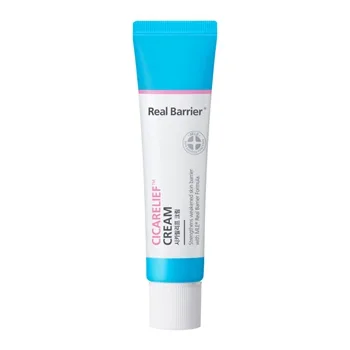
The signal to look for is centella high on the ingredient list, ideally alongside barrier and comfort partners like panthenol, ceramides, and hyaluronic acid — the formula behind standouts like SKIN1004's Hyalu-Cica Blue Serum ($16), Benton's Goodbye Redness Centella Gel ($22), and Atopalm's Cicarelief Cream ($28). What to be wary of: "cica" marketing where centella sits near the bottom of the list doing little, and "soothing" products that undercut themselves with added fragrance or essential oils — a needless irritant on sensitive skin. The honest caveat: centella is wonderfully calming, but it's a supportive soother, not a cure. It can quiet the redness of a flare or buffer an active, but it won't treat the underlying cause of rosacea, eczema, or persistent reactivity — and since it's a botanical, a small minority of very sensitive people do react to it, so patch test first. At $14 to $38, the best cica options are affordable and overwhelmingly Korean.
Buying Guide
When choosing a centella product for sensitive skin, position on the ingredient list tells you more than the word "cica" on the front. You want centella asiatica extract (or its isolated madecassoside/asiaticoside compounds) ranked high enough to actually contribute, ideally paired with calming, barrier-supporting ingredients — panthenol, ceramides, allantoin, and hyaluronic acid all amplify the soothing effect. Match the format to your need: a lightweight serum or gel like SKIN1004's or Benton's layers easily and suits daytime calming, while a richer cica cream like Atopalm's is better for very dry, compromised, or flaking skin. The non-negotiable for reactive skin is a short, clean ingredient list — go fragrance-free and skip essential oils, since those are common triggers that work against the soothing you're after. Be skeptical of products leaning hard on "cica" branding while burying the centella near preservatives at the bottom. And because even gentle botanicals can occasionally provoke very sensitive skin, patch test a new product on your inner arm or jaw for a few days before applying it all over. Effective options run $14–$28, so there's no need to overspend.
Frequently Asked Questions
What does centella asiatica do for sensitive skin?
Centella asiatica contains compounds — madecassoside, asiaticoside, and related triterpenes — with anti-inflammatory and wound-healing properties that calm redness, soothe irritation, and support barrier repair. That makes it well suited to reactive, easily-flushed skin and to buffering stronger actives. It works as a comforting, barrier-strengthening ingredient rather than a treatment for any specific condition.
Is centella (cica) good for rosacea or eczema?
Centella can help soothe the redness and irritation that accompany rosacea or eczema and support the barrier, which is why it appears in many products aimed at reactive skin. However, it's a supportive soother, not a medical treatment — it won't address the underlying cause of those conditions. Use it to calm and protect, but rely on a dermatologist's plan for managing the condition itself.
Can centella asiatica cause irritation or breakouts?
Centella is well tolerated by most people, but because it's a plant extract, a small minority with very sensitive skin can react to it. It's generally low on the comedogenic scale, so breakouts are uncommon and more often traced to other ingredients (like heavy oils or fragrance) in the same formula. Patch testing a new cica product for a few days is the safest way to check.
How can I tell if a 'cica' product actually has enough centella?
Check the ingredient list rather than the marketing — centella asiatica extract (or named compounds like madecassoside and asiaticoside) should appear reasonably high up, not buried near the preservatives at the bottom. Products that ride the "cica" trend with only a trace amount won't deliver much soothing. Pairing with panthenol, ceramides, or allantoin is a good sign the formula is genuinely built for calming.