
The Truth About Pore Strips, Pore Vacuums, and 'Shrinking' Your Pores
You cannot shrink a pore. But you can change how visible it is — and almost everything sold to 'minimize' pores is pulling the wrong lever.
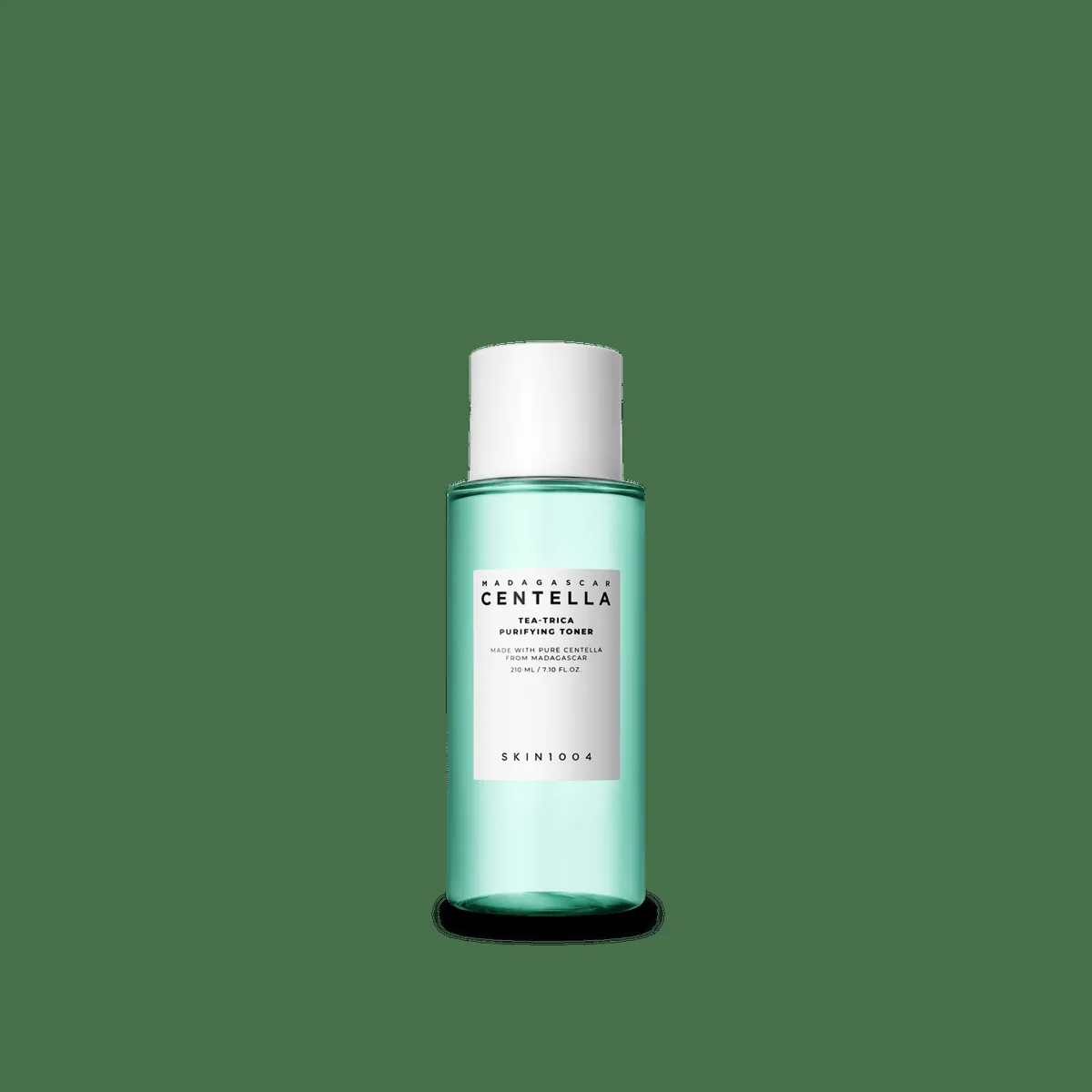
Most K-beauty BHA toners use betaine salicylate but stop there. This one layers it with a three-form tea tree complex, the full centella triterpene panel, niacinamide at meaningful concentration, and zinc PCA — turning a straightforward BHA toner into a multi-mechanism acne toner where the actives actually support each other.
A well-built daily BHA toner that uses betaine salicylate as its engine and surrounds it with tea tree, centella, niacinamide, and zinc. Less sting than Western salicylic acid toners, more staying power than a typical hydrating K-beauty essence.
Note: This liquid launched in 2024 and scoring draws on ingredient analysis and the well-documented evidence base for betaine salicylate in Korean acne formulations. We'll revisit as more independent reviews accumulate.
The case for it
Cautions: fragrance.
What would change this: A declared concentration would move this to a firmer reading of the dose.
Same rule for everyone. “Promising” is the verdict on 7,858 of 45,024 concern verdicts across the catalog; rule R9p decided 7,858 of them. Unchanged since September 5, 2026, engine 5.1.1.
Brand or formulator? Disclose a concentration or correct a fact →
The studies behind the evidence row
The case for it
What would change this: Guideline or regulatory standing for the active on this concern would move this from a promising bet to a recommendation.
Same rule for everyone. “Promising” is the verdict on 7,858 of 45,024 concern verdicts across the catalog; rule R9p decided 7,858 of them. Unchanged since September 5, 2026, engine 5.1.1.
Brand or formulator? Disclose a concentration or correct a fact →
The studies behind the evidence row
The case for it
What would change this: A concentration inside the studied range would raise this a step.
Same rule for everyone. “Unproven” is the verdict on 1,111 of 45,024 concern verdicts across the catalog; rule R9 decided 1,111 of them. Unchanged since September 5, 2026, engine 5.1.1.
Brand or formulator? Disclose a concentration or correct a fact →
The studies behind the evidence row
Also listed for Blackheads, Rough Texture and Dullness — the actives here (Centella Asiatica, Niacinamide, Betaine Salicylate, Zinc) are in our research queue for those concerns; there is no verdict until their evidence rows are written. That is a gap in our table, not a mark against the product.
Does the jobDoes what a toner is for: not alcohol-driven, adds something real. Not measured from the label: restores skin pH, plays well with what follows.
A verdict is DermApproved’s assessment of how well a product’s ingredients fit a concern — never a claim about what the product treats. Evidence dots and collected reviews sit beside it and are never blended in. Rules 0.5.1 · evidence table ev-2026.09-r228 · how we decide
There's an interesting regulatory wrinkle sitting at the center of this toner that most users will never notice, and it's worth explaining because it shapes how the whole formula works. In the European Union, salicylic acid has a strict leave-on concentration cap that limits how much most toners can carry before they become a pharmacy product. Korean formulation traditions, meanwhile, lean on a family of salicylic acid derivatives — betaine salicylate being the most popular — that aren't subject to the same cap and can be used at concentrations up to about 4%. On skin, betaine salicylate converts to free salicylic acid, delivering roughly the effect of a 0.5% traditional salicylic acid toner, but with less surface sting because the release is slower. That's why Korean BHA toners can feel so much gentler than their Western equivalents while still producing real pore-clearing results — and it's the reason this toner exists. It also settles the reflexive worry that the derivative is somehow the 'weak' version: the chemistry is a slow-release delivery of the same molecule, not a dilution of it.
SKIN1004 built the Tea-Trica Purifying Toner around exactly that mechanism. Betaine salicylate sits high on the INCI, pH is low (around 4.5, the sweet spot for BHA activity), and the rest of the formula is designed to support the BHA rather than fight it. Tea tree leaf water and leaf extract provide antimicrobial activity against acne-causing bacteria, drawing on the well-established evidence base for tea tree in mild-to-moderate inflammatory acne. Unlike the Tea-Trica B5 Cream, this toner doesn't use tea tree essential oil directly — only the water and extract forms — which is a sensible call in a daily-use leave-on product where the essential oil would be too irritating alongside the BHA.
The centella triterpene panel is doing its usual job. All four actives — madecassoside, asiaticoside, asiatic acid, and madecassic acid — show up on the INCI, and they're here specifically to keep the BHA and tea tree from turning a useful toner into a reactive mess. This is a pattern SKIN1004 seems to use consistently across the Tea-Trica line — fitting for a brand that built its entire 2016 debut around Madagascar-grown centella: take an aggressive actives stack, wrap it in cica, and rely on the anti-inflammatory layer to make the product tolerable daily. It's a smart approach, and it's the main reason this toner can be used morning and night where a pure BHA toner often can't.
Niacinamide sits high enough on the INCI to be in the 2-5% range, which is meaningful. It's doing triple duty — sebum regulation, post-inflammatory hyperpigmentation support, and additional barrier backup — and it's the active that makes this toner useful even on days when you're not actively breaking out. Zinc PCA rounds out the oil-control side, and the quieter reaches of the list carry houttuynia and purslane extracts, panthenol, hyaluronate, and allantoin as a soothing-hydrating undercurrent. The result is a toner that's genuinely multi-mechanism: a BHA, an antimicrobial, a sebum regulator, a calming layer, and a post-mark treatment, all in one bottle.
On skin, the texture is lightweight and slightly slippy — typical K-beauty essence-toner feel rather than the watery splash of a Western exfoliating toner. It absorbs quickly, doesn't leave residue, and doesn't tingle unless your skin is genuinely compromised. Palms-pressed or swept on with a pad, it slots in right after cleansing; if strong AHAs or high-strength retinol are in your rotation, alternate nights rather than stacking, and keep morning sunscreen non-negotiable since any BHA mildly raises sun sensitivity. For oily and combination skin, daily use is comfortable. For normal skin, every-other-day use during active breakout periods is probably the right cadence. For dry or sensitive skin, this toner is overpowered, and the gentler Probio-Cica Essence Toner from the same brand is a much better fit.
Honest limitations: this isn't pregnancy-safe because of the betaine salicylate, and it isn't strictly fungal acne safe because of the PEG-40 hydrogenated castor oil. It's also not strong enough to replace a dedicated treatment-strength BHA serum for moderate or severe acne — it's a daily maintenance toner, not a heavy-hitter. And while the fragrance-free base means most people won't notice any scent, there's a faint herbal note from the tea tree leaf water that some users find pleasant and others find medicinal. The bottle itself is a plain screw-cap affair, which works fine with a cotton pad and less well for palm-pouring in a hurry. Being a 2024 launch, the review base is still modest — a few hundred ratings so far — but early feedback tracks the formula's design closely: no sting, visibly smoother pores within a week or two, and the predictable notes that it's too much for sensitive skin and not enough for severe acne.
At around $24 for 210ml — two to three months of twice-daily use — this is an excellent value. That's cheaper per milliliter than most Western BHA toners, and the ingredient density is higher than what the big Western exfoliating-toner names offer at similar pricing. For oily or combination skin looking for a daily-use BHA toner that won't sting them out of consistency, this is one of the better K-beauty options available — and it sits naturally alongside the Tea-Trica B5 Cream if you want to build a full SKIN1004 acne routine.
The hero actives that drive this product's performance.
| Ingredient | Function | Evidence |
|---|---|---|
| Betaine Salicylate (likely ~4% (delivering ~0.5% salicylic acid equivalent)) | A gentler cousin of salicylic acid that's allowed at higher concentrations in Korean formulations — delivers pore-clearing BHA activity with less sting than traditional salicylic acid toners. | Not yet assessed |
| Tea Tree Leaf Water & Extract | A water-and-extract delivery that provides antimicrobial activity against acne bacteria without the irritation risk of tea tree oil in a leave-on toner. | Not yet assessed |
| Centella Asiatica Full Triterpene Panel | The calming counterweight to the BHA and tea tree actives — essential for making a daily-use acne toner tolerable on reactive or already-stressed skin. | Not yet assessed |
| Niacinamide (likely 2-5%) | Sits high on the INCI to address sebum, post-inflammatory marks, and barrier support — a core 'anti-acne multitasker' that also buffers the BHA. | Limited for Acne |
| Zinc PCA | Supports sebum regulation and subtly balances the oily skin this toner is built for. | Limited for Acne |
Ingredient standings describe the active at treatment-level doses and vehicles; this product's own condition grades weigh its actual formula.
Centella Asiatica Leaf Water, Melaleuca Alternifolia (Tea Tree) Leaf Water, Propanediol, Glycerin, Niacinamide, Betaine Salicylate, 1,2-Hexanediol, Pentylene Glycol, Melaleuca Alternifolia (Tea Tree) Leaf Extract, Centella Asiatica Extract, Madecassoside, Asiaticoside, Asiatic Acid, Madecassic Acid, Panthenol, Sodium Hyaluronate, Zinc PCA, Houttuynia Cordata Extract, Portulaca Oleracea Extract, Allantoin, PEG-40 Hydrogenated Castor Oil, Arginine, Tromethamine, Carbomer, Ethylhexylglycerin, Disodium EDTA
toner
AM & PM
Apply after cleansing with a cotton pad or by hand. If using with other exfoliants, alternate rather than stacking.
Immediate pore-feeling improvement. Breakout reduction in 2-3 weeks. Full tone and texture benefits by 6-8 weeks.
Betaine salicylate is a salicylic acid derivative — an ester of salicylic acid and betaine — that slowly releases free salicylic acid on skin. Research in Korean dermatology literature has supported its use as a gentler BHA alternative at concentrations up to 4%, with efficacy in comedolytic and anti-inflammatory activity comparable to lower-strength salicylic acid formulations and reduced sensory irritation. Salicylic acid itself has decades of published evidence supporting its activity against acne lesions — it penetrates sebum-filled follicles thanks to its lipophilic character and supports corneocyte turnover. Tea tree (Melaleuca alternifolia) has a well-established antimicrobial evidence base, with clinical trials showing efficacy against Cutibacterium acnes and results comparable to benzoyl peroxide in mild-to-moderate inflammatory acne, though with slower onset. Niacinamide has extensive published data on sebum regulation, post-inflammatory pigmentation, and barrier function at 2-5% concentrations. The centella triterpene panel provides anti-inflammatory activity supported by multiple published studies on madecassoside and asiaticoside. The overall multi-mechanism approach — BHA for pore decongestion, tea tree for antimicrobial action, niacinamide for sebum and marks, centella for inflammation control — is a coherent daily-use strategy for mild-to-moderate acne management.
Dermatologists commonly recommend low-concentration leave-on BHAs as part of maintenance routines for patients with oily skin, blackheads, and mild-to-moderate inflammatory acne. Dermatologists in everyday practice frequently find that gentler BHA derivatives like betaine salicylate can be a useful option for patients who cannot tolerate the sting or dryness of traditional salicylic acid products. This type of toner is typically suggested as a daily support step alongside prescription treatments like topical retinoids or benzoyl peroxide, rather than as a primary acne treatment on its own. Patients with sensitive skin or rosacea are usually advised to use BHA toners less frequently or choose gentler alternatives.
After cleansing, apply the toner to clean skin either by pouring a few drops into the palms and pressing into the face, or onto a reusable cotton pad and sweeping gently across the face, neck, and chest. Follow with serums, moisturizer, and sunscreen in the morning. At night, it layers under treatments like retinol or benzoyl peroxide. Use twice daily for oily and combination skin, or once daily for normal skin. Always follow with sunscreen in the morning — BHAs can mildly increase sun sensitivity.
At around $24 for 210ml, this toner offers strong value within the BHA category. Comparable Western exfoliating toners often run $30-40 for 150ml, and the SKIN1004 formulation carries a denser active list. For daily-use maintenance, the cost-per-use is excellent. A bottle typically lasts 2-3 months at twice-daily application, which is favorable compared to smaller-bottle competitors.
Oily or combination skin with mild-to-moderate breakouts, blackheads, or large pores, especially anyone who has found traditional salicylic acid toners too drying or stinging. Also a good daily-use option for anyone already in the SKIN1004 Tea-Trica line looking to complete the routine.
Dry or sensitive skin, rosacea, and anyone who is pregnant. This one is also wrong for you if you're looking for a treatment-strength BHA for severe acne — this is a daily maintenance product, not a high-concentration serum.
Ready to try SKIN1004 Tea-Trica Purifying Toner?
Buy at Amazon ♥Lightweight liquid toner — slightly slippy
Fragrance-free, faint herbal note from tea tree water
Clear plastic bottle with screw cap
No sting from the betaine salicylate. Pores feel visibly cleaner after the first few days. Full clarity benefits typically in 3-4 weeks.
About 2-3 months per unit applied morning and night
All Year
Betaine salicylate is essentially the K-beauty version of salicylic acid — a gentler amide form that's allowed at higher regulatory concentrations in Korea than straight salicylic acid is in the EU. SKIN1004 used it as the engine of this toner to get BHA-level pore results without the sting that turns users off daily salicylic acid toners.
SKIN1004 launched in 2016 around Madagascar centella and added the Tea-Trica line in 2024 to serve acne-prone customers who still wanted the brand's cica-first formulation philosophy.
Betaine salicylate is weaker than salicylic acid
Betaine salicylate is a salicylic acid derivative that converts to free salicylic acid on skin. At the typical 4% Korean formulation strength, it's approximately equivalent to 0.5% salicylic acid in effect, but with less surface sting because of the slower release.
Both use betaine salicylate as the BHA. The SKIN1004 version is more of a daily-use hydrating toner — it adds tea tree, centella triterpenes, niacinamide, and zinc PCA, and the overall formulation is softer. COSRX is a more direct BHA treatment at a smaller size. Use them for different jobs.
For most oily and combination skin, yes. The betaine salicylate is gentler than straight salicylic acid, and the centella and niacinamide buffer irritation. If you're also using retinol or other strong exfoliants, alternate days rather than stacking.
No — it contains betaine salicylate, which releases salicylic acid on skin. Most dermatologists recommend avoiding leave-on BHAs during pregnancy. Use the Probio-Cica Essence Toner or Madagascar Centella Toning Toner instead.
Not strictly. It contains PEG-40 hydrogenated castor oil, which some strict fungal acne routines exclude. The tea tree and BHA actives are often considered helpful for malassezia, but the formula isn't on standard safe lists.
Yes, but alternate morning and night or separate them by several minutes. Both are low-pH products, so there's no conflict — but layering too many low-pH actives can dry out or irritate sensitive skin.
Recurring themes our editors read across retailer reviews of this product — summaries in our words, not quotations, and not a substitute for your own patch test.
Doesn't sting like traditional BHA toners
Visibly smoother pores within a week
Generous 210ml size
Fragrance-free
Too strong for sensitive skin to use daily
Not as strong as a dedicated BHA serum
PEG ingredient excluded from strict fungal acne routines
Verified answers from our questions library — the nuance a product page cannot carry.