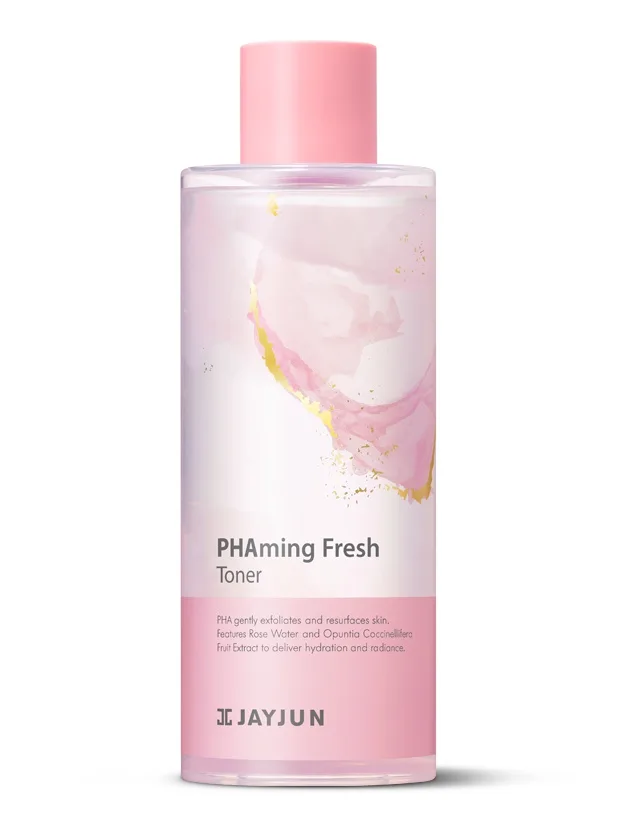
It pairs a mild PHA with tea tree, centella and a hydrating Aquaxyl-style base in a large, affordable bottle, aiming to gently exfoliate, refresh and refine oily, congested skin without the stripping harshness of stronger acid toners.
A large, affordable PHA exfoliating toner that gently smooths texture and refines pores on oily, congested skin while staying hydrating, with tea tree and centella rounding out the refreshing-and-soothing profile. It's labeled fragrance-free of added perfume, but tea tree, rose and geranium oils keep it off the table for truly sensitive skin. For oily skin wanting gentle daily exfoliation, it's good value.
This toner's score draws on its formulation — a gentle PHA with tea tree and a hydrating base, offset by an essential-oil load — alongside a solid base of retailer reviews rather than independent long-term clinical data. Its broader performance and tolerability across skin types over time continue to be established.
Verdicts
How well it fits each concern
Verdict by concern tap a concern for the case
Promisingfor DullnessIn your profileYou chose · Hyaluronic Acid has trial-level evidence for dullness but no guideline or regulatory standing yet — promising, short of a recommendation; the other actives here are not yet assessed for it.Moderate evidenceStandard tolerabilityNo reviews collected yet
The case for it
Hyaluronic Acid & Aquaxyl Complex has trial-level evidence for this concern but no guideline or regulatory standing yet.
It is plausibly present at a working level, though the concentration is not declared.
The formula carries no trigger this concern is sensitive to, with the cautions noted.
What would change this: A declared concentration would move this to a firmer reading of the dose.
Same rule for everyone. “Promising” is the verdict on 7,858 of 45,024 concern verdicts across the catalog; rule R9p decided 7,858 of them.
Unchanged since September 5, 2026, engine 5.1.1.
R9p — 0.5.0: 'Unproven' beside three filled dots read as one question answered twice with opposite words (7,018 rows). The chip measures standing, the dots measure trial volume; where the row carries at least one RCT or a tier-2 source (moderate dots) and the active is present at a working level, the honest word is Promising. Unproven is reserved for plausible-standing rows with limited or weak evidence, or an under-dosed form. Same rank as Unproven — a bet either way; the dots order them. · the full register
Carrying active
Hyaluronic Acid & Aquaxyl Complex
Standing
plausible — trials support it
Form
plausible
Tolerability
standard
Row checked
against its sources on July 17, 2026 (evidence table ev-2026.09-r228)
Also listed for Excess Oiliness, Large Pores, Rough Texture, Blackheads and Acne — the actives here (Centella Asiatica, Gluconolactone, Hyaluronic Acid, Tea Tree Oil) are in our research queue for those concerns; there is no verdict until their evidence rows are written. That is a gap in our table, not a mark against the product.
Does the jobDoes what a toner is for: adds something real, not alcohol-driven. Not measured from the label: restores skin pH, plays well with what follows.
A verdict is DermApproved’s assessment of how well a product’s ingredients fit a concern — never a claim about what the product treats. Evidence dots and collected reviews sit beside it and are never blended in.
Rules 0.5.1 · evidence table ev-2026.09-r228 · how we decide
Assessment
Pros & Cons
Pros
✓ Gentle PHA exfoliation smooths texture without harsh stripping
✓ Good hydration base keeps it from drying the skin
✓ Tea tree adds a fresh, clarifying, oil-balancing note
✓ Centella and panthenol soothe alongside the exfoliation
✓ Large, affordable bottle gives strong value
✓ Vegan-friendly and cruelty-free
Cons
✗ Tea tree, rose and geranium oils can irritate sensitive skin
✗ 'Fragrance-free' label belies a heavy essential-oil load
✗ Not suited to dry, rosacea-prone or reactive skin
✗ Fungal-acne-prone users should approach with caution
Review
Full Review
There's a particular kind of ingredient-label sleight of hand worth understanding, and JAYJUN's PHAming Fresh Toner is a useful case study in it. The product is, broadly, marketed as fragrance-free — it contains no added perfume fragrance, the synthetic 'Fragrance' you'd see at the end of many ingredient lists. And yet it's far from scentless, because it's full of essential oils: tea tree, rose and geranium. 'Free of added fragrance' and 'free of fragrant, potentially-irritating botanicals' are two very different things, and conflating them is how a product can look gentle on a label while carrying real irritation potential. Keep that distinction in mind, and this toner becomes much easier to evaluate honestly.
The core concept is genuinely good. The 'PHA' in the name is gluconolactone, a polyhydroxy acid — the gentlest class of chemical exfoliant. PHAs work on the skin's surface to smooth texture and refine the look of pores, much like AHAs but more mildly, and they bring humectant properties of their own that make them notably more tolerable, particularly on blemish-prone or slightly sensitive skin. Building a daily exfoliating toner around a PHA rather than a strong glycolic or salicylic acid is a sensible, barrier-respecting choice, and it's the right active for a 'gentle exfoliation' pitch.
The supporting cast is sensible too. There's tea tree leaf oil for an antibacterial, blemish-targeting, fresh note suited to oily and congested skin; centella asiatica, houttuynia and panthenol for soothing; and a genuinely good hydration base — multiple hyaluronic acid forms plus the xylitol-derived Aquaxyl-style humectants — that keeps the toner from stripping as it exfoliates. So the formula's logic is coherent: gently exfoliate with PHA, calm with centella, hydrate with hyaluronics, and add tea tree for a clarifying edge. On oily, blemish-prone skin that tolerates it, it does smooth, refresh and refine over consistent use.
But back to those essential oils, because they're the whole catch. Tea tree, rose and geranium oils — plus a little raspberry ketone — carry natural fragrance allergens (limonene, linalool, citronellol, geraniol) and are recognized potential irritants. For resilient, oily skin they're usually fine and contribute the fresh, herbal character many people like. For sensitive, reactive or rosacea-prone skin, though, they're a genuine concern, and the 'no added fragrance' label gives false reassurance. This is not the gentle, fragrance-free PHA toner that someone with truly delicate skin should reach for; it's a gentle exfoliator aimed at oilier, more tolerant skin, with the essential oils as a real consideration.
Using it well follows the standard rules for any exfoliating toner. Start a few times a week rather than daily, especially if you're new to acids, and build up as your skin proves it can handle it. The PHA is mild, but over-exfoliation is still possible, particularly stacked with the essential oils. Avoid pairing it with other strong acids or retinoids on the same night, follow with a good moisturizer, and — because any acid raises sun sensitivity — wear daily sunscreen without fail. Treated that way, the smoothing and pore-refining benefits accrue gently over weeks.
Value is a real strength. The toner comes in a generous 420ml bottle at an affordable price, giving a very low cost per use, with smaller sizes available to trial first. For oily, blemish-prone skin that suits the formula, getting a gentle PHA, tea tree and a good hydration base in that quantity for the money is a strong proposition, and the large format suits a toner you'll use regularly. It's also vegan and cruelty-free.
The 'fragrance-free but full of essential oils' issue deserves a little extra unpacking, because it's one of the most common sources of confusion in skincare shopping, and it trips up well-intentioned people constantly. The word 'Fragrance' on an ingredient list refers specifically to undisclosed fragrance compounds — a brand's proprietary scent blend, hidden behind a single word. When a brand removes that and instead scents a product with named essential oils, it can technically and truthfully claim 'no added fragrance,' even though the product is fragrant and contains the very allergen molecules — limonene, linalool, geraniol — that fragrance-sensitive people react to. The molecules don't care whether they arrived via a synthetic fragrance blend or via rose oil; the skin responds to the compound, not the marketing category. For anyone managing genuine fragrance sensitivity, the only reliable approach is to read the full ingredient list for essential oils and known allergens, not to trust a front-of-pack 'fragrance-free' claim, and this toner is a textbook example of why.
It's also worth noting where PHAs fit in the wider exfoliation landscape, because choosing the right acid for your skin matters more than people assume. The hierarchy runs roughly from gentle to aggressive: PHAs (like the gluconolactone here) are the mildest, working mostly at the surface with bonus humectancy; AHAs like glycolic and lactic acid are stronger and penetrate deeper; BHAs like salicylic acid are oil-soluble and get into pores. Starting with a PHA is the sensible, low-risk entry point into chemical exfoliation, and for many people with reactive or barrier-prone skin it's also the appropriate destination, not just the starting line. This toner's choice of a PHA is therefore genuinely smart for its intended audience — it's the gentlest effective option — which makes the decision to load it with potentially-irritating essential oils all the more puzzling, since it somewhat undermines the gentleness the PHA was chosen to provide.
The verdict lands on skin type and that label nuance. If your skin is oily or combination and blemish-prone, you want gentle daily exfoliation with a fresh, clarifying feel, and your skin tolerates essential oils, this PHAming toner is an effective, good-value choice. If your skin is dry, sensitive or rosacea-prone, don't let the 'fragrance-free' label fool you — the tea tree, rose and geranium oils make this a poor fit, and a genuinely essential-oil-free PHA toner will serve you better. Read past the marketing, match it to the right skin, and it's a solid gentle exfoliator; take the label at face value and sensitive skin could get a nasty surprise.
Formula
Key Ingredients
The hero actives that drive this product's performance.
The gentle polyhydroxy acid the line is named for, it offers mild surface exfoliation with added humectant properties — smoothing texture and refining the look of pores while being more tolerable than stronger acids.
Adds an antibacterial, blemish-targeting and fresh note suited to the toner's pore-refining, oil-balancing aim, though as an essential oil it raises the formula's irritation potential.
Centella with panthenol and houttuynia adds soothing that offsets some of the exfoliation and essential-oil sting, keeping the gentle-exfoliating toner calmer on the skin.
Multiple hyaluronic forms plus the xylitol-derived Aquaxyl-style humectants keep the toner hydrating as it exfoliates, so it refreshes and smooths without stripping.
Plausible mechanismfor Dullness
Ingredient standings describe the active at treatment-level doses and
vehicles; this product's own condition grades weigh its actual formula.
Sweep on after cleansing as a gentle exfoliating prep step; start a few times a week, avoid pairing with other strong acids the same night, and follow with moisturizer and daytime sunscreen.
Results Timeline
Skin feels smoother and looks fresher within one to two weeks; clearer, more refined skin builds over four to eight weeks of consistent, measured use.
The toner's exfoliation rests on a deliberately gentle acid. Gluconolactone, a polyhydroxy acid, exfoliates the stratum corneum surface while acting as a humectant, and has evidence for lower irritation than traditional alpha-hydroxy acids, making it suitable for blemish-prone and mildly sensitive skin. The hydration system is genuinely supportive: multiple hyaluronic acid forms, glycerin, and the xylitol-derived Aquaxyl-style humectants (xylitylglucoside, anhydroxylitol, xylitol) bind and retain water so the toner refreshes without stripping. Centella asiatica, houttuynia cordata and panthenol provide evidence-based soothing. Tea tree (Melaleuca alternifolia) oil contributes documented antimicrobial and anti-inflammatory activity relevant to blemish-prone skin. The significant trade-off is the essential-oil content: tea tree, rose (Rosa damascena) and geranium (Pelargonium graveolens) oils, plus raspberry ketone, carry natural fragrance allergens such as limonene, linalool, citronellol and geraniol, which are recognized irritants — so although the formula adds no synthetic fragrance, it is far from non-irritating for sensitive skin, and the acids additionally raise photosensitivity. The honest scientific read is a well-conceived gentle-exfoliation toner whose benefits are real and whose irritation risk is concentrated in its essential oils.
Dermatologist Perspective
Gentle exfoliating toners built around polyhydroxy acids are generally well regarded in clinical practice for mild blemish-prone and oily skin, since PHAs like gluconolactone exfoliate effectively while being less irritating than stronger acids, and the hydrating base here is a sensible inclusion. Dermatology guidance would caution, however, that the essential-oil content — tea tree, rose and geranium oils carrying natural fragrance allergens — makes this less appropriate for sensitive, rosacea-prone or reactive skin, and that a 'no added fragrance' label should not be read as non-irritating when essential oils are present. Clinicians would advise introducing any acid toner gradually, avoiding simultaneous use with retinoids or other strong exfoliants, and using daily broad-spectrum sunscreen given the increased photosensitivity. For appropriate oily and combination skin using it measuredly, it is considered a reasonable, low-strength exfoliating step rather than a treatment for moderate or severe acne, which warrants professional care.
Guidance
Usage & Recommendations
How to Use
After cleansing, apply the toner to a cotton pad or your palms and sweep or press it gently over the face, avoiding the eye area. Begin a few times a week rather than daily, particularly if you're new to chemical exfoliation, and increase frequency only as your skin tolerates it. Avoid layering it with retinoids or other strong acids in the same routine to prevent over-exfoliation, and always follow with a moisturizer. Because the PHA raises sun sensitivity, daily broad-spectrum sunscreen is essential whenever you use it. If your skin is at all reactive, patch test first because of the tea tree, rose and geranium oils.
Value Assessment
At around nineteen dollars for a large 420ml bottle, this toner offers strong value, giving a low cost per use and several months of regular exfoliating use, with smaller sizes available to trial first. For oily and blemish-prone skin that suits it, getting a gentle PHA, tea tree and a genuinely good hydration base in that quantity for the money is a solid deal, and being vegan and cruelty-free adds appeal. As an established-brand product, the pricing is accessible. The value is real but skin-type-dependent: oily, tolerant skin gets strong worth, while sensitive or dry skin that reacts to the essential oils would find a gentler, essential-oil-free PHA toner the wiser spend despite the appealing size and price.
Who Should Buy
Choose it if you have oily or combination, blemish-prone skin and want gentle daily exfoliation with a fresh, clarifying feel, plus a hydrating base that won't strip — and your skin tolerates essential oils. It's a good-value, large-format option for those easing into PHA exfoliation.
Who Should Skip
Steer clear if your skin is dry, sensitive, rosacea-prone or reactive, since the tea tree, rose and geranium oils carry real irritation potential despite the 'fragrance-free' label. Anyone wanting a genuinely essential-oil-free PHA toner, or unwilling to commit to daily sunscreen, should look elsewhere.
A watery, lightly slippery toner that spreads easily and absorbs fast with a fresh, lightly herbal finish.
Scent
No added perfume fragrance, but a natural herbal-rosy-tea-tree scent from the essential oils, fading as it absorbs.
Packaging
A large 420ml bottle, with smaller sizes available; functional and economical for daily exfoliating use.
Finish
lightweightfast-absorbingnon-greasy
What to Expect on First Use
The first use feels cool and refreshing with a herbal scent; the PHA is gentle, but those new to acids should ease in to avoid over-exfoliation, and reactive skin should patch test for the essential oils.
How Long It Lasts
Around 3-4 months of regular, several-times-weekly use from the large 420ml bottle.
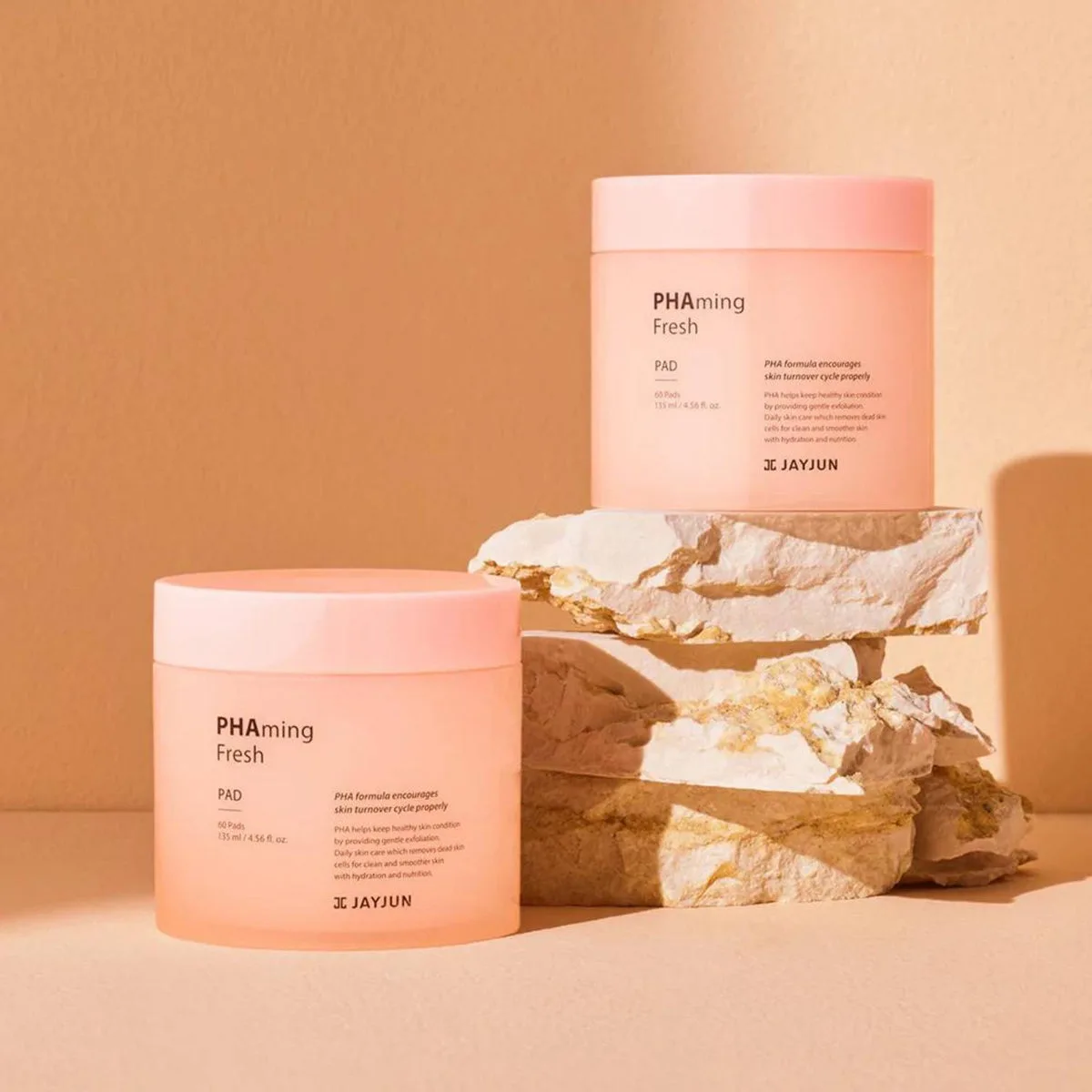
It anchors JAYJUN's PHAming Fresh line, the brand's gentle-exfoliation range built around polyhydroxy acid, extending its mask heritage into pore-refining, refreshing skincare for blemish-prone skin.
About JAYJUN Established Brand (5–20 years)
JAYJUN, a Korean brand born from clinic sheet-mask supply in 2013, positions this PHAming line as a gentle exfoliating-and-refreshing range. The toner pairs a mild PHA with tea tree and centella; its credibility rests on a sensible gentle-exfoliation concept, though the formula carries several essential oils that temper its sensitive-skin claim.
Brand founded: 2013 · Product launched: 2021
Myth vs. Reality
Common Myths
Myth
A toner labeled 'no added fragrance' is automatically safe for sensitive skin.
Reality
This toner adds no perfume, but it contains tea tree, rose and geranium essential oils that carry natural fragrance allergens and can irritate reactive skin — 'fragrance-free of added perfume' isn't the same as essential-oil-free.
FAQ
Frequently Asked Questions
What does the JAYJUN PHAming Fresh Toner do?
It's a gentle exfoliating toner built on PHA (gluconolactone), which mildly smooths texture and refines the look of pores, plus tea tree for a fresh, oil-balancing note and centella and hyaluronic acid to soothe and hydrate.
Is PHA gentler than AHA or BHA?
Yes — polyhydroxy acids like gluconolactone exfoliate the surface more mildly than traditional AHAs and add humectant properties, making them more tolerable for blemish-prone and slightly sensitive skin, though this toner's essential oils add their own irritation risk.
Is this toner really fragrance-free?
It contains no added perfume fragrance, but it does include tea tree, rose and geranium essential oils, which carry natural fragrance allergens. So it's free of added fragrance but not free of scent or potential irritants.
How often should I use this exfoliating toner?
Start a few times a week, especially if new to acids, and build up as your skin tolerates it. Avoid pairing it with other strong acids or retinoids the same night, and always follow with sunscreen.
Is the PHAming toner good value?
Yes — the large 420ml bottle is generous and affordable, giving a low cost per use for a gentle exfoliating toner, with smaller sizes available to trial first.
Reviews
What Reviewers Tend to Say
Recurring themes our editors read across retailer reviews of this product — summaries in our words, not quotations, and not a substitute for your own patch test.
Polyhydroxy acids get filed under 'beginner exfoliant,' as if gentle meant weak. The truth is stranger: their bulk is exactly why they work for the skin everything else sets on fire.
The whole case for salicylic acid rests on one unglamorous fact of chemistry: it dissolves in oil. Understand that, and you know exactly when it beats a glycolic acid — and when it's overkill.
The strongest counterexample to blanket botanical scepticism is also one of the more common contact allergens — and holding both facts at once is the only honest way to read it.
Essential oils are declared by botanical name rather than as fragrance, which is why the most heavily perfumed products in the natural aisle can carry the reassuring word — and why the bottle gets more sensitising the longer you own it.
Aug 28, 2026· 11 min
Questions people ask about Acne
Verified answers from our questions library — the nuance a product page cannot carry.
Products, answers, therapy guides, tools and articles in one search. Brand names,
slang and abbreviations all work — accutane finds isotretinoin, bacne finds truncal acne.