Guaiazulene
Products with Guaiazulene
 Sensitive-Skin MVP
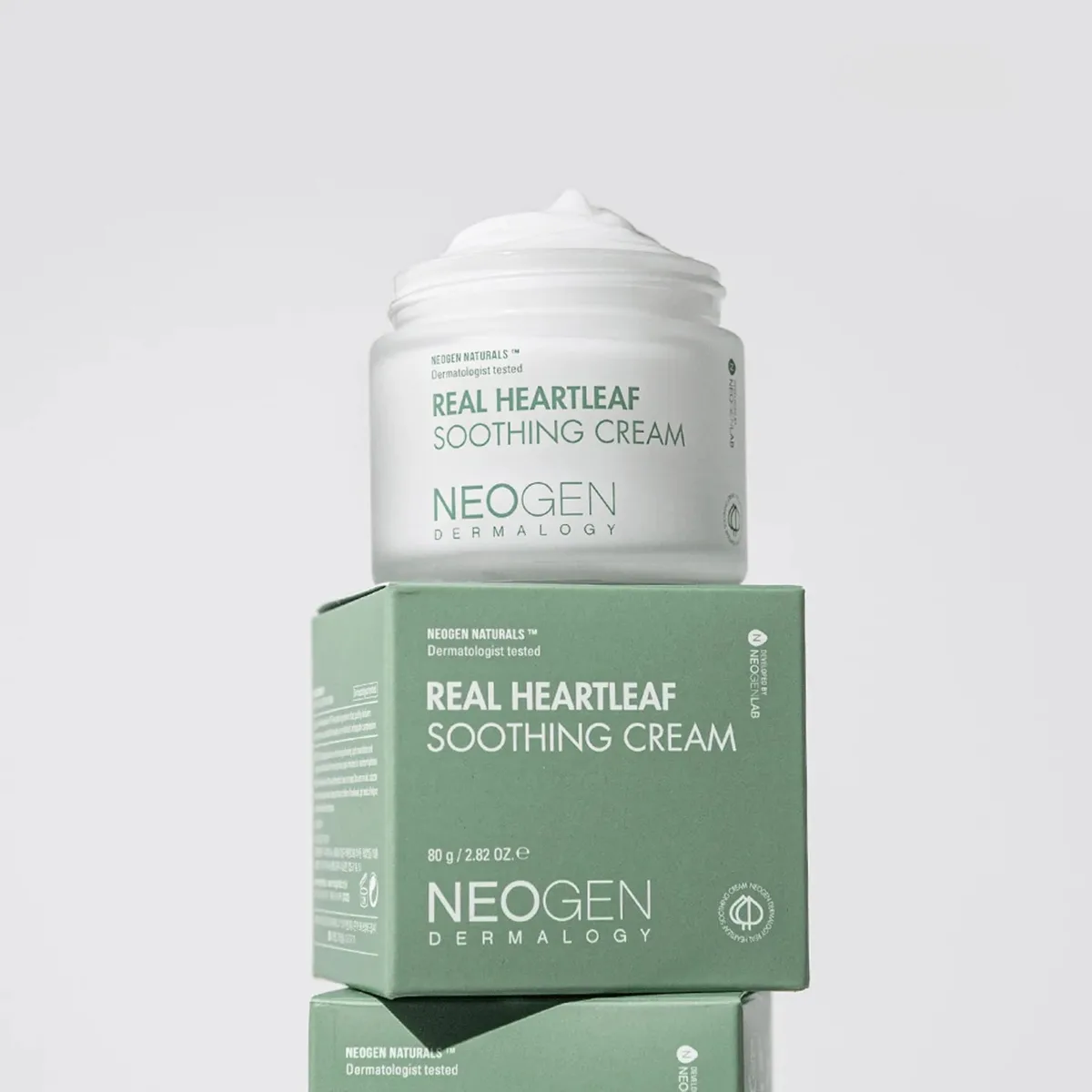
 Real Heartleaf Soothing Cream
One of the better soothing gel-creams in K-beauty, built on a genuine 75% heartleaf base rather than a token splash of extract. Three anti-redness actives, a real niacinamide dose and an eight-form hyaluronic stack make it a reliable calm-and-hydrate step for reactive skin, all fragrance-free. Very dry winter skin may want more on top, and the tub is a minor gripe.
 Sorbet-Texture Centella Cream
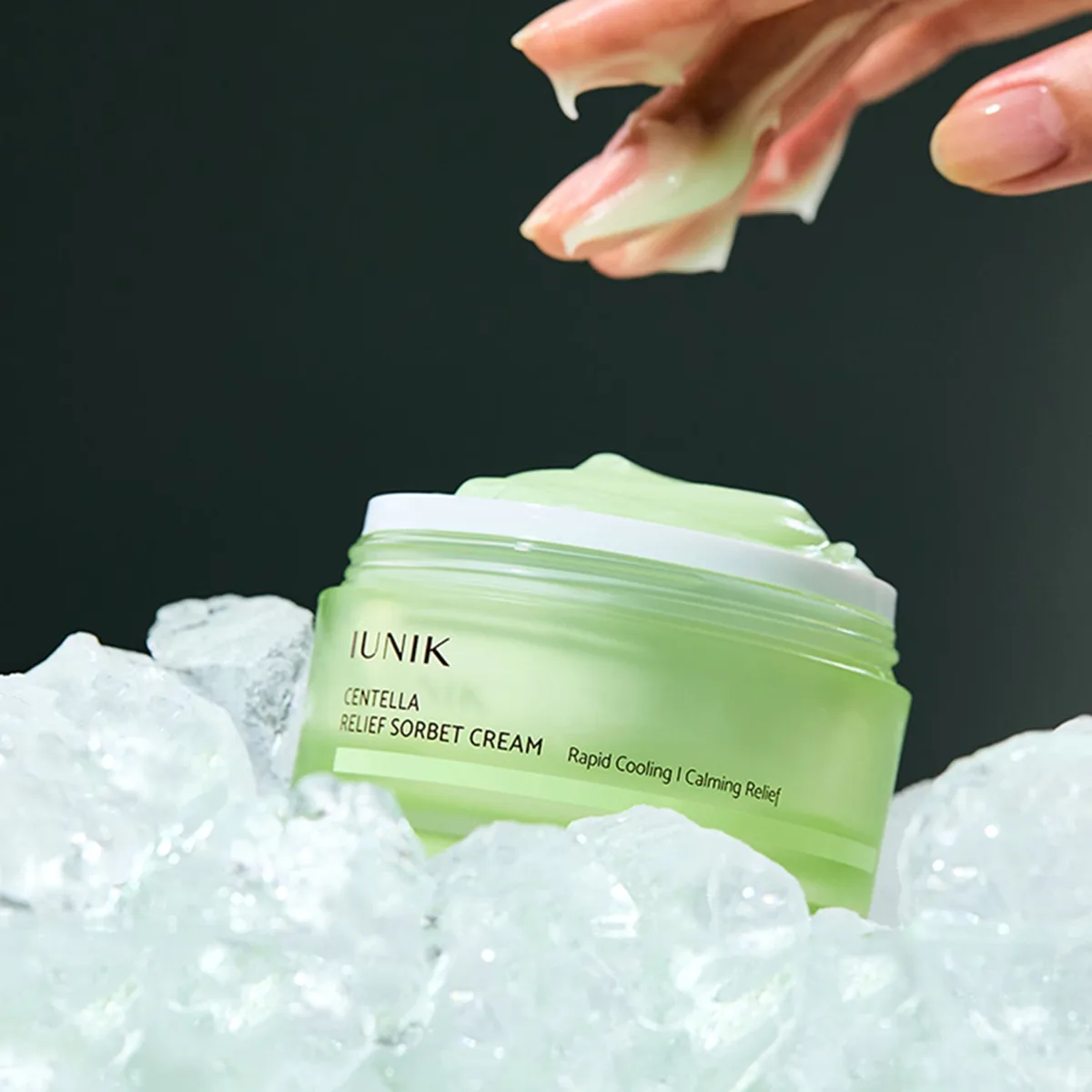
 Centella Relief Sorbet Cream
IUNIK's 2024 Centella Relief Sorbet Cream combines centella with azulene (sodium guaiazulene sulfonate from German chamomile), niacinamide, panthenol, ceramide NP, and multi-source humectants in a lightweight sorbet-texture format. At $23 for 50ml the value is strong. Genuinely suited to sensitive, reactive, and oily skin types — fungal-acne safe, oil-free, fragrance-free.
 Sensitive Skin Calm-Down
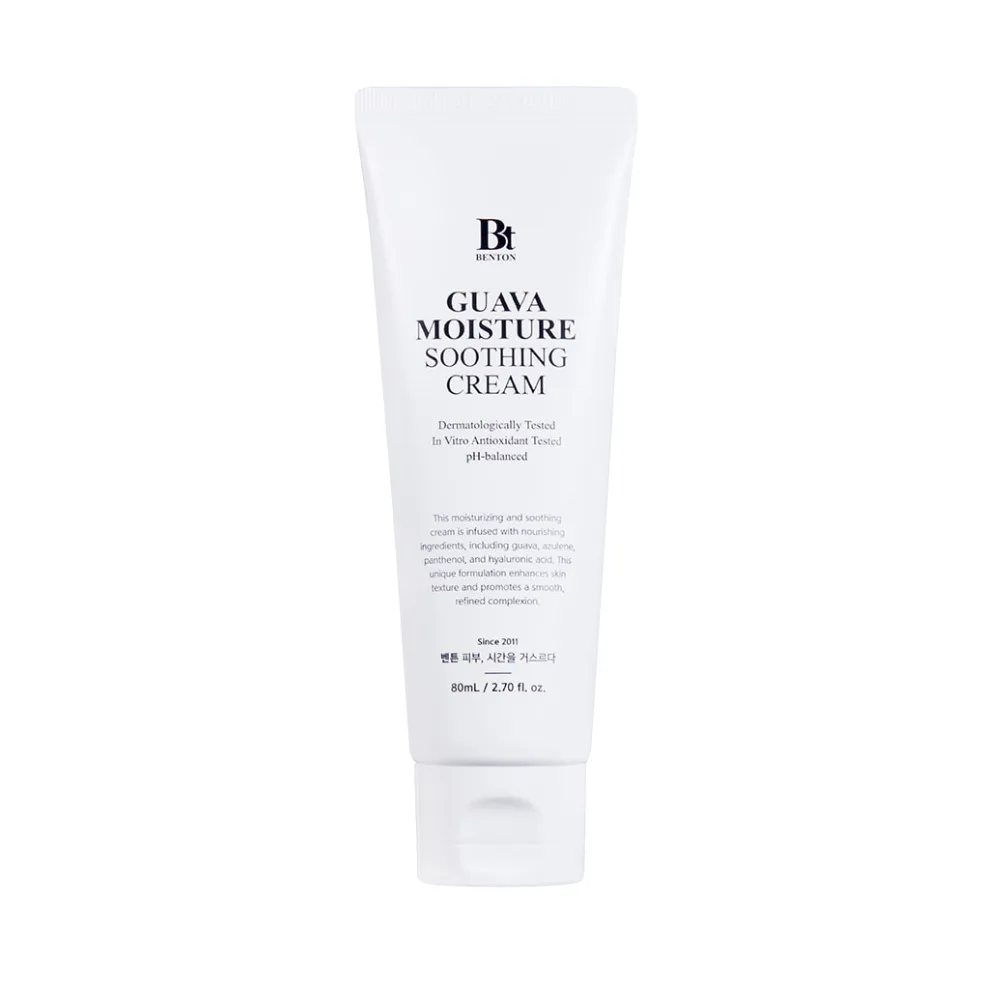
 Guava Moisture Soothing Cream
An unusually loaded soothing gel-cream: guava leaf water stands in for most of the plain water, then Benton stacks azulene, ectoin, ceramide, carnosine and beta-glucan on top — all fragrance-free, all under twenty dollars. It's a genuinely smart pick for sensitive, reactive, or barrier-stressed skin, with the only real caveat being that very dry skin may want something richer over it at night.
 Eczema-Prone Barrier Cream
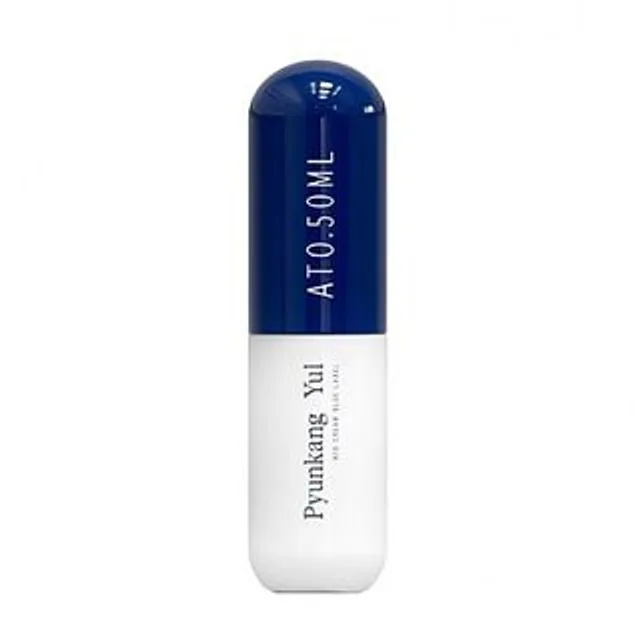
 ATO Cream Blue Label
A genuinely soothing barrier-repair cream for atopic and eczema-prone skin: ceramide and copper peptide rebuild the barrier, honeysuckle and chamomile-derived azulene calm redness, and rich emollients deeply moisturize — all fragrance-free and free of 20 common irritants, gentle enough for babies. Excellent for dry, reactive, flare-prone skin and a fair value. Too rich for oily skin, not fungal-acne safe, and not a replacement for medical eczema treatment.
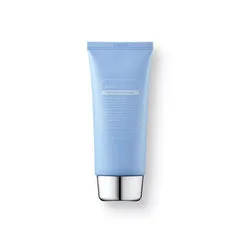 Discontinued Mineral Matte
 Mid-Day Blue UV Shield SPF 50+
A well-engineered mineral sunscreen that solved the oily-skin-meets-SPF dilemma with a matte, lightweight formula and a clever guaiazulene twist. The inclusion of synthetic fragrance was an odd misstep for a sensitive-skin brand, and discontinuation makes this a legacy review. When it was available, it was one of the better mineral sunscreens in K-beauty.
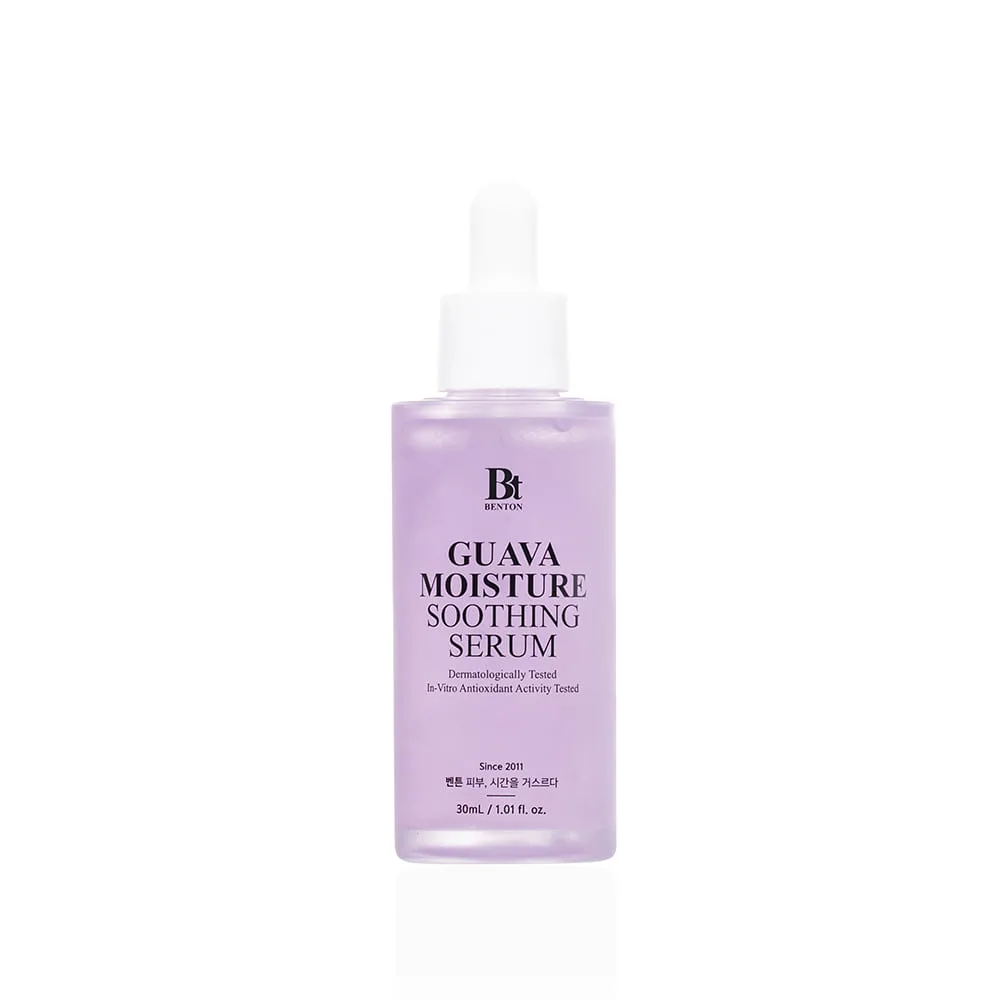 K-Beauty Soothing Serum
 Guava Moisture Soothing Serum
Benton Guava Moisture Soothing Serum combines guava fruit and leaf extracts with dual-weight hyaluronic acid, ectoin, guaiazulene (azulene), ceramide NP, carnosine, squalane, centella asiatica, and panthenol in a fragrance-free K-beauty serum at 26 dollars for 30ml. Sophisticated multi-active chemistry for sensitive skin.
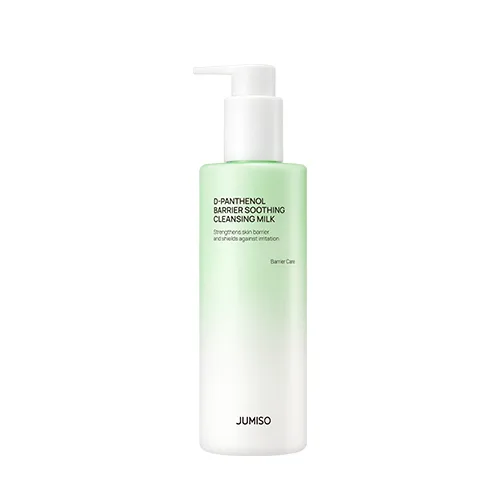 Gentle First-Cleanse Pick
 D-Panthenol Barrier Soothing Cleansing Milk
A cleansing milk that treats washing as a barrier-care step instead of a necessary evil. Chamomile water, panthenol, a five-ceramide blend and a touch of papain enzyme dissolve makeup and sunscreen while leaving skin soft rather than stripped. Heavy waterproof makeup may want a second cleanse, but for daily gentle removal it's a standout at the price.
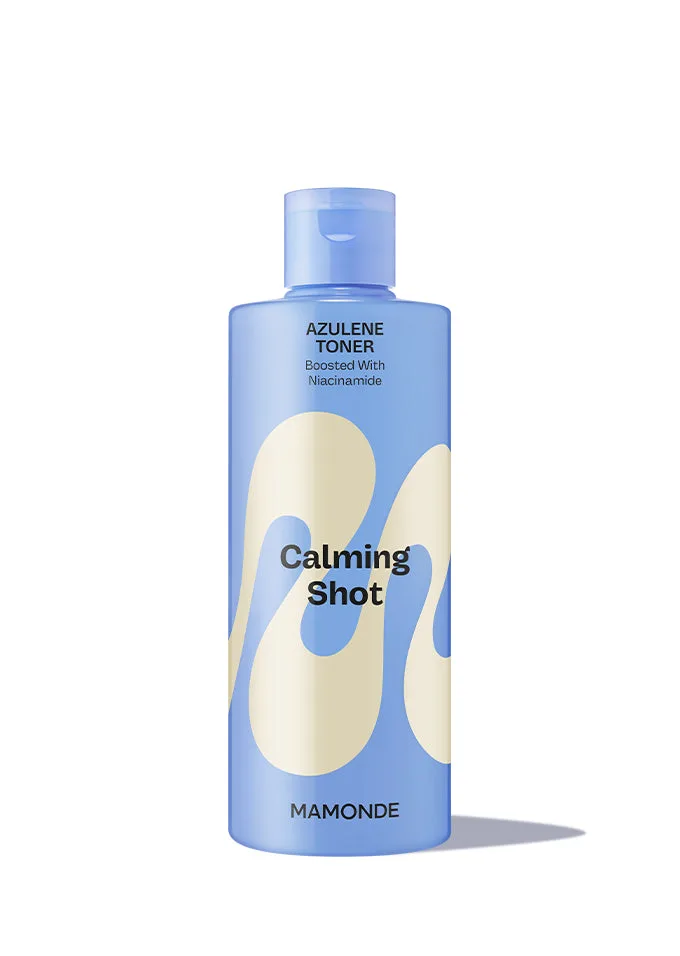 Sensitive Skin Soother
 Calming Shot Azulene Toner
A refreshingly minimalist soothing toner that does a lot with very little: a chamomile-water base, blue azulene, niacinamide and glycerin on a short, fragrance-free, low-pH list. It cools and calms reactive skin instantly and hydrates without stickiness. The simplicity that makes it so widely tolerated also means it won't tackle targeted concerns — but that's not its job.
 Lightweight Cica Soother
 Hypoallergenic Cica Gel Cream
The lightweight take on Dermatory's fragrance-free cica soother: guaiazulene, centella and ceramide NP rebuilt on a fresh, silicone-slip gel base for combination, normal, or reactive skin that finds the richer Cica Cream too heavy. It calms and hydrates without weight, and at this price it's a quiet bargain. Silicones and a trace of olive oil are the fit caveats.
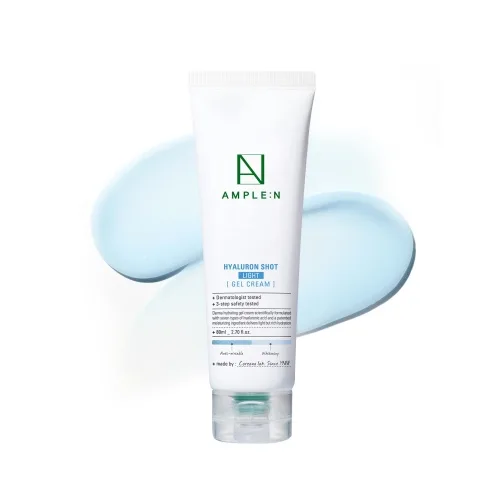 Seven-Hyaluronate Gel for Oily Skin
 Hyaluron Shot Light Gel Cream
One of the better light gel creams to come out of Korea's contract-manufacturing world, and it shows: a cool blue silicone gel with niacinamide sixth, seven hyaluronate forms doing seven slightly different jobs, a xylitol complex, and calming panthenol and allantoin, all fragrance-free and cheap. Oily and combination skin will be very happy. Dry skin will be polite and move on, and everyone will have to hunt for stock.
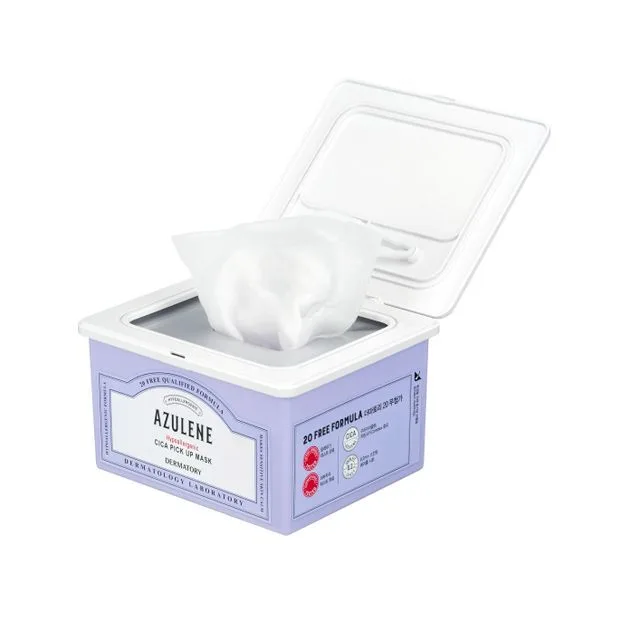 Daily Soothing Cica Pad
 Hypoallergenic Cica Pick Up Mask
A genuinely gentle, fragrance- and essential-oil-free daily cica pad built around deep-blue azulene, centella, panthenol and marshmallow. It cools and calms reactive skin immediately and works three ways — toner swipe, compress or mini mask. It's a soothing step rather than a loaded treatment, but its low-irritation design, versatility and sensitive-skin focus make it a quietly excellent everyday staple.
 Soothing Hydration Pad
 Guava 70 Skin Toner Face Mask Pad
These flip the usual toner-pad formula: 70% guava leaf extract stands in for the water base, joined by panthenol, hyaluronic acid, azulene, and ceramide in a fragrance-free, non-exfoliating soothing pad. They're an excellent daily hydrating-and-calming step for sensitive or dry skin — just don't buy them expecting exfoliation, and accept that the per-pad price runs above basic options.
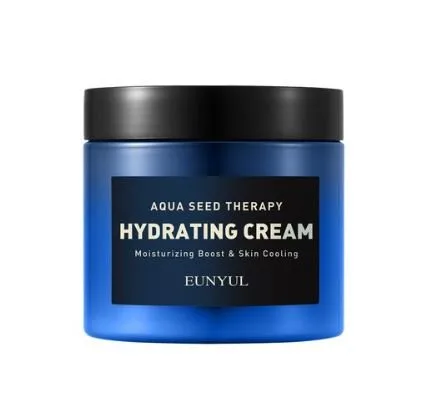 Weightless Water Cream
 Aqua Seed Therapy Hydrating Cream
The featherweight opposite of Eunyul's horse-oil cream: a weightless silicone-gel water cream built on polyglutamic and hyaluronic acid with a centella complex and a drop of soothing azulene. Notably alcohol-free, unlike the matching toner, it's a lovely lightweight hydrator for combination skin — just light on rich barrier lipids, and fragranced.
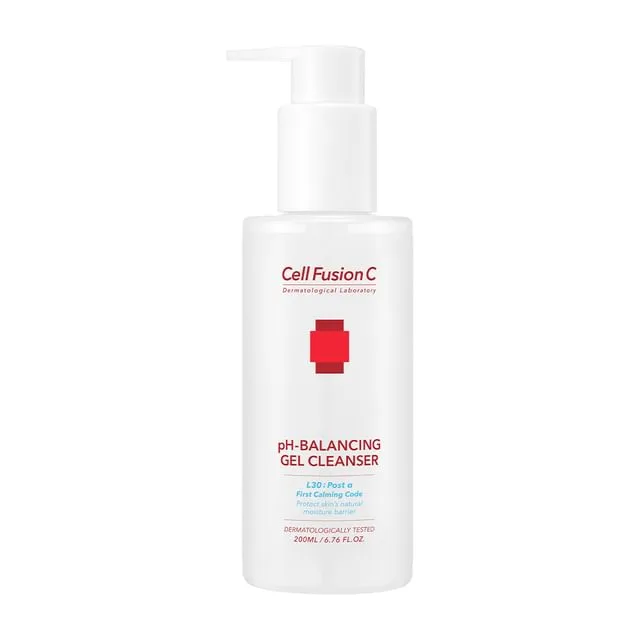 Gentle BHA Gel Cleanser
 Post Alpha pH-Balancing Gel Cleanser
A thoughtful, gentle, pH-balanced gel cleanser that does a little more than the basics — a mild betaine-salicylate BHA for light pore care and a ceramide-cholesterol barrier complex, on a soft syndet base, with soothing azulene and no essential oils. It cleans without stripping and suits most skin, including sensitive. The only real caveat is a trace of added fragrance.
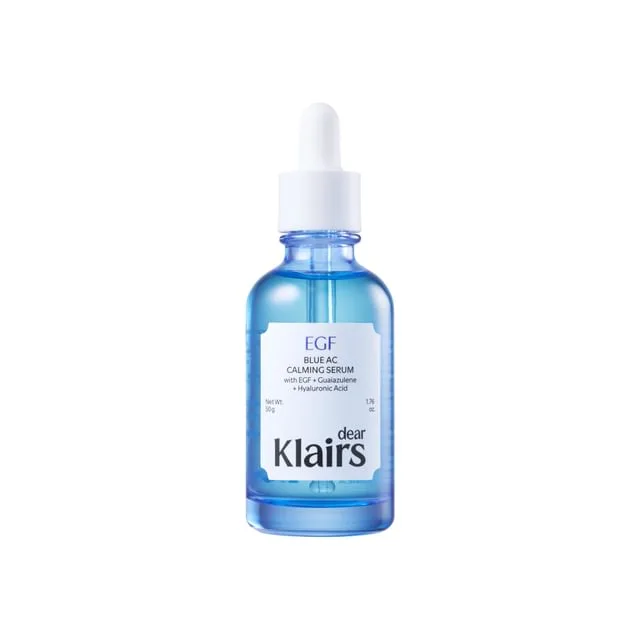 Calm-the-Breakout Pick
 Blue AC Calming Serum
An acne serum that works by calming rather than stripping — niacinamide, guaiazulene, centella and a deep soothing roster settle the inflammation behind breakouts, while gentle LHA and PHA handle congestion. Genuinely well-suited to reactive, blemish-prone skin and excellent value; the tea tree oil is the one note that pulls against its gentle promise.
 Cool-Shot Niacinamide Ampoule
 Calming Shot Azulene Ampoule
The treatment step of Mamonde's azulene line trades the toner's minimalism for muscle: a real 4% niacinamide bolted onto an azulene-and-chamomile soothing base, delivered in a cooling water-jelly. It genuinely balances oil and refines pores while it calms, and the cool-shot feel is a pleasure in summer. The catch is added fragrance and a cooling agent, which undercut the calming pitch for truly reactive skin.
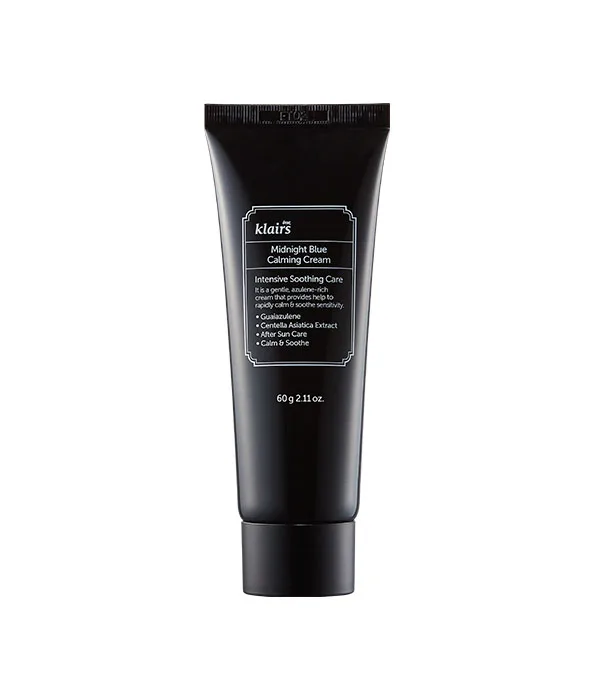 Award-Winning Calm in a Tube
 Midnight Blue Calming Cream
The calming cream that earned its cult status through performance rather than marketing. Two million bottles sold and an Allure Best of Beauty award later, the Midnight Blue Calming Cream remains one of K-beauty's most trusted products for angry, inflamed, or post-treatment skin. The guaiazulene-centella combination genuinely works — and the iconic blue color is just a bonus.
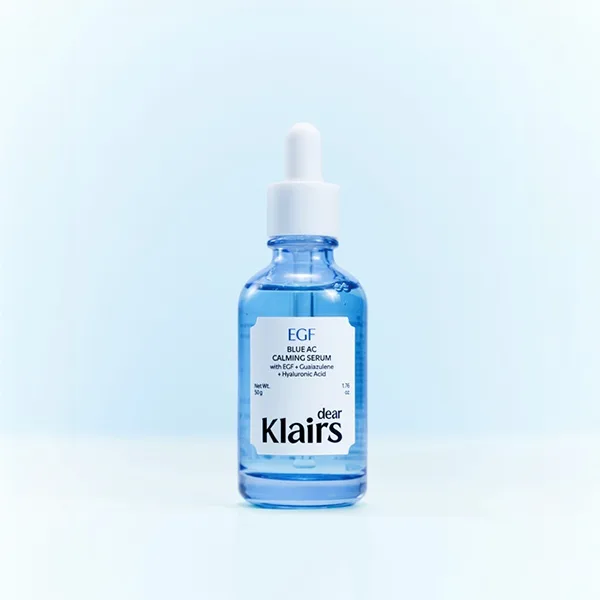 K-Beauty Acne + EGF Serum
 EGF Blue AC Calming Serum
Dear, Klairs K-beauty acne-prone calming serum with niacinamide + sh-Oligopeptide-1 EGF equivalent + capryloyl salicylic acid LHA + tea tree + multi-botanical anti-acne pool + comprehensive 18+ amino acid pool + adenosine. Substantive multi-active loading. Tea tree oil and LHA limit sensitive routines.
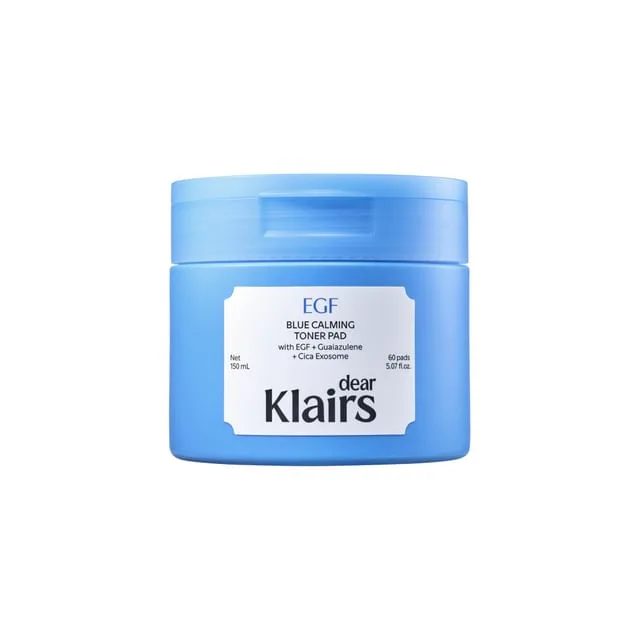 Pure Calm Pad
 Blue Calming Toner Pads
A toner pad with the discipline to do one thing — a purely calming, purely hydrating pad with no exfoliating acids, built on guaiazulene, a full centella complex and a 13-form hyaluronic acid blend, fragrance-free. Genuinely gentle, safe for twice-daily use, and a sound, well-priced comfort step for reactive skin.
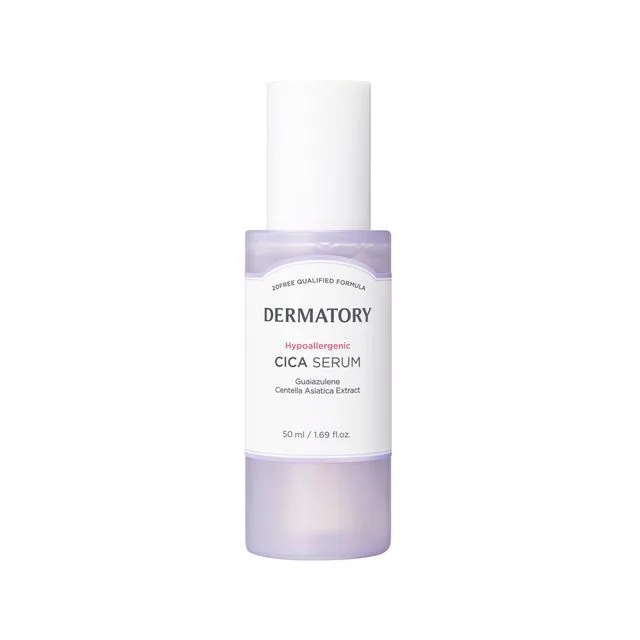 Lightweight Cica Soother
 Hypoallergenic Cica Serum
The lightest and cleanest of Dermatory's fragrance-free Cica trio: a watery soothing serum that pairs guaiazulene and centella for calm with panthenol and a touch of ceramide NP for barrier support, plus layered humectants for hydration. It calms redness and hydrates without weight, layers under anything, and suits oilier reactive skin the creams are too rich for. Gentle by design, not potent.
 Sensitive-Skin Blemish Pick
 A-Clear Soothing Serum
A genuinely smart take on blemish care that treats inflammation as seriously as it treats bacteria. The tea-tree-and-salicylic core does the clearing while centella, guaiazulene and licorice keep skin calm, making this the rare acne serum sensitive types can actually live with. The small bottle and a tea tree scent are its only real friction points.
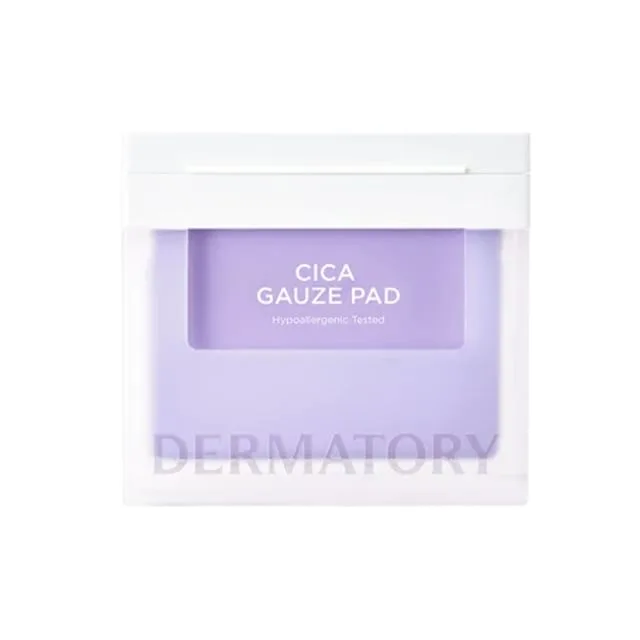 Gentle Azulene Calming Pad
 Hypoallergenic Cica Gauze Pad
A genuinely gentle soothing pad that delivers an azulene-and-cica calming essence — feverfew, chamomile, licorice and hydration included — on a soft gauze, both fragrance-free and alcohol-free. It calms reactive, flushed skin in one swipe and doubles as a mini compress. The per-use cost of pads and a touch of honey and chamomile are the only real caveats, and it is gentler than the brand's ethanol-containing powder toner.
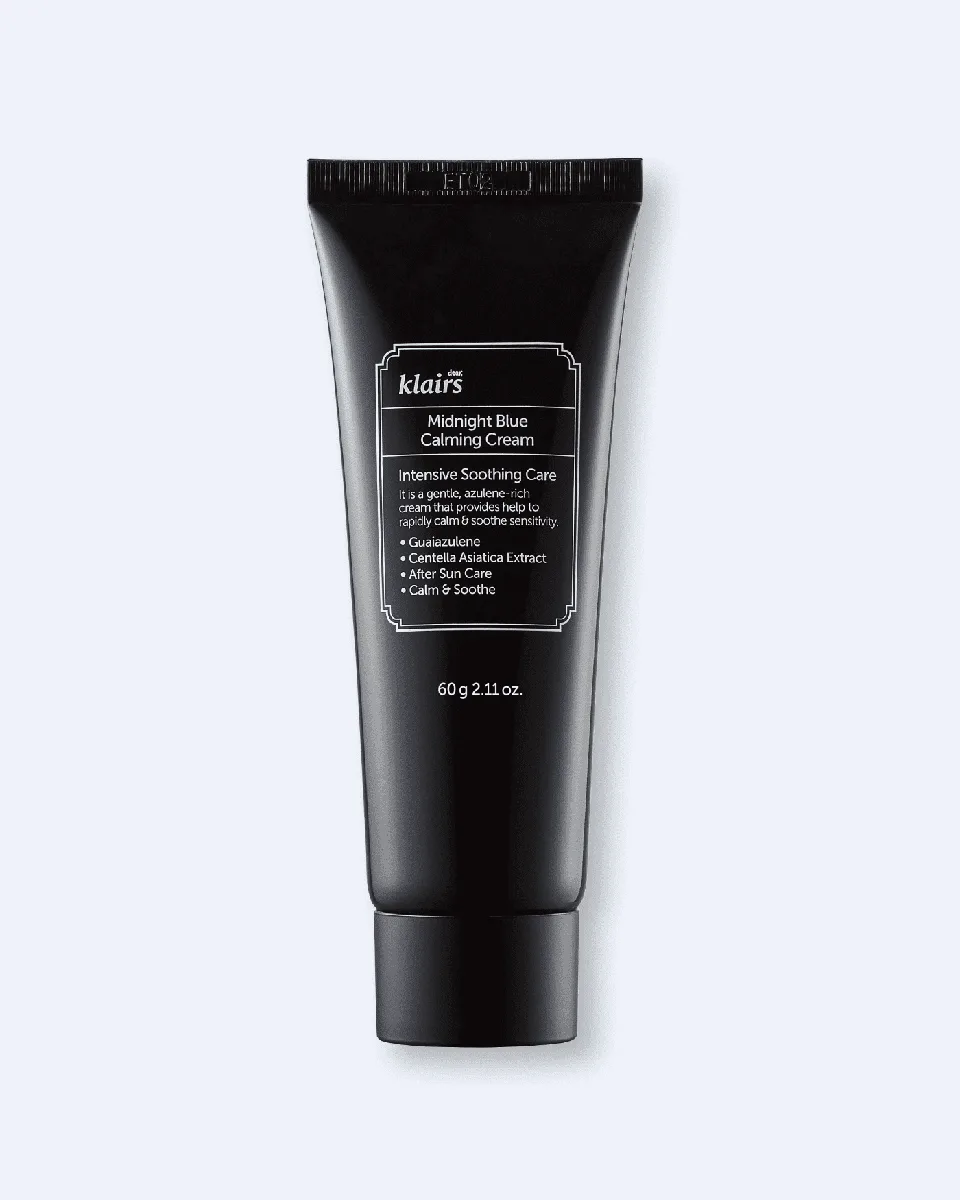 Soothing Cream MVP
 Midnight Blue Calming Cream
The rare soothing cream where the visible color is the active doing its work — guaiazulene supplies both the signature deep blue and the meaningful anti-inflammatory backbone, with centella, ceramide NP, and a real peptide complex completing a thoughtful formulation. For reactive, post-procedure, or actives-irritated skin, this is one of the easier recommendations in the K-beauty soothing category.
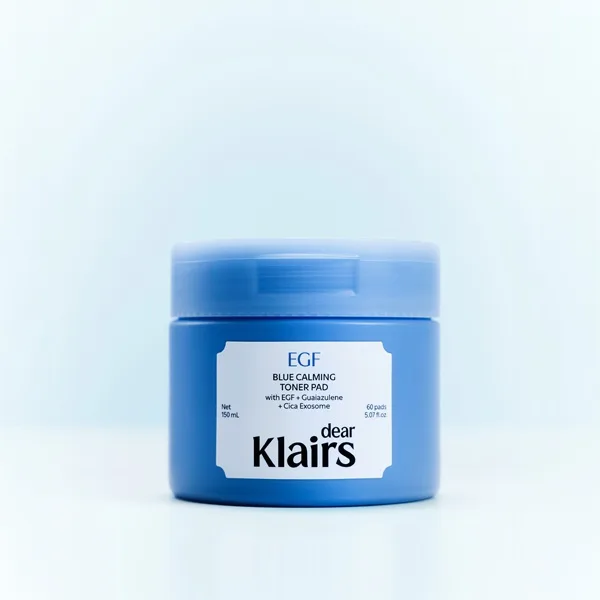 K-Beauty Multi-HA Toner Pad
 EGF Blue Calming Toner Pads
Dear, Klairs K-beauty toner pad with substantial 8-HA-form pool, guaiazulene anti-inflammatory, dual cica positioning, witch hazel, 9+ botanical soothing pool, protease + allantoin enzymatic + soothing pair, and double-sided pad design. Vegan + fragrance-free formulation. Exceptional suitability breadth and strong scores across formulation dimensions.
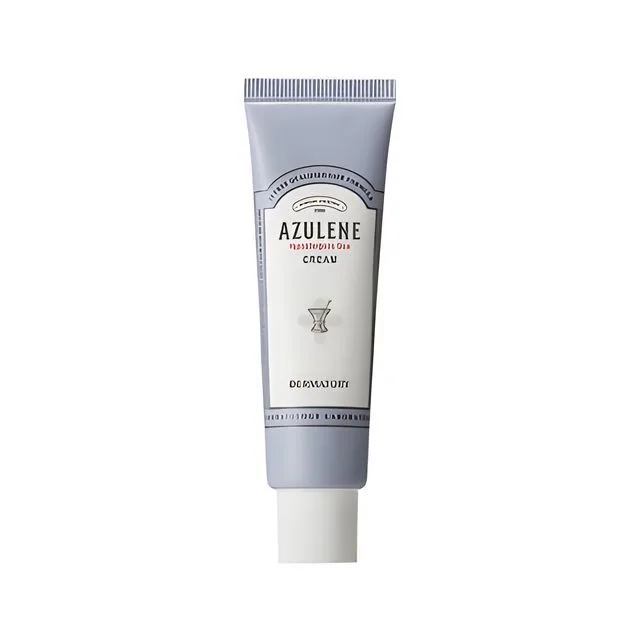 Sensitive Skin Soother
 Hypoallergenic Cica Cream
The product where Dermatory's 'hypoallergenic' promise actually lands: a genuinely fragrance-free soothing barrier cream that pairs guaiazulene and centella for calm with ceramide NP and lipids for repair, plus hyaluronic acid for hydration. For dry, reactive, redness-prone skin it's a comforting, well-built choice. The richness and the very long botanical list are the things to weigh.
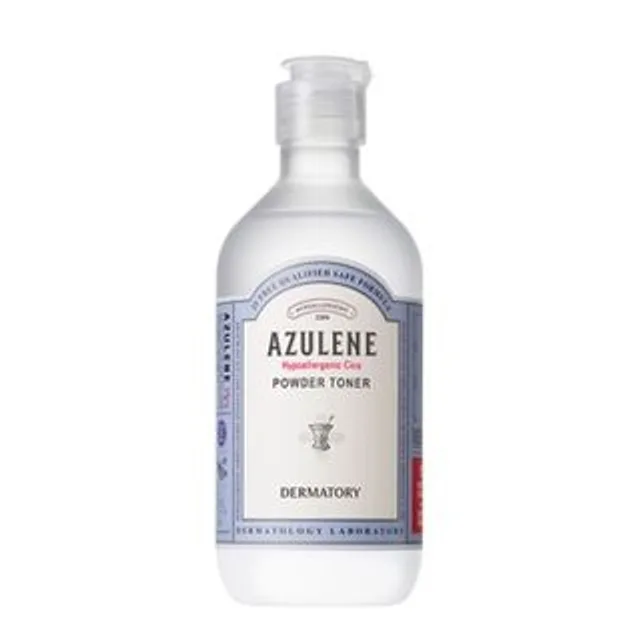 Soothing Sebum Toner
 Hypoallergenic Cica Powder Toner
A clever biphasic toner that pairs a soothing azulene water phase with a settling cica-and-calamine powder phase you shake in before use. It genuinely calms redness and controls shine at once, fragrance-free — a combination aimed at the oily, reactive skin most soothing toners ignore. The ethanol sitting third is the catch, giving it a clarifying edge that dry or compromised skin should approach with care.
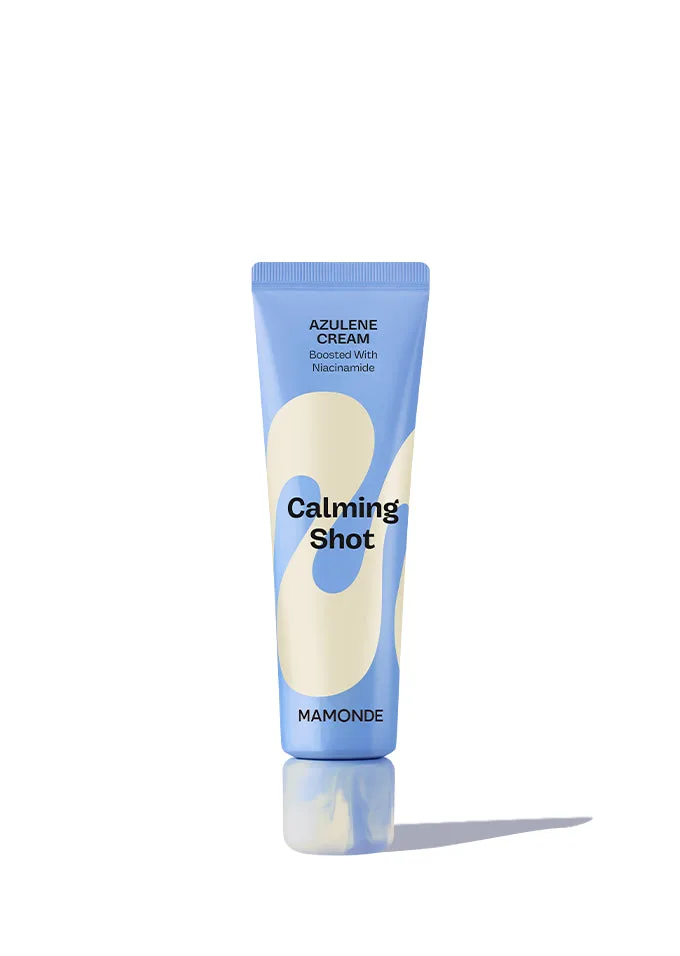 Silky Gel-Cream Finisher
 Calming Shot Azulene Cream
The moisturizing finisher of Mamonde's azulene line is a silky, silicone-cushioned gel-cream that hydrates lightly while quietly treating: niacinamide sits high enough to balance oil and refine pores, with azulene and beta-glucan keeping the soothing theme. The soft-blur finish makes a lovely makeup base. Added fragrance and a price at the top of the range are the two things holding it back.
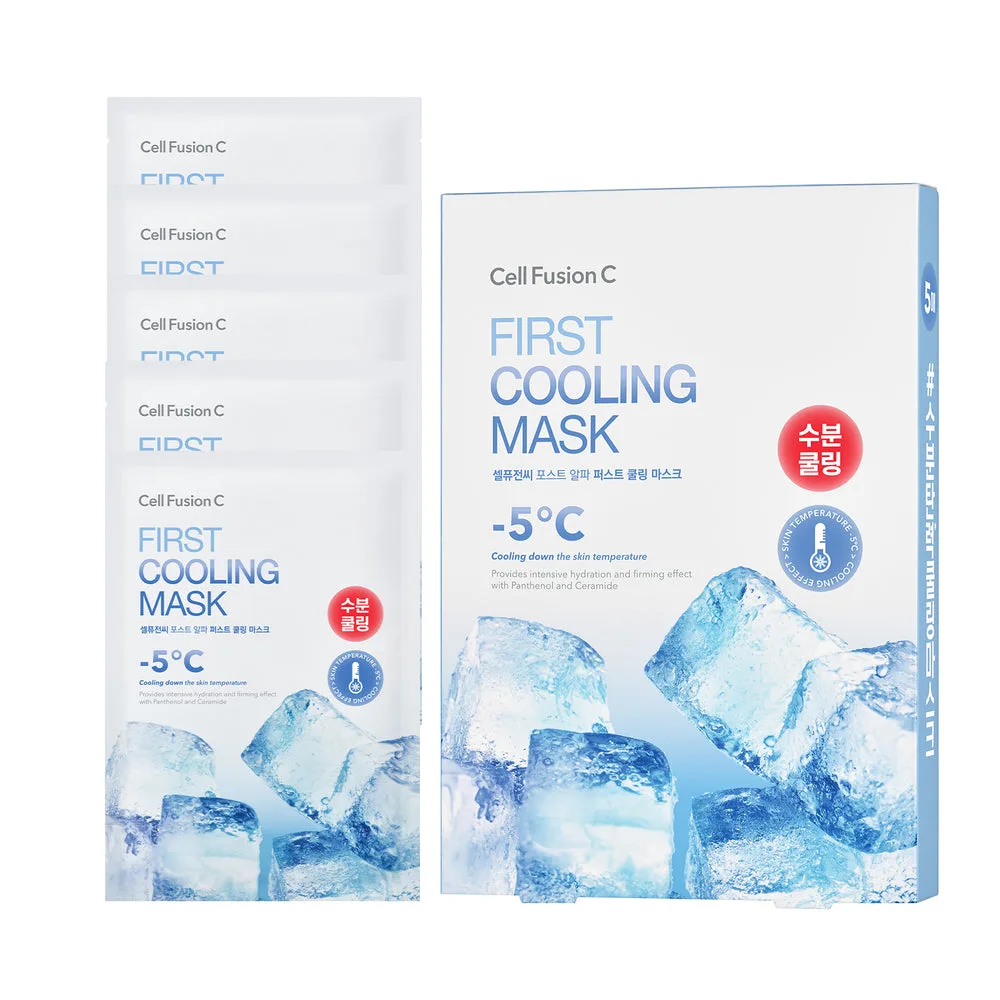 Soothing Cooling Sheet Mask
 Post Alpha First Cooling Sheet Mask
A genuinely soothing, fragrance-free cooling sheet mask — one of the brand's cleaner products. A real anti-redness complex (azulene, pycnogenol, chamomile, feverfew) over a ceramide-cholesterol barrier base, with a cooling agent for instant relief, makes it an excellent after-sun or post-procedure calmer. The honest caveat is format: sheet masks are occasional comfort treats, not cumulative treatments, which caps their value.
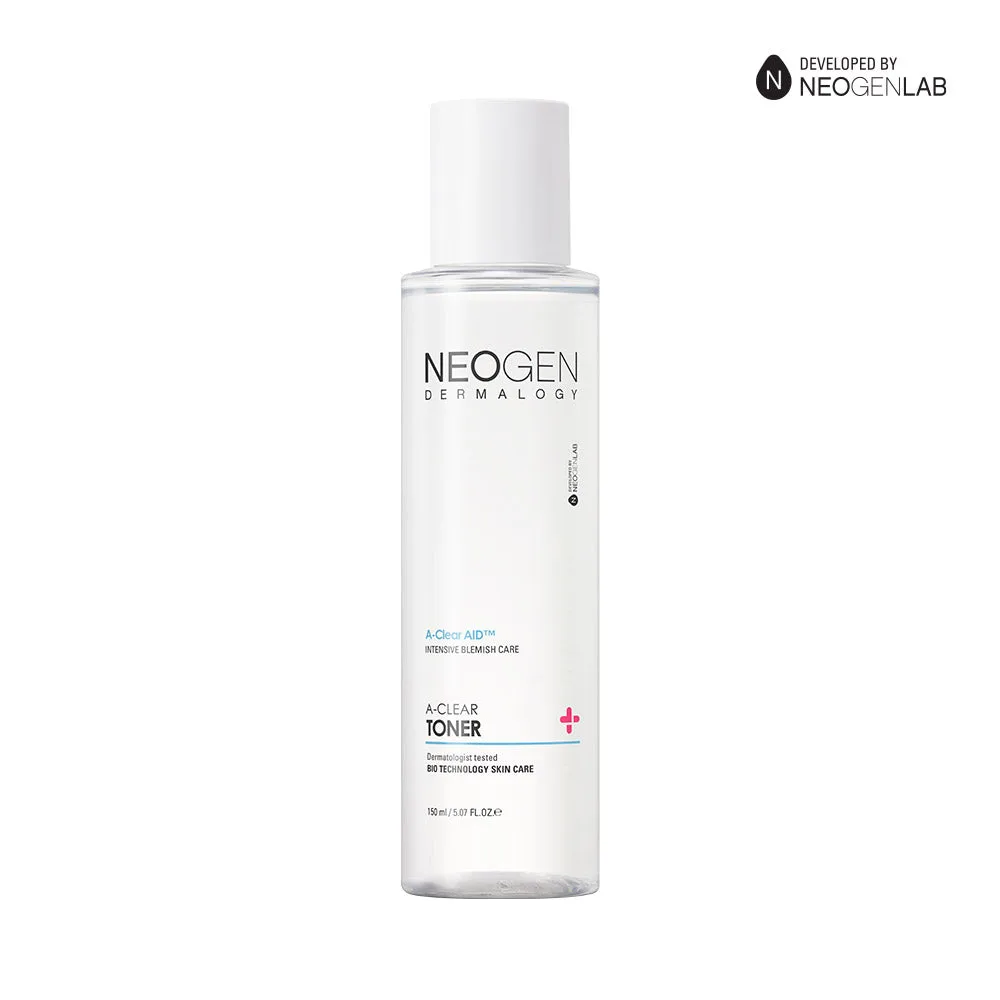 Everyday Exfoliating Swipe
 A-Clear Soothing Toner
A pared-down exfoliating toner that proves a fifteen-ingredient list can outperform a crowded one. Salicylic acid and tea tree do the clearing, centella and azulene keep it comfortable, and the 150ml bottle makes it a quiet value. Sensitive skin should pace it, and the tea tree note isn't for everyone, but for oily, congestion-prone faces it's a smart daily step.
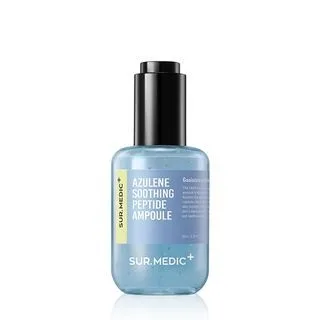 Azulene Capsule Ampoule
 Azulene Soothing Peptide Ampoule
A soothing capsule ampoule that suspends blue azulene and white ceramide capsules in a centella base, with a ten-peptide complex layered on top. It genuinely calms redness and supports the barrier as a treatment step, with the trace-level peptides more marketing than substance and lavender, tea tree, and alcohol the reasons the most reactive skin should patch test.
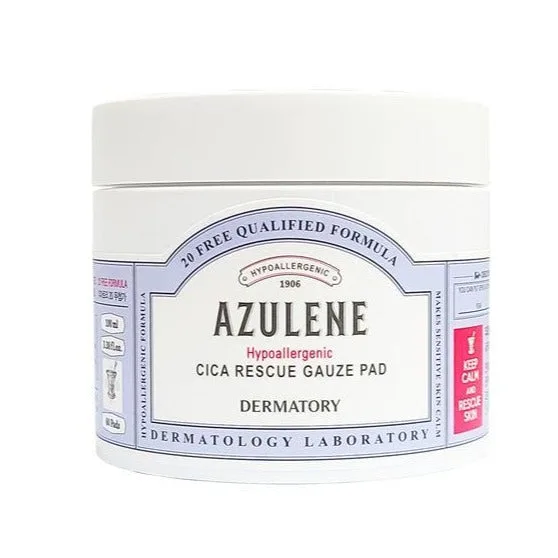 SOS Calming Compress Pad
 Hypoallergenic Cica Rescue Gauze Pad
The upgraded, dual-textured 'rescue' version of Dermatory's cica gauze pad: an exfoliating mesh side, a soft masking-cellulose side and included tweezers, all carrying the line's gentle, fragrance- and alcohol-free azulene-cica soothing essence. It shines as an SOS compress for flare-ups, post-sun heat or freshly stressed skin. The essence is the same as the standard pad, so what you pay extra for is format and versatility.
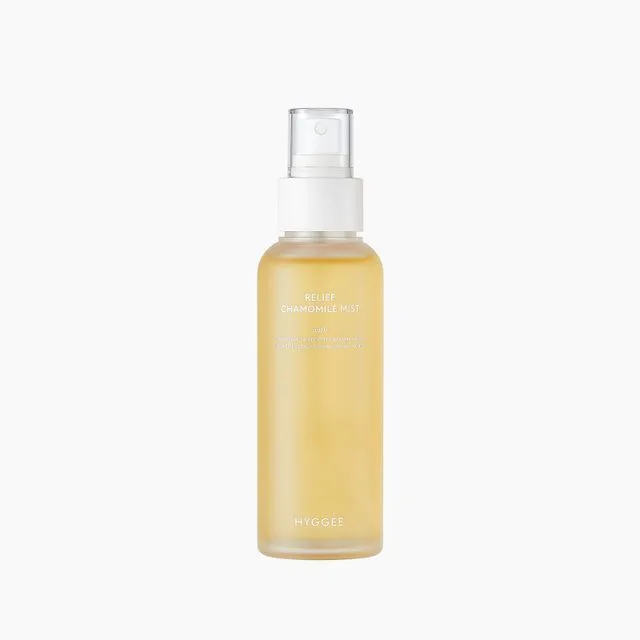 Sensitive Skin MVP
 Relief Chamomile Mist
A rare face mist that earns its keep instead of just misting scented water on your face. Hyggee swaps most of the water base for 20% chamomile, then stacks guaiazulene and a full centella triterpene complex — all fragrance- and alcohol-free — into a genuinely calming spray. It's a premium price for 100ml, but for reactive, red, overworked skin it does real soothing work.
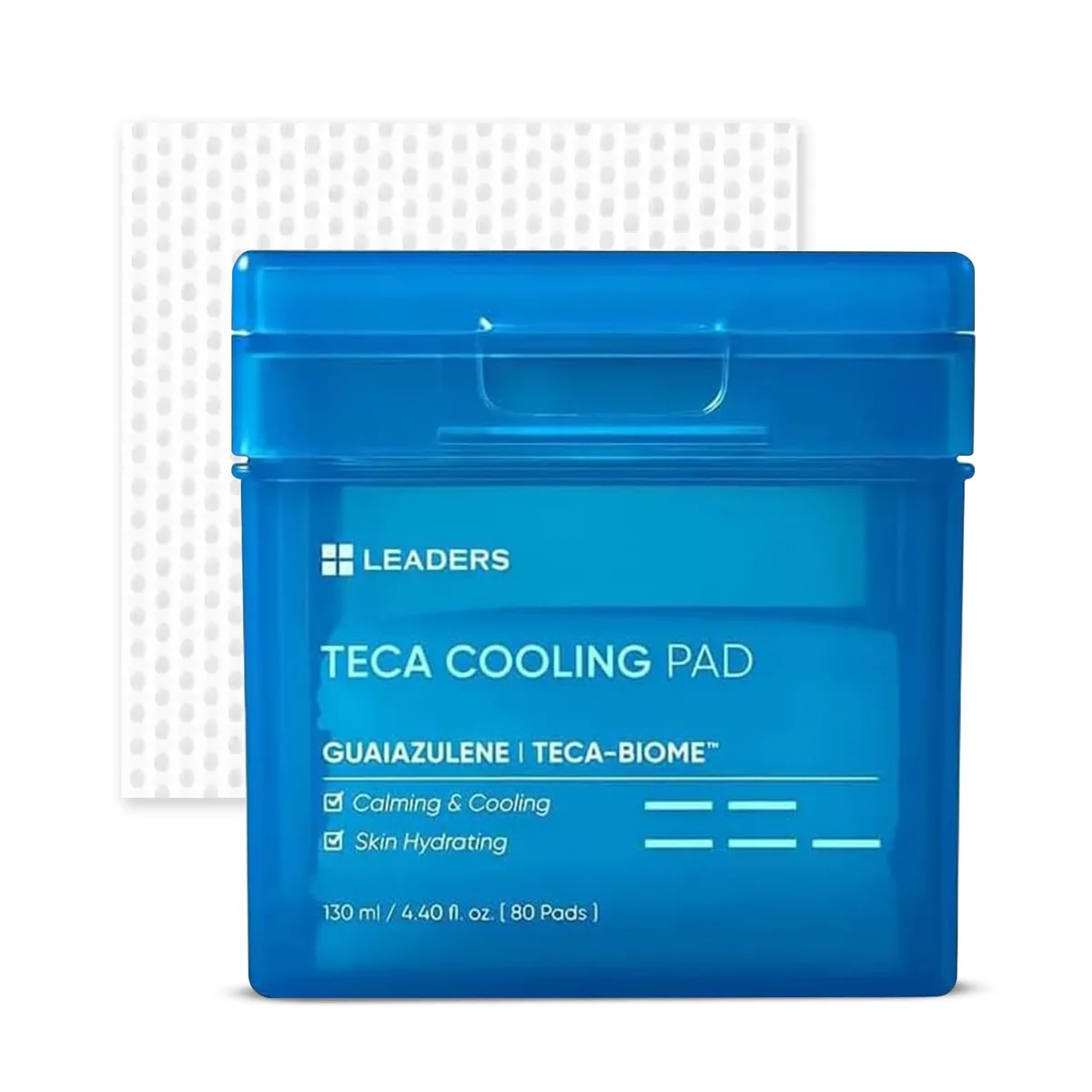 Sensitive Skin MVP
 TECA Cooling Pad
A clinic-minded cooling toner pad that backs its 'soothing' claim with substance: standardized TECA centella, guaiazulene and a probiotic-prebiotic ferment blend in a fragrance-free, vegan formula. Genuinely calming and broadly gentle, with instant cooling relief that's even better fridge-cold. The per-pad cost adds up with daily use, but for hot, reactive or post-procedure skin it earns its place.
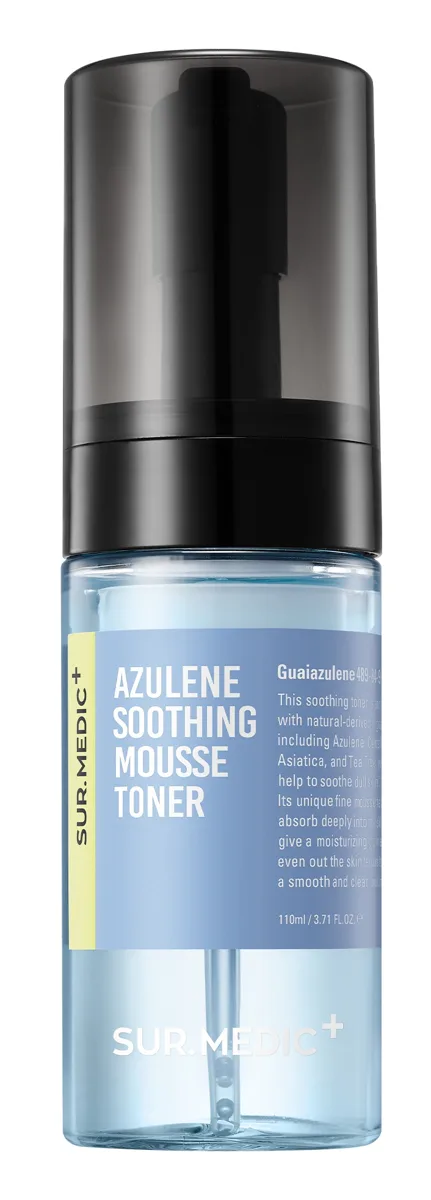 Azulene Calm Mousse
 Azulene Soothing Mousse Toner
A fragrance-free, deeply soothing toner that pairs chamomile-derived azulene with the full centella complex, a ceramide, adenosine, and a long botanical roster, delivered in a novel foamy mousse. It calms redness and reactive skin convincingly as a first step, with lavender oil the main reason the most reactive skin should patch test and the bubble format more sensory than functional.
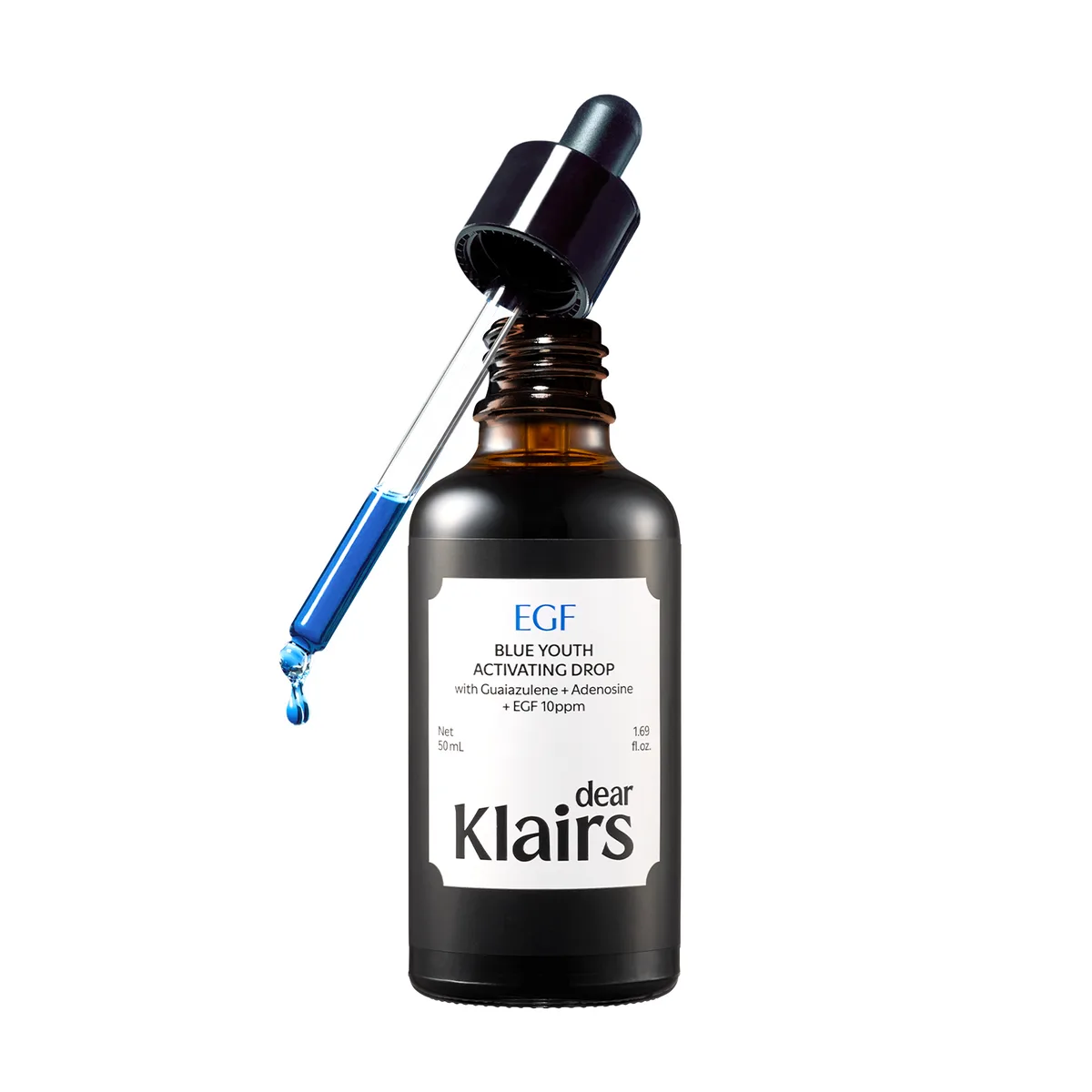 K-Beauty Growth Factor Pick
 Blue Youth Activating Drop
Klairs Blue Youth Activating Drop is the brand's flagship anti-aging ampoule combining EGF and FGF at 10ppm each (the highest concentrations allowed by Korean MFDS), guaiazulene for calming, adenosine for documented anti-aging action, and blueberry for antioxidant support. Fragrance-free, alcohol-free, vegan, and cruelty-free. At 39 dollars for 20ml, this is one of the best-formulated K-beauty growth factor serums.
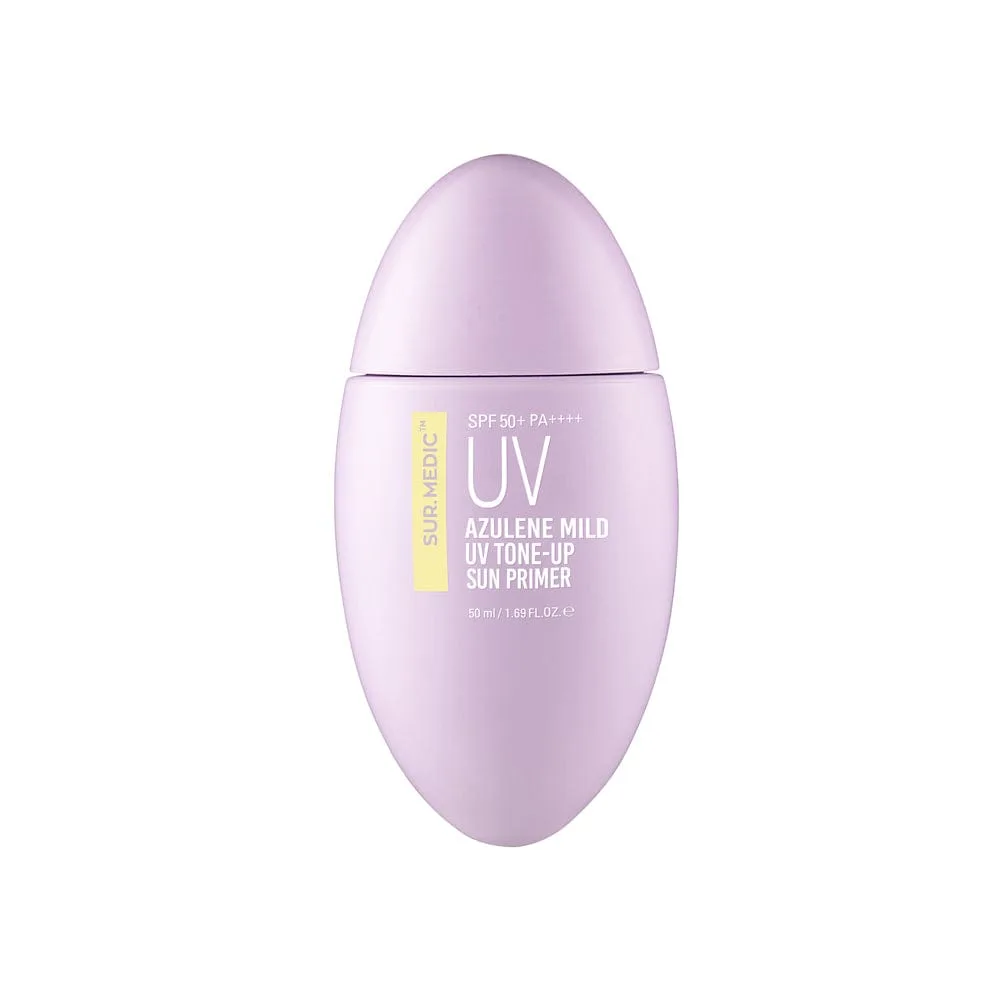 Brightening Tone-Up SPF
 Mild UV Tone-up Sun Primer
A three-in-one mineral tone-up primer that protects, brightens and conditions: SPF50+ PA++++ from titanium dioxide, a purple tint that instantly color-corrects dullness, and a genuine five-ceramide-plus-niacinamide complex so it does not dry skin out. Lovely as a brightening base; just apply it generously enough to actually get the SPF, and check the tint on deeper skin tones.
The full guaiazulene guide
That vivid cobalt-blue color you keep seeing in K-beauty serums and calming toners?
That's often guaiazulene — a hydrocarbon compound found in guaiac wood oil and chemically related to the azulene that forms when chamomile is steam-distilled. It's best understood as a concentrated, more stable relative of chamomile's chamazulene, made for consistent cosmetic delivery rather than pulled from an essential oil. The data for redness and inflammation is genuinely encouraging, but it's still a small evidence base — smaller than the marketing enthusiasm around blue serums would suggest.
How it's regulated in the US
FDA does not classify ingredients — it classifies products, by what they are sold to do. The same molecule can be a drug active in one product and a cosmetic ingredient in the next, and only the claim on the label decides which. What follows is a statement about that legal standing, not about whether it works — the evidence question is answered separately above.
Color additive The blue in a blue tansy or azulene oil is a listed color additive, cleared for externally applied cosmetics. Its regulatory standing is for the color; the calming claims attached to it are a separate question the listing does not answer.
“Guaiazulene may be safely used in externally applied cosmetics in amounts consistent with good manufacturing practice.” — 21 CFR § 73.2180 (read the listing)
The most relevant human data is modest. A small 2022 clinical study in 23 atopic dermatitis patients (summarized in a 2024 azulene review) reported that 0.02% guaiazulene paired with 1% ceramides improved skin moisture, itching, and sleep quality over four weeks. Separately, a NICU study used a 0.05% guaiazulene ointment for stubborn diaper dermatitis and saw faster improvement than the control group within the first few days. In vitro and animal work supports an anti-inflammatory and antioxidant mechanism — COX-pathway interference, free-radical scavenging, and reduced lipid peroxidation — but these are not skin-specific efficacy trials. The honest picture is a handful of small studies plus laboratory mechanism data; no large randomized controlled trials exist yet. A 2003 study flagged photomutagenicity under UV/visible light in a bacterial assay, while other in vitro work has reported a photoprotective effect, so the photosafety question is genuinely unsettled rather than fully resolved. Treat guaiazulene as a well-tolerated calming ingredient with promising early support, not a clinically proven therapeutic.
How it works
Several overlapping mechanisms are credited to guaiazulene, which helps explain why it shows soothing effects at very low concentrations. The most studied is interference with the cyclooxygenase (COX) pathway — the enzymatic route that converts arachidonic acid into prostaglandins, the lipid messengers behind the heat, redness, and swelling of inflammation. By tempering prostaglandin production, guaiazulene can blunt visible redness before the cascade builds. This parallels how chamomile's chamazulene behaves, though guaiazulene is a structurally distinct molecule and is generally considered the more stable of the two. Alongside that, its electron-rich azulene ring acts as a direct antioxidant, neutralizing reactive oxygen species and slowing lipid peroxidation in cell membranes; animal liver-protection research is where much of that antioxidant evidence comes from, so its relevance to skin is inferred rather than directly proven. Laboratory cell studies also point to dampened pro-inflammatory signaling, including lower TNF-α and IL-6 expression, though that work hasn't been confirmed in human skin. At the trace levels common in cosmetics — frequently well under 0.1% — it likely functions mostly as a calming, mildly antioxidant colorant, with the stronger anti-inflammatory effects belonging to the higher doses tested clinically. The deep blue color itself is inert, but it doubles as a rough integrity marker: noticeable fading in the bottle can signal that the light-sensitive compound is degrading.
Key benefits
- Helps calm visible redness by tempering the prostaglandin inflammatory cascade
- Soothes post-exfoliation and environmentally triggered irritation
- Offers antioxidant activity that slows lipid peroxidation in cell membranes
- Supports reactive or compromised barriers during flare recovery
- Contributes its soothing effect at very low concentrations (around 0.02 to 0.05%)
- Lends the signature blue tint that also flags whether the active is still intact
Concentration & usage
The clinical studies that exist used low doses — roughly 0.02% alongside ceramides and 0.05% in a standalone ointment. In everyday cosmetics, guaiazulene usually sits between about 0.01% and 0.1%, so it doesn't need to rank high on an ingredient list to do its job and tint the formula. On an INCI list you'll typically find "Guaiazulene" in the bottom third, consistent with that low effective range. A rich, stable blue in well-designed packaging is a fair (if imperfect) sign the active hasn't degraded, since guaiazulene is light-sensitive. Be wary of products sold in clear bottles left under light, where the compound can break down before you ever use it.
Who it's for & who should be cautious
Who it's for
Sensitive, reactive, or redness-prone skin tends to get the most from guaiazulene — think rosacea-adjacent complexions, post-procedure recovery, or anyone who regularly pushes their barrier with potent actives. It slots in easily for people who want anti-inflammatory support without adding yet another exfoliant or bioactive that demands careful layering. Dry and combination skin contending with environmental stress or over-exfoliation will likely see the clearest payoff in calmer flushing and less reactivity.
Who should be cautious
If you're allergic to chamomile, yarrow, or other Asteraceae-family plants, patch-test before committing — guaiazulene shares azulene chemistry with chamazulene, and while cross-reactivity isn't well documented for the synthetic form, it's worth ruling out. Oily and acne-prone users won't be harmed by it, but shouldn't expect any pore-clearing or oil-control benefit, since it simply doesn't do that. The photosafety question is also still open: given the conflicting lab data on UV behavior, anyone keen to minimize UV-reactive ingredients may prefer to keep guaiazulene products to evening routines rather than applying them right before sun exposure.
Pairs with & conflicts
Pairs well with: Ceramides, Centella Asiatica (Cica), Panthenol (Pro-Vitamin B5), Allantoin, Beta-Glucan, Hyaluronic Acid, Colloidal Oatmeal, Bisabolol (Alpha-Bisabolol), Blue Tansy (Tanacetum annuum), Chamomile Extract
Use with care alongside: Benzoyl Peroxide, Salicylic Acid (BHA), Glycolic Acid (AHA)
Myths & facts
Myth: Guaiazulene is the same thing as blue tansy oil
Reality: Blue tansy essential oil is a complex botanical mixture — chamazulene plus a range of terpenes in an oil matrix — while guaiazulene is a single, defined molecule used at trace concentrations as a specific active. They share the blue color and azulene chemistry, but a guaiazulene product and a blue tansy product are doing related, not identical, things.
Myth: The blue color is purely decorative and doesn't mean anything is working
Reality: The hue comes directly from the azulene ring that's also tied to the anti-inflammatory activity, so it isn't a separate added dye. That said, a tiny amount can still tint a formula blue while delivering very little effect, so color alone doesn't prove a meaningful dose — concentration still decides that.
Myth: Guaiazulene was proven dangerous to use in daylight
Reality: A 2003 bacterial assay did show photomutagenicity under UV/visible light, but other in vitro work has reported a photoprotective effect, so the science is genuinely mixed rather than settled in either direction. Opaque, airtight packaging sensibly addresses both the stability and the photosafety uncertainty at once.
Frequently asked questions
Is the guaiazulene in my serum natural or made in a lab?
It can be either. Guaiazulene occurs naturally in guaiac wood oil, but most cosmetic-grade material is synthesized for purity and consistency. The synthetic version is chemically identical to the natural compound, so a brand calling it 'plant-derived' is stretching the term unless it's specifically using guaiac-wood extract.
Can guaiazulene actually help my rosacea or stubborn facial redness?
It's a reasonable supporting player for redness-prone skin, since its effect on the prostaglandin pathway is relevant to the flushing component of rosacea. But it won't touch the triggers or the vascular dysregulation at the heart of the condition, so treat it as a calming layer within a broader rosacea-friendly routine rather than a fix on its own.
Why does my blue serum keep losing its color over time?
Guaiazulene is light-sensitive and degrades under UV and visible light, and that breakdown is exactly what drains the blue. If the bottle lives in clear glass near a window, the fading is most likely real loss of the active. Opaque or UV-protective packaging preserves both the look and the ingredient.
Is it okay to use guaiazulene products during pregnancy?
There's no specific pregnancy safety data for guaiazulene, and exposure at the trace levels found in serums and toners is minimal. Because solid human data simply doesn't exist, the usual caution applies: run any new active past your OB or dermatologist before adding it, especially in the first trimester.
How should I work guaiazulene into a routine that already uses exfoliating acids?
It pairs well with that situation — its calming action can help offset the redness and barrier reactivity that follow acid use. Applying a guaiazulene serum or toner as a separate recovery step after exfoliation (not mixed into the same layer) makes practical sense; just don't combine it directly with very low-pH, high-strength acid formulas in one application.
Will guaiazulene do anything for breakouts?
Only modestly, via its anti-inflammatory action, which can ease the inflamed component of a blemish. It isn't antibacterial against acne-causing C. acnes at cosmetic levels and doesn't control oil, so it's a soothing extra in an acne routine rather than a reason to pick a product for acne in the first place.