



Shea Butter Is Doing a Different Job Than You Think
It is sold as deeply nourishing. What it measurably does is seal — and the difference decides whether you should apply it to damp skin or not at all.
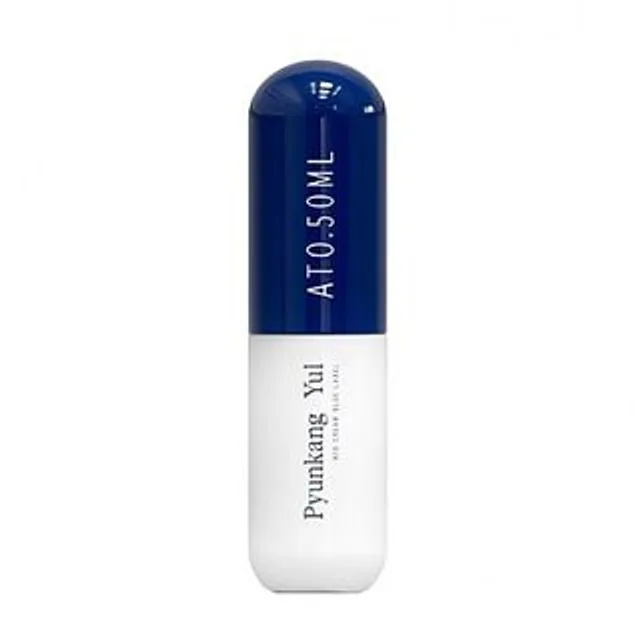
It's a true barrier-repair cream built for atopic and eczema-prone skin — ceramide and copper peptide to rebuild the barrier, honeysuckle and azulene to calm inflammation, and rich emollients to deeply moisturize, all fragrance-free and free of 20 common irritants. Dermatologically tested and gentle enough for babies, it's a rare combination of genuinely soothing and genuinely nourishing.
A genuinely soothing barrier-repair cream for atopic and eczema-prone skin: ceramide and copper peptide rebuild the barrier, honeysuckle and chamomile-derived azulene calm redness, and rich emollients deeply moisturize — all fragrance-free and free of 20 common irritants, gentle enough for babies. Excellent for dry, reactive, flare-prone skin and a fair value. Too rich for oily skin, not fungal-acne safe, and not a replacement for medical eczema treatment.
The case for it
What would change this: A declared concentration would move this to a firmer reading of the dose.
Same rule for everyone. “Supporting role” is the verdict on 8,197 of 45,024 concern verdicts across the catalog; rule R8a decided 1,489 of them. Unchanged since September 5, 2026, engine 5.1.1.
Brand or formulator? Disclose a concentration or correct a fact →
The studies behind the evidence row
The case for it
What would change this: A declared concentration would move this to a firmer reading of the dose.
Same rule for everyone. “Good choice” is the verdict on 9,564 of 45,024 concern verdicts across the catalog; rule R5 decided 9,072 of them. Unchanged since September 5, 2026, engine 5.1.1.
Brand or formulator? Disclose a concentration or correct a fact →
The studies behind the evidence row
The case for it
Same rule for everyone. “Good choice” is the verdict on 9,564 of 45,024 concern verdicts across the catalog; rule R5 decided 9,072 of them. Unchanged since September 5, 2026, engine 5.1.1.
Brand or formulator? Disclose a concentration or correct a fact →
The studies behind the evidence row
The case for it
What would change this: A researched evidence row for the lead active would replace this with a verdict.
Same rule for everyone. “Good choice” is the verdict on 1,938 of 45,024 concern verdicts across the catalog; rule F2 decided 1,938 of them. Unchanged since September 5, 2026, engine 5.1.1.
Brand or formulator? Disclose a concentration or correct a fact →
The case for it
What would change this: A researched evidence row for the lead active would replace this with a verdict.
Same rule for everyone. “Supporting role” is the verdict on 8,197 of 45,024 concern verdicts across the catalog; rule R8 decided 4,250 of them. Unchanged since September 5, 2026, engine 5.1.1.
Brand or formulator? Disclose a concentration or correct a fact →
Does the jobDoes what a moisturizer is for: draws in water, softens and smooths.
A verdict is DermApproved’s assessment of how well a product’s ingredients fit a concern — never a claim about what the product treats. Evidence dots and collected reviews sit beside it and are never blended in. Rules 0.5.1 · evidence table ev-2026.09-r228 · how we decide
Most skincare brands name their soothing creams aspirationally. Pyunkang Yul's ATO line is named diagnostically: 'ATO' is short for atopic, and the brand was created by an actual Korean medicine hospital that treats atopic and sensitive skin. That origin matters, because it shows in the priorities. This isn't a luxury cream dressed up as gentle, or a trend product with a calming claim bolted on — it's a barrier-repair cream built the way someone who treats eczema-prone skin all day would build one: rebuild the barrier, calm the inflammation, and strip out anything that might provoke a flare. Judged as what it is — a supportive cream for the most reactive skin — it's genuinely well-made.
The barrier-repair core is the foundation. Ceramide NP, a skin-identical lipid, reinforces the compromised barrier that defines atopic and eczema-prone skin, where the 'mortar' between skin cells is leaky and lets moisture out and irritants in. Alongside it sits copper tripeptide-1, a peptide with real skin-repair and wound-healing credentials, an uncommon and thoughtful inclusion that signals this cream is meant to help damaged skin recover, not just sit on top of it. Together they target the actual mechanism behind reactive, flare-prone skin rather than just masking symptoms.
Then comes the calming layer, and it's where the brand's herbal heritage shines. Honeysuckle (Lonicera japonica) flower extract — a traditional anti-inflammatory botanical that also contributes to gentle preservation — soothes the itch and redness of irritated skin. And guaiazulene, the ingredient that gives the cream its faint, distinctive blue tint, is a chamomile-derived anti-inflammatory and antioxidant that directly targets redness. That blue color, worth noting, isn't dye — it's the active itself, a visual signature of the soothing intent. Yeast beta-glucan and aloe round out a genuinely deep anti-inflammatory roster.
The nourishing side handles the dryness that always accompanies a compromised barrier. Macadamia seed oil and shea butter deliver rich, fatty-acid-dense moisture, beeswax seals it in, and glycerin draws water to the skin. The result is a whipped, gel-cream texture that, despite its richness, absorbs more easily than you'd expect and doesn't leave a heavy, greasy film. It deeply moisturizes flaky, tight, barrier-damaged skin while staying comfortable enough for daily face use.
What ties it all together is what's left out. The cream is fragrance-free, essential-oil-free, and marketed as free of 20 common irritants, dermatologically tested, and gentle enough for the whole family including babies. For atopic, eczema-prone, and highly reactive skin — where fragrance and additives are common flare triggers — that restraint is the most important feature of all, and it's the reason the cream scores so well on gentleness. In use, the payoff is immediate: tightness and dryness ease on first application, and over a week or three of consistent use, skin looks calmer, less reactive, and less flaky.
Now the honest framing, because it matters most for this kind of product. 'ATO' refers to atopic-prone skin, but this is a supportive moisturizer, not a medication. It soothes, hydrates, and helps strengthen the barrier to reduce the dryness and irritation that trigger flares — but active eczema often needs actual medical treatment, and this cream should be used alongside, not instead of, prescribed care. Setting that expectation correctly is the difference between a satisfied user and a disappointed one.
The other limitations follow from the richness. This is a nourishing cream best suited to dry, sensitive, and eczema-prone skin, especially in colder months; oily skin will likely find it heavy and is better served by a lighter moisturizer. It's not fungal-acne safe, owing to the macadamia oil and other emollients, so the malassezia-prone should steer clear. And it's not vegan — the beeswax rules that out, while the macadamia makes it a tree-nut product worth flagging for allergies. None of these matter for the reactive, dry skin it's built for, but they define its lane clearly.
The value is strong and on-brand. At around $19 for a generous 120ml tube (a smaller 50ml jar also exists), usable on face and body, it lasts two to four months and costs far less than the derm-brand and prestige eczema creams it competes with on gentleness. For families managing reactive or eczema-prone skin across multiple people, that economy adds up fast.
Where it lands: this is one of the better budget barrier-repair creams for atopic, eczema-prone, and highly sensitive skin, and its hospital origin shows in how seriously it takes both repair and restraint. Buy it understanding it's a supportive, soothing daily moisturizer — not a cure — and that its richness and beeswax make it wrong for oily and fungal-acne-prone skin. For dry, reactive, flare-prone skin and for gentle whole-family use, it does exactly what such a cream should: rebuilds, calms, and moisturizes without a single thing to provoke the skin it's trying to protect.
The hero actives that drive this product's performance.
| Ingredient | Function | Evidence |
|---|---|---|
| Ceramide NP + Copper Tripeptide-1 | The barrier-and-repair core — a skin-identical ceramide reinforces the lipid barrier while copper tripeptide-1 supports repair of damaged, irritated skin, the pairing the brand highlights for rebuilding the compromised barrier behind atopic and eczema-prone skin. | Established mechanism for Compromised Skin Barrier · established mechanism |
| Honeysuckle (Lonicera Japonica) Flower Extract | A soothing, anti-inflammatory botanical that doubles as part of the formula's gentle natural-leaning preservation, calming the itch and redness of reactive, atopic skin while keeping the irritant load low — fitting for a cream aimed at the most sensitive users. | Not yet assessed |
| Macadamia Oil + Shea Butter | The nourishing emollient pair that deeply moisturizes dry, flaky, barrier-compromised skin — macadamia oil's fatty acids and shea's richness work with beeswax to seal in moisture, giving this cream the lasting comfort eczema-prone skin needs. | Established mechanism for Dryness · established mechanism |
| Guaiazulene (Azulene) | A deep-blue chamomile-derived anti-inflammatory and antioxidant — its inclusion (and the cream's faint blue tint) targets redness and irritation directly, reinforcing the formula's calming, barrier-soothing intent for atopic skin. | Not yet assessed |
Ingredient standings describe the active at treatment-level doses and vehicles; this product's own condition grades weigh its actual formula.
Water, Glycerin, Methylpropanediol, Caprylic/Capric Triglyceride, Cetearyl Alcohol, Macadamia Integrifolia Seed Oil, Hydrogenated Polydecene, Butyrospermum Parkii (Shea Butter), Glyceryl Stearate, Beeswax, Arachidyl Alcohol, Behenyl Alcohol, Arachidyl Glucoside, Phenyl Trimethicone, Lonicera Japonica (Honeysuckle) Flower Extract, Cetearyl Glucoside, Sorbitan Stearate, Cellulose Gum, Ceramide NP, Guaiazulene, Yeast Beta-Glucan, Copper Tripeptide-1, Aloe Barbadensis Leaf Powder, Hydrogenated Lecithin, Octyldodecanol, 1,2-Hexanediol, Caprylyl Glycol, Carbomer, Citric Acid, Butylene Glycol, Hydroxyacetophenone, Myrtus Communis Extract, Tropaeolum Majus Extract, Tromethamine, Disodium EDTA, Ethylhexylglycerin
moisturizer
AM & PM
Apply as the moisturizing step or as needed on dry, irritated patches, on the face or body. It seals in hydration over serums, and a thicker layer can act as a soothing overnight balm on eczema-prone areas.
Immediate relief of tightness and dryness, with skin feeling comforted from first use. Calmer, less reactive, better-protected skin and reduced flaking build over one to three weeks of consistent use, especially on atopic or eczema-prone areas.
This cream reflects sound barrier-repair principles for atopic-prone skin. The foundation is ceramide NP, a skin-identical lipid with strong evidence for reinforcing the stratum corneum barrier and reducing trans-epidermal water loss — central to managing atopic and eczema-prone skin, where barrier dysfunction is a defining feature. Copper tripeptide-1 adds promising evidence for skin repair and wound healing. The emollient and occlusive system — macadamia seed oil, shea butter, caprylic/capric triglyceride, and beeswax — is well-evidenced for moisturizing and sealing in hydration, while glycerin provides humectant draw. The anti-inflammatory roster is the formula's soothing strength: honeysuckle (Lonicera japonica) has traditional and promising anti-inflammatory evidence, guaiazulene (a chamomile-derived azulene) has promising antioxidant and anti-inflammatory activity and contributes the blue tint, and yeast beta-glucan and aloe add soothing, barrier-supportive benefits. The deliberate exclusion of fragrance, essential oils, and 20 named common irritants is the most clinically meaningful feature for reactive skin, since these are frequent triggers in atopic dermatitis. The relevant caveats are that the oils and beeswax make it unsuitable for fungal-acne-prone skin and non-vegan, and that it is a cosmetic moisturizer rather than a medical treatment. The honest reading: a well-formulated, genuinely soothing barrier-repair moisturizer whose ceramide-and-anti-inflammatory design is appropriate for atopic and sensitive skin as supportive, not curative, care.
Clinically, this is a sensibly formulated supportive moisturizer for atopic and eczema-prone skin. Barrier repair through ceramide supplementation and rich emollients is a cornerstone of atopic dermatitis management, since restoring the lipid barrier reduces water loss and the penetration of irritants and allergens that drive flares, and the fragrance-free, low-irritant formulation aligns with standard guidance to avoid fragrance and unnecessary additives in eczema-prone skin. The anti-inflammatory botanicals and azulene offer soothing benefit, and copper peptide is a reasonable repair adjunct. The essential clinical point is that this is a cosmetic moisturizer, not a treatment: active eczema flares typically require medical therapy such as topical corticosteroids or calcineurin inhibitors, and a barrier cream like this is best used as adjunctive daily moisturization between and around flares, and for general dry, sensitive skin. Patients should note the macadamia oil and beeswax for nut allergy and fungal-acne considerations, and use sunscreen in daytime. For supportive, gentle barrier care, including for sensitive pediatric skin under appropriate guidance, it is a reasonable choice.
Apply as your moisturizing step, morning and night, or as needed on dry, irritated patches on the face or body. Smooth a small amount over clean skin; the whipped texture spreads and absorbs without heaviness. Layer it over hydrating serums or toners to seal in moisture, and use a thicker layer as a soothing overnight balm on stubborn eczema-prone or flaky areas. It's suitable for the whole family, including sensitive skin, though confirm with a pediatrician or dermatologist for infant or medically active skin. Pair daytime use with sunscreen, and use it alongside any prescribed eczema treatment rather than as a replacement.
The ATO Cream offers strong value for a barrier-repair cream. At around $19 for a generous 120ml tube — with a smaller 50ml jar also available — and usable on both face and body, it lasts two to four months and costs significantly less than dermatologist-brand and prestige eczema creams offering comparable ceramide-and-soothing formulations. The deep anti-inflammatory roster and copper peptide are more than most budget barrier creams include. For families managing reactive or eczema-prone skin across multiple members, the economy is meaningful given the whole-family positioning. The value is strongest for dry, sensitive, and atopic skin that benefits from the richness; oily skin would get more from a lighter, cheaper moisturizer. Against the fragrance-free derm-brand creams it competes with, it's a clear bargain.
Dry, sensitive, atopic, and eczema-prone skin needing a genuinely soothing, fragrance-free barrier-repair cream, especially for cold weather or flare-prone areas. It's ideal for families wanting one gentle cream for multiple members (including, with guidance, babies), and for anyone reactive to fragranced moisturizers.
Those with oily skin will find it too rich and should choose a lighter moisturizer. Those with fungal acne must skip it for the oils and beeswax, vegans should avoid it for the beeswax, those with tree-nut allergies should note the macadamia, and anyone with active eczema should treat it as supportive care alongside, not instead of, medical treatment.
Ready to try Pyunkang Yul ATO Cream Blue Label?
Buy at Amazon ♥A whipped, gel-cream texture with a faint blue tint from the azulene; it spreads easily and absorbs without a heavy, greasy residue despite its richness.
Completely fragrance-free and essential-oil-free, with only a faint natural note — appropriate for atopic and baby skin.
Available as a 120ml tube and a 50ml jar; the tube is hygienic and travel-friendly, ideal for a cream used on reactive skin and shared family use.
Skin feels immediately soothed and comforted — tightness and dry tension ease on first application, and the whipped texture absorbs more easily than its richness suggests. There's no fragrance or sting, fitting for the most sensitive skin. Calmer, less reactive skin and reduced flaking build over the following weeks of consistent use.
The 120ml tube is generous — roughly 2-4 months depending on whether it's used on the face only or face and body.
fall winter
Drawing directly on its parent hospital's focus on atopic and sensitive skin, Pyunkang Yul's ATO line (short for atopic) was formulated for the most reactive, eczema-prone users. The Blue Label cream — named for the azulene that tints it faintly blue — combines barrier-repair lipids with anti-inflammatory botanicals in a deliberately stripped-down, irritant-free formula safe enough for the whole family.
Pyunkang Yul was founded in 2016 by Korea's Pyunkang Korean Medicine Hospital, giving it derm-adjacent, herbal-medicine credibility. The ATO line targets atopic, eczema-prone, and highly sensitive skin; this barrier cream is dermatologically tested, free of 20 common irritants, and gentle enough to be marketed for the whole family including babies, with a large, positive review base.
An 'ATO' eczema cream is a medical treatment that will cure eczema.
ATO refers to atopic-prone skin, and this is a supportive barrier-repair moisturizer, not a medication. It soothes, hydrates, and helps strengthen the barrier to reduce flare triggers, but active eczema often needs medical treatment. Use it as a gentle daily moisturizer alongside, not instead of, prescribed care.
The blue tint means it contains artificial dye.
The faint blue color comes from guaiazulene, a naturally chamomile-derived anti-inflammatory compound, not an added dye. The color is the active itself — a visual signature of the soothing, anti-redness intent behind the formula.
ATO refers to atopic-prone skin — the line is designed for eczema-prone, highly sensitive skin. This is a supportive barrier-repair moisturizer, not a medication: it soothes, hydrates, and helps strengthen the skin barrier to reduce dryness and irritation, but active eczema flares often need medical treatment. Use it as a gentle daily moisturizer alongside any prescribed care.
Yes — it's dermatologically tested, fragrance-free, free of 20 common irritants, and marketed as safe for the whole family including babies. The ceramide-and-honeysuckle formula soothes and repairs without fragrance or harsh additives. It's one of the gentler barrier creams available, though for infant or medical use you should still confirm with a pediatrician or dermatologist.
The faint blue tint comes from guaiazulene (azulene), a naturally chamomile-derived anti-inflammatory and antioxidant compound — not an artificial dye. The color is the soothing active itself, and it's a visual signature of the cream's focus on calming redness and irritation.
Likely yes — it's a nourishing barrier cream with macadamia oil, shea butter, and beeswax, best suited to dry, sensitive, and eczema-prone skin, especially in colder months. Oily skin may find it heavy, though it can be used on dry patches. For all-over oily skin, a lighter moisturizer is a better match.
Neither — it contains macadamia oil and other emollients that aren't fungal-acne safe, and beeswax, which makes it non-vegan (the macadamia is also a tree-nut consideration). Those managing fungal acne or following a vegan routine should choose a different barrier cream; for eczema-prone and dry sensitive skin, the richness is the benefit.
Yes — it's designed for face and body and for whole-family use, so you can apply it to dry, irritated patches anywhere, like elbows, hands, or eczema-prone areas. A thicker layer can act as a soothing overnight balm on stubborn dry spots. The 120ml tube size makes body use practical and economical.
Recurring themes our editors read across retailer reviews of this product — summaries in our words, not quotations, and not a substitute for your own patch test.
Calms redness, itch, and irritation
Deeply moisturizing for eczema-prone skin
Gentle and fragrance-free, family-friendly
Too rich for oily skin
Contains beeswax and macadamia oil
Not fungal-acne safe
Verified answers from our questions library — the nuance a product page cannot carry.