
The Smarter Skincare Routine in Your 50s and Beyond
Updated September 2026 · picks refresh with our database
Skin in your fifties plays by different rules, and the biggest one is hormonal: as estrogen falls through menopause, skin loses roughly thirty percent of its collagen within the first five years, along with much of the oil production that kept moisture locked in. The result is a familiar cluster: dryness that a younger routine can't touch, thinning that makes skin feel fragile, and a barrier that takes longer to recover from every insult. A routine genuinely helps here, but honesty first: these changes are hormone-driven, and skincare is management, not hormone replacement. If symptoms extend well beyond skin, that conversation belongs with a doctor.
What a routine can do is meet the new physiology instead of fighting it. Richer textures finally earn their keep — creams built on ceramides, fatty acids, and cholesterol replace the light lotions of earlier decades, because they replenish lipids your skin no longer makes in quantity. Cleansing turns cream-based and lukewarm, since foaming away scarce oil is self-sabotage now. Actives still belong here — a retinoid remains the best-evidenced collagen tool at any age, with peptides and antioxidants pulling supporting weight — but the dosing philosophy flips: gentleness over intensity, lower strengths used consistently rather than strong ones used in bursts, everything buffered with moisturizer. Sunscreen stays daily, because thinner skin shows each new bit of damage faster. The picks below suit dry, moderately sensitive skin and favor formulas that treat while they cushion — nothing stripping, nothing harsh, nothing that mistakes irritation for efficacy.
The Smarter Skincare Routine in Your 50s and Beyond
dermapproved.com/routines/in-your-50s/ · September 2026
Morning Routine


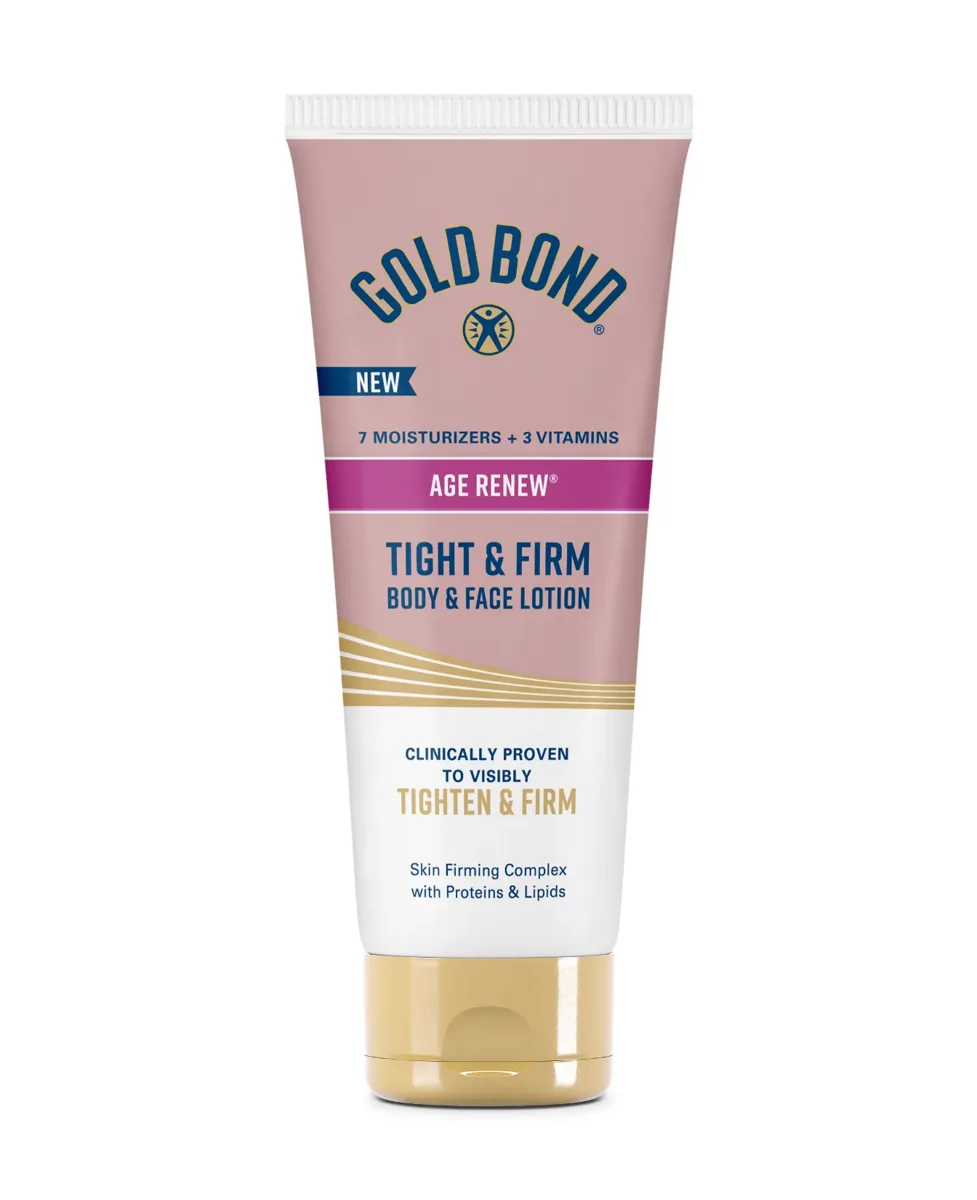
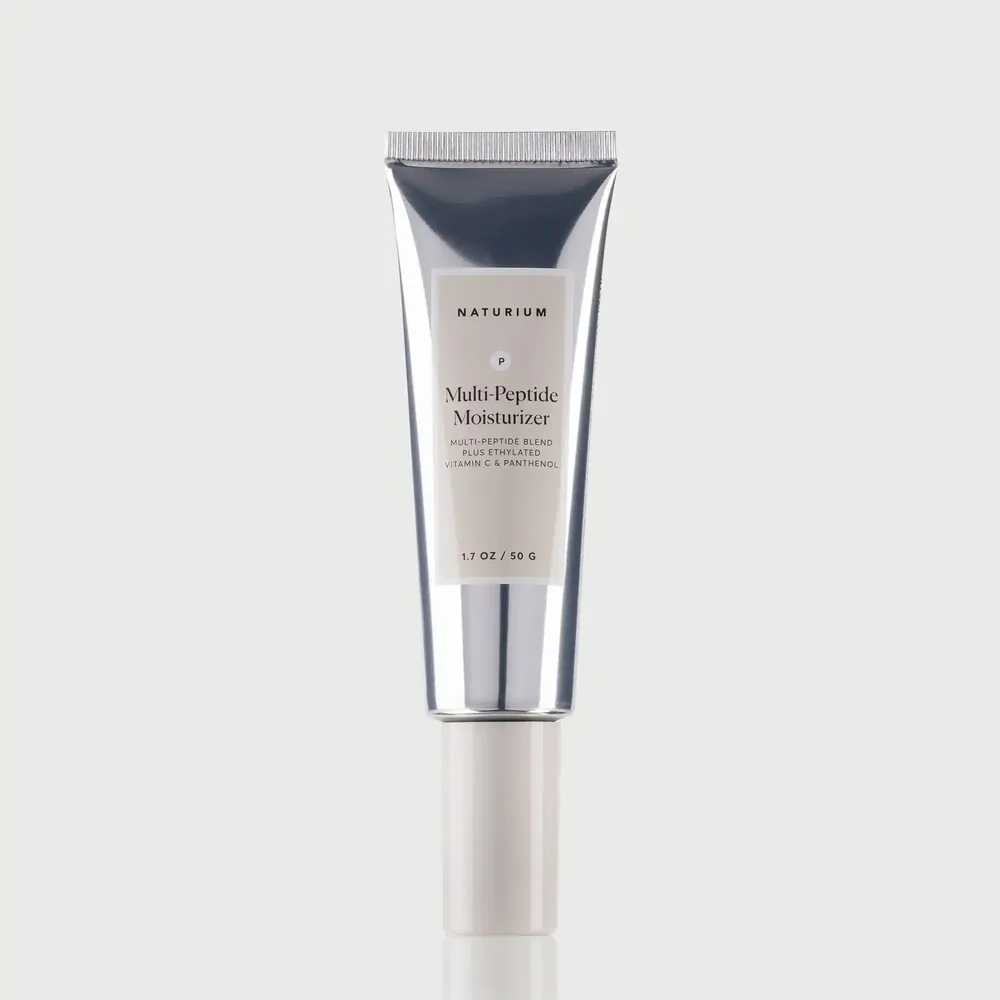

Sunscreen
Beauty of Joseon
Beauty of Joseon Dayscreen Moisturizer SPF 30
Final morning step — apply generously and reapply every two hours in direct sun.


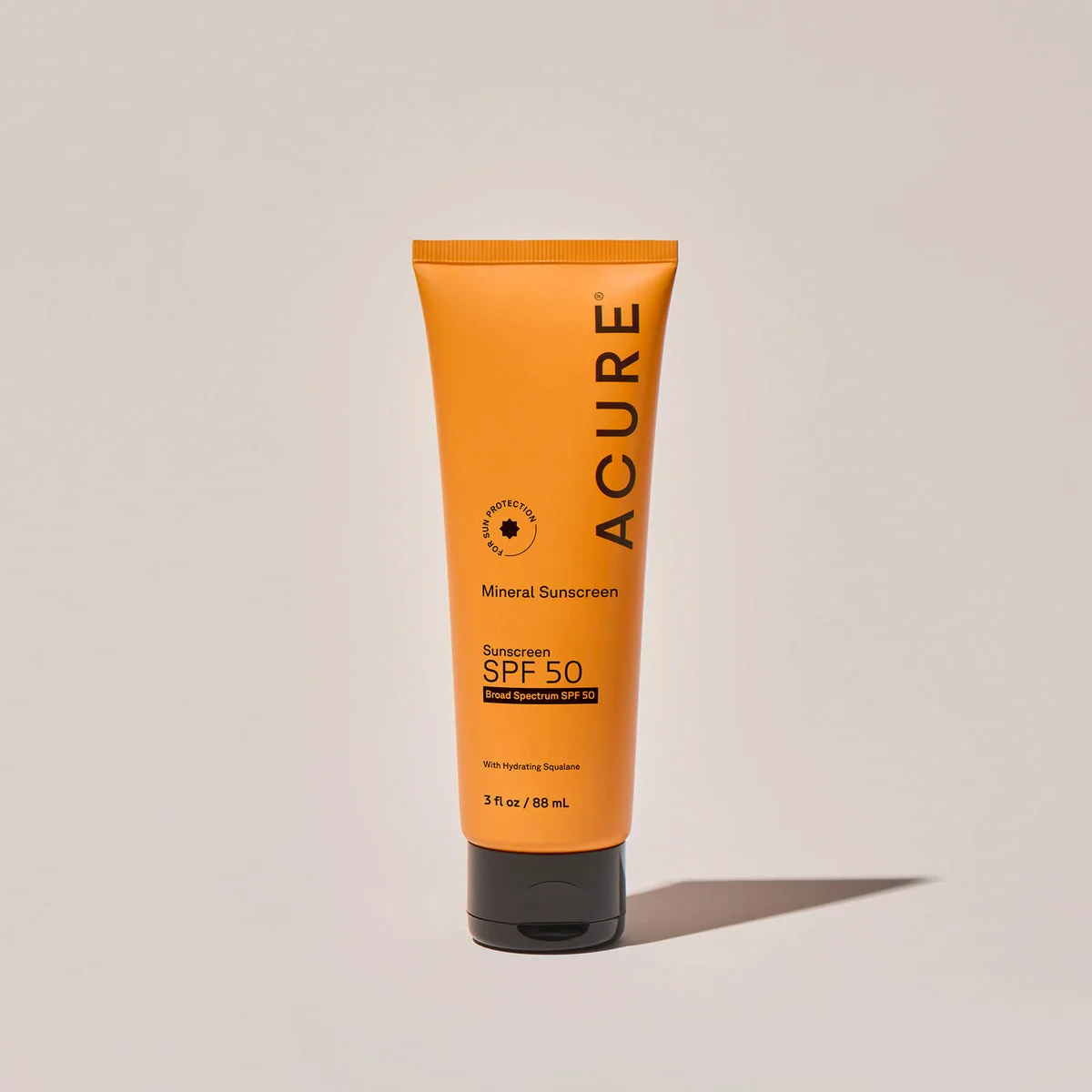
Evening Routine
Cleanser The INKEY List Glycerin Gentle Purifying Cleanser — same as your morning cleanser

Treatment
The Ordinary
The Ordinary Granactive Retinoid 5% in Squalane
Retinoid — start 2–3 nights a week and increase as your skin adjusts.


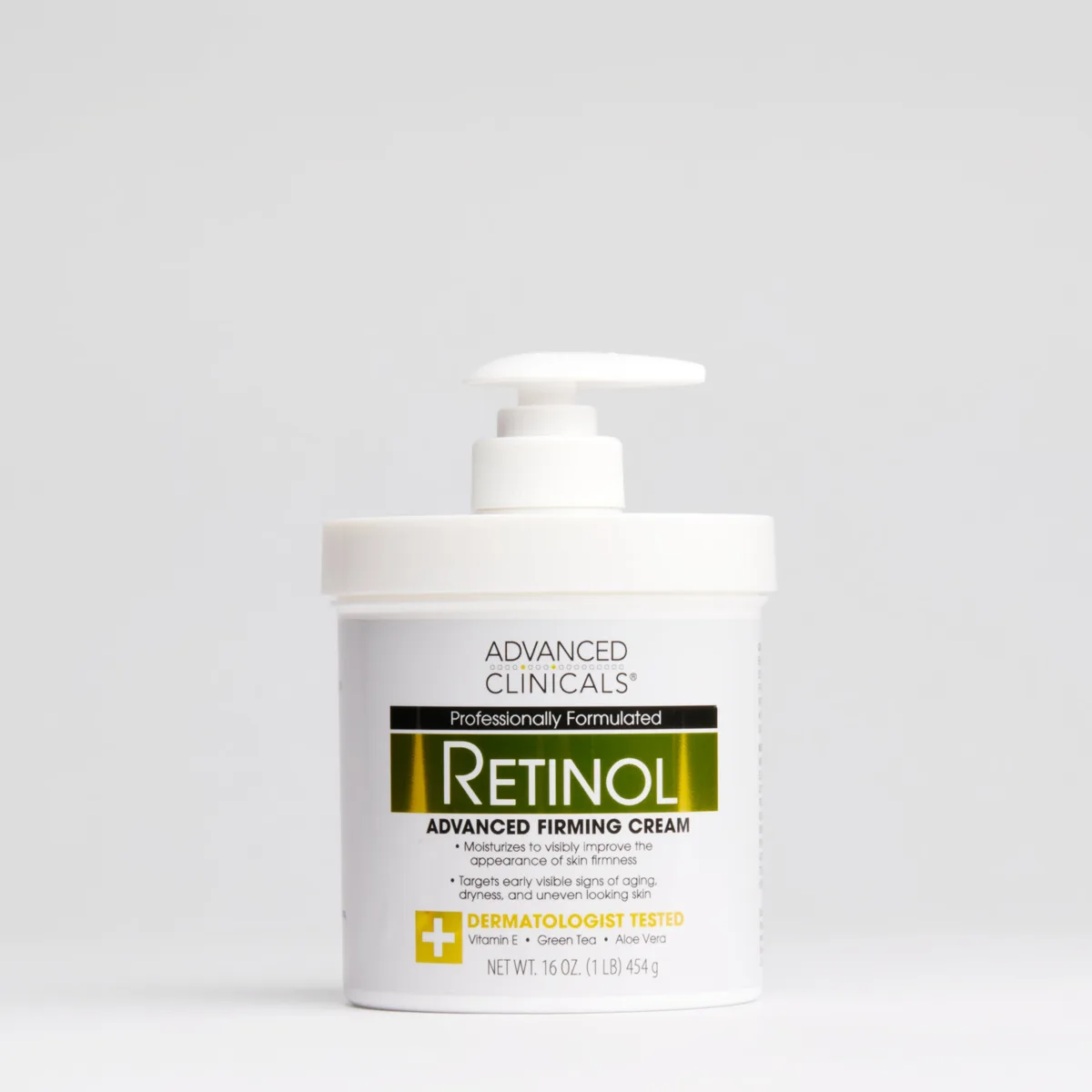
Moisturizer Prequel Half & Half Fluid Moisturizer — same as your morning moisturizer
Your Week at a Glance
| Evening active | Mon | Tue | Wed | Thu | Fri | Sat | Sun |
|---|---|---|---|---|---|---|---|
| Retinoid The Ordinary Granactive Retinoid 5% in Squalane | ✓ | ✓ | ✓ |
Everything else in the evening routine runs nightly, and the full morning routine runs every day. On unscheduled nights, just cleanse and moisturize.
Independently scored, no sponsored placements — dermapproved.com
Not quite your skin?
This routine is one profile. Answer six quick questions and our engine rebuilds it around your exact skin type, concerns, budget, and experience with actives.
Frequently Asked Questions
How does menopause actually change your skin?
Estrogen supports collagen production, oil output, and water retention, so its decline hits all three: studies show skin loses about 30% of its collagen in the first five years post-menopause, then continues declining more slowly. Skin becomes drier, thinner, and slower to heal — which is why routines that worked for decades abruptly stop feeling like enough.
Why is my skin so much drier after menopause?
Sebum production falls sharply as hormones shift, and sebum was doing more than you realized — its lipids helped seal water into the skin. With less of it, water escapes faster and the barrier weakens, so dryness becomes structural rather than situational. Replacing those lipids topically with ceramide- and fatty-acid-rich creams directly addresses the mechanism.
Are rich creams better than lightweight serums for skin over 50?
They do different jobs, and mature dry skin usually needs both. Serums deliver concentrated actives — retinoids, peptides, antioxidants — while rich creams supply the lipids and occlusion post-menopausal skin can no longer generate. The upgrade at this stage isn't abandoning serums; it's finally letting the heavy cream on top earn its place.
Can skincare reverse aging after 50?
Reverse is the wrong word — improve is fair. Retinoids can measurably rebuild some collagen and soften fine lines over months, hydration makes texture and plumpness visibly better within weeks, and sunscreen prevents the damage still to come. Deeper structural changes like significant laxity are beyond topicals and sit in dermatology-procedure territory.
Should I stop retinol now that my skin is more easily irritated?
Adjust it rather than abandon it — retinoids remain the best-evidenced topical for collagen at any age. Drop to a lower strength or a gentler derivative, cut back to two or three nights weekly, and sandwich it between layers of moisturizer. A milder retinoid used consistently outperforms a strong one your skin keeps rejecting.
Products are selected by our matching engine from independently scored reviews — no sponsored placements. Recommendations are not a substitute for professional dermatological advice; if you have a diagnosed skin condition, consult your dermatologist before starting a new routine.
The reading behind this
- Menopause & Mature SkinMenopause Changes the Skin You Are Treating, Not Just How It LooksThe collagen number is real. It is also the wrong thing to fix first — because the substrate your routine was built on has quietly been replaced.
- Anti-AgingSkin That Once Repaired Overnight Now Needs Most of a WeekAfter fifty, irritation stops being a free sample of progress and starts being a debt — which is why the right routine is a budget with a small number of well-chosen line items.