
Menopause Skincare Routine for Dry, Changing Skin
Updated September 2026 · picks refresh with our database
Estrogen does more for skin than most people realize until it leaves. It drives collagen production, supports sebum output, and helps skin hold water — so when levels fall through perimenopause and beyond, the changes arrive on several fronts at once. Research estimates skin loses as much as thirty percent of its collagen in the first five years after menopause, and the drop in oil production means skin that was normal or combination at forty can be genuinely dry and reactive at fifty-five. None of this is a skincare failure. It's endocrinology, and it deserves a routine built for the skin you have now rather than the one your products were chosen for a decade ago.
Honesty about what topicals can do: a well-built routine meaningfully improves hydration, barrier resilience, texture, and fine lines. Retinoids in particular have decades of evidence for stimulating collagen, and menopausal skin responds to them — just more slowly, and with less tolerance for aggressive introduction. What no cream can do is replace systemic estrogen. If you're weighing hormone replacement therapy, that's a conversation for your doctor or a menopause specialist; this routine is the topical layer, not a substitute for that decision.
The structure below reflects dry, moderately sensitive skin: cream-based cleansing that doesn't strip what little oil remains, a treatment step introduced gradually and buffered generously, a rich ceramide-and-lipid moisturizer to slow water loss, and daily sunscreen — because UV remains the biggest controllable driver of the collagen loss you're already fighting hormonally.
Menopause Skincare Routine for Dry, Changing Skin
dermapproved.com/routines/menopause/ · September 2026
Morning Routine


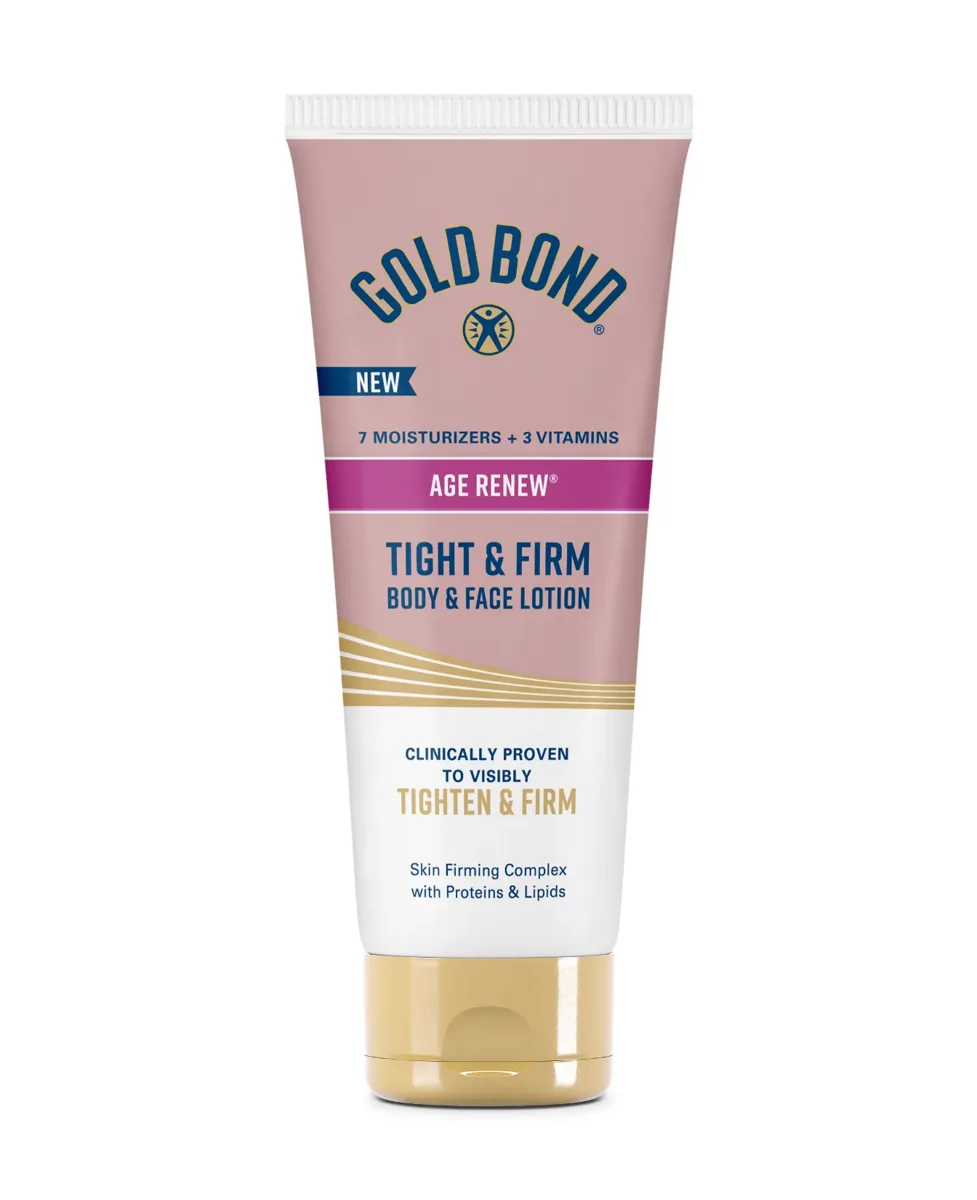
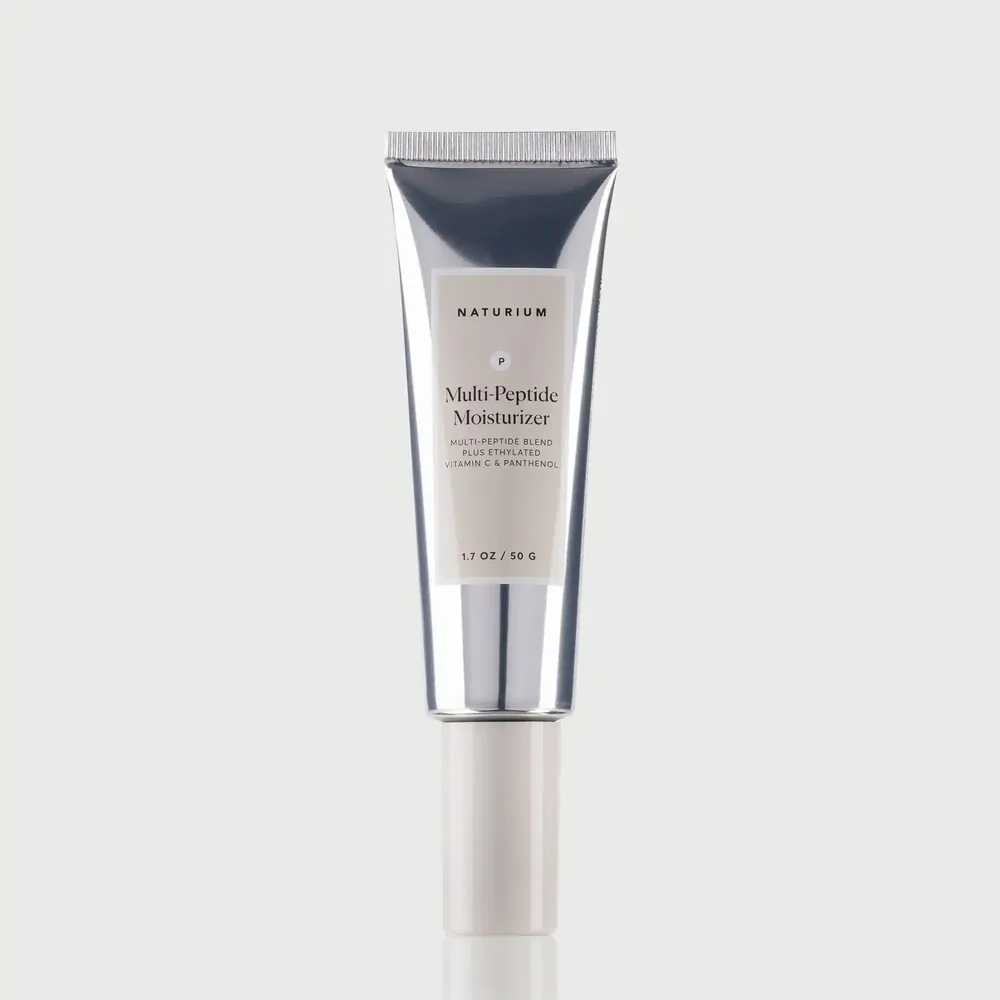

Sunscreen
Beauty of Joseon
Beauty of Joseon Dayscreen Moisturizer SPF 30
Final morning step — apply generously and reapply every two hours in direct sun.


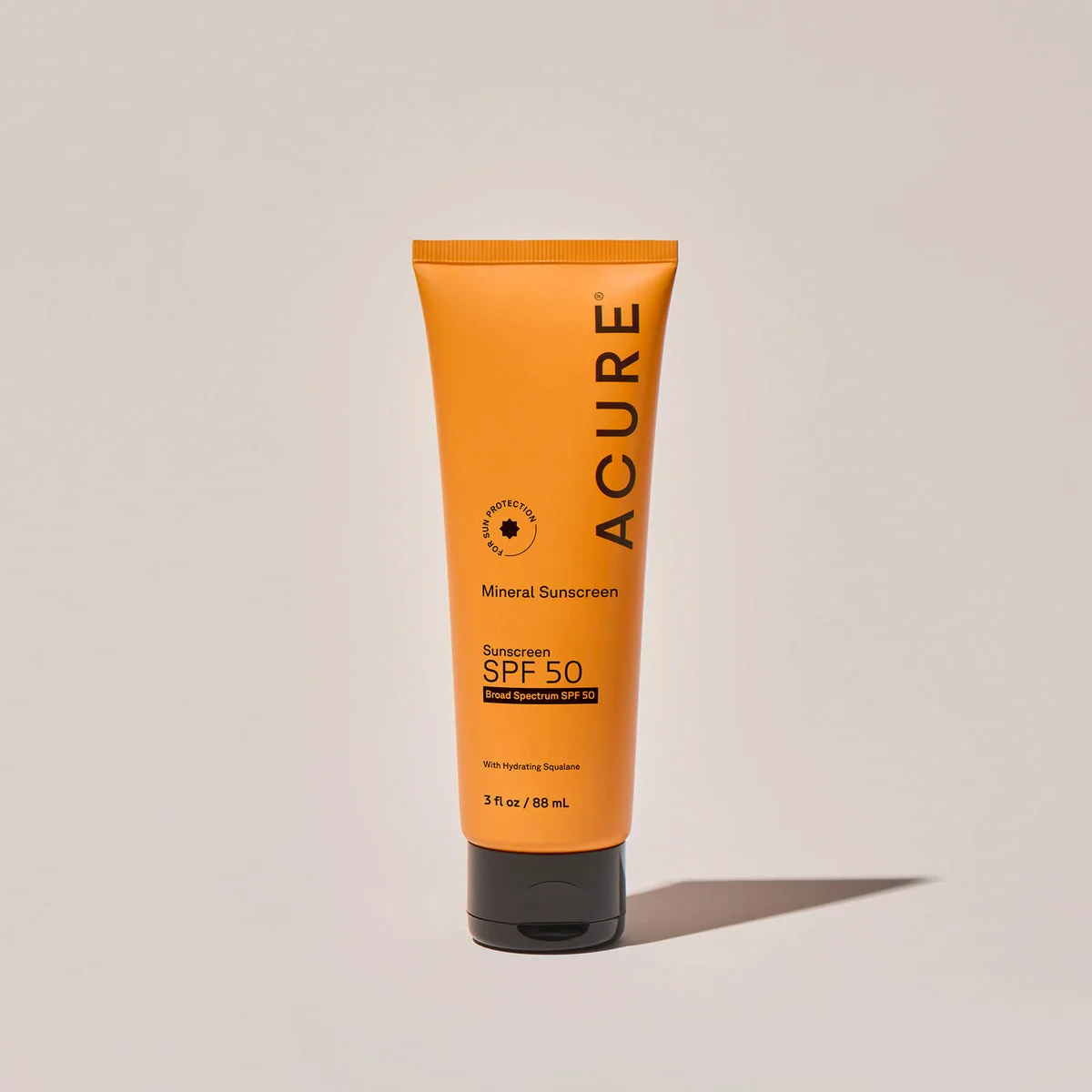
Evening Routine
Cleanser The INKEY List Glycerin Gentle Purifying Cleanser — same as your morning cleanser

Treatment
The Ordinary
The Ordinary Granactive Retinoid 5% in Squalane
Retinoid — start 2–3 nights a week and increase as your skin adjusts.


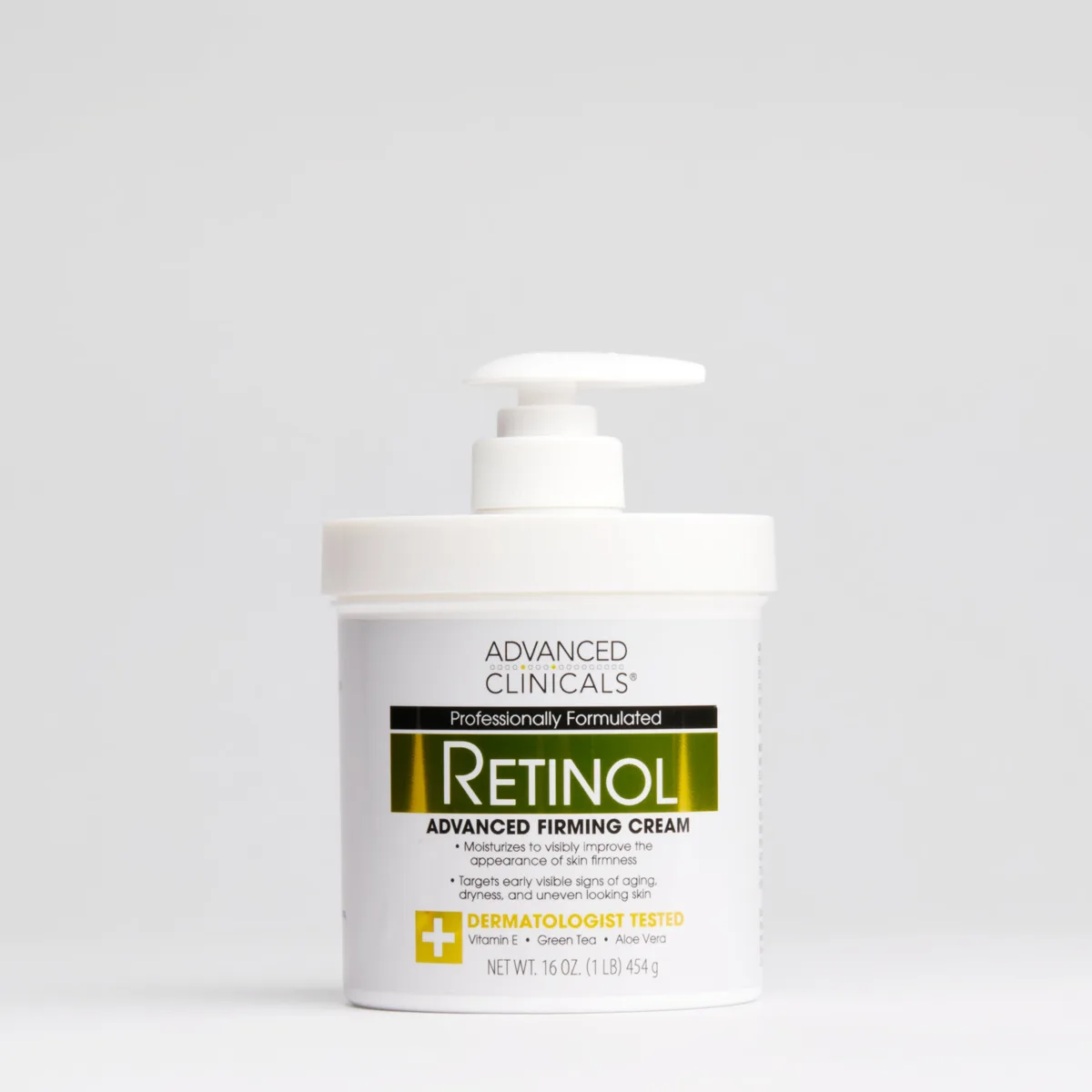
Moisturizer Prequel Half & Half Fluid Moisturizer — same as your morning moisturizer
Your Week at a Glance
| Evening active | Mon | Tue | Wed | Thu | Fri | Sat | Sun |
|---|---|---|---|---|---|---|---|
| Retinoid The Ordinary Granactive Retinoid 5% in Squalane | ✓ | ✓ | ✓ |
Everything else in the evening routine runs nightly, and the full morning routine runs every day. On unscheduled nights, just cleanse and moisturize.
Independently scored, no sponsored placements — dermapproved.com
Not quite your skin?
This routine is one profile. Answer six quick questions and our engine rebuilds it around your exact skin type, concerns, budget, and experience with actives.
Frequently Asked Questions
Why did my skin get so dry in my 50s?
Falling estrogen reduces both sebum production and the skin's ability to hold water, while thinning skin loses moisture faster — a triple hit that turns previously normal skin dry within a few years of menopause. It's hormonal, not something you caused. Richer moisturizers with ceramides and gentler cleansing address the topical side effectively.
Can skincare do what HRT does for skin?
No — topical routines improve hydration, barrier function, and fine lines, but they act locally and can't restore systemic estrogen's effects on collagen and skin thickness. Studies do show HRT can improve skin parameters, but it's a medical decision made on much bigger factors than skin. Bring that question to your doctor or a menopause specialist; run a good routine either way.
Is it too late to start retinol after menopause?
Not at all — some of the strongest retinoid research was done on mature, photoaged skin, and collagen stimulation works at any age. Menopausal skin does tolerate less, so start with a low strength once or twice a week, buffer it over moisturizer, and expect the payoff on a six-month timescale rather than six weeks.
Why does everything suddenly sting when it never used to?
Thinner skin, a weaker lipid barrier, and reduced oil mean ingredients penetrate faster and irritate more easily than they did pre-menopause. Products you used for years can genuinely stop agreeing with you. Rebuild tolerance by simplifying to gentle basics for a few weeks, then reintroduce actives one at a time at lower frequency.
What ingredients matter most for menopausal skin?
A retinoid for collagen stimulation, ceramides and fatty acids to rebuild the thinning lipid barrier, humectants like glycerin and hyaluronic acid for water loss, and daily sunscreen to protect the collagen you're working to keep. Peptides and niacinamide are reasonable supporting players. Estrogen-mimicking 'phytoestrogen' creams have far weaker evidence than any of the above.
Products are selected by our matching engine from independently scored reviews — no sponsored placements. Recommendations are not a substitute for professional dermatological advice; if you have a diagnosed skin condition, consult your dermatologist before starting a new routine.
The reading behind this
- Menopause & Mature SkinMenopause Changes the Skin You Are Treating, Not Just How It LooksThe collagen number is real. It is also the wrong thing to fix first — because the substrate your routine was built on has quietly been replaced.
- Anti-AgingSkin That Once Repaired Overnight Now Needs Most of a WeekAfter fifty, irritation stops being a free sample of progress and starts being a debt — which is why the right routine is a budget with a small number of well-chosen line items.
- Anti-AgingYour Routine Is Still Fighting an Oil Slick That Dried Up Years AgoSebum output falls by roughly a third per decade in women, which quietly invalidates the cleanser, the acid schedule and the weightless gel you picked when your face ran wet.