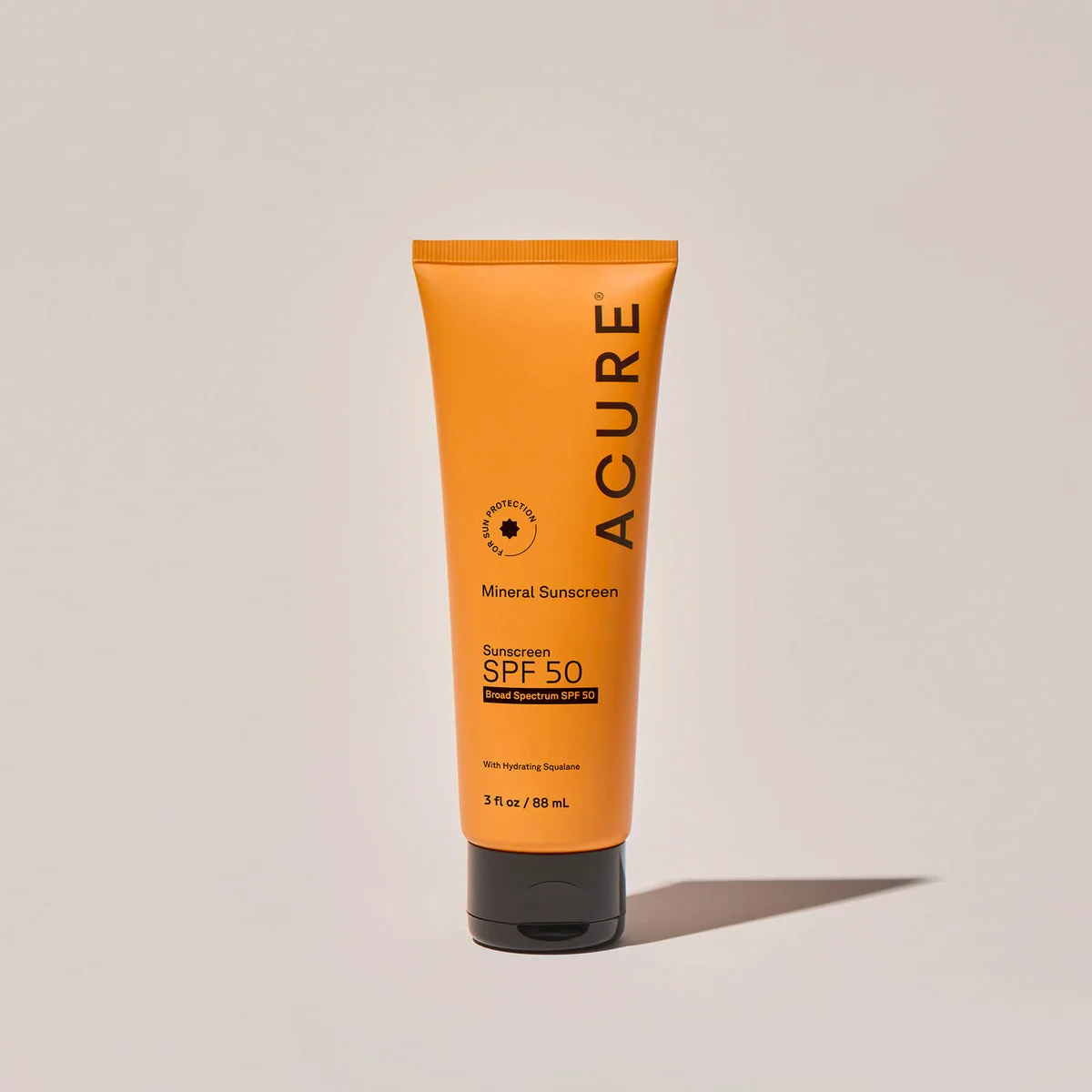
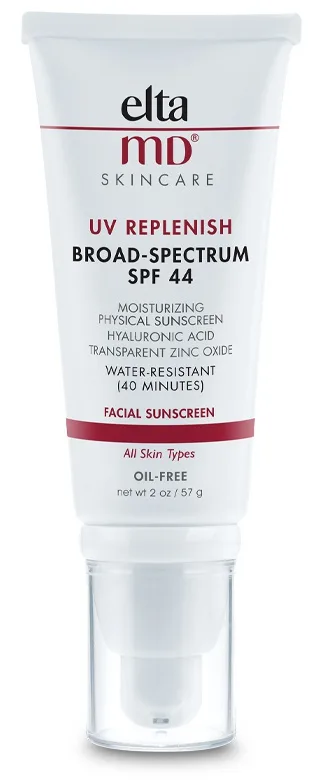
It pushes zinc oxide to a high 22% to reach SPF 50 with a single mineral filter and no chemical absorbers, while building in squalane, jojoba, aloe, and hyaluronic acid so the dense formula stays water-resistant yet hydrating. That combination of high protection, reef-conscious filtering, and a comforting base is its niche.
A high-zinc, no-compromise mineral sunscreen that hits SPF 50 with 22% zinc oxide and no chemical filters, built on a hydrating squalane-and-aloe base. It is a strong, gentle pick for sensitive and dry skin, though the heavy cast, dense texture, and small tube make it a deliberate choice rather than an effortless everyday one.
Full protectionfor Sun DamageIn your profileYou chose · Broad-spectrum SPF 50 with zinc oxide: the protection sun damage calls for.Moderate evidenceGentleNo reviews collected yet
The case for it
Zinc Oxide 22% is a first-line active — approved, monograph-listed or named in current guidelines — for this concern.
It is present at an effective concentration, declared or high in the ingredient list.
The formula carries none of the triggers this concern is sensitive to.
Same rule for everyone. “Full protection” is the verdict on 2,288 of 45,024 concern verdicts across the catalog; rule P1 decided 2,232 of them.
Unchanged since September 5, 2026, engine 5.1.1.
P1 — Photoprotection standing is regulatory (M020 / Annex VI filters; 21 CFR 201.327 attaches the early-skin-aging claim to tested broad-spectrum SPF 15+). SPF 30 is the AAD daily-use bar. · the full register
Good choicefor SensitivityIn your profileYou chose · No fragrance, drying alcohol, declarable allergens or sensitising preservatives in this lotion — the profile sensitive skin looks for.Not yet assessedGentleNo reviews collected yet
The case for it
Zinc Oxide 22% has no evidence row yet for this concern — it is in the research queue.
The formula carries none of the triggers this concern is sensitive to.
What would change this: A researched evidence row for the lead active would replace this with a verdict.
Same rule for everyone. “Good choice” is the verdict on 1,938 of 45,024 concern verdicts across the catalog; rule F2 decided 1,938 of them.
Unchanged since September 5, 2026, engine 5.1.1.
Full protectionfor AgingIn your profileYou chose · Broad-spectrum SPF 50 with zinc oxide: the protection aging calls for.Not yet assessedGentleNo reviews collected yet
The case for it
Zinc Oxide 22% has no evidence row yet for this concern — it is in the research queue.
The formula carries none of the triggers this concern is sensitive to.
What would change this: A researched evidence row for the lead active would replace this with a verdict.
Same rule for everyone. “Full protection” is the verdict on 2,288 of 45,024 concern verdicts across the catalog; rule P1 decided 2,232 of them.
Unchanged since September 5, 2026, engine 5.1.1.
P1 — Photoprotection standing is regulatory (M020 / Annex VI filters; 21 CFR 201.327 attaches the early-skin-aging claim to tested broad-spectrum SPF 15+). SPF 30 is the AAD daily-use bar. · the full register
Good choicefor DrynessIn your profileYou chose · Squalane is a reference standard by mechanism for dryness; this lotion carries it.Moderate evidenceGentleNo reviews collected yet
The case for it
Squalane has trial-supported standing for this concern.
It is plausibly present at a working level, though the concentration is not declared.
The formula carries none of the triggers this concern is sensitive to.
What would change this: A declared concentration would move this to a firmer reading of the dose.
Same rule for everyone. “Good choice” is the verdict on 9,564 of 45,024 concern verdicts across the catalog; rule R5 decided 9,072 of them.
Unchanged since September 5, 2026, engine 5.1.1.
Does the jobDoes what a sunscreen is for: UVA coverage, kind to the skin wearing it. Not measured from the label: pleasant enough to actually use.
A verdict is DermApproved’s assessment of how well a product’s ingredients fit a concern — never a claim about what the product treats. Evidence dots and collected reviews sit beside it and are never blended in.
Rules 0.5.1 · evidence table ev-2026.09-r228 · how we decide
Assessment
Pros & Cons
Pros
✓ High 22% zinc oxide reaches SPF 50 with no chemical filters
✓ Water-resistant, suitable for outdoor and active days
✓ Hydrating squalane, jojoba, and aloe base for a mineral SPF
✓ Bisabolol keeps it gentle for sensitive, reactive skin
✓ Reef-conscious, vegan, and cruelty-free formula
✓ Fragrance-free with no added scent
✓ Doubles as a face and body sunscreen
Cons
✗ Heavy white cast, especially noticeable on deeper skin tones
✗ Thick texture needs deliberate spreading and rub-in time
✗ Jojoba oil and richness can feel greasy on oily skin
✗ Small 3 oz tube depletes quickly for face-and-body use
✗ Not fungal-acne safe due to fatty alcohols and oils
Review
Full Review
Every mineral sunscreen is a negotiation between protection and cosmetics, and the higher you push the SPF, the harder that negotiation gets. Acure's Mineral Sunscreen SPF 50 does not pretend otherwise. It reaches its SPF 50 rating using a single filter — zinc oxide at a hefty 22% — with no chemical absorbers riding along to lighten the load. That number tells you almost everything about this product before you even open the tube: serious broad-spectrum protection, a reef-conscious profile, and an unavoidable white cast that you will be working into your skin every single morning. Whether that trade is worth it depends entirely on what you value.
Let us talk about the protection first, because it is the strong suit. Twenty-two percent zinc oxide is a high concentration, and it is doing all the work here across both UVA and UVB. For people with sensitive, reactive, or rosacea-prone skin who cannot tolerate chemical filters, an all-mineral SPF 50 is something of a holy grail — the strong protection of a high-SPF sunscreen without the stinging, the eye irritation, or the absorption concerns that send certain users running from chemical formulas. Add the water-resistant rating and you have a sunscreen genuinely suited to outdoor days, not just a desk-bound daily layer. This is the part Acure clearly prioritized, and it delivers.
The cosmetic tax is just as real, and pretending otherwise would do you a disservice. A 22% zinc formula casts. On lighter skin you can rub it down to something close to acceptable, especially given the squalane and emollients that thin the base and improve spreadability. On medium tones it is a manageable but present whiteness. On deep skin tones it will read ashy, full stop, and no amount of massaging fully fixes that — this is the long-standing limitation of high-percentage zinc sunscreens, and this product does not solve it. The texture is correspondingly thick: this is a dense, creamy lotion that demands deliberate application and a minute of rubbing rather than the quick swipe a thin chemical sunscreen allows. None of this is a flaw in the formula so much as the cost of the protection strategy it chose.
Where Acure earned my respect is in the base. A high-zinc sunscreen can very easily feel dry, tight, and chalky, and many do. This one fights that hard. Squalane, jojoba seed oil, aloe leaf juice, glycerin, and sodium hyaluronate combine to keep the finish hydrating and comfortable, and bisabolol — a chamomile-derived soothing agent — keeps the whole thing calm for the sensitive skin it is courting. The result is a mineral sunscreen that protects heavily but does not punish your skin with desert-dry tightness afterward. For dry and normal complexions, that base is a genuine pleasure. For oily skin, the same richness plus the jojoba oil and cetearyl alcohol tilt it toward feeling greasy and potentially congesting, so oily and breakout-prone faces should look at a lighter, oil-free mineral option instead. It is not fungal-acne safe, either.
Application discipline is non-negotiable with any SPF 50, and doubly so when the product is asking you to rub down a cast. The temptation with a thick, casting sunscreen is to use less so you look less ghostly — and that is exactly how you end up under-protected. SPF 50 only happens at a proper application density of roughly a quarter-teaspoon for the face. Skimp to avoid the whiteness and you have quietly downgraded yourself to a fraction of the labeled protection. The honest move is to apply the full amount, give it the minute it needs to settle, and accept a slightly toned-down version of the cast as the price of actually being protected.
The tube size is the other practical catch. At 3 fl oz, this is a small package for a product marketed for both face and body. Use it head-to-toe on a beach day and you will burn through it fast; even daily facial use at proper quantities empties it in a matter of weeks. There are no larger sizes to bring the per-use cost down, which makes the roughly twenty-two-dollar price tag feel steeper over time than it does at the register. As a value proposition, it is fair but not generous — you are paying a reasonable amount for a high-quality mineral SPF, but the small format means you will repurchase often.
A note on the brand framing, since Acure sells hard on natural and reef-conscious messaging. The reassuring thing here is that the claims are substantive rather than fear-based: it is a genuinely all-mineral, vegan, cruelty-free, reef-conscious sunscreen, and those are verifiable formulation facts, not vibes. You are not paying a 'clean beauty' premium for empty positioning; you are paying for an actual high-zinc formula. That is more than many products in this space can say.
The verdict is straightforward. If you have sensitive, dry, or reactive skin, want robust SPF 50 protection with no chemical filters, and you are at peace with a mineral cast and a dense texture, this is a well-made, well-considered sunscreen that takes care of your barrier while it protects you. If you have a deep skin tone, oily or acne-prone skin, or you simply want a sunscreen that disappears instantly with no effort, this high-zinc approach will frustrate you. It is an excellent tool for the right job — just be honest with yourself about whether it is your job.
Formula
Key Ingredients
The hero actives that drive this product's performance.
The single broad-spectrum filter, dosed high at 22% to reach SPF 50 on its own. This heavy load is what delivers the strong UVA-UVB coverage and reef-conscious profile, while also being the source of the inevitable mineral cast.
Regulator-approvedfor Sun Damage · limited certainty
A lightweight emollient that thins out the otherwise dense zinc base, improving spreadability and absorption so the high mineral load feels less heavy. It pairs with jojoba oil and aloe to keep the lotion hydrating rather than drying.
Established mechanismfor Dryness · established mechanism
A chamomile-derived soothing agent included to keep this high-zinc, sensitive-skin-targeted formula calm. It works with the aloe leaf juice to offset any tightness from the water-resistant film the sunscreen forms.
A humectant that draws water into the skin so this mineral lotion hydrates as it protects. In a high-zinc formula that can otherwise feel dry and chalky, it helps the finish read more comfortable.
Not yet assessed
Ingredient standings describe the active at treatment-level doses and
vehicles; this product's own condition grades weigh its actual formula.
Use as the final morning step over moisturizer, applying a generous, even layer to face and body. Let it dry down before sun exposure and reapply every two hours outdoors or after swimming.
Results Timeline
Photoprotection is immediate at proper application. There are no cumulative skincare 'results' to wait for beyond the long-term benefit of consistent sun protection in preventing photoaging and sun damage.
The defining variable in this formula is straightforward: zinc oxide at 22% as the lone filter. Zinc oxide is one of the few broad-spectrum filters that meaningfully covers both UVA and UVB, and a concentration this high is what makes a single-filter SPF 50 achievable without chemical absorbers. The mechanism is largely reflective and absorptive at the skin surface, which is why mineral filters are favored for reactive skin — they are minimally absorbed and rarely sensitize. The crucial, repeatedly demonstrated principle behind any SPF rating is application density: labeled SPF values are established at 2 mg/cm-squared, and real-world under-application is the dominant reason people get less protection than the number promises. This is especially relevant for a casting formula, where the urge to use less to reduce whiteness directly undercuts protection. The water-resistance claim relies on the film-forming components and emollient matrix maintaining the zinc layer through sweat and immersion for the tested interval, after which reapplication restores it. The supporting cast — squalane, hyaluronic acid, bisabolol, aloe — addresses tolerability rather than photoprotection: their role is to keep a high-zinc film from feeling dry or tight. The scientifically honest summary is that the protection here is driven almost entirely by the high zinc percentage applied correctly, and the rest of the formula exists to make wearing that much zinc bearable.
Dermatologist Perspective
High-percentage zinc oxide sunscreens are frequently suggested in clinical practice for sensitive, rosacea-prone, and reactive skin, and for patients who prefer to avoid chemical filters entirely. An SPF 50 mineral option like this aligns with general guidance favoring broad-spectrum protection at SPF 30 or above for daily use and higher for prolonged exposure. The most emphasized clinical point about sunscreens of any kind is adequate, even application and timely reapplication, since under-use is the common reason protection falls short of the label, an issue magnified when people skimp to reduce a mineral cast. Practical cautions for this specific formula include its comedogenic-leaning emollients, which make it a weaker choice for acne-prone and oily skin, and the cosmetic reality that high-zinc products leave a visible cast on deeper skin tones. For the sensitive and dry skin it targets, it fits standard recommendations for a gentle, robust mineral sunscreen well.
Guidance
Usage & Recommendations
How to Use
Apply as the final step of your morning routine, after moisturizer and before sun exposure. Use a generous, even layer — about a quarter-teaspoon for the face, more for the body — because SPF 50 only holds up at proper quantity. Massage it in for a minute to work down the cast, then let it dry for a few minutes before dressing or applying makeup. Reapply every two hours during sustained outdoor time, and after swimming, sweating, or toweling off. For body use, expect to go through the tube quickly and plan accordingly.
Value Assessment
At roughly twenty-two dollars for a 3 fl oz tube, this lands at a fair but not bargain price for a high-zinc mineral SPF 50. The formula quality — a 22% zinc load in a hydrating, soothing, water-resistant base — justifies the figure on paper. The practical drawback is the small size: marketed for both face and body, it depletes quickly, and with no larger format available, the real ongoing cost climbs faster than the sticker suggests. You are paying for a legitimately reef-conscious, vegan, all-mineral formula rather than for marketing, which is reassuring, but heavy or full-body users should budget for frequent repurchases.
Who Should Buy
Choose this if you have sensitive, dry, or reactive skin and want strong, all-mineral SPF 50 protection without chemical filters. It suits reef-conscious and chemical-averse users on lighter to medium skin tones who do not mind rubbing in a cast and value a hydrating, soothing base on an active, water-resistant sunscreen.
Who Should Skip
Skip it if you have a deep skin tone and dislike mineral cast, since 22% zinc will read ashy. Oily and acne-prone skin should also avoid it because the jojoba oil and rich base can feel greasy and congesting, and anyone wanting a fast, invisible, effortless sunscreen will find the thick texture and rub-in time tedious.
A thick, creamy lotion typical of high-zinc formulas; it needs deliberate spreading and rubbing to work the cast down into the skin.
Scent
Fragrance-free with only the faint, slightly earthy smell of the zinc and plant-oil base.
Packaging
Squeeze tube with a flip cap, opaque to shield the formula.
Finish
naturalnon-greasy
What to Expect on First Use
The first application shows an obvious white cast that takes a minute of massaging to subdue, and the lotion feels dense going on. There is no sting; the adjustment is purely about getting comfortable with the thicker texture and the rub-in time a 22% zinc formula demands.
How Long It Lasts
About 3-5 weeks if used daily on the face, far less if applied to face and body together at proper sunscreen quantities.
Acure expanded its sun-care range with this higher-SPF body-and-face option for shoppers who wanted stronger mineral protection than its SPF 30 day cream offered, while keeping the reef-conscious, vegan positioning the brand is known for. It targets the growing market for non-chemical, water-resistant daily sunblock.
About Acure Established Brand (5–20 years)
Acure has sold vegan, cruelty-free natural skincare since 2009 across US drugstore and natural-grocery channels. As a reef-conscious mineral sunscreen, this product's credibility rests on a high zinc oxide load and FDA OTC compliance rather than on brand-run clinical photoprotection trials.
Brand founded: 2009
Myth vs. Reality
Common Myths
Myth
A higher zinc percentage always means a worse white cast.
Reality
Cast depends on particle size, finish, and base as much as raw percentage. This 22% formula does cast, but the squalane and emollients help it rub down further than the number alone would suggest — though deeper tones will still see it.
Myth
Mineral sunscreens are not water-resistant.
Reality
Many are, and this one is labeled water-resistant. Zinc oxide forms a durable film, and the formula's emollients and film-formers help it hold up through sweat and swimming for the labeled duration, after which reapplication is required.
FAQ
Frequently Asked Questions
Does the Acure Mineral Sunscreen SPF 50 leave a white cast?
Yes. It uses 22% zinc oxide as its only filter, so it casts noticeably. The squalane and emollient base let you rub it down on lighter and medium tones, but it will read ashy on deeper skin tones.
Is the Acure Mineral Sunscreen SPF 50 water-resistant?
Yes, it is labeled water-resistant, so it holds up through sweat and swimming for the tested interval. As with any sunscreen, reapply after the resistance window, after toweling off, or every two hours during sustained sun exposure.
Can I use the Acure Mineral Sunscreen SPF 50 on my body?
Yes, it is formulated for both face and body. Just note the tube is only 3 fl oz, so full-body application at the proper amount will use it up quickly and may get expensive over a summer.
Is this Acure sunscreen good for oily or acne-prone skin?
Not ideally. The jojoba oil, cetearyl alcohol, and rich base can feel greasy and potentially congest oily, acne-prone skin. Oily types are usually better off with a lighter, oil-free mineral sunscreen.
Does the Acure Mineral Sunscreen SPF 50 contain chemical filters?
No. The only active is zinc oxide at 22%, making it a 100% mineral, reef-conscious sunscreen with no oxybenzone, octinoxate, or other chemical UV absorbers. That is what makes it a good fit for reactive skin.
Is the Acure Mineral Sunscreen SPF 50 safe to use while pregnant?
Mineral zinc-based sunscreens are generally considered pregnancy-friendly, and this formula contains no retinoids or other commonly restricted actives. Confirm with your provider if you have specific concerns.
Reviews
What Reviewers Tend to Say
Recurring themes our editors read across retailer reviews of this product — summaries in our words, not quotations, and not a substitute for your own patch test.
Common Praise
Strong SPF 50 mineral protection
No chemical filters
Water-resistant
Hydrating for a mineral sunscreen
Common Complaints
Heavy white cast
Thick to spread
Small tube for face and body use
Can feel greasy on oily skin
Notable Endorsements
Reef-conscious mineral formulaLeaping Bunny certified cruelty-freeEWG-listed mineral sunscreen
Social media says every full upper lip is migrated product. The industry would rather not discuss it at all. Both positions bury the thing that actually matters: one filler class has an eraser and the others do not.
Chamomile's active fraction inhibits the same inflammatory pathways a steroid does, at a fraction of the strength — and the version that works best is grubbed out of Brazilian cerrado, while the synthetic substitute is half inactive by construction.
The internet's favorite hydrator has a counterintuitive dark side — in dry air, a humectant with nothing to seal it can pull water out of your skin instead of into it.
Jun 10, 2026· 5 min
Questions people ask about sensitive skin
Verified answers from our questions library — the nuance a product page cannot carry.
Products, answers, therapy guides, tools and articles in one search. Brand names,
slang and abbreviations all work — accutane finds isotretinoin, bacne finds truncal acne.