





A Realistic Niacinamide Routine (No, You Don't Need 10%)
Nearly every trial that made this ingredient famous ran at 2–5%. The double-digit numbers on the shelf are answering a question the biology never asked.
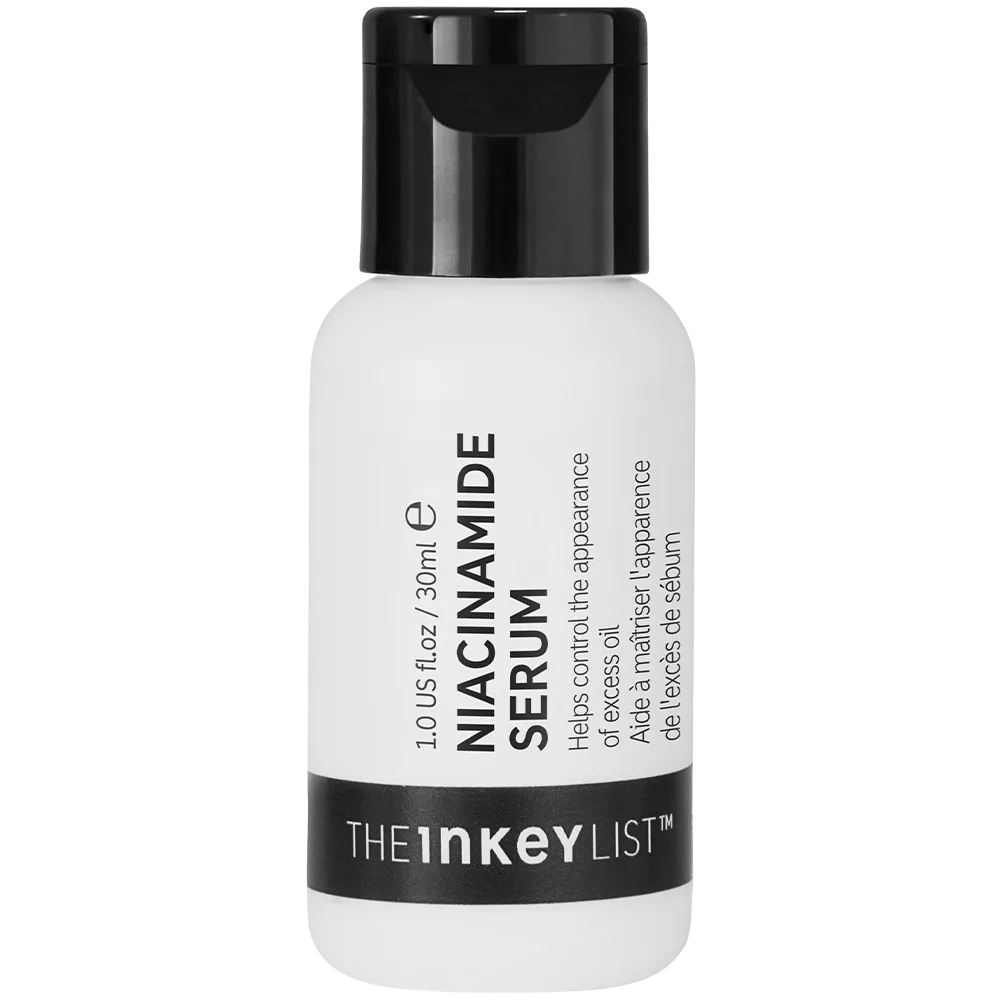
While many budget niacinamide serums contain the active in a bare-bones water base, The INKEY List built this formula with genuine supporting ingredients — 1% hyaluronic acid for hydration, panthenol for barrier repair, allantoin for soothing, squalane for lipid support, and phospholipids for delivery enhancement. The 10% niacinamide concentration exceeds what most clinical studies tested (2-5%), targeting the upper end of the dose-response curve for oil control and pore refinement.
A potent, well-supported 10% niacinamide serum that delivers visible oil control, pore refinement, and brightening at an unbeatable price. The supporting cast of hyaluronic acid, panthenol, and allantoin elevates this above bare-bones competitors, making it one of the smartest budget skincare purchases available.
The case for it
Cautions: fungal-acne triggers.
What would change this: Guideline or regulatory standing for the active on this concern would move this from a promising bet to a recommendation.
Same rule for everyone. “Promising” is the verdict on 7,858 of 45,024 concern verdicts across the catalog; rule R9p decided 7,858 of them. Unchanged since September 5, 2026, engine 5.1.1.
Brand or formulator? Disclose a concentration or correct a fact →
The studies behind the evidence row
The case for it
Cautions: fungal-acne triggers.
What would change this: Guideline or regulatory standing for the active on this concern would move this from a promising bet to a recommendation.
Same rule for everyone. “Promising” is the verdict on 7,858 of 45,024 concern verdicts across the catalog; rule R9p decided 7,858 of them. Unchanged since September 5, 2026, engine 5.1.1.
Brand or formulator? Disclose a concentration or correct a fact →
The studies behind the evidence row
The case for it
What would change this: Guideline or regulatory standing for the active on this concern would move this from a promising bet to a recommendation.
Same rule for everyone. “Promising” is the verdict on 7,858 of 45,024 concern verdicts across the catalog; rule R9p decided 7,858 of them. Unchanged since September 5, 2026, engine 5.1.1.
Brand or formulator? Disclose a concentration or correct a fact →
The studies behind the evidence row
The case for it
Same rule for everyone. “Good choice” is the verdict on 9,564 of 45,024 concern verdicts across the catalog; rule R5 decided 9,072 of them. Unchanged since September 5, 2026, engine 5.1.1.
Brand or formulator? Disclose a concentration or correct a fact →
The studies behind the evidence row
The case for it
What would change this: Guideline or regulatory standing for the active on this concern would move this from a promising bet to a recommendation.
Same rule for everyone. “Promising” is the verdict on 7,858 of 45,024 concern verdicts across the catalog; rule R9p decided 7,858 of them. Unchanged since September 5, 2026, engine 5.1.1.
Brand or formulator? Disclose a concentration or correct a fact →
The studies behind the evidence row
The case for it
What would change this: Guideline or regulatory standing for the active on this concern would move this from a promising bet to a recommendation.
Same rule for everyone. “Promising” is the verdict on 7,858 of 45,024 concern verdicts across the catalog; rule R9p decided 7,858 of them. Unchanged since September 5, 2026, engine 5.1.1.
Brand or formulator? Disclose a concentration or correct a fact →
The studies behind the evidence row
Also listed for Rough Texture — the actives here (Niacinamide, Squalane, Allantoin, Panthenol (Vitamin B5) are in our research queue for that concern; there is no verdict until their evidence rows are written. That is a gap in our table, not a mark against the product.
Where our review and the verdict differ. The review below was written on the formulation and the published trials; the verdicts above apply the stricter standing test in our methodology — an active earns a recommendation only with guideline or regulatory standing for the concern. Where the two disagree, the verdict is DermApproved’s position.
A verdict is DermApproved’s assessment of how well a product’s ingredients fit a concern — never a claim about what the product treats. Evidence dots and collected reviews sit beside it and are never blended in. Rules 0.5.1 · evidence table ev-2026.09-r228 · how we decide
Niacinamide is one of those rare ingredients where the clinical evidence is so overwhelming that the marketing almost cannot keep up. A 2000 study in the British Journal of Dermatology showed it boosts ceramide synthesis by thirty-four to sixty-seven percent. A 2002 study in the same journal proved it inhibits melanosome transfer for brightening. A 2006 study confirmed it reduces sebum production. A comprehensive 2014 review catalogued antipruritic, antimicrobial, photo-protective, and sebostatic effects. If niacinamide were discovered today, it would be the most hyped ingredient in skincare. Instead, it is so well-established that brands can sell ten percent of it for ten dollars and still turn a profit.
The INKEY List's Niacinamide Serum has been part of the brand's lineup since its founding in 2018, and the formula demonstrates the same design philosophy that defines all their products: effective concentration, proper supporting ingredients, nothing unnecessary. The niacinamide sits at ten percent — a concentration that exceeds what most clinical studies tested, pushing the upper end of the dose-response curve for oil control and pore refinement.
What separates this from the cheapest niacinamide options is the support system. Hyaluronic acid at one percent provides humectant hydration that counterbalances the sebum reduction. This matters more than it might seem. Niacinamide at ten percent is aggressive enough in its oil-regulating activity that without a hydration offset, skin can tip from balanced oil control into uncomfortable dehydration. The HA ensures the equation stays balanced.
Panthenol provides a second axis of barrier support. While niacinamide stimulates ceramide production from the inside, panthenol reduces transepidermal water loss from the outside, creating a two-direction approach to barrier health that helps skin tolerate the potent active concentration. Allantoin adds soothing insurance — relevant because ten percent niacinamide can cause transient flushing in sensitive individuals during the first week of use.
Squalane, phospholipids, and glycolipids round out the formula with lightweight emolliency and enhanced ingredient delivery — the phospholipids in particular suggest the actives are being carried in a lipid vesicle rather than simply dissolved in water. Radish root ferment filtrate functions as a natural preservative booster, and sodium phytate chelates the trace metals that would otherwise degrade the formula over time. At twenty-four ingredients, this is a slightly longer INCI list than some of The INKEY List's minimalist products, but every component serves a clear purpose. Two are worth flagging: soybean oil and soybean sterols sit mid-list, which matters if you have a soy allergy, and together with polysorbate 60 they put this outside fungal-acne-safe territory.
The texture is classic niacinamide serum — watery, lightweight, absorbs quickly. There is a momentary tackiness upon application that resolves within thirty seconds to a smooth, matte-to-satin finish. For oily skin types, the immediate mattifying effect is one of the product's most satisfying qualities. Under makeup, it creates a smooth, non-greasy base that helps control midday shine.
Results follow the clinical timeline almost exactly. Within two to four weeks, most users notice reduced redness, fewer active blemishes, and less midday oiliness. By the six to eight week mark, pore appearance improves noticeably, and hyperpigmented spots begin to fade. These are not dramatic overnight transformations — niacinamide works through cellular-level mechanisms that take time to manifest visually, and the five thousand-odd reviews behind this bottle reflect exactly that pace of change.
The ten percent concentration deserves an honest assessment. Most rigorous clinical trials used two to five percent and found significant benefits. At ten percent, the effects are expected to be more pronounced for oil control and pore reduction, but the risk of initial flushing also increases. For most people, this resolves within the first week. For genuinely sensitive skin, a five percent product might achieve comparable results with a wider comfort margin. More is not always proportionally better with niacinamide — the dose-response curve flattens at higher concentrations, which is worth knowing before you assume the biggest number on the shelf is the best buy.
One other misconception deserves burial while we're here, because it stops people using this serum correctly: the claim that niacinamide and vitamin C cancel each other out. That idea traces back to a 1963 study conducted at temperatures no face has ever experienced. Apply your vitamin C, let it settle for a minute, then layer this on top. Nothing bad happens. It is also pregnancy-safe, which makes it one of the few genuinely useful actives available for the full nine months.
The dropper packaging is functional but imperfect. The dispensing can be imprecise, making it easy to apply too much. Two to three drops is sufficient for the full face, and the dropper sometimes delivers four or five on a careless squeeze. At thirty milliliters, the bottle lasts two to three months with once-daily use — a perfectly adequate supply, though the lack of a larger single bottle option means regular repurchasing.
For oily and combination skin types looking for a workhorse active that addresses multiple concerns simultaneously — oil, pores, redness, blemishes, tone — niacinamide at ten percent is one of the most evidence-backed options in skincare. What it will not do is moisturize; this is a treatment step, not a substitute for a cream, and dry skin in particular should treat it as one layer of a routine rather than the whole thing. The INKEY List has packaged a formidable amount of published dermatology into a ten-dollar bottle with genuine formulation care, at a price that makes trying it a genuinely risk-free proposition.
The hero actives that drive this product's performance.
| Ingredient | Function | Evidence |
|---|---|---|
| Niacinamide (10%) | The primary active at a potent 10% concentration — exceeding the 2-5% tested in most clinical trials. Regulates sebum production by reducing triglyceride and fatty acid synthesis, inhibits melanosome transfer for brightening, and stimulates ceramide biosynthesis to strengthen the barrier. In this formula, the high concentration targets oil control and pore appearance as the primary outcomes. | Emerging for Hyperpigmentation |
| Hyaluronic Acid (1%) | Provides essential humectant hydration to counterbalance the oil-reducing effects of 10% niacinamide. Without this moisture support, aggressive sebum regulation could leave skin dehydrated — the HA ensures the barrier stays hydrated even as excess oil is controlled. | Plausible mechanism for Dullness |
| Squalane | A lightweight plant-derived emollient that reinforces the lipid barrier without adding oiliness. Works alongside the niacinamide's ceramide-boosting action to maintain a balanced moisture envelope while sebum production is being modulated. | Not yet assessed |
| Panthenol (Pro-Vitamin B5) | A skin-conditioning agent that supports barrier repair and reduces transepidermal water loss. Complements the niacinamide's ceramide synthesis by providing an additional pathway for barrier strengthening, and its anti-inflammatory properties help calm any sensitivity from the 10% niacinamide concentration. | Not yet assessed |
| Allantoin | A soothing anti-irritant that serves as a safety net for the higher niacinamide concentration. While most skin tolerates 10% niacinamide well, allantoin provides calming support during any initial adjustment period, reducing the risk of flushing or sensitivity. | Not yet assessed |
Ingredient standings describe the active at treatment-level doses and vehicles; this product's own condition grades weigh its actual formula.
Water (Aqua/Eau), Niacinamide, Glycerin, Propanediol, Butylene Glycol, Phenoxyethanol, Hydroxyethyl Acrylate/Sodium Acryloyldimethyl Taurate Copolymer, Hydroxyethylcellulose, Phospholipids, Squalane, Xanthan Gum, Glycine Soja (Soybean) Oil, Allantoin, Sodium Phytate, Polysorbate 60, Panthenol, Glycolipids, Leuconostoc/Radish Root Ferment Filtrate, Sorbitan Isostearate, Glycine Soja (Soybean) Sterols, Citric Acid, Hyaluronic Acid, Disodium Phosphate, Sodium Phosphate
serum
AM & PM
Apply 2-3 drops to clean, dry skin before moisturizer. Can be used both morning and evening. In the AM, follow with moisturizer and sunscreen. Layers well under most products. If using with vitamin C, apply the vitamin C first and allow it to absorb before following with this serum.
Immediate: matte-to-satin finish with reduced shine. 2-4 weeks: visible reduction in redness, blemishes, and oiliness. 6-8 weeks: noticeable improvement in pore appearance, skin tone evenness, and hyperpigmentation fading.
Niacinamide is among the most extensively studied topical ingredients in dermatological literature. A landmark 2000 study by Tanno et al. in the British Journal of Dermatology demonstrated that nicotinamide increases biosynthesis of ceramides and other stratum corneum lipids, boosting ceramide levels by 34-67% and significantly improving the epidermal permeability barrier. This ceramide-boosting mechanism is directly relevant to this serum's ability to strengthen the barrier while simultaneously reducing oil output.
For sebum regulation, a 2006 study published in the Journal of Cosmetic and Laser Therapy found that even 2% topical niacinamide significantly reduced sebum excretion rates after 2-4 weeks. At 10%, the dose-response relationship suggests more pronounced oil control, which aligns with user reports of visible shine reduction within the first two weeks.
The brightening mechanism was elucidated in a pivotal 2002 study in the British Journal of Dermatology, which showed niacinamide inhibits the transfer of melanosomes from melanocytes to keratinocytes — effectively intercepting pigment before it reaches the visible skin surface. A 2004 randomized controlled trial published in the International Journal of Cosmetic Science confirmed that 5% niacinamide significantly reduced hyperpigmented spots, fine lines, wrinkles, and red blotchiness over 12 weeks.
A comprehensive 2014 review in Skin Pharmacology and Physiology catalogued niacinamide's full spectrum of documented effects: antipruritic, antimicrobial, vasoactive, photo-protective, sebostatic, and lightening properties. The review confirmed dose-dependent efficacy, noting that concentrations of 2-5% produce significant clinical outcomes across multiple endpoints.
Many dermatologists consistently rank niacinamide among the top evidence-based topical ingredients for multiple skin concerns. Dermatologists note that the 10% concentration in this serum is at the upper end of over-the-counter formulations, providing robust oil control and pore refinement that approaches prescription-level outcomes for mild to moderate oiliness and acne. Dermatologists appreciate the inclusion of hyaluronic acid and panthenol at this higher niacinamide concentration, as these help prevent the barrier dehydration that aggressive sebum reduction can cause. For patients who experience flushing at 10%, dermatologists typically recommend starting with alternate-day application and building to daily use over two weeks.
Apply 2-3 drops to clean, dry skin morning and/or evening. Pat gently into the face and neck — do not rub aggressively. Follow with moisturizer to seal in the treatment. In the AM, apply sunscreen as the final step. If new to 10% niacinamide, start with once-daily evening application for the first week to assess tolerance, then increase to twice daily. If using with vitamin C, apply vitamin C first and let it absorb before layering this serum.
At $10.50 for 30 ml, this is one of the most affordable 10% niacinamide serums on the market — roughly $0.35 per ml. The formula includes supporting ingredients (1% HA, panthenol, allantoin, squalane) that many competitors at this price point omit. A duo pack is available for marginally better value. The INKEY List's B Corp certification and Sephora distribution add credibility at this price. For the clinical-strength niacinamide concentration and balanced formula, the value proposition is outstanding.
This is ideal for oily and combination skin types dealing with excess shine, enlarged pores, blemishes, or uneven skin tone. It is especially well-suited for budget-conscious consumers wanting a clinical-strength niacinamide serum with proper supporting ingredients. Pregnant and breastfeeding individuals can safely use it for oil control and brightening.
Pass on this if you have very sensitive skin that reacts to niacinamide — try a 5% concentration first. Dry skin types will find this insufficient as a standalone product and should pair it with a richer moisturizer. Those with soy allergies should note the soybean-derived ingredients. If you have fungal acne, the polysorbate 60 and soybean sterols are potential triggers.
Ready to try The INKEY List Niacinamide Serum?
Buy at Amazon ♥Lightweight, water-based gel serum. Slightly tacky for a moment upon application, then absorbs quickly to leave a smooth, non-sticky finish. Watery consistency flows easily from the dropper.
Fragrance-free. No detectable scent beyond the faintest neutral product base.
Frosted plastic dropper bottle (30 ml) with The INKEY List's minimalist design and orange-coral accent. Standard dropper applicator provides 2-3 drop dispensing. 100% recyclable packaging per brand claims.
On first application, the serum absorbs within 30 seconds. A very slight tackiness may be noticeable before it dries to a smooth finish. No stinging or irritation for most users, though those with sensitive skin may notice mild warmth or flushing during the first few uses — this typically resolves within a week. Skin feels mattified and smooth immediately.
2-3 months with once-daily use. 6-8 weeks with twice-a-day use.
All Year
Part of The INKEY List's founding product lineup in 2018, this serum embodied the brand's core philosophy: take a well-researched ingredient, formulate it at an effective concentration with proper supporting ingredients, and sell it at a price that removes any barrier to trying it. The niacinamide serum quickly became one of the brand's bestsellers, competing directly with The Ordinary's Niacinamide 10% + Zinc 1% as a budget niacinamide staple.
The INKEY List launched in 2018 with this Niacinamide Serum as part of its founding lineup. The brand is B Corp certified, Leaping Bunny cruelty-free, and stocked at Sephora and Ulta. While lacking the dermatologist-developed pedigree of legacy brands, the transparent formulation approach and accessible pricing have built strong consumer trust.
You cannot use niacinamide and vitamin C together
This myth stems from a 1963 chemistry study that showed niacinamide and ascorbic acid can react at very high temperatures — conditions that do not exist on human skin. Modern formulations of both ingredients are perfectly compatible. Apply vitamin C first, let it absorb, then layer this niacinamide serum over it.
Higher niacinamide concentrations always work better
Clinical studies show significant benefits at just 2-5%. The 10% in this serum provides stronger oil control and pore reduction, but also slightly increases the risk of initial flushing. For sensitive skin, a 5% concentration may achieve comparable results with less irritation risk. More is not always proportionally better.
This serum contains 10% niacinamide — a potent concentration that exceeds the 2-5% tested in most clinical studies. It also includes 1% hyaluronic acid to maintain hydration while the niacinamide works to control oil production.
Yes — niacinamide and retinol are compatible and complementary. Niacinamide's barrier-strengthening properties (it boosts ceramide synthesis by 34-67% according to published research) can actually help your skin tolerate retinol better. Apply niacinamide in the morning and retinol in the evening, or layer them in the same routine.
Niacinamide is not a true exfoliant and should not cause purging in the clinical sense. However, some users experience initial breakouts during the first 1-2 weeks as the ingredient adjusts sebum production. This typically resolves with continued use. If breakouts persist beyond 4 weeks, the product may not be suitable for your skin.
Yes — niacinamide (vitamin B3) is considered safe during pregnancy and breastfeeding by dermatologists. The INKEY List includes this product in their pregnancy-safe skincare guide. The formula contains no retinoids, salicylic acid, or other pregnancy-flagged ingredients.
Both contain 10% niacinamide at similar price points. The INKEY List version includes 1% hyaluronic acid, panthenol, and allantoin for hydration and soothing, but no zinc. The Ordinary adds 1% zinc for additional oil control. The INKEY List formula may be slightly more hydrating; The Ordinary may offer marginally stronger sebum control from the zinc.
Niacinamide can trigger transient vasodilation (flushing) in some individuals, especially at higher concentrations. This is a known pharmacological effect, not an allergic reaction. It typically resolves within the first week of use as your skin adjusts. If flushing persists or is accompanied by irritation, reduce to once daily or try a 5% concentration product.
Yes — the myth that these ingredients cannot be combined comes from a 1963 study using conditions (high heat) that do not exist on human skin. Modern formulations are compatible. Apply vitamin C first on clean skin, let it absorb, then layer this niacinamide serum on top.
Recurring themes our editors read across retailer reviews of this product — summaries in our words, not quotations, and not a substitute for your own patch test.
Excellent value at $10.50 for a 10% niacinamide serum with HA and panthenol
Lightweight non-sticky texture that absorbs quickly into the skin
Effectively reduces oiliness and visible shine throughout the day
Noticeable reduction in redness and blemishes within 2-4 weeks of use
Layers well under every moisturizer and sunscreen without pilling
Simple no-filler formulation with transparent ingredient disclosure
Small 30ml bottle runs out in 2-3 months with daily use
Some users experience initial breakouts or purging when starting
Dropper applicator can be imprecise — easy to dispense too much
10% concentration may cause flushing or tingling in sensitive individuals
Not moisturizing enough to use without a cream on top for most skin types
Some users report no visible difference compared to 5% niacinamide products
Verified answers from our questions library — the nuance a product page cannot carry.