




Octocrylene and Homosalate: The Filters America Is Stuck With
The critics are right about the data gap, and they are right that it took two decades to move. What follows from that is not the conclusion most people draw.
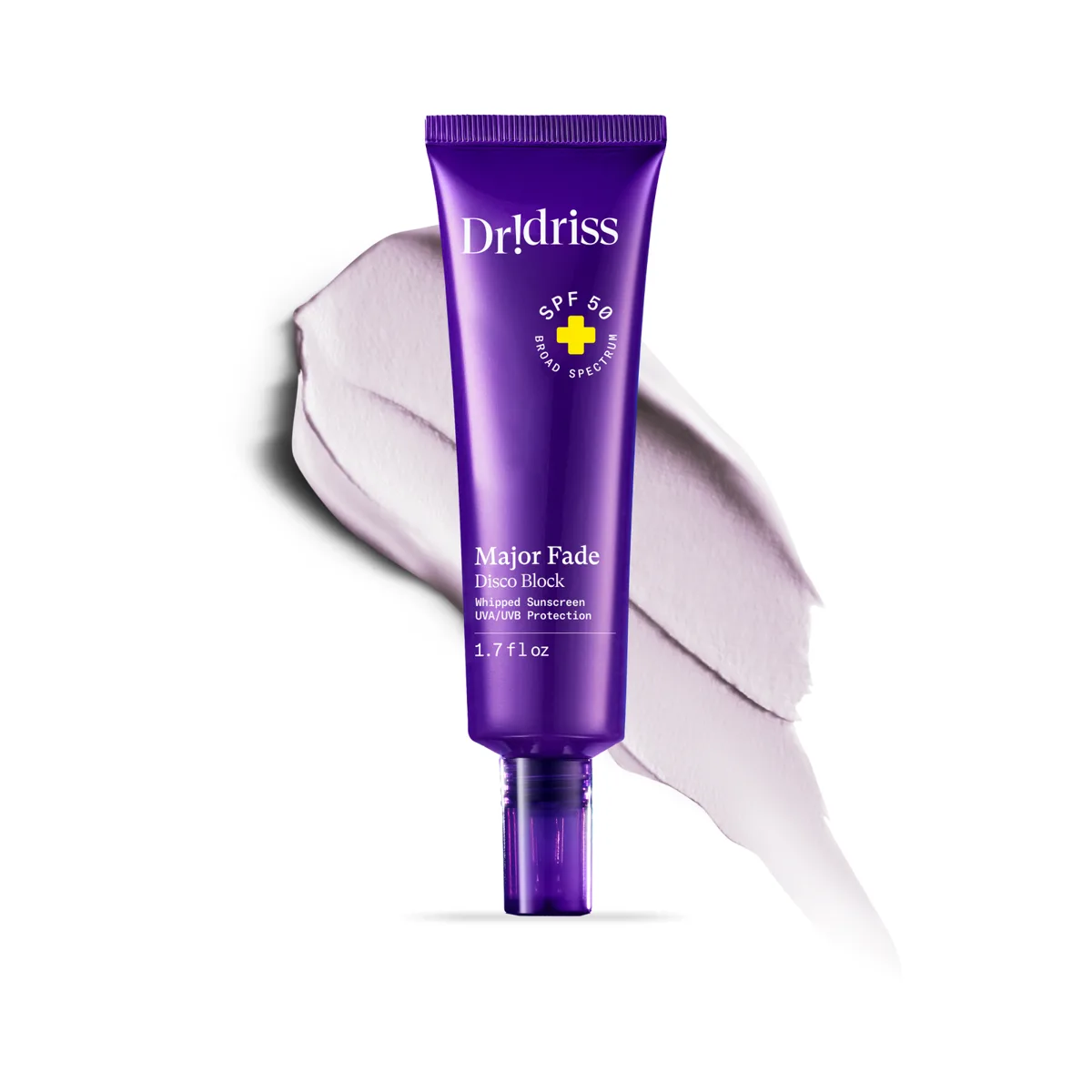
It is a sunscreen built specifically as the protective anchor of a pigmentation routine. Beyond broad-spectrum SPF 50, it carries brightening hexylresorcinol — so it both prevents new dark spots and gently fades existing ones — plus a full five-ceramide barrier complex, in a whipped, no-white-cast texture genuinely pleasant enough for daily wear.
A genuinely well-built broad-spectrum SPF 50 — a solid chemical filter system, a full five-ceramide barrier complex, brightening hexylresorcinol, and a whipped, no-white-cast texture pleasant enough to actually wear daily. As the sunscreen step of a pigmentation routine, it is the most important product in the lineup, and the best value.
Note: This sunscreen launched recently and our assessment is based on limited long-term data. Our scoring weights ingredient analysis and the well-established performance of its UV filter system. Treat the score as provisional until independent data catches up.
The case for it
Cautions: a photosensitising active — use sun protection.
What would change this: A declared concentration would move this to a firmer reading of the dose.
Same rule for everyone. “Full protection” is the verdict on 2,288 of 45,024 concern verdicts across the catalog; rule P1 decided 2,232 of them. Unchanged since September 5, 2026, engine 5.1.1.
Brand or formulator? Disclose a concentration or correct a fact →
The studies behind the evidence row
The case for it
Cautions: a photosensitising active — use sun protection.
What would change this: A researched evidence row for the lead active would replace this with a verdict.
Same rule for everyone. “Full protection” is the verdict on 2,288 of 45,024 concern verdicts across the catalog; rule P1 decided 2,232 of them. Unchanged since September 5, 2026, engine 5.1.1.
Brand or formulator? Disclose a concentration or correct a fact →
The case for it
Cautions: a photosensitising active — use sun protection.
What would change this: A researched evidence row for the lead active would replace this with a verdict.
Same rule for everyone. “Full protection” is the verdict on 2,288 of 45,024 concern verdicts across the catalog; rule P1 decided 2,232 of them. Unchanged since September 5, 2026, engine 5.1.1.
Brand or formulator? Disclose a concentration or correct a fact →
The case for it
Cautions: a photosensitising active — use sun protection.
What would change this: A declared concentration would move this to a firmer reading of the dose.
Same rule for everyone. “Full protection” is the verdict on 2,288 of 45,024 concern verdicts across the catalog; rule P1 decided 2,232 of them. Unchanged since September 5, 2026, engine 5.1.1.
Brand or formulator? Disclose a concentration or correct a fact →
The studies behind the evidence row
Does the jobDoes what a sunscreen is for: UVA coverage, kind to the skin wearing it. Not measured from the label: pleasant enough to actually use.
A verdict is DermApproved’s assessment of how well a product’s ingredients fit a concern — never a claim about what the product treats. Evidence dots and collected reviews sit beside it and are never blended in. Rules 0.5.1 · evidence table ev-2026.09-r228 · how we decide
Here is the uncomfortable truth about any dark-spot routine: the brightening serum, the resurfacing mask, the treatment moisturizer, none of them will hold their ground if the sunscreen step is weak. UV exposure directly drives the melanin production that creates and deepens pigmentation, so a fade routine without rigorous daily sun protection is a bucket with a hole in it. That makes the Major Fade Disco Block SPF 50, the sunscreen of Dr. Idriss's three-part pigmentation system, the single most important product in the lineup, even though it is the cheapest.
It is constructed as a treatment sunscreen rather than a plain one. The protective core is a four-filter chemical system, avobenzone for UVA, octocrylene helping to stabilize it, and homosalate and octisalate covering UVB, together delivering broad-spectrum SPF 50 against the radiation that causes both sunburn and the photoaging and pigmentation a fade routine is fighting. Layered into that is hexylresorcinol, a resorcinol-derived tyrosinase inhibitor that visibly evens tone, so while the filters prevent new dark spots, the hexylresorcinol gently fades existing ones. That dual role is what makes this more than sun protection. The formula also carries a full five-ceramide complex with cholesterol, a genuinely thoughtful inclusion that means the product shielding your skin from UV is also reinforcing its barrier, plus glycerin and vitamin E for hydration and antioxidant support.
What sells it day to day is the texture. Whipped and cloud-like, it melts into the skin and spreads easily into a smooth, hydrated, glowy finish, with no white cast, and it is fragrance-free. That matters more than it sounds: the best sunscreen is the one you will actually reapply, and a product this pleasant to wear clears the single biggest obstacle to sunscreen compliance. Reviewers consistently say it is comfortable enough to genuinely wear every day, which is the whole point of it.
The drawbacks worth flagging are modest. This is a chemical sunscreen, so anyone who specifically prefers mineral filters should choose a mineral SPF instead. Comedogenic cocoa butter is in the mix and the cream runs a touch rich, so very oily or strongly breakout-prone skin may find it heavier than ideal, and fungal-acne-prone skin should look elsewhere. Being a recent launch, it does not yet have years of user reports behind it, though the UV filters themselves are long-established and well-studied. And anyone pregnant or breastfeeding may want to discuss the chemical filters and hexylresorcinol with a doctor, while still wearing a daily sunscreen of some kind.
Value is, refreshingly, the strong point here. At thirty-eight dollars for 50 mL it is fairly, even well, priced for a treatment-oriented broad-spectrum SPF 50 with a real ceramide complex and a brightening active, comparable derm-brand facial sunscreens often cost more. A tube lasts roughly six to eight weeks given the generous application a sunscreen needs to actually deliver its rated protection. And notably, it is the most affordable product in the entire Major Fade system, cheaper than the serum, the moisturizer and the mask, which is exactly the right way around, since the most important step in a pigmentation routine should not be the one people skimp on.
There is a broader point worth making about how the product is positioned. Framing a sunscreen as the anchor of a fade routine, rather than as an afterthought tacked on at the end, reflects sound dermatological logic and gently nudges buyers toward the habit that actually protects their results. A brightening sunscreen will not, on its own, clear significant pigmentation, and it should not be sold as if it could. What it does is prevent the routine's progress from being undone day after day, and that quiet, preventive job is the most valuable one in the whole system.
It is worth being precise about what the brightening claim does and does not mean. Hexylresorcinol is a real tyrosinase inhibitor, and its presence genuinely adds a tone-evening dimension, but a sunscreen worn and reapplied across a day delivers that active in a way that supports a fade routine rather than replacing the dedicated treatment steps. Think of the brightening here as a useful tailwind, not the engine. The engine of any pigmentation routine is consistent UV protection, and that is the job this product is genuinely built to do well.
Described by the brand as three years in development, the Disco Block also reflects a welcome bit of honesty in how it is positioned within the system. Rather than treating sunscreen as the dull, optional final step, the line frames it as the foundation everything else stands on, and prices it accordingly as the most accessible product of the four. That is the right message to send, and it is rare enough in skincare marketing to be worth applauding.
If you are building a dark-spot routine and can only get one product right, get this one right. The treatment angle from the hexylresorcinol is a genuine bonus, the ceramide complex makes it kind to the barrier, and the whipped texture removes the usual excuse for not reapplying. It is the anchor the rest of the system depends on, and it is also, fittingly, its best value.
The hero actives that drive this product's performance.
| Ingredient | Function | Evidence |
|---|---|---|
| Broad-Spectrum UV Filters (Avobenzone, Homosalate, Octisalate, Octocrylene) | The four chemical UV filters that deliver broad-spectrum SPF 50 protection. Avobenzone is the key UVA filter, and octocrylene helps stabilize it, while homosalate and octisalate cover UVB — together absorbing the radiation that causes both sunburn and the photoaging and pigmentation a dark-spot routine is fighting. | Regulator-approved for Sun Damage · emerging certainty |
| Hexylresorcinol | A resorcinol-derived tyrosinase inhibitor that visibly evens tone and works on dark spots. Its inclusion is what makes this a 'treatment' sunscreen — while the UV filters prevent new pigmentation, the hexylresorcinol gently fades existing discoloration. | Not yet assessed |
| Ceramide Complex (Ceramide NP, AP, AS, NS, EOP, Cholesterol) | A full five-ceramide complex plus cholesterol, supporting the skin barrier. In a daily sunscreen this is a thoughtful addition — it means the product protecting your skin from UV is also helping keep the barrier intact and healthy. | Not yet assessed |
| Glycerin | A humectant placed high among the inactive ingredients that hydrates the skin and contributes to the sunscreen's comfortable, non-drying feel — part of what makes a daily SPF pleasant enough to actually wear every day. | Not yet assessed |
| Vitamin E (Tocopherol) | An antioxidant that complements the UV filters — sunscreen blocks most UV, and antioxidants help neutralize the free-radical damage from the rays that get through. It also supports the stability of the formula's plant oils. | Limited for Sun Damage |
Ingredient standings describe the active at treatment-level doses and vehicles; this product's own condition grades weigh its actual formula.
Active: Avobenzone 3%, Homosalate 7%, Octisalate 5%, Octocrylene 10%. Inactive: Water/Aqua/Eau, Butyloctyl Salicylate, Glycerin, Candelilla/Jojoba/Rice Bran Polyglyceryl-3 Esters, Capryloyl Glycerin/Sebacic Acid Copolymer, Coco-Caprylate/Caprate, Propanediol, Glyceryl Stearate, Cetearyl Alcohol, Glyceryl Citrate/Lactate/Linoleate/Oleate, Butyrospermum Parkii (Shea) Butter, 1,2-Hexanediol, Hexylresorcinol, Sodium Stearoyl Lactylate, Eclipta Prostrata Extract, Sodium Polyacrylate Starch, Synthetic Fluorphlogopite, Behenyl Alcohol, Xanthan Gum, Melia Azadirachta Leaf Extract, Caprylhydroxamic Acid, Algin, Argania Spinosa Kernel Oil, Dimethicone, Persea Gratissima (Avocado) Oil, Squalane, Theobroma Cacao (Cocoa) Seed Butter, Mangifera Indica (Mango) Seed Butter, Corallina Officinalis Extract, Moringa Oleifera Seed Oil, Coccinia Indica Fruit Extract, Solanum Melongena (Eggplant) Fruit Extract, Aloe Barbadensis Flower Extract, Ceramide NP, Simmondsia Chinensis (Jojoba) Seed Oil, Curcuma Longa (Turmeric) Root Extract, Ocimum Sanctum Leaf Extract, Hydrogenated Lecithin, Lactic Acid, Phyllanthus Emblica Fruit Extract, Sodium Benzoate, Tocopherol, Potassium Sorbate, Ceramide AP, Ceramide AS, Ceramide NS, Cholesterol, Citric Acid, Ceramide EOP
sunscreen
AM
Apply as the final step of a morning routine, after moisturizer, using a generous amount — about a quarter-teaspoon for the face — and extending down the neck. Reapply every two hours of sun exposure. As the sunscreen step of a pigmentation routine, it is genuinely the most important product: without it, the brightening work of any serum, mask, or moisturizer is undone.
Sun protection is immediate on application. Its role in a dark-spot routine is preventive and protective — by blocking the UV that drives pigmentation, it allows brightening treatments to make progress; the hexylresorcinol adds a gradual tone-evening effect over weeks.
This product's scientific case begins with a fact that frames the entire Major Fade system: UV exposure is the single largest external driver of hyperpigmentation, because it directly stimulates melanocytes to produce melanin, so without daily broad-spectrum protection the other steps of a fade routine are working against a constant headwind. The Disco Block addresses that with a four-filter chemical system. Avobenzone is the primary UVA filter, octocrylene contributes UVB coverage and, importantly, helps photostabilize the avobenzone, which otherwise degrades in sunlight, and homosalate and octisalate round out UVB protection. Together they are a well-studied combination delivering broad-spectrum SPF 50.
What makes this a treatment sunscreen is hexylresorcinol, a resorcinol-derived tyrosinase inhibitor with promising evidence for visibly evening tone. Its role here is complementary to the filters: the UV filters prevent the formation of new pigment, while the hexylresorcinol works on existing discoloration, so the product defends and corrects at once. The five-ceramide-and-cholesterol complex draws on well-established evidence that replenishing the skin's physiologic lipids supports barrier function, a thoughtful addition in a product worn every single day, and vitamin E provides antioxidant support against the free radicals generated by the UV that any sunscreen inevitably lets through. The scientifically meaningful point is the design logic: a sunscreen engineered specifically as the protective anchor of a pigmentation routine, combining prevention, gentle correction and barrier support, with a cosmetically elegant texture chosen because the protection only counts if the product is actually reapplied.
Dermatologists are unanimous that daily broad-spectrum sunscreen is the cornerstone of any hyperpigmentation routine, since UV exposure directly drives the melanin production that creates and worsens dark spots — so the framing of this product as the protective anchor of a fade system aligns precisely with clinical consensus. The chemical filter combination is one dermatologists regard as effective and well-studied, and clinicians often note that chemical filters make a cosmetically elegant, no-white-cast finish easier to achieve, which genuinely improves adherence — and the sunscreen people will actually wear is the one that protects them. The ceramide complex is a barrier-supportive addition clinicians endorse, and hexylresorcinol is a recognized brightening ingredient. Dermatologists would emphasize the universal points: apply generously, reapply during sun exposure, and do not rely on a brightening sunscreen alone for significant pigmentation. They would also note that some patients, including during pregnancy, prefer mineral sunscreens, and that the most important thing is consistent daily use of an adequate SPF.
Apply it generously as the final step of your morning routine, after moisturizer and before makeup, using roughly a quarter-teaspoon for the face and neck, since an under-applied sunscreen delivers well below its rated SPF. Let it settle for a couple of minutes before layering anything over it. Reapply across the day during meaningful sun exposure, which the whipped, no-white-cast texture makes far easier to keep up. Treat it as the protective anchor of a pigmentation routine rather than a brightening treatment in its own right. If you are pregnant or breastfeeding, you may wish to discuss the chemical filters with a doctor while still wearing a daily SPF of some form.
At $38 for 50ml, the Disco Block is fairly — even well — priced for a treatment-oriented broad-spectrum SPF 50 with a genuine ceramide complex and a brightening active; comparable derm-brand facial sunscreens often cost more. A tube lasts roughly six to eight weeks with the generous daily application sunscreen requires. Notably, it is the most affordable product in the entire Major Fade system, cheaper than the brand's serum, moisturizer, and mask — which is fitting, since for a dark-spot routine the sunscreen is the most important step. For anyone building a pigmentation routine on a budget, this is the product to prioritize, and its value is the strongest in the lineup.
Anyone building a dark-spot or pigmentation routine should treat this as the priority purchase, since it is the sunscreen step everything else depends on. Its whipped, no-white-cast texture and barrier-supporting ceramides also make it a comfortable everyday SPF for normal to dry skin that wants sun protection with a brightening bonus.
Those who specifically prefer mineral sunscreens should choose a mineral SPF instead. Very breakout-prone skin should be cautious of the comedogenic cocoa butter, and fungal-acne-prone users should look elsewhere. Anyone pregnant or breastfeeding should consult a doctor about the chemical filters and hexylresorcinol — while still using a daily sunscreen of some kind.
Ready to try Dr. Idriss Major Fade Disco Block SPF 50?
Buy at Amazon ♥A whipped, cloud-like cream that melts into the skin and spreads easily into a smooth, hydrated, glowy finish
Effectively scentless — fragrance-free
A 1.7oz tube in Dr. Idriss's clean clinical styling. The tube is practical and hygienic for daily sunscreen use.
Expect a genuinely whipped, airy texture that melts in and spreads without tugging, leaving a glowy, hydrated finish and no white cast across skin tones. There is no scent and no sting. It feels comfortable enough that wearing it daily is not a chore — which is the whole point of a good sunscreen.
About 6-8 weeks with daily, properly generous facial use
All Year
Described by the brand as three years in the making, Major Fade Disco Block is the sunscreen step of Dr. Idriss's Major Fade pigmentation system. It reflects a core piece of dermatological logic: that sun protection is not optional in a dark-spot routine but its single most important element, since UV exposure drives the very pigmentation the other products treat.
Dr. Idriss is the skincare line of Dr. Shereene Idriss, a board-certified dermatologist known for her educational presence online. Launched around 2022, the brand carries genuine clinical credibility through its founder, though as an emerging brand it has a shorter independent track record than legacy derm-developed labels.
Sunscreen is the least important step in a dark-spot routine.
It is the most important. UV exposure is a primary driver of hyperpigmentation, and without daily sun protection, dark spots keep being replenished faster than any serum or mask can fade them. A brightening routine without sunscreen is a routine working against itself.
A brightening sunscreen can replace a dedicated dark-spot treatment.
The hexylresorcinol here adds a genuine but modest tone-evening effect. The sunscreen's primary, essential job is protection — preventing new pigmentation. It complements a dedicated brightening treatment; for significant dark spots, it works best alongside one, not instead of it.
It is a broad-spectrum SPF 50 facial sunscreen, the sun-protection step of the Major Fade pigmentation system. Its chemical UV filters protect against UVA and UVB, hexylresorcinol adds a brightening, dark-spot-fading effect, and a full ceramide complex supports the skin barrier — all in a whipped, no-white-cast texture.
It is a chemical sunscreen, using avobenzone, homosalate, octisalate, and octocrylene as its UV filters. Chemical filters are well-studied and effective, and they make a no-white-cast finish easier to achieve. Those who specifically prefer mineral sunscreen should note this and choose accordingly.
UV exposure is a primary driver of hyperpigmentation. Without daily sun protection, dark spots keep being replenished faster than any brightening product can fade them. Sunscreen is the single most important step in a dark-spot routine — it is what allows the other treatments to actually make progress.
No. As a chemical sunscreen, it absorbs into a glowy, natural finish with no white cast across skin tones — one of the practical advantages of chemical filters over mineral ones, and important for a brand serving all complexions.
Not entirely. Hexylresorcinol adds a genuine but modest brightening effect, so the sunscreen does more than just protect. But its essential job is prevention. For significant dark spots, it works best alongside a dedicated brightening treatment, not as a replacement for one.
We list its pregnancy status as uncertain. It uses chemical UV filters and contains hexylresorcinol, a resorcinol-type brightening ingredient. Many people prefer a mineral sunscreen during pregnancy, and resorcinol brighteners are a gray area. Anyone pregnant should confirm with their doctor — but using some sunscreen daily remains important.
Recurring themes our editors read across retailer reviews of this product — summaries in our words, not quotations, and not a substitute for your own patch test.
Whipped, cloud-like texture with no white cast
Comfortable enough to genuinely wear every day
Ceramide complex makes it gentle and barrier-friendly
Brightening hexylresorcinol adds a treatment angle
The most affordable product in the Major Fade system
Chemical sunscreen — mineral-SPF preferers should note
Contains comedogenic cocoa butter
A bit rich-feeling for very oily skin
Recent launch with limited long-term reviews
Verified answers from our questions library — the nuance a product page cannot carry.