Best Hyaluronic Acid for Dehydrated Skin
Updated September 2026 · independently researched, no sponsored placements
Our top 40 picks, ranked from 1710 reviewed products — ordered by each product's dehydration verdict, then evidence strength.






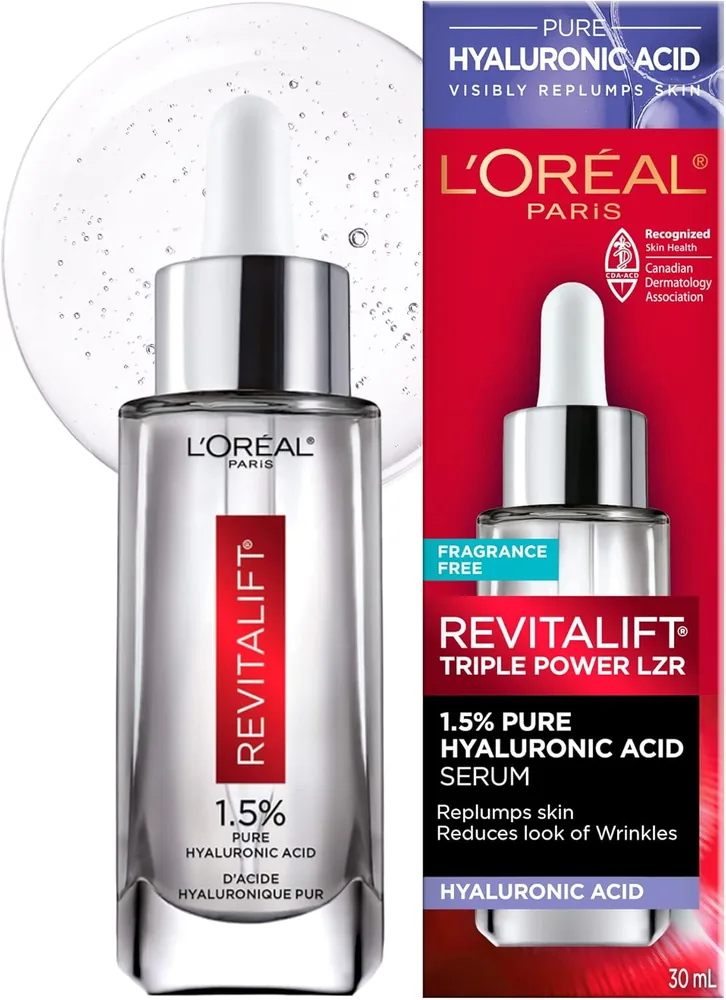


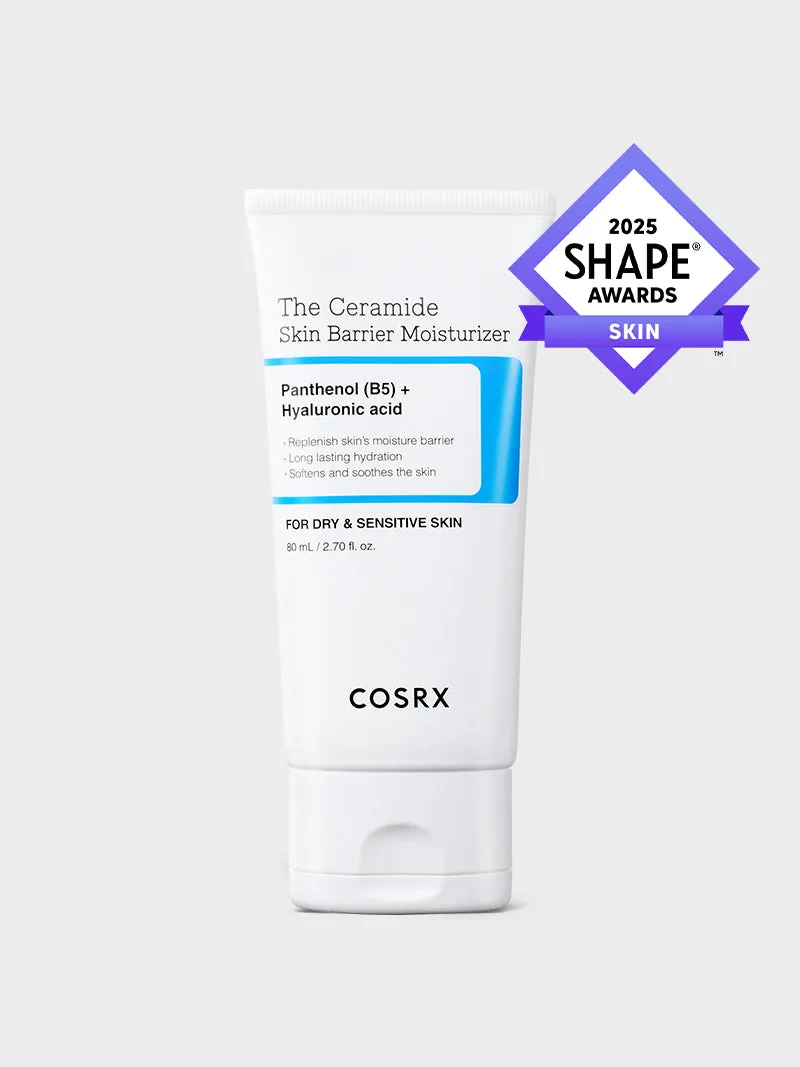



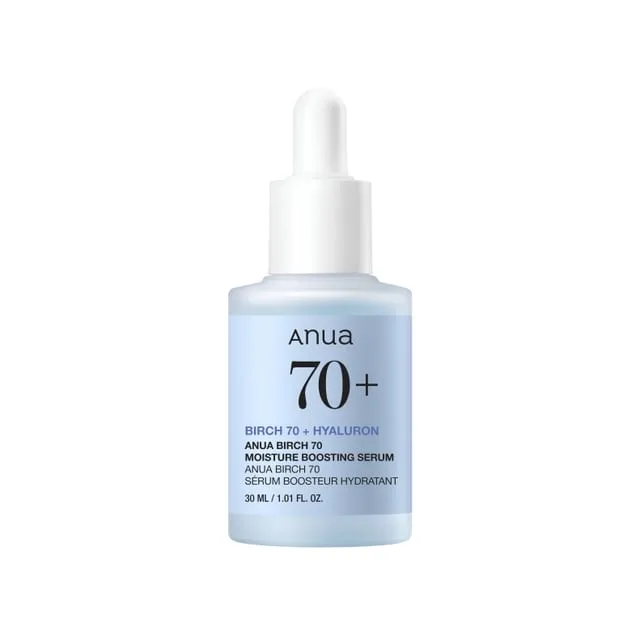







How to Choose
The best hyaluronic acid products for dehydrated skin solve a temporary water shortage, not a skin type — which is why even oily, breakout-prone faces can feel tight, look dull, and show fine "dehydration lines" while still getting shiny by afternoon. Dehydration is a state anyone can land in from weather, over-exfoliation, travel, or a stripping cleanser, and the fix is humectants that pull water into the upper layers: hyaluronic acid, glycerin, panthenol.
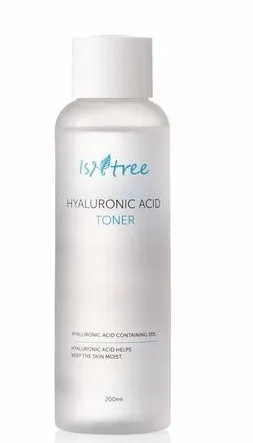
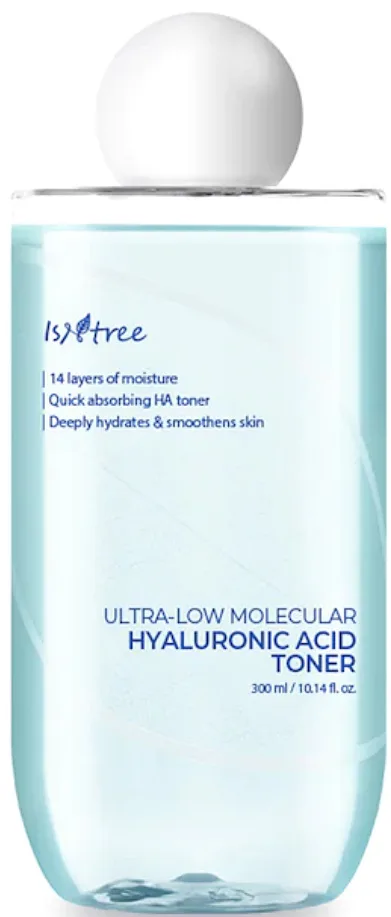
's Thirst Burst Drops ($18) lean on niacinamide and hibiscus alongside it. Texture-wise you have room to choose: a watery toner like Isntree's HA Toner ($20) or a serum for oily skin, a gel-cream like Isntree's Aqua Gel ($24) for normal-to-combination. The trap people fall into is using HA alone and stopping there — a humectant with nothing sealing it can pull water from deeper skin and evaporate it off, leaving you no better off. Always follow with even a light moisturizer to lock it in. The honest caveat: hydration is real but transient. HA plumps and refreshes within days, which is satisfying, but you have to keep replenishing it — and if your skin also lacks oil rather than just water, you'll need barrier lipids, not more humectant. Apply to damp skin, then seal, every single time.
Buying Guide
Because dehydration affects every skin type, choose the format by your skin, not the ingredient. Oily and combination skin can stay light — a watery HA toner, essence, or thin serum layered under a gel moisturizer; drier or winter-stressed skin wants the same HA in a richer cream base. Look for hyaluronic acid backed by other humectants (glycerin and panthenol are workhorses) rather than a single hero, and ideally a range of HA molecular weights for hydration at more than one depth. The make-or-break detail is the seal: a humectant needs an occlusive or emollient layered on top — squalane, dimethicone, ceramides, even a basic lotion — or the water it attracts can escape. Avoid the temptation to fix tightness with harsher actives; over-exfoliating dehydrated skin deepens the problem. Price is friendly here, roughly $12–$42, with several of the best performers under $20, so spend up only for a particular texture or an added soothing active like centella. And remember the application rule that quietly determines results: press HA into slightly damp skin, then lock it down.
Frequently Asked Questions
What's the difference between dehydrated and dry skin?
Dehydrated skin lacks water and is a temporary condition that any skin type — even oily — can experience, while dry skin lacks oil and is an ongoing skin type. Dehydration shows up as tightness, dullness, and fine surface lines that improve quickly with humectants like hyaluronic acid. Dry skin needs barrier lipids such as ceramides and richer occlusives, not just water-binding ingredients.
Can oily skin be dehydrated and still need hyaluronic acid?
Absolutely — dehydration is about water, not oil, so skin can pump out sebum and still be short on moisture, sometimes overproducing oil to compensate. A lightweight hyaluronic acid serum or toner hydrates without adding grease, which is exactly what oily-but-dehydrated skin needs. Just seal it with an oil-free gel moisturizer rather than a heavy cream.
Why does hyaluronic acid sometimes make my skin feel tighter or drier?
That usually happens when HA is applied to dry skin in a low-humidity environment with nothing sealing it — it draws water from wherever it can, including deeper skin layers, then that water evaporates. The fix is to apply HA to damp skin and immediately follow with a moisturizer to trap the hydration. In very dry air, lean on glycerin-rich formulas and a proper occlusive layer.
How quickly does hyaluronic acid help dehydrated skin?
You'll often notice plumper, less tight, more radiant skin within a few days, since humectants work near the surface and rehydrate quickly. The catch is that the effect is maintenance, not a permanent cure — you need to keep applying it, because dehydration returns if you stop or if the underlying trigger (harsh cleanser, weather, over-exfoliation) isn't addressed.