Best Azelaic Acid for Rosacea
Updated September 2026 · independently researched, no sponsored placements
Our top 25 picks, ranked from 37 reviewed products — ordered by each product's rosacea verdict, then evidence strength.









How to Choose
Azelaic acid is arguably the single best-studied ingredient for rosacea, and the reason is mechanism: it directly calms the inflammatory pathways that drive the condition's redness and bumps rather than just masking them. Most actives that resurface or brighten are too harsh for rosacea's reactive, easily-flushed skin — but azelaic acid is different.
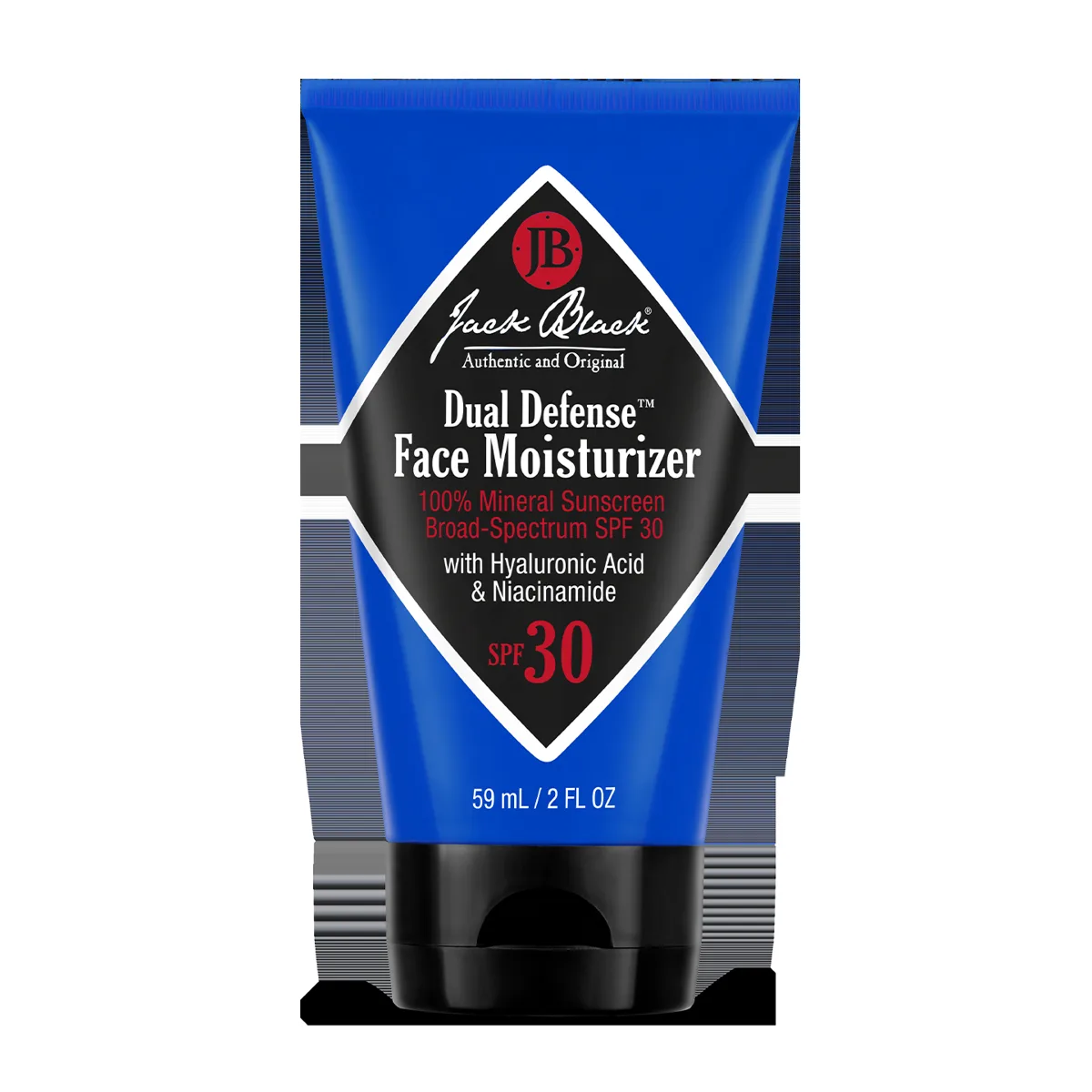
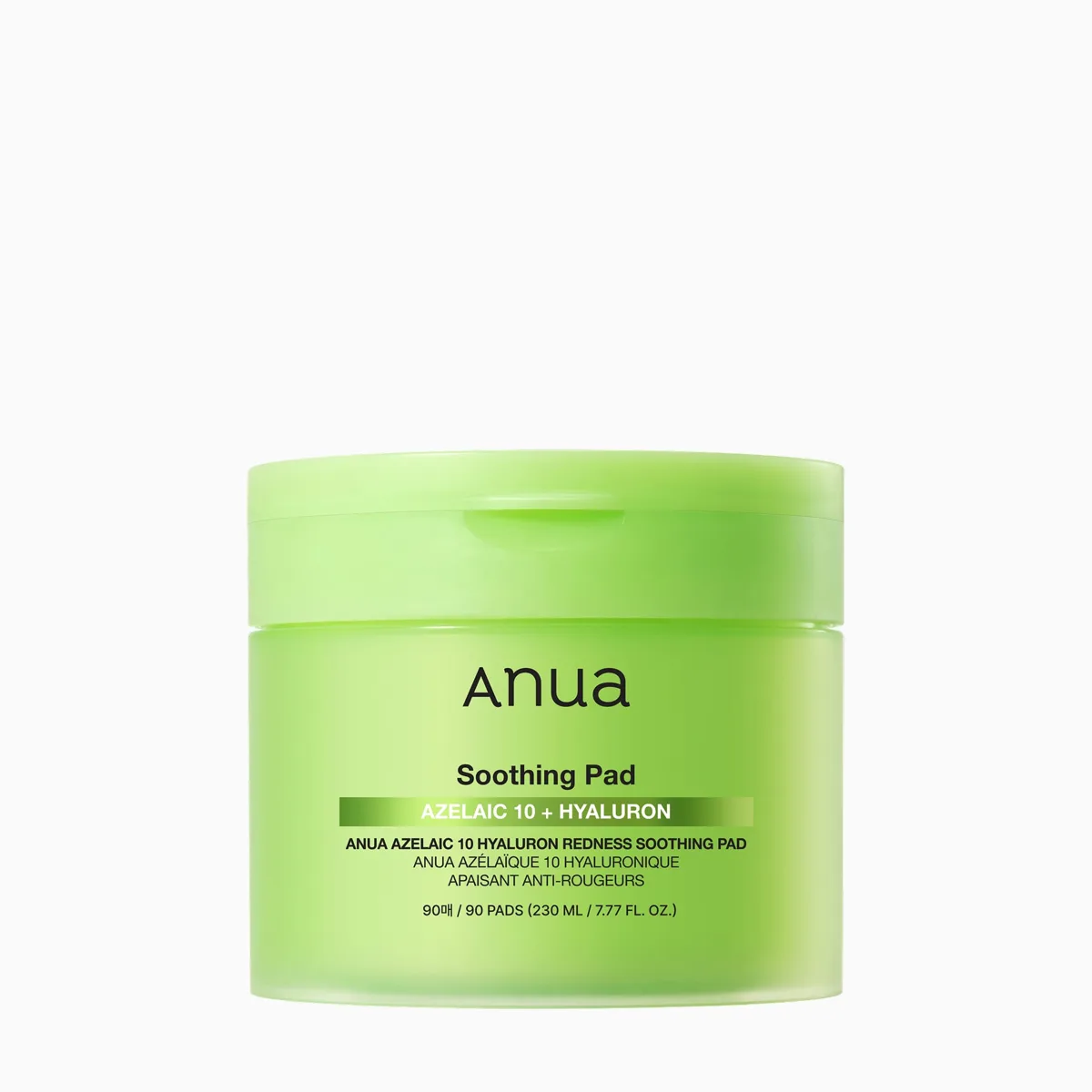
It's anti-inflammatory, helps normalize the overactive immune response (including the cathelicidin proteins implicated in rosacea), reduces oxidative stress, and has a mild antimicrobial effect, all while being gentle enough that prescription 15% azelaic acid is FDA-approved specifically for rosacea. Over-the-counter versions typically run around 10%, which is milder but still genuinely effective for redness and papules with consistent use. When choosing one, look for azelaic acid at a real concentration paired with rosacea-friendly soothers — niacinamide, centella, licorice root, and hyaluronic acid all show up in the best formulas. SKIN1004's Azelaic Acid 10 Ampoule at $24 and Anua's Azelaic 10 Hyaluron serum are textbook examples, while Geek & Gorgeous's gentle 20% derivative at $11 is a budget standout for sensitive skin. The honest caveat: azelaic acid is a slow burn — expect six to twelve weeks before redness visibly settles, and a little initial tingling or dryness is normal as your skin adjusts. It also works best as part of the bigger rosacea picture: fragrance-free everything, gentle cleansing, and daily mineral sunscreen, since UV is a top trigger. Start every other day, build up slowly, and let it work.
Buying Guide
Look for azelaic acid at a meaningful concentration — over-the-counter serums commonly use around 10%, while prescription strength (15–20%) is available through a dermatologist for stubborn rosacea. Gentle azelaic derivatives can deliver benefits with less irritation, which suits very reactive skin. Prioritize formulas that pair it with rosacea-calming companions: niacinamide, centella, licorice root, and hyaluronic acid all soothe and support the barrier. Keep the rest of the formula fragrance-free, since added fragrance is a common rosacea trigger. Choose a texture you'll use consistently — lightweight serums and soaked pads both work well. On price, $11–$24 covers excellent options, so there's no need to overspend. Most importantly, build a slow routine: introduce it every other day, expect six to twelve weeks for visible redness reduction, and always pair it with daily mineral sunscreen to keep UV from undoing the progress.
Frequently Asked Questions
Why is azelaic acid good for rosacea?
Azelaic acid directly targets the inflammation behind rosacea — it calms the overactive immune response, reduces oxidative stress, and has mild antimicrobial effects, all while being gentle enough for reactive skin. Prescription 15% azelaic acid is even FDA-approved specifically for rosacea. That combination of anti-inflammatory action and tolerability is why dermatologists rate it so highly for redness and bumps.
Is 10% over-the-counter azelaic acid strong enough for rosacea?
Yes for many people — over-the-counter formulas around 10% are milder than prescription 15–20% but still genuinely reduce redness and papules with consistent use. They're a sensible starting point, especially for sensitive skin, and gentle derivatives lower irritation further. If your rosacea is severe or doesn't respond, a dermatologist can prescribe the higher strength.
How long does azelaic acid take to reduce rosacea redness?
It's a slow but steady performer — expect six to twelve weeks of consistent use before redness and bumps visibly settle, since it works by gradually calming inflammation rather than producing instant results. A little tingling or dryness early on is normal as your skin adjusts. Starting every other day and building up helps your skin tolerate it without flaring.
Can I use azelaic acid with my other rosacea products?
Yes — azelaic acid layers well with the gentle, fragrance-free products rosacea-prone skin should be using, and it pairs especially nicely with niacinamide and soothing ingredients like centella. Avoid stacking it with harsh actives or strong exfoliants that could trigger a flare. Always finish your daytime routine with a mineral sunscreen, since sun exposure is a major rosacea trigger that can undo azelaic acid's progress.