Best Azelaic Acid for Hyperpigmentation
Updated September 2026 · independently researched, no sponsored placements
Our top 31 picks, ranked from 65 reviewed products — ordered by each product's hyperpigmentation verdict, then evidence strength.


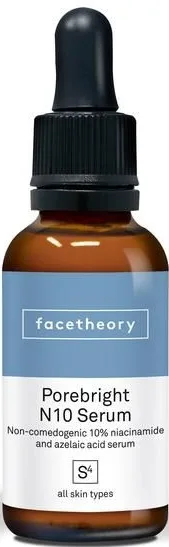


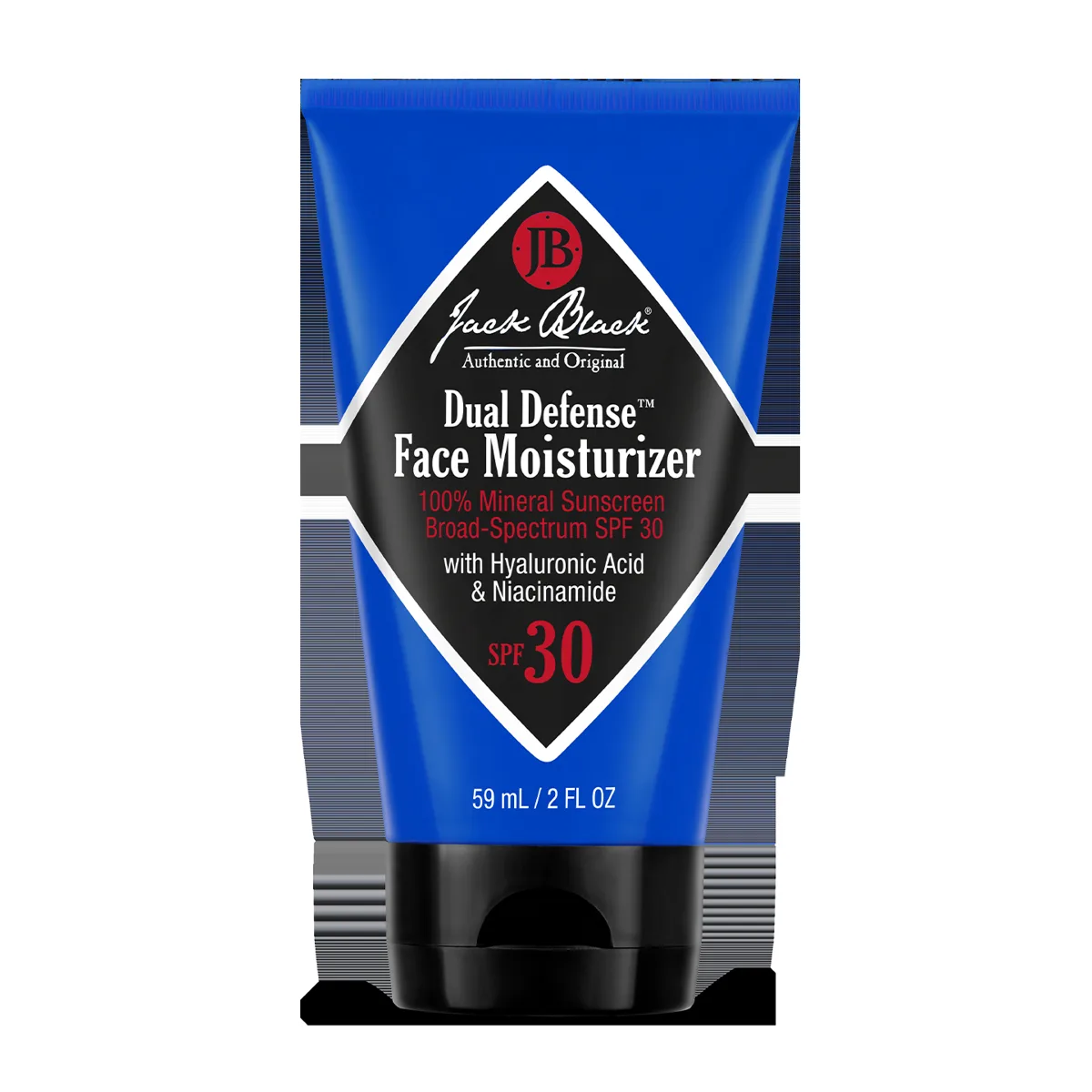


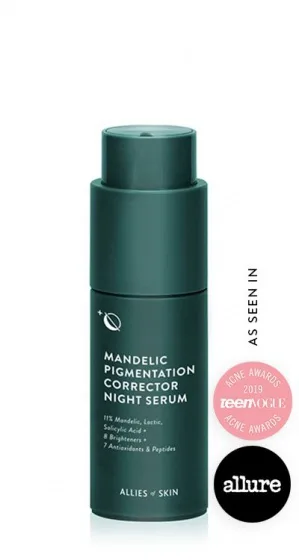
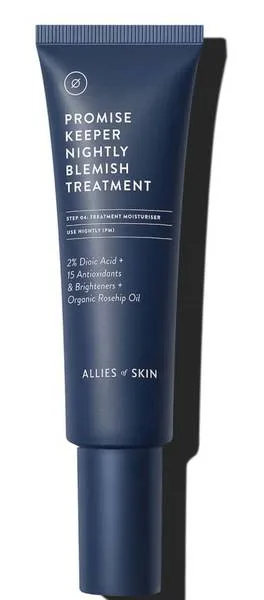



How to Choose
Azelaic acid fades hyperpigmentation with a useful kind of selectivity — it preferentially shuts down overactive pigment cells while largely leaving normal skin alone, which is why it's such a smart pick for the dark marks left behind by acne. That selectivity is its signature.
As a tyrosinase inhibitor it slows melanin production, but it acts most strongly on the hyperactive, abnormal melanocytes driving post-inflammatory hyperpigmentation and melasma, so it tends to even tone without the wholesale lightening that risks new patches. It's also anti-inflammatory and antibacterial, which makes it a genuine triple-threat for anyone whose pigmentation comes from breakouts: it calms the acne, kills the bacteria, and fades the resulting marks in one ingredient. Look for it at a real concentration — prescription azelaic is 15–20%, while over-the-counter serums like SKIN1004's Azelaic Acid 10 ($24) or Geek & Gorgeous's clever 20% derivative pad ($11) bring an effective dose at a gentler tilt. A bonus that sets it apart from many brighteners: azelaic acid is widely considered pregnancy-safe, making it the go-to when retinoids and hydroquinone are off the table. The honest caveats: it can cause mild tingling or temporary dryness as you adjust, it's a slow worker — give it a full 8 to 12 weeks — and like every brightener it's useless without daily sunscreen, since fresh UV regenerates the exact pigment you're fading. At $11 to $109, the budget K-beauty and indie options here are the standouts; you're paying for formulation polish, not better results.
Buying Guide
Concentration is the first checkpoint: prescription azelaic acid runs 15–20%, while effective over-the-counter options sit around 10% or use stabilized derivatives that deliver comparable brightening more gently. It's an especially strong choice if your hyperpigmentation stems from acne, because azelaic acid also calms inflammation and fights the bacteria behind breakouts — tackling the cause and the marks together. Look for soothing, hydrating partners like centella asiatica, niacinamide, allantoin, and glycerin to offset the mild tingling or dryness some people feel early on. It layers well with other brighteners (vitamin C, kojic acid, tranexamic acid) for stubborn pigment. A major practical advantage: azelaic acid is generally regarded as pregnancy-safe, so it's the brightener of choice when retinoids and hydroquinone are out. Daily broad-spectrum sunscreen is mandatory, and patience matters — results take two to three months. On price, the $11–$24 serums here brighten as capably as the triple-digit options, which mostly add texture and extra actives.
Frequently Asked Questions
How does azelaic acid fade dark spots?
Azelaic acid inhibits tyrosinase to slow melanin production, but its standout trait is acting preferentially on overactive, abnormal pigment cells while sparing normal skin, which helps it even tone without over-lightening. It's also anti-inflammatory, so it's particularly effective on post-inflammatory hyperpigmentation — the dark marks left after acne clears.
Is azelaic acid safe to use during pregnancy?
Azelaic acid is widely considered one of the safer brightening options during pregnancy, which makes it a popular replacement for retinoids and hydroquinone that are off-limits then. It addresses both pregnancy-related breakouts and the hyperpigmentation that hormones can trigger, though as always it's worth confirming with your OB.
What strength of azelaic acid works for hyperpigmentation?
Prescription formulas are 15–20%, while over-the-counter serums around 10% or using stabilized derivatives are effective and gentler for at-home use. Higher isn't automatically better if it causes irritation, so a well-formulated 10% product used consistently often outperforms a stronger one you can't tolerate daily.
Does azelaic acid cause irritation or purging?
Some people notice mild tingling, itching, or temporary dryness when starting azelaic acid, which usually settles as the skin adjusts — starting every other day helps. It's not known for the purging that retinoids can cause, but introducing it gradually and pairing it with soothing, hydrating ingredients keeps any early irritation to a minimum.
- Hyperpigmentation & Dark SpotsYour Brightening Serum Is Fine. It Is Being Applied to the Wrong Disease.'Dark spots' bundles at least five distinct processes that sit at different depths, respond to different things, and have wildly different prognoses — one clears on its own, one relapses forever, and one will not move for any serum ever made.
- Brightening & Pigment ActivesAzelaic Acid Should Be Far More Popular Than It IsIt treats acne, rosacea and pigment simultaneously, survives pregnancy, and fights with almost nothing in your routine. Its problem is texture and the absence of a marketing budget.