



K-Beauty Is Sold on Hydration. Its Best Work Is Arguably on Oily Skin.
The dewy-layering marketing reads as a warning if you are congested — and it is hiding the strongest mass-market lineup anywhere for exactly that skin.
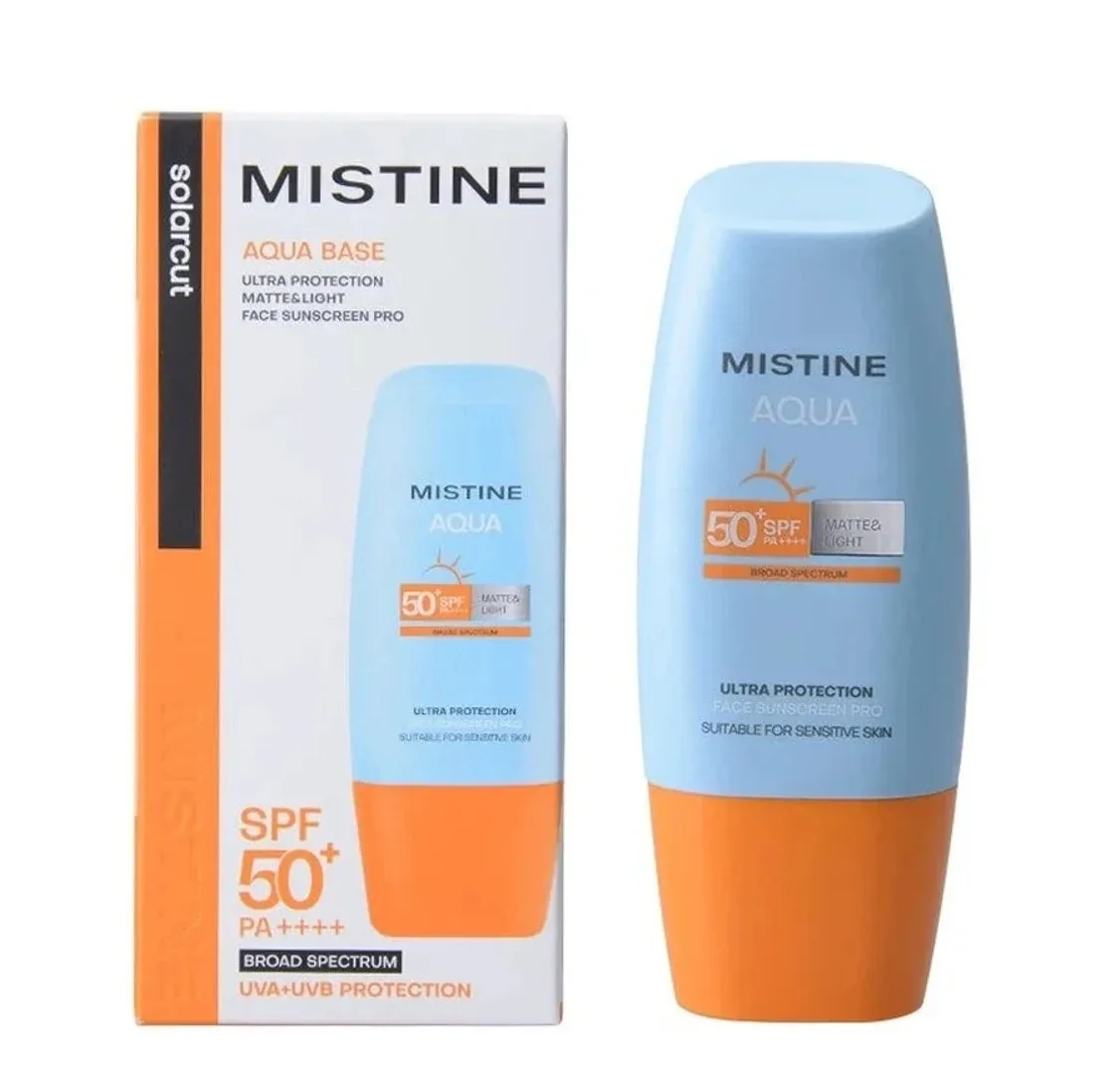
It pairs modern global UV filters — Tinosorb S, Tinosorb M, and avobenzone — that US sunscreens legally can't use, delivering robust, PA++++ broad-spectrum protection with a matte, no-white-cast finish, plus antioxidants like ectoin and ergothioneine. The combination of genuinely high UVA protection, an oily-skin-friendly finish, and a drugstore price makes it stand out, especially next to pricier Western sunscreens with weaker filter systems.
An outstanding, genuinely affordable sunscreen that quietly outclasses many pricier Western ones. It uses modern global filters — Tinosorb S, Tinosorb M, and avobenzone — for robust, PA++++ broad-spectrum protection (strong on the UVA that ages skin), with a matte, no-white-cast finish oily skin loves and antioxidants on top. Chemical filters and a light scent are minor caveats; for the price and protection, it's a standout.
Because the product discloses its filter system and carries a PA++++ rating, its broad-spectrum, high-UVA profile is clearly assessable: the assessment rests on the well-understood, robust performance of Tinosorb S, Tinosorb M, and avobenzone rather than independent SPF testing of this formula. The strong protection is well supported by the filter chemistry; real-world effectiveness depends on generous application, and exact fragrance content should be checked for sensitive skin.
The case for it
What would change this: A declared concentration would move this to a firmer reading of the dose.
Same rule for everyone. “Full protection” is the verdict on 2,288 of 45,024 concern verdicts across the catalog; rule P1 decided 2,232 of them. Unchanged since September 5, 2026, engine 5.1.1.
Brand or formulator? Disclose a concentration or correct a fact →
The studies behind the evidence row
The case for it
What would change this: A researched evidence row for the lead active would replace this with a verdict.
Same rule for everyone. “Full protection” is the verdict on 2,288 of 45,024 concern verdicts across the catalog; rule P1 decided 2,232 of them. Unchanged since September 5, 2026, engine 5.1.1.
Brand or formulator? Disclose a concentration or correct a fact →
The case for it
What would change this: A researched evidence row for the lead active would replace this with a verdict.
Same rule for everyone. “Basic protection” is the verdict on 175 of 45,024 concern verdicts across the catalog; rule P3 decided 68 of them. Unchanged since September 5, 2026, engine 5.1.1.
Brand or formulator? Disclose a concentration or correct a fact →
Also listed for Excess Oiliness — the actives here (Avobenzone, Silica, Tinosorb, Ectoin) are in our research queue for that concern; there is no verdict until their evidence rows are written. That is a gap in our table, not a mark against the product.
Does the jobDoes what a sunscreen is for: UVA coverage, kind to the skin wearing it. Not measured from the label: pleasant enough to actually use.
A verdict is DermApproved’s assessment of how well a product’s ingredients fit a concern — never a claim about what the product treats. Evidence dots and collected reviews sit beside it and are never blended in. Rules 0.5.1 · evidence table ev-2026.09-r228 · how we decide
Here's a reliable way to surprise someone who assumes expensive skincare is better skincare: hand them this thirteen-dollar Thai sunscreen and explain that it protects their skin more thoroughly than many American sunscreens costing three times as much. It sounds like exaggeration. It isn't, and the reason is regulatory, not magical. Mistine's Aqua Base matte facial sunscreen uses modern UV filters — Tinosorb S, Tinosorb M — that are widely used and trusted across Asia and Europe but have never been approved for new sunscreens in the United States. That single fact lets an affordable drugstore formula deliver protection that pricier US products, stuck with an older filter toolkit, struggle to match. This is one of those rare cases where cheap genuinely means better.
The filter system is the star, so let's give it its due. It's a thoughtfully constructed hybrid. Tinosorb S is one of the best broad-spectrum filters known — highly photostable, covering both UVB and UVA. Tinosorb M adds more photostable broad-spectrum coverage and even scatters UV physically. Avobenzone, the gold-standard UVA filter, rounds out the UVA defense, and octocrylene, homosalate, ensulizole, ethylhexyl salicylate, and a little titanium dioxide fill in the UVB. Octocrylene is doing double duty here, since it also stabilizes the avobenzone that would otherwise degrade in the sun it's meant to block. The result is genuinely robust, full-spectrum protection, and crucially it carries a PA++++ rating — the highest category for UVA protection. UVA is the wavelength range most responsible for photoaging and pigmentation, and the one so many sunscreens skimp on. This one doesn't. For protecting how your skin ages, that high, photostable UVA coverage is exactly what you want.
And it's pleasant to wear, which matters enormously because the best sunscreen is the one you'll actually reapply. It's matte and light, with silica and stearalkonium hectorite controlling shine, so oily and combination skin — and anyone in a hot, humid climate — will appreciate that it doesn't sit greasy or slide off. It applies with little to no white cast, being mostly chemical filters, so it works across skin tones, and it sits well under makeup. There's even a genuine skincare layer: ectoin and ergothioneine are legitimate protective and antioxidant actives, with rice bran, cistus, rambutan peel, matsutake mushroom and both forms of vitamin E adding more. For the money, the formulation is remarkably complete.
Those antioxidants are not decorative, either, though it's easy to read them that way. No filter system stops every photon; a fraction of the UV that reaches your face passes through and generates free radicals in the skin below. Antioxidants intercept some of that residual damage. They can't substitute for the filters and nobody should pretend otherwise, but a sunscreen that carries them is doing a second, smaller job the sunscreen without them leaves undone. Ectoin in particular — a molecule that bacteria in salt flats evolved to survive brutal conditions — is more commonly found in serums costing several times what this whole tube does.
The trade-offs are modest. It's predominantly a chemical-filter sunscreen, so the small minority of people who react to chemical filters, or strongly prefer mineral, may want a different formula. It likely contains a light fragrance, so the very fragrance-sensitive should check and patch test. The matte finish, lovely on oily skin, can look slightly flat on very dry skin, which might prefer a dewier formula — though layering it over a rich moisturizer solves most of that. It contains silicones, which some avoid, and isn't fungal-acne-safe. And the universal sunscreen rule still applies: a high SPF rating only materializes if you apply a generous, even layer — about two finger-lengths for the face — and reapply every couple of hours in real sun. At that dose the 40ml tube runs two to three months, which tells you something about how much most people are under-applying when their tube lasts a year.
Value is almost comical in the best way. At around thirteen dollars, you're getting a sunscreen with high-end global filters, strong UVA protection, an elegant matte finish, and antioxidant extras — a combination that costs far more from Western prestige brands, when they manage it at all. This is the value proposition that made Asian sunscreens a cult obsession among skincare enthusiasts, and this formula is a poster child for it. The several thousand reviews behind it read like a chorus on the same four points: the protection, the finish, the absence of cast, and the disbelief at the price.
It's worth being precise about why, because the myth this product demolishes is worth demolishing properly. Price does not buy protection. Filter chemistry buys protection, and filter chemistry is decided by regulators, not by marketing departments. A sunscreen sold in Bangkok has access to a toolkit a sunscreen sold in Boston does not, and no amount of glass packaging closes that gap.
So, plainly: a genuinely excellent, affordable, high-protection sunscreen that proves price and protection are not the same thing. If you have oily or combination skin, want serious broad-spectrum — and especially UVA — defense, and like a matte, no-cast finish, this is one of the best you can buy at any price, let alone this one. Apply it generously, reapply through the day, and patch test if you're fragrance- or chemical-filter-sensitive. Otherwise, this is a quiet triumph of formulation over marketing budget, and exactly the kind of sunscreen more people should know about.
The hero actives that drive this product's performance.
| Ingredient | Function | Evidence |
|---|---|---|
| Tinosorb S (Bis-Ethylhexyloxyphenol Methoxyphenyl Triazine) | One of the best broad-spectrum UV filters known — highly photostable and covering both UVB and UVA — Tinosorb S is a modern global filter unavailable in US sunscreens, and a key reason this affordable SPF delivers genuinely robust, full-spectrum protection. | Regulator-approved for Sun Damage · limited certainty |
| Tinosorb M & Avobenzone | Tinosorb M (a photostable broad-spectrum filter that also scatters UV physically) plus avobenzone, the gold-standard UVA filter, together deliver the strong, PA++++ UVA protection that defends against photoaging and pigmentation — the wavelength range many sunscreens skimp on. | Regulator-approved for Sun Damage · emerging certainty |
| Ectoin & Ergothioneine | A protective extremolyte (ectoin) and a potent antioxidant (ergothioneine) that shield skin cells from environmental and oxidative stress, a genuine skincare layer that complements the filters' physical protection. | Not yet assessed |
| Silica & Mattifying Base | Silica and oil-absorbing agents give the formula its matte, light finish, controlling shine and making it sit well under makeup — the reason this SPF suits oily and combination skin that finds dewy sunscreens too greasy. | Not yet assessed |
Ingredient standings describe the active at treatment-level doses and vehicles; this product's own condition grades weigh its actual formula.
Aqua (Water), Octocrylene, Homosalate, Dimethicone, Isohexadecane, Butyl Methoxydibenzoylmethane, Silica, Ethylhexyl Salicylate, Butylene Glycol, Cyclopentasiloxane, Dibutyl Adipate, Phenylbenzimidazole Sulfonic Acid, Methylene Bis-Benzotriazolyl Tetramethylbutylphenol, Titanium Dioxide, Bis-Ethylhexyloxyphenol Methoxyphenyl Triazine, Cistus Monspeliensis Extract, Hydrolyzed Pea Protein, Ectoin, Ergothioneine, Nephelium Lappaceum Peel Extract, Stearalkonium Hectorite, Tricholoma Matsutake Extract, Oryza Sativa (Rice) Bran Extract, Maltodextrin, Tocopheryl Acetate, Tocopherol, Glucose, Glycerin, Dicaprylyl Carbonate, Cetearyl Alcohol, Potassium Cetyl Phosphate, Glyceryl Stearate, PEG-100 Stearate, Polyacrylate Crosspolymer-6, Acrylates/C10-30 Alkyl Acrylate Crosspolymer, Carbomer, Sodium Hydroxide, Tromethamine, Phenoxyethanol, Chlorphenesin, Disodium EDTA, Decyl Glucoside
sunscreen
AM
Save this for the last step of your morning skincare, using a generous, even layer (about two finger-lengths for the face) to reach the labeled SPF 50. Its matte finish sits well under makeup; reapply every two hours with sun exposure.
Immediate high broad-spectrum protection when applied generously; cumulative photoaging and pigmentation defense with daily use.
This sunscreen's strength is a modern, robust filter system unavailable in US products. Tinosorb S (bis-ethylhexyloxyphenol methoxyphenyl triazine) is a highly photostable broad-spectrum filter covering UVB and UVA, and Tinosorb M (methylene bis-benzotriazolyl tetramethylbutylphenol) is a photostable hybrid organic-particulate filter that absorbs and scatters UV; together with avobenzone, the benchmark UVA filter, they provide strong, photostable UVA protection, reflected in the PA++++ rating (the highest UVA category). Octocrylene (which also stabilizes avobenzone), homosalate, ethylhexyl salicylate, ensulizole (phenylbenzimidazole sulfonic acid), and titanium dioxide cover and reinforce the UVB-to-UVA II range, yielding SPF 50. Silica and stearalkonium hectorite create the matte, oil-controlling finish suited to oily skin. The formula adds genuine skincare: ectoin (a protective, water-binding extremolyte) and ergothioneine (a potent antioxidant), plus rice bran, cistus, rambutan, and matsutake extracts and vitamin E for antioxidant support. It's predominantly chemical with silicones, so it isn't fungal-acne-safe and may suit chemical-filter-sensitive skin less; it likely contains light fragrance. As with all sunscreens, achieving the labeled SPF requires generous, even application. Net: a comprehensively protective, photostable, high-UVA broad-spectrum sunscreen with an elegant finish, at an exceptional price.
Dermatologists would be genuinely impressed by this formula's filter system, crediting the inclusion of Tinosorb S, Tinosorb M, and avobenzone for robust, photostable, broad-spectrum protection with strong UVA coverage — reflected in the PA++++ rating — which they would note often exceeds what US-market sunscreens can achieve given the FDA's older approved filter list. They would value the high UVA protection as critical for preventing photoaging and pigmentation, and the matte, no-white-cast finish for adherence in oily skin and across skin tones. Their practical guidance would be the universal one: apply generously and reapply to reach the labeled SPF. They would note it's predominantly chemical with silicones, so those who prefer or need mineral filters, are fungal-acne-prone, or are fragrance-sensitive might choose differently, and recommend patch testing. Overall, they would regard it as an excellent, high-value broad-spectrum sunscreen.
Apply as the last step of your morning skincare, using a generous, even layer — roughly two finger-lengths of product for the face and neck — to actually achieve SPF 50, since under-application sharply reduces protection. Let it set briefly; its matte finish sits well under makeup. Reapply every two hours during sun exposure, and after sweating or swimming. It suits oily and combination skin especially well; very dry skin may want a hydrating moisturizer underneath. Patch test first if you're fragrance- or chemical-filter-sensitive.
The value is exceptional. At around thirteen dollars, you're getting a sunscreen built on premium modern global filters (Tinosorb S, Tinosorb M, avobenzone), genuinely high PA++++ UVA protection, an elegant matte finish, and antioxidant extras — a combination that typically costs two to four times as much from Western prestige brands, and that many US formulas can't match on filter quality regardless of price. This is the core reason Asian sunscreens have become a cult favorite among informed users: superior protection and cosmetics at drugstore prices. For oily or combination skin wanting serious, wearable broad-spectrum protection, it's hard to beat on value, and even people who could spend more would struggle to find better protection-per-dollar. An outright bargain.
It earns a spot if you have oily, combination, or normal skin and want excellent, high-UVA broad-spectrum protection with a matte, no-white-cast finish at a remarkable price. It's ideal for hot, humid climates, for wearing under makeup, and for anyone who wants the modern global filters that pricier US sunscreens can't offer — including deeper skin tones seeking a no-cast option.
Skip it if you specifically need or prefer a mineral sunscreen, react to chemical filters, or are fungal-acne-prone given the silicones, and check the fragrance if you're highly sensitive. Very dry skin that dislikes a matte finish may prefer a dewier sunscreen, though it can layer this over a rich moisturizer.
Ready to try Mistine Aqua Base Ultra Protection Matte & Light Facial Sunscreen SPF50?
Buy at Amazon ♥Lightweight cream-fluid that absorbs to a matte, soft finish
Light scent
Tube
It applies light and absorbs to a matte, shine-controlled finish with little to no white cast, which oily and combination skin tend to love and which sits well under makeup. The protection is genuinely high — robust UVB and, importantly, strong PA++++ UVA — so long as you apply a generous, even layer.
About 2-3 months with daily generous facial use from the 40ml size
All Year
Mistine, a Thai drugstore staple since 1988, became a cult favorite among skincare enthusiasts for sunscreens that use the advanced UV filters available in Asia and Europe but banned for new use in the US, delivering high-end protection at pocket-money prices. This matte facial SPF is one of its standout formulas, built for the hot, humid climate that demands shine control and serious UVA defense.
Mistine is a long-established Thai drugstore brand renowned for excellent, affordable sunscreens. This facial SPF showcases modern global UV filters — Tinosorb S, Tinosorb M, and avobenzone — that US sunscreens can't legally use, delivering high, PA++++ broad-spectrum protection at a fraction of Western prices.
Expensive Western sunscreens offer better protection than cheap Asian ones.
Often the opposite. Asian and European markets allow modern, highly effective UV filters like Tinosorb S and M that the US has not approved for new sunscreens, so affordable formulas like this one can deliver stronger, more cosmetically elegant broad-spectrum protection — particularly high UVA — than many pricier US products. Price doesn't equal protection; the filter system does.
Yes — it's an excellent, affordable sunscreen. It uses modern global filters (Tinosorb S, Tinosorb M, avobenzone) for robust, PA++++ broad-spectrum protection, including strong UVA defense, with a matte, no-white-cast finish ideal for oily skin. For the price, the protection and cosmetic elegance are outstanding.
Yes — its PA++++ rating is the highest UVA category, and it achieves it with avobenzone plus Tinosorb S and Tinosorb M, modern broad-spectrum filters. That makes it genuinely protective against the UVA rays driving photoaging and pigmentation, often better than US sunscreens limited to older filters.
The US FDA regulates sunscreens as over-the-counter drugs and hasn't approved newer filters like Tinosorb S and M for use, despite their long safe use and superior performance in Asia and Europe. That's why an affordable Thai sunscreen like this can outperform pricier American ones on broad-spectrum protection.
Very — its matte, shine-controlling finish from silica and oil-absorbing agents is designed for oily and combination skin and hot, humid climates. It sits well under makeup and resists the greasy feel of dewy sunscreens, though very dry skin may find it a touch flat.
Little to none — it's predominantly a chemical-filter sunscreen with only some titanium dioxide, so it applies clear on most skin tones. That makes it a reliable no-cast option, including for deeper skin tones, alongside its strong protection.
Recurring themes our editors read across retailer reviews of this product — summaries in our words, not quotations, and not a substitute for your own patch test.
Excellent broad-spectrum protection
Matte, light finish great for oily skin
No white cast
Incredible value
Possible light fragrance
Chemical filters may suit sensitive skin less
Matte finish can look flat on dry skin
Silicones not for everyone
Verified answers from our questions library — the nuance a product page cannot carry.