
The Truth About Pore Strips, Pore Vacuums, and 'Shrinking' Your Pores
You cannot shrink a pore. But you can change how visible it is — and almost everything sold to 'minimize' pores is pulling the wrong lever.
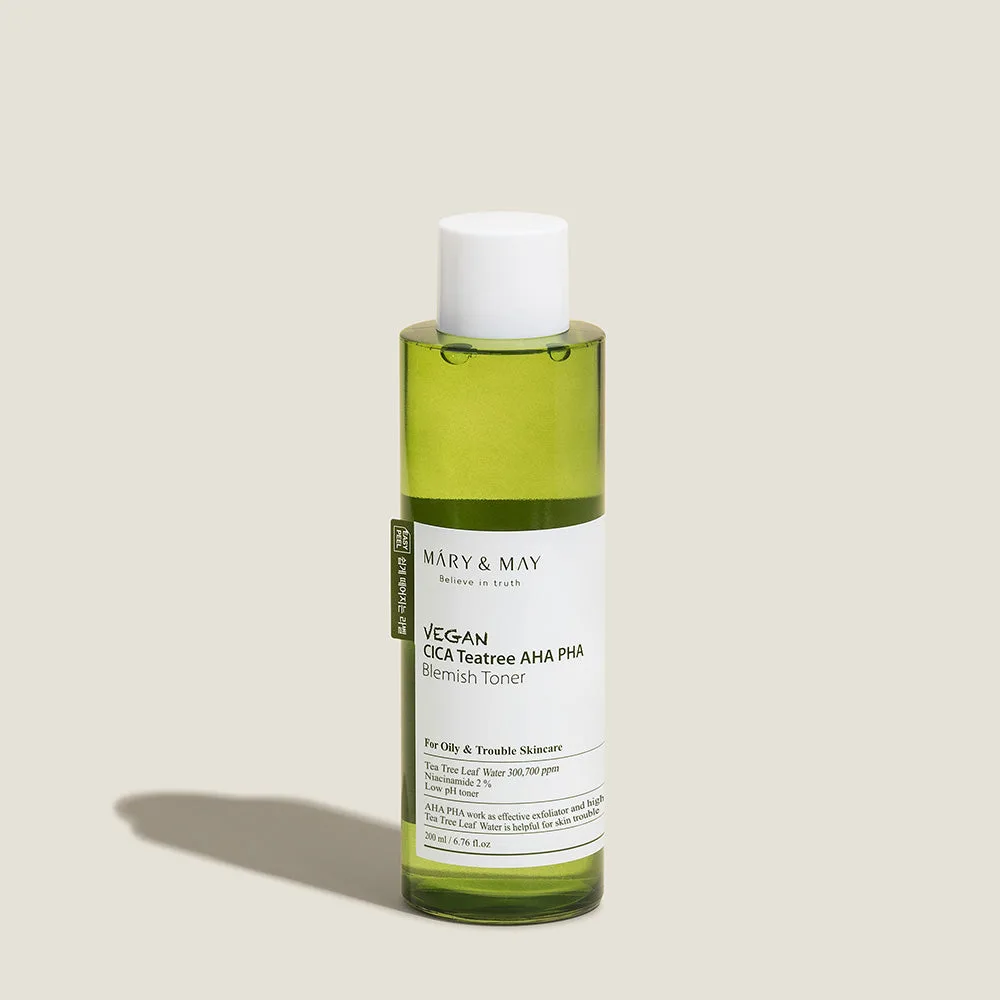
It blends a high tea-tree-water base with niacinamide and a deliberately gentle PHA-plus-AHA exfoliating duo, aiming to clear and balance blemish-prone skin without the harsh, stripping feel of stronger acid toners — all in a large, vegan, budget-friendly bottle.
A smart, generously-sized vegan blemish toner that pairs a soothing high-tea-tree-water base with niacinamide and a deliberately gentle PHA-AHA exfoliating duo. It clarifies and balances oily, breakout-prone skin without the stripping harshness of stronger acid toners. The cooling mint oil and acids make it a cautious pick for sensitive or very dry skin, but for the right complexion it's good value.
This rating rests largely on the formulation — the tea-tree-water base, niacinamide and gentle PHA-AHA duo — plus several hundred early reviews, since the toner hasn't yet accumulated years of feedback. How it performs across the full range of skin types over time remains to be seen.
The case for it
Cautions: fragrance; known irritants.
What would change this: A declared concentration would move this to a firmer reading of the dose.
Same rule for everyone. “Promising” is the verdict on 7,858 of 45,024 concern verdicts across the catalog; rule R9p decided 7,858 of them. Unchanged since September 5, 2026, engine 5.1.1.
Brand or formulator? Disclose a concentration or correct a fact →
The studies behind the evidence row
The case for it
What would change this: A declared concentration would move this to a firmer reading of the dose.
Same rule for everyone. “Promising” is the verdict on 7,858 of 45,024 concern verdicts across the catalog; rule R9p decided 7,858 of them. Unchanged since September 5, 2026, engine 5.1.1.
Brand or formulator? Disclose a concentration or correct a fact →
The studies behind the evidence row
The case for it
What would change this: A declared concentration would move this to a firmer reading of the dose.
Same rule for everyone. “Promising” is the verdict on 7,858 of 45,024 concern verdicts across the catalog; rule R9p decided 7,858 of them. Unchanged since September 5, 2026, engine 5.1.1.
Brand or formulator? Disclose a concentration or correct a fact →
The studies behind the evidence row
Also listed for Blackheads and Rough Texture — the actives here (Niacinamide, Citric Acid, Gluconolactone, Centella Asiatica) are in our research queue for those concerns; there is no verdict until their evidence rows are written. That is a gap in our table, not a mark against the product.
Does the jobDoes what a toner is for: adds something real, not alcohol-driven. Not measured from the label: restores skin pH, plays well with what follows.
A verdict is DermApproved’s assessment of how well a product’s ingredients fit a concern — never a claim about what the product treats. Evidence dots and collected reviews sit beside it and are never blended in. Rules 0.5.1 · evidence table ev-2026.09-r228 · how we decide
Anyone who battled acne in an earlier era of skincare remembers the philosophy of the time: blast it. Tea tree products in particular came in screamingly potent, alcohol-soaked, sting-on-contact formulas built on the belief that if it didn't hurt, it wasn't working. We know better now — that aggressive stripping tends to compromise the barrier, trigger more oil production, and make breakouts worse, not better. Mary & May's Vegan CICA Tea Tree AHA PHA Blemish Toner is a product of this gentler, smarter understanding, and that restraint is exactly what makes it worth a look. It's a blemish toner designed to soothe while it clarifies, not to wage war on your face.
The foundation tells the story. Sitting second on the ingredient list, at a declared 300,000 ppm, is tea tree leaf water — not the concentrated, harsh tea tree oil of old, but the gentler hydrosol form that calms reactive, breakout-prone skin without the burn. That's a deliberate choice, and it sets the tone for the whole formula: this is tea tree care for people who want the clarifying reputation of the ingredient without paying for it in irritation. Layered onto that base is niacinamide at the sixth position, high enough to do real work regulating excess sebum and gradually fading the dark marks that blemishes leave behind.
The exfoliation is where the gentleness really shows. Rather than reaching for a strong glycolic or salicylic punch, the toner uses a duo of citric acid (an AHA) and gluconolactone (a PHA). The PHA is the clever inclusion — polyhydroxy acids exfoliate the surface more mildly than traditional AHAs and bring humectant properties of their own, making them notably more tolerable on blemish-prone and slightly sensitive skin. Paired with the modest AHA, the overall effect is light, smoothing exfoliation that keeps pores clearer over time without the raw, over-exfoliated feeling that stronger acid toners can leave. It's the kind of formulation philosophy that respects the barrier.
Mary & May also stacks the soothing side generously. Centella asiatica and adenosine appear to calm and support the skin, and there's a cluster of humectants — glycerin, the xylitol-derived Aquaxyl-style complex — to keep things hydrating rather than drying. The whole thing is certified vegan, cruelty-free and EWG-green, with no added perfume, fitting Mary & May's house identity as a younger Korean indie brand built on clean, accessible, transparent formulas. For the size — a generous 200ml bottle — the price is firmly in good-value territory, which makes it an easy entry point into gentle chemical exfoliation.
That said, honesty requires flagging the caveats, because 'gentle' is relative. There's mentha arvensis (mint) leaf oil in here, which gives the toner its refreshing cooling tingle — pleasant for many, but a genuine potential irritant for reactive or very dry skin, and it can sting if your barrier is already stressed. The acids, mild as they are, still increase sun sensitivity, so daily sunscreen isn't optional while you're using this. And there are a couple of botanical extracts (citrus junos, artemisia) that, while present in small amounts, add to the overall sensitization potential for the genuinely sensitive. This is a toner for oily and combination, blemish-prone skin — not a soothing hydrating toner for delicate or compromised complexions.
Using it well matters more than with a basic toner. The temptation with any exfoliating acid product is to use it twice a day immediately and expect overnight clarity, but that's the fast track to an irritated, over-exfoliated mess. The smart approach is to start a few times a week, build up as your skin proves it can handle it, avoid stacking it with retinoids or other strong acids on the same night, and always follow with a good moisturizer. Treated that way, the clarifying and oil-balancing benefits accrue steadily over a few weeks, which is exactly how gentle exfoliation is supposed to work.
There's a broader lesson embedded in a toner like this about the difference between intensity and effectiveness, and it's one worth internalizing if you struggle with breakouts. The instinct when skin misbehaves is to escalate — stronger acids, more frequent use, that satisfying sting that feels like progress. But blemish-prone skin is often already inflamed, and piling on harsh actives tends to push it further out of balance, trapping you in a cycle of irritation and rebound oil. A formula built to soothe as it exfoliates breaks that cycle by treating the skin as something to support rather than punish. The tea tree water, the cica, the gentle PHA — these aren't compromises on potency so much as a recognition that consistency on calm skin beats heroics on angry skin. It's a quieter philosophy, and for a lot of people it's the one that finally works.
The verdict, then, is a warm one with clear boundaries. If you have oily or combination, blemish-prone skin and you want a clarifying, gently exfoliating toner that won't strip you raw, this is a well-built, vegan, generously-sized option at a fair price — a genuinely smart modern take on the tea tree toner. If your skin is dry, sensitive, rosacea-prone or barrier-compromised, the mint and acids make this a harder sell, and you'd be better served by a soothing, acid-free option. Match it to the right skin and use it with a little patience, and it does its quiet clarifying job well.
The hero actives that drive this product's performance.
| Ingredient | Function | Evidence |
|---|---|---|
| Tea Tree Leaf Water (30%) | Used as the second ingredient at a declared 300,000 ppm, tea tree leaf water forms the soothing, lightly purifying base that anchors the blemish-care concept, calming reactive, breakout-prone skin without the harshness of concentrated tea tree oil. | Not yet assessed |
| Niacinamide | Sitting sixth, it's high enough to help regulate excess sebum and gradually fade post-blemish marks, working with the exfoliating acids to keep the skin clearer over time. | Limited for Acne |
| Gluconolactone (PHA) | The gentler polyhydroxy acid here, it offers mild surface exfoliation with added humectant properties, smoothing texture while being more tolerable than stronger acids on blemish-prone skin. | Not yet assessed |
| Citric Acid (AHA) | Provides the AHA side of the exfoliating duo, loosening dead surface cells to keep pores clearer, paired with the PHA so the overall exfoliation stays light rather than aggressive. | Not yet assessed |
| Centella Asiatica & Adenosine | Centella and adenosine round out the calming, skin-supportive side, helping offset the potential sting of the acids and the cooling mint oil so the toner soothes as it exfoliates. | Not yet assessed |
Ingredient standings describe the active at treatment-level doses and vehicles; this product's own condition grades weigh its actual formula.
Water, Melaleuca Alternifolia (Tea Tree) Leaf Water, Glycerin, Dipropylene Glycol, Butylene Glycol, Niacinamide, 1,2-Hexanediol, Propanediol, Caprylyl Glycol, C12-14 Pareth-12, Ethylhexylglycerin, Adenosine, Citric Acid, Gluconolactone, Allantoin, Xanthan Gum, Xylitylglucoside, Centella Asiatica Leaf Extract, Anhydroxylitol, Mentha Arvensis Leaf Oil, Xylitol, Glucose, Pinus Densiflora Leaf Extract, Citrus Junos Fruit Extract, Artemisia Annua Extract
treatment
AM & PM
Sweep on after cleansing as an exfoliating prep step; start a few times a week, avoid pairing with other strong acids or retinoids on the same night, and always follow with moisturizer and daytime sunscreen.
Skin can feel smoother and look less congested within one to two weeks; clearer, more even blemish-prone skin builds over four to eight weeks of consistent, measured use.
The toner's clarifying action combines several modest, well-understood mechanisms rather than one strong active. Tea tree (Melaleuca alternifolia) has documented antimicrobial and anti-inflammatory activity against acne-relevant bacteria in clinical literature, and although the leaf-water form here is far milder than essential-oil concentrations, the high inclusion level supports its soothing, purifying role. Niacinamide is well evidenced for sebum regulation and for fading post-inflammatory hyperpigmentation, both directly relevant to blemish care. The exfoliating duo is deliberately gentle: gluconolactone, a polyhydroxy acid, exfoliates the stratum corneum surface while acting as a humectant and has data showing lower irritation than traditional alpha-hydroxy acids, making it suitable for blemish-prone and mildly sensitive skin; citric acid contributes additional mild AHA exfoliation and pH adjustment. Centella asiatica's triterpenes and adenosine add evidence-based soothing and skin-supportive effects. The counterweights are mentha arvensis leaf oil, which provides cooling but carries irritation potential, and the acids' inherent increase in photosensitivity. The honest scientific read is a thoughtfully balanced gentle-exfoliation toner whose benefits are real and incremental, with irritation risk concentrated in the mint and acid content.
Gentle exfoliating toners that pair polyhydroxy acids with soothing botanicals are generally well regarded in clinical practice for mild blemish-prone and oily skin, since PHAs like gluconolactone exfoliate effectively while being less irritating than stronger acids. The high tea-tree-water content and niacinamide align with commonly recommended approaches for managing oil and post-blemish marks. Dermatology guidance would, however, caution that the cooling mint oil and the acid content make this less appropriate for sensitive, rosacea-prone or barrier-compromised skin, and would stress the importance of daily broad-spectrum sunscreen given the increased photosensitivity from the acids. Clinicians typically advise introducing any acid toner gradually, a few times weekly, and avoiding simultaneous use with retinoids or other strong exfoliants to prevent over-exfoliation. For appropriate skin types using it measuredly, it is considered a reasonable, low-strength clarifying step rather than a treatment for moderate or severe acne, which warrants professional care.
After cleansing, apply the toner to a cotton pad or your palms and sweep or press it gently over the face, avoiding the eye area. Begin a few times a week rather than daily, particularly if you're new to chemical exfoliation, and increase frequency only as your skin tolerates it. Avoid layering it with retinoids or other strong acids in the same routine to prevent over-exfoliation, and always follow with a moisturizer. Because the AHA and PHA raise sun sensitivity, daily broad-spectrum sunscreen is essential whenever you use it. If you have reactive skin, patch test first because of the cooling mint oil and acids.
At around nineteen dollars for a large 200ml bottle, this toner offers strong value, giving a couple of months of regular use and a functional deck of tea tree water, niacinamide and gentle acids for the price of a basic toner. The vegan, EWG-green positioning and the generous size sweeten the deal, and smaller miniature and set formats exist if you want to trial it first. As an emerging brand, Mary & May prices for accessibility rather than prestige, so the cost reflects sensible value rather than a premium claim. The value is best realized by oily and combination skin that will actually use it consistently; sensitive or dry skin that finds the mint and acids irritating would see that value evaporate, making a gentler, acid-free toner the wiser spend for them.
Reach for it if you have oily or combination, blemish-prone skin and want a gently exfoliating, oil-balancing toner that clarifies without stripping. It's a good-value, vegan option for those easing into chemical exfoliation who appreciate a soothing tea-tree-and-cica base.
Hold off if your skin is dry, sensitive, rosacea-prone or barrier-compromised, since the cooling mint oil and exfoliating acids can sting and irritate. Anyone unwilling to commit to daily sunscreen, or seeking treatment for moderate-to-severe acne, should look to gentler or professionally-guided options instead.
Ready to try Mary & May Vegan CICA Tea Tree AHA PHA Blemish Toner?
Buy at Amazon ♥A watery, slightly slippery toner that spreads easily and absorbs fast with a light, refreshing finish.
Fragrance-free of added perfume, with a faint natural herbal-minty note from the tea tree and mint extracts.
A generous 200ml bottle, with smaller miniature and set options available; functional and easy to dispense onto a pad or palms.
The first use feels cool and refreshing with a faint herbal scent; the mint gives a light tingle, and most skin tolerates it well, though those new to acids should ease in gradually to avoid over-exfoliation.
Roughly 2-3 months of regular, several-times-weekly use from the 200ml bottle.
summer
It extends Mary & May's CICA and tea-tree blemish-care line, translating the brand's vegan, EWG-green philosophy into an exfoliating toner pitched at oily and acne-prone skin that wants gentle daily clarifying rather than aggressive peels.
Mary & May is a Korean indie brand founded around 2018, known for vegan, EWG-green, hypoallergenic formulas at accessible prices. This blemish toner reflects that house style — a clear acne-care concept built on well-known actives — though as a younger brand its independent clinical validation remains limited.
A tea tree toner with AHA and PHA will dry out and 'kill' acne fast.
This toner clarifies and balances gradually; the tea tree water soothes rather than strips, and the acids are kept gentle, so consistent measured use beats aggressive over-application, which can worsen breakouts.
It's a blemish-care toner that gently exfoliates with a PHA and AHA duo while soothing skin with a high tea-tree-water base, niacinamide and centella, aiming to clear congestion and balance oil without harsh stripping.
Start a few times a week rather than daily, especially if you're new to acids, and build up as your skin tolerates it. Overusing acid toners can compromise the barrier and worsen breakouts.
It's a cautious case. The cica, centella and tea tree soothe, but the cooling mint oil and exfoliating acids can sting reactive or very dry skin. Patch testing and easing in slowly are wise.
Yes. The AHA and PHA increase the skin's sensitivity to UV, so daily broad-spectrum sunscreen is essential while using this toner to avoid irritation and protect against sun damage.
Yes, it's certified vegan, cruelty-free and EWG-green, and contains no added perfume — though it does have a natural herbal-minty scent from the tea tree and mint extracts.
Recurring themes our editors read across retailer reviews of this product — summaries in our words, not quotations, and not a substitute for your own patch test.
Helps control oil and shine
Soothing tea tree and cica base
Gentle exfoliation without harshness
Large, good-value size
Refreshing cooling feel
Cooling mint can sting sensitive skin
Acids require sunscreen diligence
Not for very dry or reactive skin
Verified answers from our questions library — the nuance a product page cannot carry.