Best Tranexamic Acid for Hyperpigmentation
Updated September 2026 · independently researched, no sponsored placements
Our top 29 picks, ranked from 159 reviewed products — ordered by each product's hyperpigmentation verdict, then evidence strength.





How to Choose
Tranexamic acid is the brightener dermatologists reach for when melasma and stubborn hormonal pigmentation shrug off everything else — and it got there by accident. It started life as an oral drug to control heavy bleeding, until clinicians noticed patients' melasma fading as a side effect.
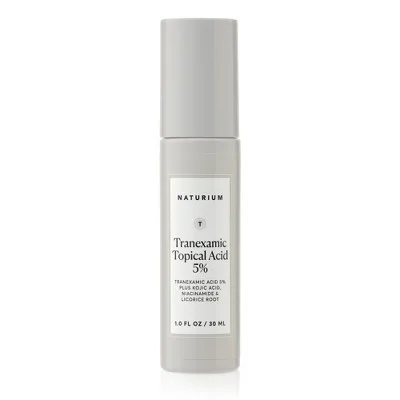
That history points to why it works differently from the usual suspects: instead of simply slowing pigment production like vitamin C or blocking pigment transfer like niacinamide, tranexamic acid calms the signaling between your skin's blood vessels, inflammatory messengers, and pigment cells that keeps melasma switched on. That makes it uniquely suited to the heat- and hormone-driven pigment that defeats other actives. What to look for is tranexamic acid at a meaningful level, ideally stacked with complementary brighteners — it's a genuine team player, which is why the strongest picks combine it with niacinamide, kojic acid, or alpha-arbutin. Hada Labo's Shirojyun lotion ($16) pairs it with licorice and vitamin C on a budget, while SkinCeuticals Discoloration Defense ($112) layers it with kojic acid and 4-butylresorcinol for tougher cases. The honest caveat: even tranexamic acid isn't a melasma cure, and none of it works without religious daily SPF, since a single unprotected afternoon can undo weeks of progress. Give it 8 to 12 weeks. And note the price spread ($13 to $112) tracks the supporting cast and brand more than the tranexamic acid itself — the budget options brighten capably, so spend up only if you want a multi-active specialist formula.
Buying Guide
Look for tranexamic acid paired with other brighteners rather than working solo — it combines exceptionally well with niacinamide, kojic acid, alpha-arbutin, and vitamin C, and the best formulas hit pigment from several angles at once. It's especially worth choosing over other actives if your pigmentation is melasma or has a reddish, inflammatory, or hormonal character, because tranexamic acid uniquely targets that vascular-inflammatory pathway. A leave-on serum, toner, or lotion is the right format so it stays on the skin; concentration matters, but the exact percentage is less important than consistent daily use. The single most important companion is broad-spectrum sunscreen — melasma in particular is heat- and light-triggered, so without daily SPF (and ideally avoiding direct heat) even the best tranexamic acid stalls. Set your timeline at two to three months before judging results. On price, the $13–$24 options are effective; the triple-digit serums buy a more sophisticated multi-active blend and elegant texture, not fundamentally better tranexamic acid.
Frequently Asked Questions
How does tranexamic acid fade hyperpigmentation differently from other brighteners?
Rather than just inhibiting pigment production or transfer, tranexamic acid interrupts the signaling between blood vessels, inflammatory mediators, and melanocytes that keeps pigmentation — especially melasma — active. That vascular-inflammatory mechanism is why it often works on stubborn, hormone- and heat-driven discoloration that doesn't respond well to vitamin C or niacinamide alone.
Is tranexamic acid the best ingredient for melasma?
It's one of the most effective topical options for melasma and a frequent dermatologist choice, particularly because melasma's inflammatory and vascular components are exactly what it targets. That said, it works best as part of a routine with other brighteners and strict sun protection — melasma is chronic and prone to relapse, so no single ingredient fully cures it.
How long until tranexamic acid shows results on dark spots?
Expect 8 to 12 weeks of consistent daily use before discoloration visibly lightens, similar to other topical brighteners. Pairing it with diligent sunscreen is what makes that timeline hold, since unprotected sun and heat exposure quickly reactivate the pigment you're trying to fade.
Can I use tranexamic acid with vitamin C or niacinamide?
Yes, and it's encouraged — tranexamic acid layers well with vitamin C, niacinamide, kojic acid, and alpha-arbutin, and many of the top products deliberately combine them to attack pigment through multiple pathways. Introduce one new active at a time to gauge tolerance, but these brighteners complement rather than conflict with each other.