Best Drugstore Toners
Updated September 2026 · independently researched, no sponsored placements
Our top 20 picks — ordered by how well each product does its category’s job.









How to Choose
The best drugstore toners are proof that this is the most over-thought step in skincare — a toner does exactly one job at a time, and every one of those jobs happens to be cheap to do well. That's why you almost never need to spend more.
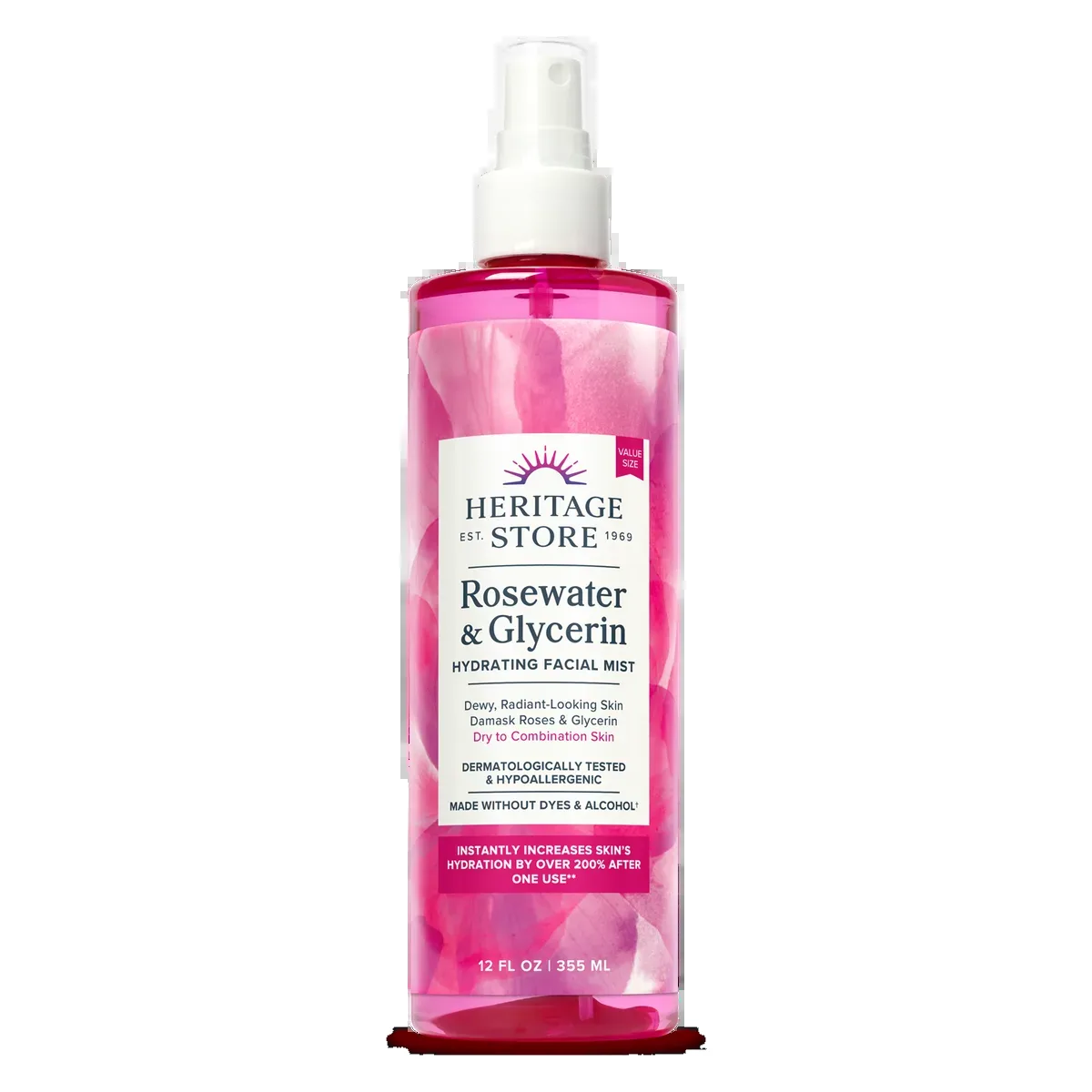
The trick is knowing which job you actually want, because 'toner' is a catch-all for very different products. Want hydration and barrier support? f. Pure Skin toner rival treatments costing far more. Want gentle daily exfoliation? A low-dose glycolic toner like L'Oréal's $20 Revitalift covers it. Want brightening? Hadabisei's tranexamic acid toner brings a derm-grade active to the drugstore shelf. The one category to approach with clear eyes is the cult witch-hazel classics like Thayers: beloved, gentle in their alcohol-free versions, and genuinely soothing, but they're refreshing more than transformative, so don't expect them to fix oil or pores. The honest caveat is bigger than price — a toner is optional, full stop. If your routine works without one, a drugstore toner is a nice-to-have, not a missing piece. But if you want one, there's no reason to pay luxury money: decide on the single job you want done, match the active to it, and grab the inexpensive bottle that does exactly that.
Buying Guide
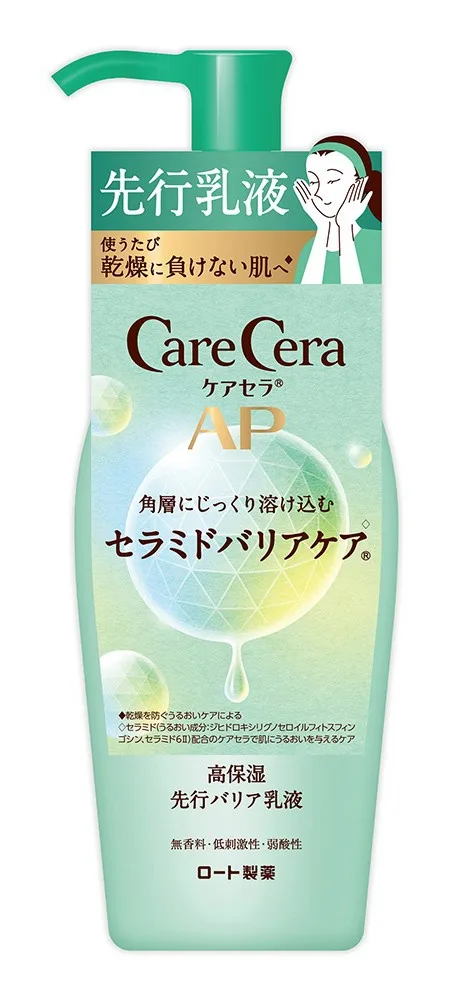
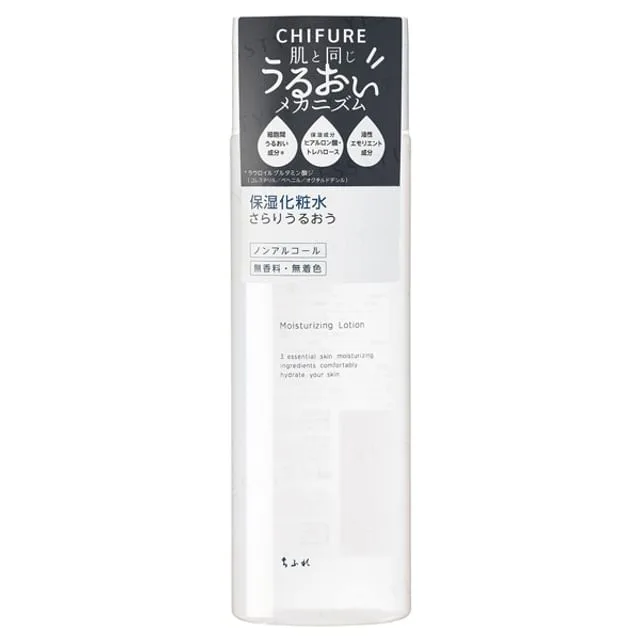
Pick the job first, because toners aren't one product — they're several. For hydration and barrier repair, look for ceramides, glycerin, and hyaluronic acid (CareCera Pre-Barrier Milk, Hada Labo, e.l.f. Pure Skin); for gentle exfoliation, a low-dose glycolic toner (L'Oréal Revitalift); for brightening, a tranexamic-acid or vitamin-C formula (Hadabisei). All of these are inexpensive to formulate well, so the drugstore competes directly with prestige brands. Treat the classic witch-hazel toners (Thayers) as soothing refreshers rather than active treatments, and choose alcohol-free versions if your skin runs dry. Texture should be a light, fast-absorbing fluid applied after cleansing. Price tops out around $29, so cost isn't the deciding factor — the active and your intended job are. And remember a toner is an optional step; only buy one if it's doing a job your routine actually needs.
Frequently Asked Questions
Do I actually need a toner in my routine?
No — a toner is an optional step, not an essential one, and plenty of effective routines skip it entirely. It's worth adding only if you want it to do a specific job, like extra hydration, gentle exfoliation, or brightening. If your skin is happy without one, a toner is a nice extra rather than a gap you need to fill.
Are drugstore toners as good as expensive ones?
For the jobs toners actually do — hydrating, lightly exfoliating, or brightening — yes, because those rely on inexpensive, well-understood ingredients like ceramides, glycerin, and glycolic acid. A $10–$18 drugstore toner such as e.l.f. Pure Skin or CareCera competes directly with prestige options. There's little reason to pay luxury prices for this step.
Are witch hazel toners like Thayers good for your skin?
The alcohol-free versions of witch hazel toners like Thayers are gentle and soothing, and many people love them as a refreshing step — but they're more about comfort than active treatment, so don't expect them to control oil or shrink pores. Older astringent formulas with high alcohol can be drying. Choose the alcohol-free, glycerin-and-aloe versions if your skin is sensitive or dry.
When do I apply toner in a skincare routine?
Apply toner right after cleansing and before serums and moisturizer, patting it on with hands or a cotton pad. Hydrating toners can be layered in a couple of thin coats for extra moisture, while exfoliating toners should be used at night and followed by sunscreen the next morning. Let it absorb for a moment before the next step.