Best Affordable Toners
Updated September 2026 · independently researched, no sponsored placements
Our top 40 picks, ranked from 362 reviewed products — ordered by how well each product does its category’s job.

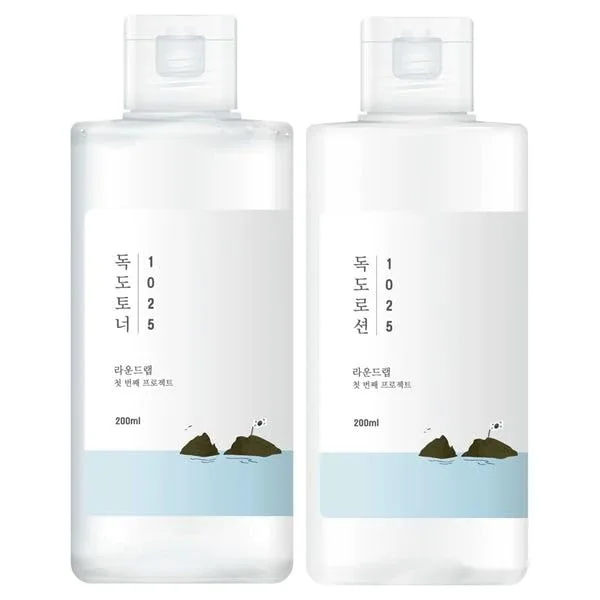












How to Choose
Toner is the one category where spending more buys you almost nothing, and the best affordable toners prove it by outscoring bottles three times their price. Part of the reason is history: the word 'toner' still carries the ghost of those stinging, alcohol-soaked astringents that stripped your face in the '90s, and a lot of expensive 'modern' toners are coasting on a name that no longer means what it used to.
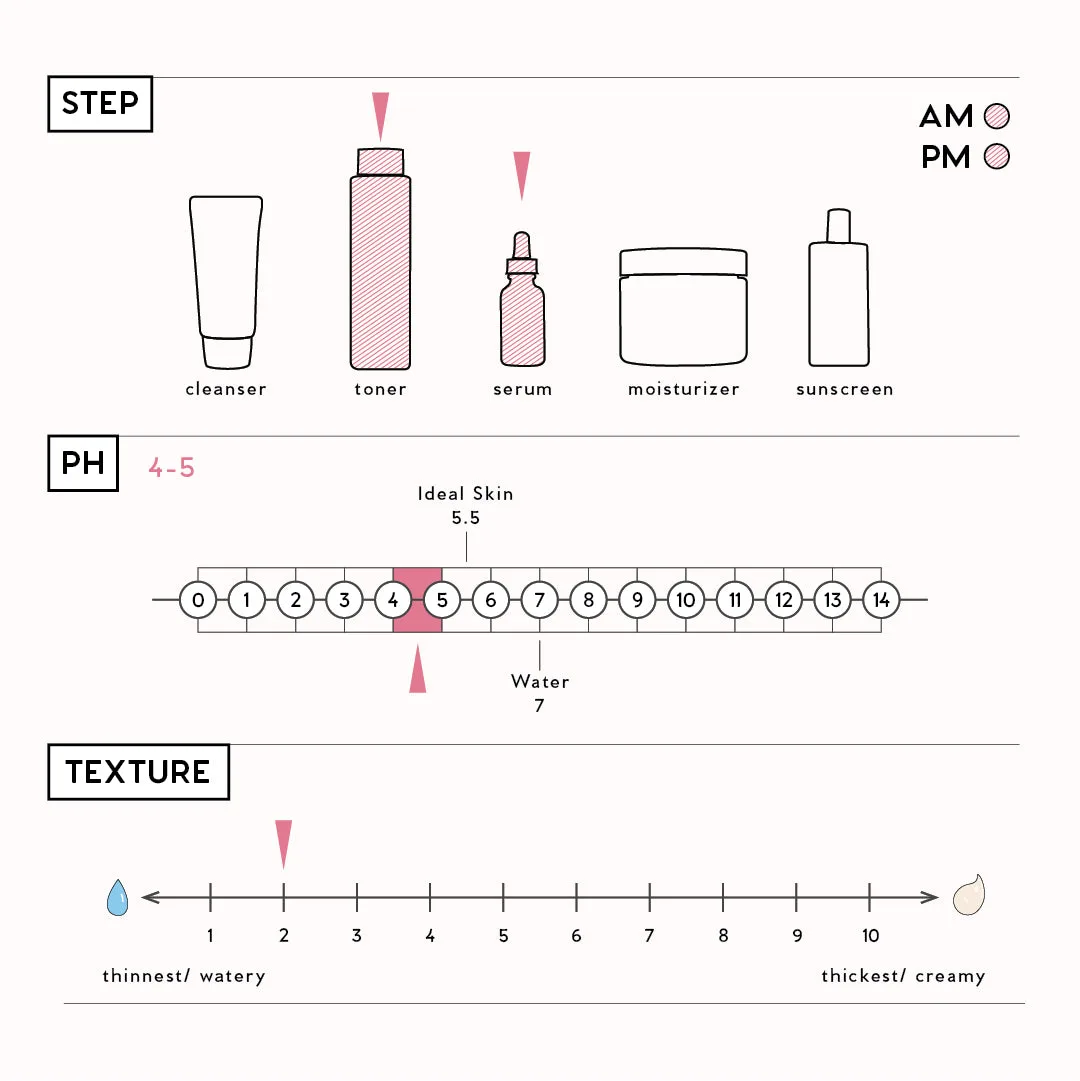
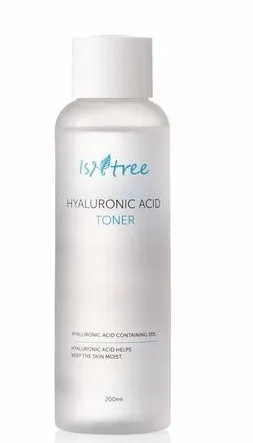
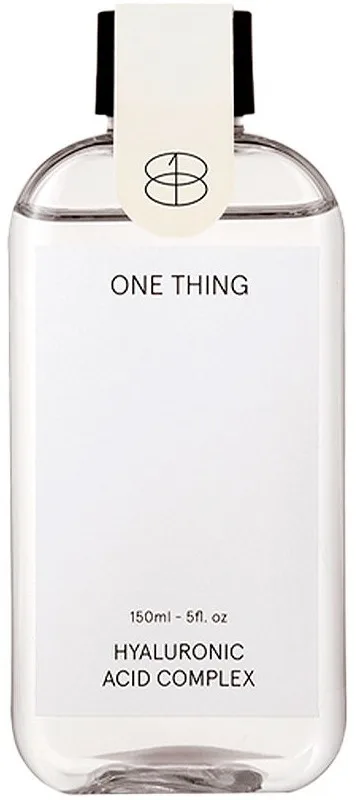
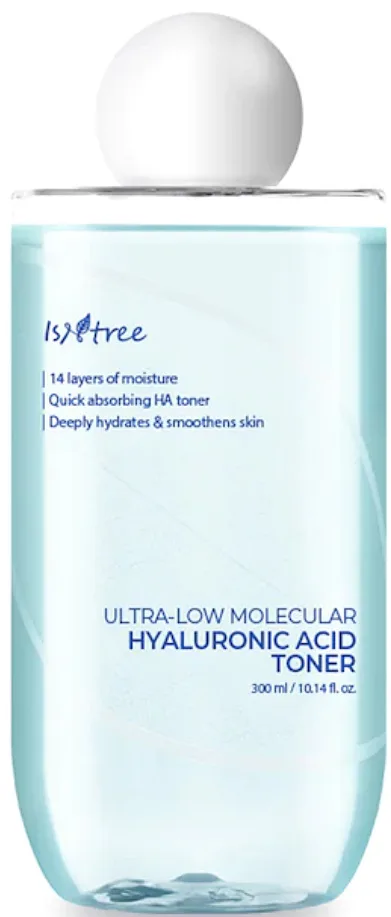
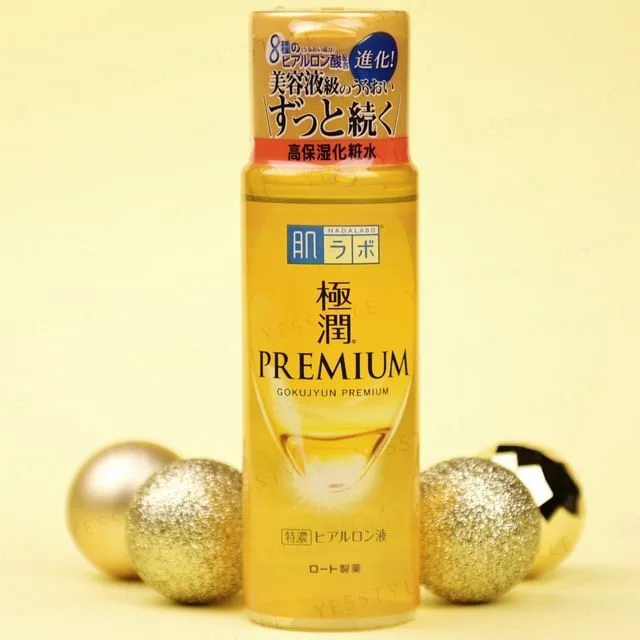
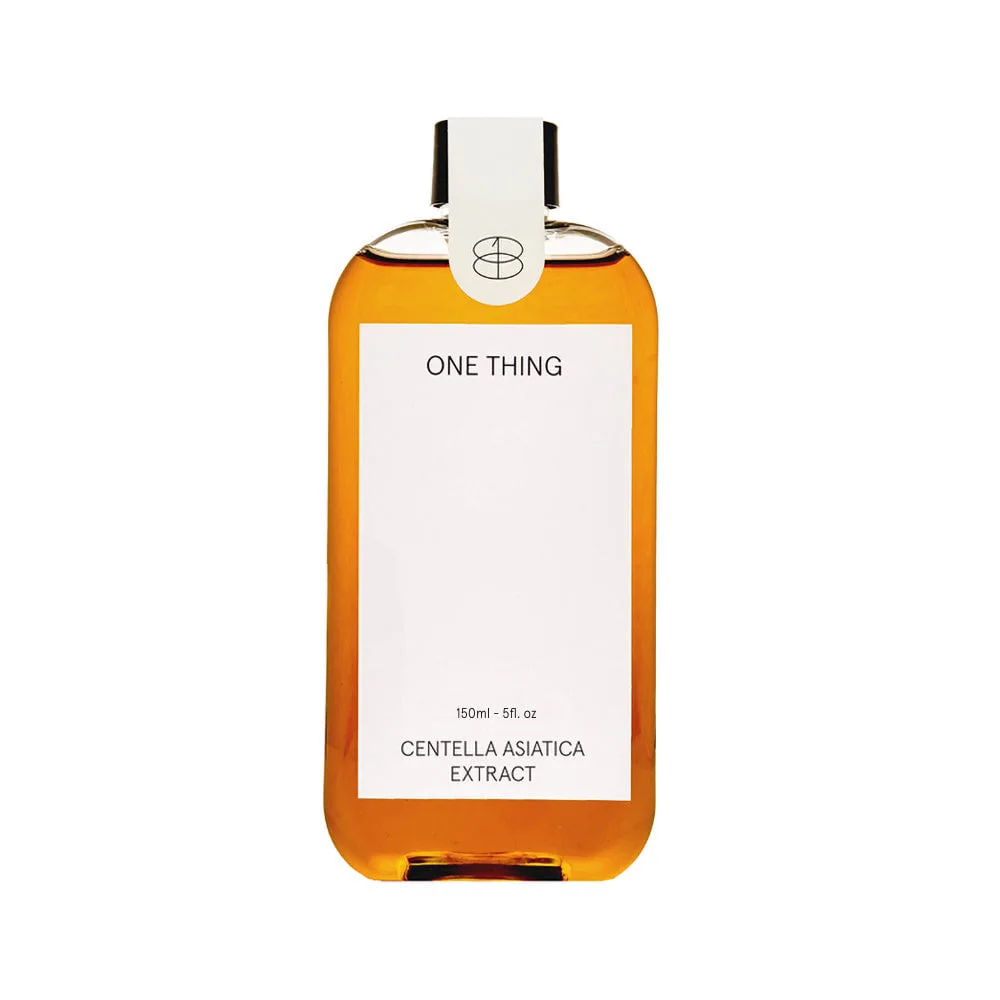
Today's good toner is really a lightweight hydrating layer — a watery first step that delivers humectants and soothing actives onto damp skin so everything after it absorbs better. And that job simply isn't expensive to do well, which is why Korean and Japanese beauty staples own this list: One Thing's single-ingredient Centella Asiatica toner ($14), Hada Labo's hyaluronic-acid Gokujyun lotion ($15), and Isntree's cult HA toner ($20) all land in the low-$20s and beat plenty of luxury options outright. What to look for under $25: hydrating humectants (hyaluronic acid, glycerin) and barrier-friendly actives like centella or panthenol — and what to avoid: denatured alcohol or witch hazel high on the list, the old stripping culprits hiding in 'pore-refining' marketing. The honest caveat is that a hydrating toner is a nice-to-have, not a must-have; if your routine is tight, it's a skippable step. But if you want one, this is the rare aisle where 'cheap' and 'best' are the same bottle.
Buying Guide
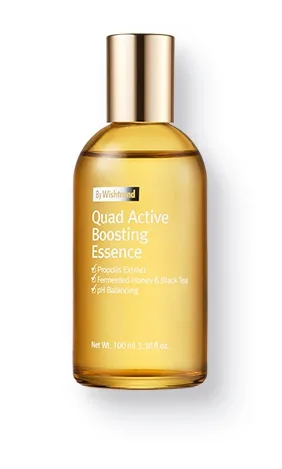
Shop this category by ingredients, not price, because the best toners here are genuinely inexpensive. Look for hydrating humectants — hyaluronic acid, glycerin, and panthenol — and soothing actives like centella asiatica that suit nearly all skin types. Decide what role you want the toner to play: a simple hydrating layer (One Thing Centella, Hada Labo) or a lightly active essence-toner that adds niacinamide, snail mucin, or mild exfoliants for a specific concern. Steer clear of denatured alcohol, witch hazel, or astringent 'pore-tightening' formulas high on the list, which strip rather than nourish and recall the harsh toners of the past. Texture should feel watery and absorb fast; a tacky or heavily fragranced toner is doing too much. Format is a minor preference — splash-on lotions, essence-toners, and mists all work. With excellent options between $13 and $23, there's no reason to overspend; save the budget for actives and sunscreen.
Frequently Asked Questions
Are cheap toners as good as expensive ones?
In this category, yes — toner is inexpensive to formulate well, and budget K-beauty and J-beauty options routinely outscore luxury bottles. As long as a toner has good humectants and soothing ingredients and avoids stripping alcohols, paying more buys branding rather than better performance.
Do I actually need a toner in my routine?
A modern hydrating toner is a helpful but optional step that adds a light layer of moisture and helps following products absorb. If your routine is minimal or your budget is tight, it's one of the easier steps to skip — but if you enjoy it, affordable options make it an easy addition.
What's the difference between an old astringent toner and a modern one?
Older toners were alcohol-based astringents designed to strip oil and tighten pores, which often left skin dry and irritated. Modern toners are hydrating, barrier-friendly layers built on humectants and soothing actives, so check the label for denatured alcohol or witch hazel to tell which type you're holding.
Can an affordable toner work for sensitive skin?
Absolutely — some of the gentlest toners are also the cheapest, like a single-ingredient centella toner with no fragrance or alcohol. For sensitive skin, look for short ingredient lists centered on centella, panthenol, or hyaluronic acid and skip anything heavily fragranced.