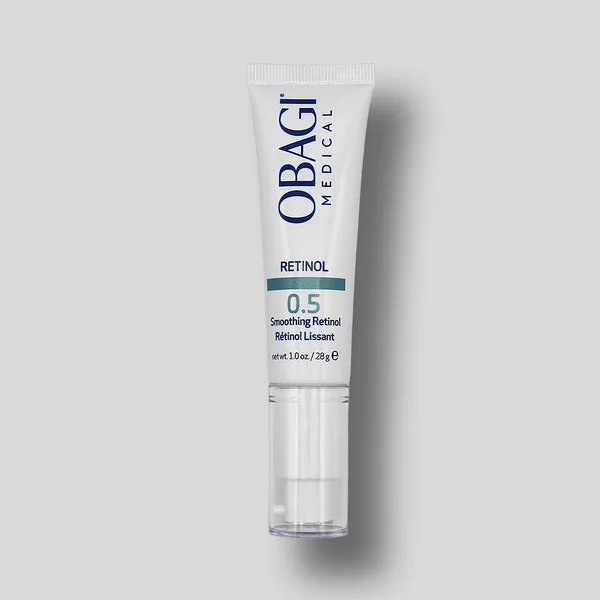
The entrapped retinol microsphere technology is the genuine differentiator — rather than depositing free retinol on the skin surface (causing irritation spikes), the microspheres release retinol gradually as they're absorbed, smoothing the delivery curve. Combined with a triple anti-inflammatory botanical complex (chamomile, bisabolol, licorice) and antioxidant vitamins C and E, the formula is engineered to deliver retinol efficacy with a significantly lower irritation profile.
A thoughtfully engineered clinical retinol that prioritizes tolerability without sacrificing efficacy. The entrapped microsphere delivery system genuinely reduces the irritation roller coaster that makes many people abandon retinol after a week. At $79 for 1 oz, you're paying a premium for Obagi's 35-year clinical heritage and a delivery technology that actually works — but that premium only makes sense if conventional retinol has burned you before.
Good choicefor AgingIn your profileYou chose · Retinol is a trial-supported active for aging; this cream carries it at 0.5%.Moderate evidenceGentleNo reviews collected yet
The case for it
Retinol has trial-supported standing for this concern.
It is present at an effective concentration, declared or high in the ingredient list.
The formula carries none of the triggers this concern is sensitive to.
Same rule for everyone. “Good choice” is the verdict on 9,564 of 45,024 concern verdicts across the catalog; rule R5 decided 9,072 of them.
Unchanged since September 5, 2026, engine 5.1.1.
Promisingfor HyperpigmentationIn your profileYou chose · Retinol has trial-level evidence for hyperpigmentation but no guideline or regulatory standing yet — promising, short of a recommendation; the other actives here are not yet assessed for it.Moderate evidenceGentleNo reviews collected yet
The case for it
Retinol has trial-level evidence for this concern but no guideline or regulatory standing yet.
It is present at an effective concentration, declared or high in the ingredient list.
The formula carries none of the triggers this concern is sensitive to.
What would change this: Guideline or regulatory standing for the active on this concern would move this from a promising bet to a recommendation.
Same rule for everyone. “Promising” is the verdict on 7,858 of 45,024 concern verdicts across the catalog; rule R9p decided 7,858 of them.
Unchanged since September 5, 2026, engine 5.1.1.
R9p — 0.5.0: 'Unproven' beside three filled dots read as one question answered twice with opposite words (7,018 rows). The chip measures standing, the dots measure trial volume; where the row carries at least one RCT or a tier-2 source (moderate dots) and the active is present at a working level, the honest word is Promising. Unproven is reserved for plausible-standing rows with limited or weak evidence, or an under-dosed form. Same rank as Unproven — a bet either way; the dots order them. · the full register
Carrying active
Retinol
Standing
plausible — trials support it
Form
adequate (declared 0.5%) — studied range 0.1–1%, from the OTC monograph or label; needs leave-on contact; judge it after ~12 weeks
Tolerability
gentle
Row checked
against its sources on July 17, 2026 (evidence table ev-2026.09-r228)
Promisingfor DullnessIn your profileYou chose · Hyaluronic Acid has trial-level evidence for dullness but no guideline or regulatory standing yet — promising, short of a recommendation; the other actives here are not yet assessed for it.Moderate evidenceGentleNo reviews collected yet
The case for it
Sodium Hyaluronate has trial-level evidence for this concern but no guideline or regulatory standing yet.
It is plausibly present at a working level, though the concentration is not declared.
The formula carries none of the triggers this concern is sensitive to.
What would change this: A declared concentration would move this to a firmer reading of the dose.
Same rule for everyone. “Promising” is the verdict on 7,858 of 45,024 concern verdicts across the catalog; rule R9p decided 7,858 of them.
Unchanged since September 5, 2026, engine 5.1.1.
R9p — 0.5.0: 'Unproven' beside three filled dots read as one question answered twice with opposite words (7,018 rows). The chip measures standing, the dots measure trial volume; where the row carries at least one RCT or a tier-2 source (moderate dots) and the active is present at a working level, the honest word is Promising. Unproven is reserved for plausible-standing rows with limited or weak evidence, or an under-dosed form. Same rank as Unproven — a bet either way; the dots order them. · the full register
Carrying active
Sodium Hyaluronate
Standing
plausible — trials support it
Form
plausible
Tolerability
gentle
Row checked
against its sources on July 17, 2026 (evidence table ev-2026.09-r228)
Promisingfor AcneIn your profileYou chose · Retinol has trial-level evidence for acne but no guideline or regulatory standing yet — promising, short of a recommendation; the other actives here are not yet assessed for it.Moderate evidenceStandard tolerabilityNo reviews collected yet
The case for it
Retinol has trial-level evidence for this concern but no guideline or regulatory standing yet.
It is present at an effective concentration, declared or high in the ingredient list.
The formula carries no trigger this concern is sensitive to, with the cautions noted.
Cautions: fungal-acne triggers.
What would change this: Guideline or regulatory standing for the active on this concern would move this from a promising bet to a recommendation.
Same rule for everyone. “Promising” is the verdict on 7,858 of 45,024 concern verdicts across the catalog; rule R9p decided 7,858 of them.
Unchanged since September 5, 2026, engine 5.1.1.
R9p — 0.5.0: 'Unproven' beside three filled dots read as one question answered twice with opposite words (7,018 rows). The chip measures standing, the dots measure trial volume; where the row carries at least one RCT or a tier-2 source (moderate dots) and the active is present at a working level, the honest word is Promising. Unproven is reserved for plausible-standing rows with limited or weak evidence, or an under-dosed form. Same rank as Unproven — a bet either way; the dots order them. · the full register
Carrying active
Retinol
Standing
plausible — trials support it
Form
adequate (declared 0.5%) — studied range 0.2%, from the OTC monograph or label; needs leave-on contact; judge it after ~12 weeks
Tolerability
standard — fungal triggers
Row checked
against its sources on July 17, 2026 (evidence table ev-2026.09-r228)
Unprovenfor Dark SpotsIn your profileYou chose · Retinol has early or mechanistic evidence for dark spots — a reasonable bet, not a recommendation; the other actives here are not yet assessed for it.Limited evidenceGentleNo reviews collected yet
The case for it
Retinol has early or mechanistic evidence for this concern, not trial-backed standing.
It is present at an effective concentration, declared or high in the ingredient list.
The formula carries none of the triggers this concern is sensitive to.
What would change this: Trial evidence for the active on this concern would move this from a bet to a recommendation.
Same rule for everyone. “Unproven” is the verdict on 1,111 of 45,024 concern verdicts across the catalog; rule R9 decided 1,111 of them.
Unchanged since September 5, 2026, engine 5.1.1.
R9 — Plausible-tier actives alone do not earn a recommendation, and 'not for this' would overstate the case against them. 'Unproven' with the evidence dots lets the reader judge the bet (added 0.2.0 after the first shadow run put a 10% niacinamide serum at 'not for this' for hyperpigmentation). 0.5.0: the closing clause reads the other heroes — "nothing else here addresses it" only when every other active has a researched 'none' row; "not yet assessed" when that is the truth. Rows whose dots read moderate or better now reach R9p first. · the full register
Carrying active
Retinol
Standing
plausible — trials support it
Form
adequate (declared 0.5%) — studied range 0.1–0.5%, from the OTC monograph or label; needs leave-on contact; judge it after ~12 weeks
Tolerability
gentle
Row checked
against its sources on July 17, 2026 (evidence table ev-2026.09-r228)
Also listed for Rough Texture — the actives here (Retinol, Hyaluronic Acid, Licorice Root Extract, Vitamin C) are in our research queue for that concern; there is no verdict until their evidence rows are written. That is a gap in our table, not a mark against the product.
Where our review and the verdict differ. The review below was written on the formulation and the published trials; the verdicts above apply the stricter standing test in our methodology — an active earns a recommendation only with guideline or regulatory standing for the concern. Where the two disagree, the verdict is DermApproved’s position.
A verdict is DermApproved’s assessment of how well a product’s ingredients fit a concern — never a claim about what the product treats. Evidence dots and collected reviews sit beside it and are never blended in.
Rules 0.5.1 · evidence table ev-2026.09-r228 · how we decide
✓ Fragrance-free, lightweight cream absorbs quickly without greasiness or residue
✓ Airless pump packaging protects light-sensitive retinol from oxidation degradation
✓ 0.5% concentration hits the clinical efficacy threshold while remaining beginner-accessible
✓ 35+ years of Obagi's clinical heritage and dermatologist dispensing validates formulation quality
✓ Formal clinical irritation study conducted on the product line adds rare transparency
Cons
✗ $79 for 1 oz is premium pricing for 0.5% retinol in a competitive market
✗ Experienced retinol users may find 0.5% insufficient for advanced anti-aging concerns
✗ Intermittent reports of packaging defects with product leaking from crimp point
✗ Mild initial dryness and flaking still expected during the retinoid adjustment period
Review
Full Review
Dr. Zein Obagi built his career on the belief that skin transformation requires active ingredients at effective concentrations, delivered through the right systems. When he founded Obagi Medical in 1988, the idea of physician-dispensed skincare was radical. Today, dermatology offices worldwide carry his products, and the brand's clinical credibility is among the deepest in the industry. The 360 Retinol 0.5 represents that philosophy distilled into a beginner-friendly package.
The centerpiece technology is entrapped retinol — retinol molecules encapsulated within slow-release microspheres that dissolve gradually after application. This isn't marketing theater. The practical difference between free retinol and entrapped retinol is the difference between dropping an ice cube into hot coffee and slowly melting it. The total retinol delivered is the same, but the peak concentration your skin encounters at any given moment is dramatically lower. It's this peak concentration that causes the redness, flaking, and burning that sends most first-time retinol users running back to their gentle moisturizers.
At 0.5%, this sits at the clinical threshold where retinol research starts showing meaningful anti-aging results. Studies have demonstrated that 0.5% retinol can improve fine lines, skin texture, and hyperpigmentation with consistent use over 8-12 weeks. It won't deliver the dramatic overnight changes of prescription tretinoin, but it also won't deliver the dramatic overnight irritation. For the majority of consumers — especially those over 30 approaching retinol for the first time — this concentration represents the sweet spot of results versus tolerance.
The supporting cast in this formula is deliberately anti-inflammatory. Bisabolol, chamomile extract, and dipotassium glycyrrhizate form a three-pronged calming system that addresses retinol-induced redness through different pathways. Bisabolol inhibits cyclooxygenase enzymes; licorice-derived glycyrrhizate suppresses prostaglandin activity; chamomile provides broad anti-inflammatory coverage. This isn't the typical "add some aloe and call it soothing" approach — the anti-inflammatory strategy is pharmacologically specific and complements the slow-release retinol to create a genuinely gentle experience.
Vitamins C and E appear in supporting roles rather than at headline concentrations. They provide antioxidant protection for both the retinol in the formula (preventing oxidation before it reaches your skin) and the skin itself (neutralizing free radicals generated during accelerated cell turnover). Sodium hyaluronate adds humectant hydration to counterbalance the drying tendency of retinoids, while shea butter contributes emollient comfort. The result is a cream that feels nourishing rather than clinical — soft, lightweight, and quickly absorbed without greasiness.
The airless pump packaging is the right call for a retinol product. Light and oxygen are retinol's two greatest enemies, and the airtight pump design protects the formula's integrity from first use to last. Each press dispenses approximately a pearl-sized amount, which is the correct dose for the full face. The white dispenser looks clinical without being intimidating — it would be at home in either a dermatologist's office or a bathroom counter.
In daily use, the cream applies smoothly and vanishes into the skin within a minute. There's no scent, no tingling, no warmth — just a lightweight, satiny finish that layers well under nighttime moisturizer. During the first two weeks of every-other-night use, expect possible mild dryness or very light flaking, particularly around the nose and chin. This is retinol doing its job — accelerating the shedding of old cells to reveal fresher ones beneath. The adjustment period with this product is consistently reported as milder than with comparable free-retinol products, which validates the entrapped delivery claim.
Results build gradually. By weeks three to four, skin texture typically improves — the surface feels smoother, more refined, almost polished. By week six to eight, fine lines show visible softening, and skin tone appears more even. By twelve weeks, the cumulative collagen stimulation and accelerated cell turnover create what many users describe as a genuine transformation in skin quality. These aren't overnight miracles; they're the compounding returns of consistent nightly use.
The honest conversation about price: $79 for 1 oz of 0.5% retinol is objectively expensive. You can find 0.5% retinol at a fraction of this price from brands that deliver solid results. What you're paying for here is the entrapped delivery system, the clinically informed anti-inflammatory support, and the assurance of a brand that has been in dermatologists' offices since 1988. If conventional retinol works fine for your skin, the value proposition is harder to justify. If you've bounced off retinol multiple times due to irritation, the tolerance advantage of this formula may save you from wasting money on products you can't actually use.
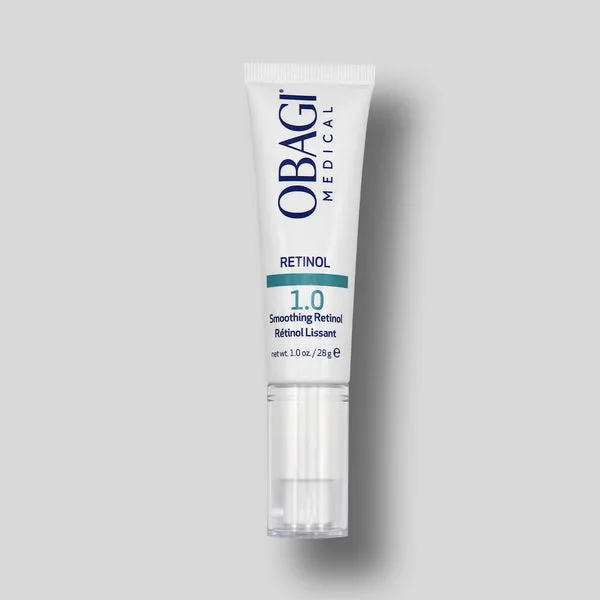
A practical limitation: the 0.5% concentration means that experienced retinol users seeking aggressive anti-aging results will eventually outgrow this product. Obagi addresses this with their 1.0% version in the same line, but at the same $79 price point, the per-percentage cost doubles. The 360 line is positioned as a stepping stone — gentle enough to start, effective enough to show results, but not the endpoint for someone pursuing maximum retinoid potency.
Some users have reported packaging issues — specifically, product leaking from the base crimp of the dispenser. This appears to be an intermittent quality control issue rather than a systemic design flaw, but for a $79 product, any packaging inconsistency is notable.
What earns this product its reputation isn't any single breakthrough ingredient — it's the engineering. The slow-release microspheres, the specific anti-inflammatory botanicals, the antioxidant stabilization, the airless packaging. Every element is designed to solve the actual problem with retinol: not that it doesn't work, but that it works in a way most people find intolerable. Obagi's 360 Retinol 0.5 makes the case that the best retinol isn't the strongest — it's the one you'll actually keep using.
Formula
Key Ingredients
The hero actives that drive this product's performance.
Delivered via a slow-release microsphere system that gradually releases retinol into the skin over hours rather than dumping the full dose at once. This entrapped delivery approach reduces the irritation spike associated with traditional retinol while maintaining efficacy for cell turnover, collagen stimulation, and wrinkle reduction. At 0.5%, this sits at the clinical threshold where meaningful anti-aging results begin.
Complements the retinol's collagen-stimulating action with its own independent collagen synthesis pathway. In this formula, vitamin C also provides antioxidant protection that helps stabilize the retinol and neutralize free radicals generated during the skin's retinoid response, reducing oxidative stress during the cell-turnover acceleration.
Works synergistically with vitamin C to create an antioxidant network that protects both the retinol in the formula and the skin during the retinoid adjustment period. Tocopheryl acetate's emollient properties also help offset the drying effect that retinol can have, contributing to the cream's comfortable, non-stripping texture.
Provides humectant hydration that counterbalances retinol-induced dryness. In a retinol cream, maintaining adequate hydration is critical for both comfort and efficacy — dehydrated skin is more susceptible to retinol irritation. The sodium hyaluronate draws and holds water in the upper epidermis, keeping skin plump during the retinoid adjustment period.
A triple anti-inflammatory system combining bisabolol (the primary active from chamomile), chamomile flower extract, and dipotassium glycyrrhizate (from licorice root). Together, these address the redness and inflammation that retinol can trigger through different anti-inflammatory pathways — bisabolol inhibits cyclooxygenase, while glycyrrhizate suppresses prostaglandin activity.
Limitedfor Hyperpigmentation
Ingredient standings describe the active at treatment-level doses and
vehicles; this product's own condition grades weigh its actual formula.
Apply a pearl-sized amount to clean, dry skin in the evening after cleansing and toner. Wait a few minutes before applying moisturizer on top. Start every other night for the first 2-4 weeks, building to nightly use as tolerated. Always follow with SPF 30+ the next morning.
Results Timeline
Immediate: skin may feel slightly smoother the morning after first use. Short-term (2-4 weeks): possible mild peeling or adjustment period, followed by improved texture and subtle glow. Long-term (8-12 weeks): visible reduction in fine lines, more even skin tone, and improved overall radiance with consistent nightly use.
Pairs Well With
Ceramide moisturizer to buffer irritationHyaluronic acid serum for extra hydrationVitamin C serum in the AM routineBroad-spectrum SPF 30+ (essential)
Retinol (vitamin A1) is the most extensively studied OTC anti-aging ingredient in dermatology. Its mechanism is well-characterized: retinol is converted to retinaldehyde and then to retinoic acid (the active metabolite) by enzymes in the skin. Retinoic acid binds to nuclear retinoid receptors (RARs and RXRs), modulating gene expression to increase collagen synthesis, accelerate cell turnover, and inhibit matrix metalloproteinases (MMPs) that break down existing collagen.
A landmark 2007 study published in the Archives of Dermatology demonstrated that 0.4% retinol applied three times weekly for 24 weeks significantly improved fine wrinkles and overall photodamage in elderly individuals. The study confirmed that OTC retinol concentrations can produce clinically meaningful anti-aging effects, challenging the assumption that only prescription retinoids deliver results.
The entrapped retinol delivery system in this formula uses microspheres — polymeric or lipid-based particles that encapsulate the retinol molecule and release it gradually as the particle dissolves. One trial published in the Journal of Cosmetic Dermatology has demonstrated that encapsulated retinol formulations achieve equivalent skin penetration to free retinol while producing significantly less irritation, as measured by transepidermal water loss (TEWL) and erythema indices. The practical benefit is a flatter pharmacokinetic curve — lower peak concentration with longer duration of delivery.
The anti-inflammatory botanical complex addresses the primary barrier to retinol compliance. Bisabolol, the active compound from chamomile, has been shown to inhibit cyclooxygenase-2 (COX-2) expression, reducing inflammatory prostaglandin production. Dipotassium glycyrrhizate (from licorice root) acts through a complementary pathway — inhibiting 11-beta-hydroxysteroid dehydrogenase and reducing cortisone-to-cortisol conversion in skin cells, which attenuates the inflammatory response. A 2019 review in the Journal of Clinical and Aesthetic Dermatology confirmed that licorice-derived compounds effectively reduce erythema and irritation in retinoid-containing formulations.
The inclusion of ascorbic acid alongside retinol has been debated in skincare communities, with concern that the acidic pH needed for vitamin C stability might destabilize retinol. In this formula, the ascorbic acid is present at a supporting concentration (not a treatment dose) and likely serves primarily as an antioxidant stabilizer for the retinol rather than as an independent active. The formulation pH and concentration would be optimized for retinol stability rather than vitamin C bioavailability.
Licorice (Glycyrrhiza glabra) root extract in dermatology — Journal of Clinical and Aesthetic Dermatology (2019)
Dermatologist Perspective
Dermatologists frequently recommend the Obagi 360 line as a gateway to retinoid therapy for patients who are retinol-naive or who have previously experienced intolerance with other products. Dermatologists appreciate the entrapped delivery system because it addresses the primary compliance barrier they encounter in clinical practice — patients abandoning retinol due to irritation before reaching the 8-12 week mark where significant benefits appear. The 0.5% concentration is considered appropriate for initiating retinoid therapy, with the option to graduate to the 1.0% version after 3-6 months. Dermatologists would note that while this product is effective for mild to moderate photoaging and hyperpigmentation, patients with deeper wrinkles or severe photodamage may ultimately benefit from transitioning to prescription-strength retinoids like tretinoin.
Guidance
Usage & Recommendations
How to Use
Apply one pump (pearl-sized amount) to clean, dry skin every evening. Start with every-other-night use for the first 2-4 weeks to assess tolerance. Once skin has adjusted without significant irritation, increase to nightly use. Wait 2-3 minutes after application before applying moisturizer. In the morning, always apply a broad-spectrum sunscreen SPF 30 or higher — retinol increases photosensitivity. Avoid applying to wet skin, broken skin, or immediately after exfoliating treatments.
Value Assessment
At $79 for 1 oz, this is unambiguously a premium retinol product. The per-use cost of approximately $1.30-1.75 per night significantly exceeds drugstore alternatives offering similar or even higher retinol concentrations. The value proposition rests on the entrapped delivery technology, the clinical anti-inflammatory support, and Obagi's 35-year track record in physician-dispensed skincare. For patients who have failed with conventional retinol due to irritation, the improved tolerability may actually save money by preventing product waste. For retinol-tolerant users, comparable results are achievable at lower price points. The single-size offering with no value packs or larger options limits long-term cost optimization.
Who Should Buy
Retinol beginners over 30 seeking a clinical-grade introduction to retinoid therapy. Especially well-suited for those who've previously experienced irritation with conventional retinol products and want a more tolerable approach. Also appropriate for patients whose dermatologist has recommended starting retinol for photoaging or hyperpigmentation concerns.
Who Should Skip
Budget-conscious consumers who tolerate standard retinol well will find better value elsewhere. Experienced retinoid users already comfortable with 1%+ concentrations won't benefit from the lower potency. Pregnant or nursing individuals must avoid all retinol products. Those seeking prescription-strength results should discuss tretinoin with their dermatologist.
Smooth, lightweight cream that absorbs quickly without leaving a greasy or heavy film. The silicone base creates a silky, cushioned feel during application that doesn't interfere with subsequent moisturizer layers.
Scent
Fragrance-free with no detectable scent. Clean, neutral formula smell only.
Packaging
White airless pump dispenser that protects the light-sensitive retinol from oxidation. The airtight design preserves formula integrity over time. Some users have reported occasional leaking at the crimp point, though this appears to be an intermittent manufacturing issue rather than a design flaw.
Finish
lightweightsatinnon-greasy
What to Expect on First Use
On first use, the cream feels lightweight and comfortable — no immediate tingling or stinging. The entrapped retinol technology means you won't feel the retinol working the way a free-retinol product might cause warmth or prickling. During the first 1-2 weeks of every-other-night use, mild dryness or very light flaking may appear, which is a normal sign of increased cell turnover. This adjustment period is typically milder than with comparable free-retinol products.
How Long It Lasts
2-3 months with nightly use (pearl-sized amount per application)
Obagi Medical's 360 line was developed to provide a complete anti-aging system accessible to retinol beginners. The 0.5% concentration was specifically positioned as the entry point, with the 1.0% version available for those ready to step up. The line underwent formal clinical irritation testing in 2013, demonstrating that even the 1.0% strength produced minimal irritation — an unusual level of clinical validation for an OTC retinol product. The 360 name references the brand's 360-degree approach to skin health.
About Obagi Legacy Brand (20+ years)
Obagi Medical was founded in 1988 by Dr. Zein Obagi, a board-certified dermatologist with over three decades of clinical experience. The brand pioneered physician-dispensed skincare systems and has extensive clinical research backing its formulations. Obagi products are widely used in dermatology practices and medical spas worldwide.
Brand founded: 1988 · Product launched: 2013
Myth vs. Reality
Common Myths
Myth
You need a prescription-strength retinoid to see real anti-aging results.
Reality
While prescription tretinoin is more potent, OTC retinol at 0.5% has been shown in clinical studies to improve fine lines, skin texture, and hyperpigmentation — especially with consistent long-term use. The key advantage of OTC retinol is better tolerability, which means higher compliance over time. A product you actually use every night outperforms a stronger product you abandon after two weeks of irritation.
Myth
Retinol thins the skin and makes it more fragile over time.
Reality
Retinol actually thickens the dermis by stimulating collagen production while thinning the outermost dead cell layer (stratum corneum) through accelerated turnover. The result is skin that appears thinner and smoother on the surface but is structurally stronger underneath. This is why dermatologists consider retinoids the gold standard for anti-aging.
FAQ
Frequently Asked Questions
Is the Obagi 360 Retinol 0.5 good for retinol beginners?
Yes — the 0.5% concentration and entrapped retinol delivery system make this one of the more tolerable clinical retinol options for first-time users. The slow-release microspheres reduce the irritation spikes typical of retinol initiation. Start with every-other-night application for the first 2-4 weeks, then build to nightly use as your skin adjusts.
What's the difference between Obagi 360 Retinol 0.5 and 1.0?
The 0.5% version contains half the retinol concentration of the 1.0% version. Both use the same entrapped delivery technology and supporting ingredient base. The 0.5% is designed as an entry point for retinol beginners or those with more sensitive skin, while the 1.0% is for experienced retinol users seeking stronger anti-aging results. Many dermatologists recommend starting with 0.5% and graduating to 1.0% after 3-6 months.
Can I use Obagi 360 Retinol 0.5 with vitamin C?
Yes, but use them at different times of day. Apply vitamin C serum in the morning for antioxidant protection and UV defense, and use this retinol cream in the evening. The formula already contains ascorbic acid and vitamin E as supporting antioxidants, but a dedicated morning vitamin C serum complements the retinol's anti-aging benefits effectively.
How long does it take to see results from Obagi 360 Retinol 0.5?
Most users notice improved skin texture and a subtle glow within 2-4 weeks. Fine line reduction becomes visible around 8-12 weeks of consistent nightly use. Hyperpigmentation improvement may take 12+ weeks. The slow-release formula means results build gradually but steadily, with fewer irritation setbacks compared to conventional retinol products.
Is Obagi 360 Retinol 0.5 worth the $79 price tag?
The premium price reflects Obagi's clinical pedigree, the entrapped retinol microsphere technology, and the comprehensive anti-inflammatory botanical complex. If you've struggled with retinol irritation from drugstore options, the improved tolerability may justify the cost by preventing product waste from abandonment. For users who tolerate standard retinol well, more affordable alternatives exist at the same concentration.
Reviews
What Reviewers Tend to Say
Recurring themes our editors read across retailer reviews of this product — summaries in our words, not quotations, and not a substitute for your own patch test.
Common Praise
Noticeable improvement in fine lines and skin texture within weeks
Gentle formula with minimal irritation compared to other retinol products
Creamy, non-greasy texture absorbs quickly and feels comfortable overnight
Effective entry point for retinol beginners who want clinical-grade quality
Fragrance-free formula suitable for sensitive skin with proper build-up
Common Complaints
Premium price of $79 for 1 oz is steep compared to drugstore retinol options
Some users report packaging issues with product leaking from crimp point
Initial dryness and peeling during the retinoid adjustment period is expected
At 0.5%, experienced retinol users may find it insufficient for advanced concerns
Notable Endorsements
Widely dispensed in dermatology practices and medical spas
The standard product post opens with a percentage rather than a lifestyle photo, and the regulator makes brands publish their evidence. Both of those are ahead of the West. The metric they created is the problem.
Licorice root is skincare's rare two-in-one: a pigment inhibitor and an anti-inflammatory in the same molecule — which is exactly why reactive skin should know it.
The one home formulation with a genuinely coherent case, taken apart on its own terms: the pH window, the oxidation clock, and what a browning serum has actually become.
Chamomile's active fraction inhibits the same inflammatory pathways a steroid does, at a fraction of the strength — and the version that works best is grubbed out of Brazilian cerrado, while the synthetic substitute is half inactive by construction.
Aug 28, 2026· 9 min
Questions people ask about Hyperpigmentation
Verified answers from our questions library — the nuance a product page cannot carry.
Products, answers, therapy guides, tools and articles in one search. Brand names,
slang and abbreviations all work — accutane finds isotretinoin, bacne finds truncal acne.