

Retinal vs Retinol: Is the 'Faster' Retinoid Actually Worth the Premium?
One is a single conversion step from prescription retinoic acid. The marketing turns that into '11x stronger.' The evidence tells a subtler — and more useful — story.

The antioxidant system around the retinol is the standout feature — tocotrienols, tocopherol, tocopheryl acetate, ascorbic acid, 3-O-ethyl ascorbic acid, glutathione, beta-carotene, and BHT create one of the most comprehensive retinol-stabilizing and anti-aging antioxidant shields in any OTC product. The five-HA complex prevents retinol-induced dryness. This is a retinol cream designed more like a skincare system than a single-active product.
The retinol cream that wants you to succeed. A 0.1% concentration wrapped in one of the most comprehensive antioxidant and hydration systems in the category — five hyaluronic acids, seven antioxidants, and enough soothing agents to ensure your first retinol experience doesn't end in a red, flaky mess. Not dramatic enough for veterans, but that's not who it's for.
The case for it
Same rule for everyone. “Good choice” is the verdict on 9,564 of 45,024 concern verdicts across the catalog; rule R5 decided 9,072 of them. Unchanged since September 5, 2026, engine 5.1.1.
Brand or formulator? Disclose a concentration or correct a fact →
The studies behind the evidence row
The case for it
What would change this: A declared concentration would move this to a firmer reading of the dose.
Same rule for everyone. “Promising” is the verdict on 7,858 of 45,024 concern verdicts across the catalog; rule R9p decided 7,858 of them. Unchanged since September 5, 2026, engine 5.1.1.
Brand or formulator? Disclose a concentration or correct a fact →
The studies behind the evidence row
The case for it
Cautions: fungal-acne triggers.
What would change this: A concentration inside the studied range would raise this a step.
Same rule for everyone. “Unproven” is the verdict on 1,111 of 45,024 concern verdicts across the catalog; rule R9 decided 1,111 of them. Unchanged since September 5, 2026, engine 5.1.1.
Brand or formulator? Disclose a concentration or correct a fact →
The studies behind the evidence row
The case for it
What would change this: Trial evidence for the active on this concern would move this from a bet to a recommendation.
Same rule for everyone. “Unproven” is the verdict on 1,111 of 45,024 concern verdicts across the catalog; rule R9 decided 1,111 of them. Unchanged since September 5, 2026, engine 5.1.1.
Brand or formulator? Disclose a concentration or correct a fact →
The studies behind the evidence row
Also listed for Rough Texture — the actives here (Panthenol (Vitamin B5) are in our research queue for that concern; there is no verdict until their evidence rows are written. That is a gap in our table, not a mark against the product.
Where our review and the verdict differ. The review below was written on the formulation and the published trials; the verdicts above apply the stricter standing test in our methodology — an active earns a recommendation only with guideline or regulatory standing for the concern. Where the two disagree, the verdict is DermApproved’s position.
A verdict is DermApproved’s assessment of how well a product’s ingredients fit a concern — never a claim about what the product treats. Evidence dots and collected reviews sit beside it and are never blended in. Rules 0.5.1 · evidence table ev-2026.09-r228 · how we decide
The retinol dropout rate is a well-known problem in skincare. People buy a retinol product, use it twice, wake up looking like they fell asleep on a sunburn, and banish it to the back of the medicine cabinet forever. COSRX designed The Retinol 0.1 Cream to break that cycle — and they did it not by making a weak product, but by building the most elaborate safety net around a retinol molecule that twenty-seven dollars can buy.
The ingredient list tells the story. Fifty-one ingredients might seem like the opposite of COSRX's usually minimalist philosophy, but every addition serves a clear function in the retinol support ecosystem. The retinol itself is pure retinol — not a gentler ester like retinyl palmitate — at 0.1%, which places it at the beginner end of the therapeutic range while still delivering the direct, bioavailable form of vitamin A that dermatologists consider the gold standard for OTC anti-aging.
What surrounds that retinol is where the formulation gets interesting. Seven antioxidants — tocotrienols, tocopherol, tocopheryl acetate, ascorbic acid, 3-O-ethyl ascorbic acid, glutathione, and beta-carotene — form a multi-layered shield that serves dual purposes. First, they stabilize the retinol against oxidative degradation, which is crucial because retinol is notoriously unstable and breaks down quickly when exposed to light, air, or heat. Second, each antioxidant provides independent anti-aging benefits: vitamin C supports collagen synthesis, glutathione brightens, tocotrienols neutralize free radicals with forty to sixty times the potency of standard vitamin E.
This is an unusual formulation philosophy for a retinol product. Most retinol creams include one antioxidant — usually vitamin E — for basic stabilization and call it sufficient. COSRX built an antioxidant cocktail that rivals standalone antioxidant serums. Whether this translates to meaningfully better outcomes than a simpler formulation is hard to quantify, but the theoretical synergy is sound, and the retinol stability should be genuinely superior.
The hydration support is equally comprehensive. Five types of hyaluronic acid — the same multi-depth system COSRX uses in their HA serum and body cream — provide hydration at different layers of the epidermis. The crosspolymer form creates a sustained-release moisture reservoir on the surface. The acetylated form adheres more tenaciously to skin. The hydrolyzed form penetrates deeper. Together, they address the number one reason people quit retinol: the flaking, tightness, and desert-dry feeling that even gentle retinols can cause in the first few weeks. Panthenol, shea butter, allantoin, and trehalose add additional soothing and barrier-supporting layers.
The texture is a pleasant surprise. Despite fifty-one ingredients and a cream base with shea butter and multiple oils, it feels lightweight and absorbs within thirty seconds. The polysilicone-11 creates a breathable, non-tacky finish that doesn't interfere with sleep or pillow cases. If you've experienced the heavy, greasy feeling of some retinol creams, this one is refreshingly un-dramatic on the skin — which matches its un-dramatic approach to retinol delivery.
Results are visible but gradual. COSRX's clinical testing showed measurable improvements — 18.62% reduction in forehead wrinkles and a striking 45.14% improvement in pore volume within two weeks. In real-world use, most users report smoother texture and subtly brighter skin within the first month, with more noticeable line-softening at the two to three month mark. What you won't get at 0.1% is the dramatic peeling, purging, and visible transformation that higher-concentration retinols deliver. This is a whisper, not a shout.
The packaging deserves honest criticism. The aluminum tube protects the retinol from light — a good design choice — but multiple users report the tube cracking, paint flaking, and product oozing from stress points after a few weeks of regular use. For a product that costs twenty-seven dollars and contains a light-sensitive active, the packaging should be more robust. The tube is also small enough that controlling the squeeze requires a light touch; it's easy to dispense more than a pea-sized amount.
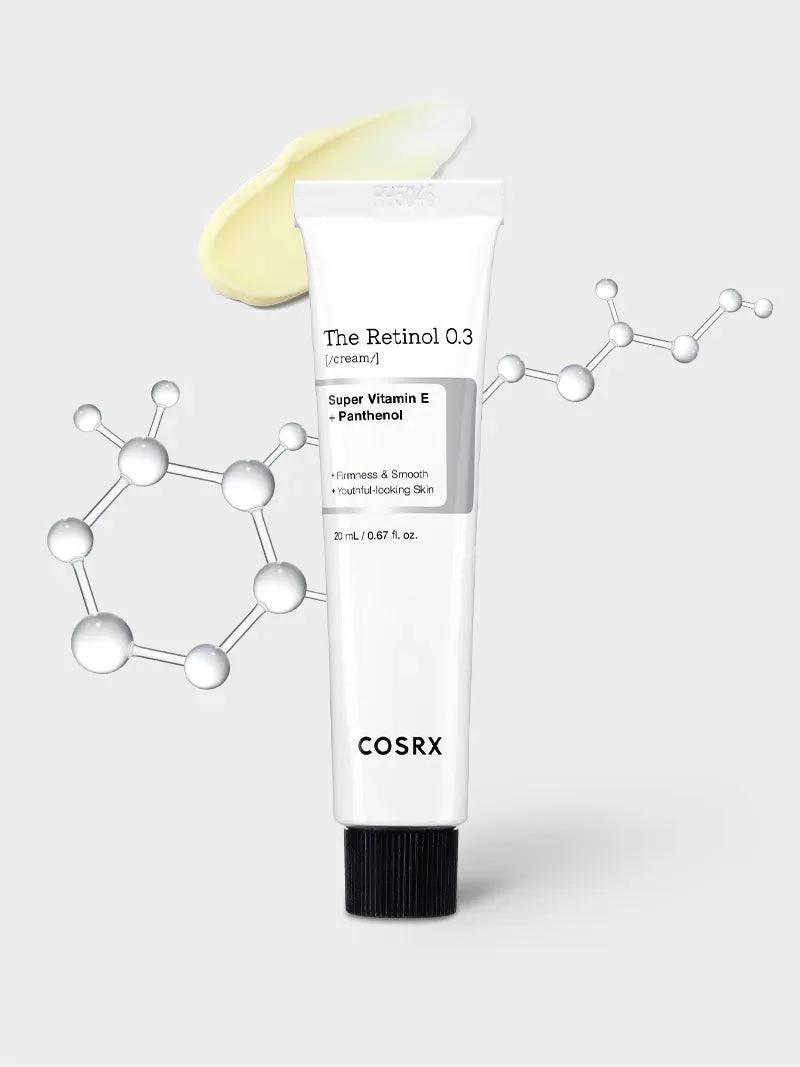
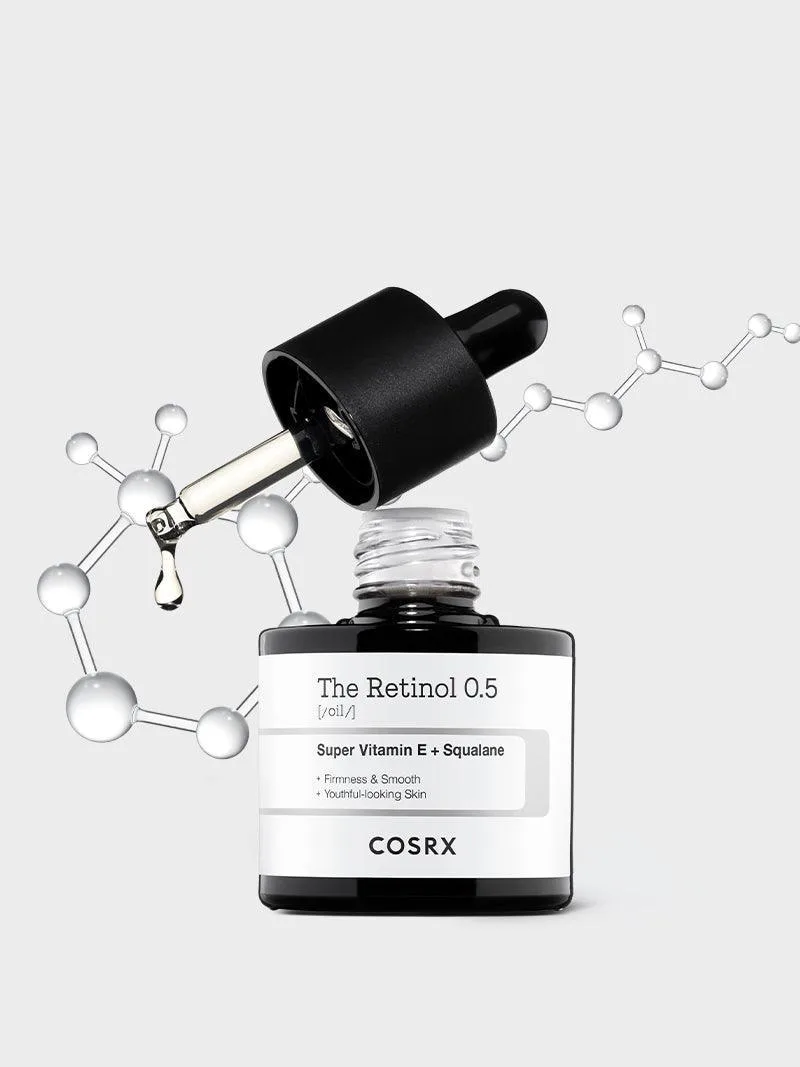
For retinol beginners, this product solves the right problem. The 0.1% concentration paired with the antioxidant and hydration infrastructure means your first retinol experience will almost certainly be comfortable. The graduated system — step up to 0.3% when ready, then 0.5% — provides a clear path forward. And the supporting ingredients do more than just buffer the retinol; they provide genuine standalone skincare benefits that make this worth using even before the retinol's long-term collagen effects kick in.
For experienced retinol users, this is likely too gentle. If you've been using 0.5% retinol or prescription tretinoin, stepping down to 0.1% will feel like nothing. The formula is excellent, but the active concentration won't challenge skin that's already adapted to stronger retinoids. COSRX's 0.3% or 0.5% options are better fits for that audience.
At twenty-seven dollars for twenty milliliters, the value depends on how you categorize the product. As a retinol cream, it's slightly expensive per milliliter. As a retinol-plus-antioxidant-cocktail-plus-five-HA cream, the price makes more sense. You're paying for the ecosystem, not just the retinol. And for the person who's tried and failed with retinol before, the insurance policy of that ecosystem might be exactly worth the premium.
The hero actives that drive this product's performance.
| Ingredient | Function | Evidence |
|---|---|---|
| Retinol (0.1%) (0.1%) | Pure retinol at a beginner-friendly 0.1% concentration promotes cell turnover and collagen synthesis while minimizing the irritation that higher concentrations can cause. In this formula, the retinol is stabilized by an unusually comprehensive antioxidant system — tocopherol, tocotrienols, ascorbic acid, 3-O-ethyl ascorbic acid, glutathione, and beta-carotene — ensuring the molecule remains active rather than oxidizing in the tube. | Emerging for Aging |
| Tocotrienols (Super Vitamin E) | The lesser-known, more potent form of vitamin E with a more flexible molecular structure than standard tocopherol. Tocotrienols provide 40-60 times greater antioxidant potency and superior UV-absorbing properties. In this retinol formula, they serve dual duty: stabilizing the retinol against oxidation and providing independent anti-aging benefits through free radical neutralization. | Limited for Aging |
| Five Types of Hyaluronic Acid (Sodium Hyaluronate, Hydrolyzed HA, HA, Crosspolymer, Acetylated) | Five molecular weights and derivatives create multi-depth hydration to counteract the dryness retinol commonly causes. The crosspolymer form provides sustained moisture release, the acetylated form adheres more firmly to skin, and the smaller hydrolyzed form penetrates deeper — together preventing the flaking and tightness that derails many people's retinol journeys. | Plausible mechanism for Dullness |
| Panthenol (Vitamin B5) | A soothing humectant positioned high on the INCI list, panthenol provides anti-inflammatory support and promotes skin cell proliferation — directly counteracting the irritation and barrier disruption that retinol can trigger. In this formula, it's the primary soother in the buffer system around the retinol. | Not yet assessed |
| Glutathione & Dual Vitamin C (Ascorbic Acid + 3-O-Ethyl Ascorbic Acid) | Glutathione is the body's master antioxidant, and its combination with two forms of vitamin C creates a three-layer antioxidant shield that serves dual purposes: stabilizing the retinol molecule against degradation and providing independent brightening and collagen-support benefits. The 3-O-ethyl ascorbic acid is particularly stable, maintaining activity where pure ascorbic acid would degrade. | Not yet assessed |
Ingredient standings describe the active at treatment-level doses and vehicles; this product's own condition grades weigh its actual formula.
Water/Aqua/Eau, Caprylic/Capric Triglyceride, Propanediol, Glycerin, Tocopheryl Acetate, Cetearyl Alcohol, Trehalose, Panthenol, Butyrospermum Parkii (Shea) Butter, Glycine Soja (Soybean) Oil, Ammonium Acryloyldimethyltaurate/VP Copolymer, Dimethicone, Glyceryl Polymethacrylate, Helianthus Annuus (Sunflower) Seed Oil, Polyglyceryl-10 Stearate, Hydrogenated Lecithin, Hydroxyethyl Acrylate/Sodium Acryloyldimethyl Taurate Copolymer, Carbomer, Tromethamine, Glyceryl Stearate, Polysilicone-11, Sodium Sulfite, Tocopherol, Daucus Carota Sativa (Carrot) Root Extract, Retinol, Allantoin, Glyceryl Caprylate, Oryza Sativa (Rice) Bran Wax, Tocotrienols, Stearic Acid, Polyglyceryl-3 Methylglucose Distearate, Palmitic Acid, Disodium EDTA, Ethylhexylglycerin, Adenosine, Sorbitan Stearate, Elaeis Guineensis (Palm) Oil, BHT, Beta-Carotene, Myristic Acid, Lauric Acid, Ascorbic Acid, Limnanthes Alba (Meadowfoam) Seed Oil, 3-O-Ethyl Ascorbic Acid, Glutathione, Sodium Hyaluronate, 1,2-Hexanediol, Hydrolyzed Hyaluronic Acid, Sodium Hyaluronate Crosspolymer, Hyaluronic Acid, Sodium Acetylated Hyaluronate
treatment
PM
Apply a pea-sized amount as the last active step in your PM routine, after serums but before occlusive moisturizer. Start with 2-3 nights per week and gradually increase to nightly use over 4-6 weeks. Always use sunscreen the following morning.
Subtle skin smoothing within 2-4 weeks. Clinical testing showed 18.62% improvement in forehead wrinkles and 45.14% improvement in pore volume at 2 weeks. Visible texture refinement and brightening at 6-8 weeks. Significant anti-aging benefits with consistent use over 3-6 months.
Retinol at 0.1% is positioned at the gentler end of the therapeutic range, but the evidence supports its efficacy for visible skin improvements.
Retinol's mechanism is well-established: it converts to retinaldehyde and then to retinoic acid (tretinoin) in the skin, activating nuclear retinoic acid receptors that regulate cell turnover, collagen synthesis, and melanin production. A landmark study by Kafi et al. in the Archives of Dermatology (2007) demonstrated that 0.4% retinol significantly improved fine wrinkles and increased glycosaminoglycan and procollagen I expression after 24 weeks. While 0.1% is lower than the concentration in that study, the conversion pathway is the same — the effects are proportionally gentler and more gradual rather than absent.
The tocotrienol inclusion is scientifically noteworthy. Research reported in the Journal of Biological Chemistry has demonstrated that tocotrienols possess 40-60 times the antioxidant activity of tocopherols due to their unsaturated side chain, which allows for more efficient distribution within cell membranes. A study in Free Radical Biology and Medicine (2006) found that tocotrienols inhibited UV-induced lipid peroxidation more effectively than tocopherols, suggesting superior photoprotective activity in skin applications.
The dual vitamin C system — ascorbic acid plus 3-O-ethyl ascorbic acid — provides complementary stability profiles. Pure ascorbic acid is the most potent but least stable form, while 3-O-ethyl ascorbic acid maintains activity in formulations where ascorbic acid degrades. Research in the International Journal of Cosmetic Science (2013) demonstrated that 3-O-ethyl ascorbic acid inhibited melanogenesis and showed greater stability than ascorbic acid at neutral pH, making it well-suited to this cream's pH range of 5.8-7.8.
Glutathione, the body's primary endogenous antioxidant, has demonstrated skin-lightening effects through inhibition of tyrosinase activity. A randomized controlled trial published in Clinical, Cosmetic and Investigational Dermatology (2017) found that topical glutathione significantly reduced melanin indices and wrinkles. In this retinol cream, it adds both stabilization of other antioxidants (glutathione regenerates oxidized vitamin C) and independent brightening effects.
The five-HA complex addresses retinol-induced barrier disruption. Sodium hyaluronate crosspolymer has demonstrated sustained moisture delivery in studies published in the International Journal of Biological Macromolecules (2019), while sodium acetylated hyaluronate shows enhanced skin retention due to its increased lipophilicity — critical in a product that may temporarily weaken the barrier through retinoid-mediated cell turnover.
Many dermatologists consider retinol the gold-standard OTC anti-aging ingredient, and most recommend starting at low concentrations with gradual introduction. Dermatologists note that 0.1% retinol is an appropriate starting point for beginners, with the expectation of stepping up concentration as tolerance develops. The multi-antioxidant system in this formula is recognized as beneficial for retinol stability — dermatologists point out that retinol degradation in poorly stabilized products can reduce efficacy by 50% or more within weeks. The five-HA and panthenol buffering system aligns with dermatological guidance to pair retinol with hydrating and barrier-supporting ingredients. Dermatologists universally emphasize that any retinol user must apply broad-spectrum SPF 30+ the following morning, as retinol increases photosensitivity.
Apply a pea-sized amount to clean, dry skin in the evening after serums but before moisturizer. Start with 2-3 nights per week for the first 2-4 weeks. If no irritation occurs, increase to every other night, then nightly over 4-6 weeks. Avoid the immediate eye area on first use; extend to the under-eye area once tolerance is established. Always apply broad-spectrum SPF 30+ the following morning. Store the tube in a cool, dark place to preserve retinol potency.
At $27 for 20 mL, this cream is moderately expensive per use, though a pea-sized amount per night means the tube lasts 2-3 months. The 2-pack at $45.90 offers better value. What you're paying for extends well beyond the 0.1% retinol — the seven-antioxidant system, five-HA complex, and soothing ingredients make this a multi-functional night treatment rather than a simple retinol cream. For comparison, many retinol creams at similar price points offer the active with minimal supporting ingredients. COSRX's formulation complexity justifies the premium for beginners who need every advantage to complete their retinol adjustment period.
First-time retinol users who want a gentle introduction with minimal risk of irritation. Also ideal for sensitive skin types who've failed with stronger retinol products, anyone looking for a multi-functional night treatment (retinol + antioxidants + hydration), and those who want a clear pathway to step up to 0.3% and 0.5% as tolerance builds.
Experienced retinol or tretinoin users who need higher concentrations for visible results — step up to the COSRX 0.3% or 0.5% instead. Pregnant or breastfeeding individuals should avoid all retinol products. Hold off, too, if you're impatient for dramatic anti-aging transformation — this is a slow-build product designed for comfort over speed.
Lightweight, elastic cream with a slightly thicker consistency than a gel-cream. Spreads smoothly with minimal product and absorbs quickly, leaving a breathable matte finish thanks to the polysilicone-11 film-former. No sticky residue.
Fragrance-free with no noticeable scent when fresh. Note: retinol can develop a faint odor over time if exposed to heat or light — store in a cool, dark place to prevent this.
20 mL aluminum squeeze tube with twist-open cap. The aluminum protects retinol from light exposure. However, some users report the tube can crack or develop paint flaking with extended use. Store upright to prevent overflow.
First application is uneventful in the best way — the cream applies smoothly, absorbs quickly, and causes no tingling, stinging, or redness for most users. The 0.1% concentration is deliberately gentle. You won't feel it 'working' the way higher-concentration retinols announce themselves. Results build gradually over weeks.
2-3 months with nightly face application of a pea-sized amount
All Year
Launched in September 2022 as the entry point in COSRX's graduated retinol system (0.1%, 0.3%, 0.5%), this cream was specifically designed to give retinol beginners a positive first experience. The brand recognized that many people abandon retinol due to irritation in the first few weeks and built an unusually robust buffer system to prevent that dropout.
COSRX was founded in South Korea in 2013, combining 'Cosmetics' with 'Rx' to signal a clinical approach to K-beauty. The brand has earned 135+ global beauty awards and is sold in 146+ countries, with a reputation for effective, no-frills formulations built around well-researched actives.
0.1% retinol is too weak to do anything
Clinical testing showed measurable improvements in wrinkles and pore volume within just two weeks at this concentration. While results are more gradual and subtle than higher concentrations, 0.1% retinol still promotes cell turnover and collagen synthesis — it simply does so with minimal irritation. For beginners, this gentleness is the point.
You can't use retinol with vitamin C
This product literally contains both retinol and two forms of vitamin C (ascorbic acid and 3-O-ethyl ascorbic acid) in the same formula, along with glutathione. The vitamin C stabilizes the retinol and provides complementary anti-aging benefits. The 'don't mix retinol and vitamin C' advice is outdated.
Yes — COSRX's clinical testing showed 18.62% improvement in forehead wrinkles and 45.14% improvement in pore volume within just 2 weeks. Results are more gradual and subtle than higher concentrations (0.3% or 0.5%), but 0.1% still promotes meaningful cell turnover and collagen synthesis. If you want faster or more dramatic results, COSRX offers 0.3% and 0.5% options to step up to once your skin is accustomed.
Start with 2-3 nights per week for the first 2-4 weeks. If your skin tolerates it without redness, flaking, or tightness, gradually increase to every other night, then nightly. At 0.1%, most users can work up to nightly use within 4-6 weeks. Always follow with moisturizer and use sunscreen the next morning.
They form a graduated system. The 0.1% is the starter for beginners and sensitive skin — gentle with maximum hydrating and soothing support. The 0.3% is for intermediate users who've tolerated 0.1% and want faster results. The 0.5% is the strongest, delivered in an oil base for experienced retinol users targeting significant aging concerns.
The two vitamin C forms and glutathione serve dual purposes: they stabilize the retinol molecule against oxidative degradation (keeping it effective longer) and provide independent anti-aging benefits through antioxidant protection and collagen support. This multi-antioxidant approach means you're getting more than just retinol's benefits from a single product.
No. All retinol products, regardless of concentration, are generally advised against during pregnancy and breastfeeding due to potential teratogenic effects. Consult your healthcare provider for pregnancy-safe anti-aging alternatives like bakuchiol, vitamin C, or peptides.
While not strictly required, storing the tube in a cool, dark place (like a drawer or skincare fridge) helps preserve the retinol's potency and prevents the formula from developing an off odor. Retinol degrades with heat and light exposure, and some users report a slight onion-like smell developing when stored at room temperature for extended periods.
Recurring themes our editors read across retailer reviews of this product — summaries in our words, not quotations, and not a substitute for your own patch test.
Extremely gentle and beginner-friendly — no irritation, flaking, or redness
Lightweight cream texture absorbs quickly without greasiness
Noticeable skin smoothing and softening of fine lines within weeks
Effective at regulating sebum production for oily skin types
Works well in the under-eye area without irritation
Aluminum tube packaging cracks and oozes over time
0.1% concentration too subtle for experienced retinol users
Small 20 mL tube runs out in 2-3 months
Can develop an unpleasant odor if not stored properly in cool conditions
Results are gradual and not dramatic for significant wrinkles
Verified answers from our questions library — the nuance a product page cannot carry.