




Shea Butter Is Doing a Different Job Than You Think
It is sold as deeply nourishing. What it measurably does is seal — and the difference decides whether you should apply it to damp skin or not at all.
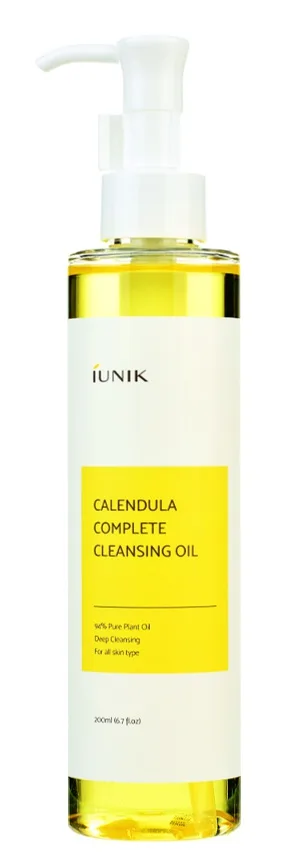
Most cleansing oils list calendula as a token marketing ingredient at trace levels. IUNIK commits to a meaningful 7% calendula concentration, making it one of the few mass-market cleansing oils where calendula is genuinely functional rather than decorative.
A short-ingredient-list calendula cleansing oil that commits to a meaningful 7% calendula concentration and delivers on the first-cleanse basics at an excellent price. Effectively removes sunscreen and makeup, feels gentle on most skin types, and emulsifies cleanly. The citrus essential oils are a puzzling inclusion in a product built around calming, and they knock the irritation risk score down.
The case for it
Cautions: a declarable fragrance allergen.
What would change this: Removing the trigger named above would let the actives be judged on their own.
Same rule for everyone. “Avoid” is the verdict on 1,909 of 45,024 concern verdicts across the catalog; rule F1 decided 605 of them. Unchanged since September 5, 2026, engine 5.1.1.
Brand or formulator? Disclose a concentration or correct a fact →
The case for it
Cautions: fragrance.
What would change this: The same active in a leave-on form would be judged on its evidence rather than its contact time.
Same rule for everyone. “Supporting role” is the verdict on 8,197 of 45,024 concern verdicts across the catalog; rule R6 decided 2,017 of them. Unchanged since September 5, 2026, engine 5.1.1.
Brand or formulator? Disclose a concentration or correct a fact →
The studies behind the evidence row
Also listed for Compromised Skin Barrier — the actives here (Caprylic/Capric Triglyceride, Calendula Extract, Shea Butter, Sunflower Oil) are in our research queue for that concern; there is no verdict until their evidence rows are written. That is a gap in our table, not a mark against the product.
As a cleanserNot judged: what a cleanser is for — surfactant mildness, pH match to skin, rinses clean without stripping — cannot yet be measured from the ingredient list (only puts something back can).
A verdict is DermApproved’s assessment of how well a product’s ingredients fit a concern — never a claim about what the product treats. Evidence dots and collected reviews sit beside it and are never blended in. Rules 0.5.1 · evidence table ev-2026.09-r228 · how we decide
Walk down the cleansing oil aisle at any K-beauty retailer and you will find dozens of products with hero ingredients printed proudly on the label — cica cleansing oil, calendula cleansing oil, green tea cleansing oil — most of which use those ingredients in fractional quantities that amount to decoration rather than function. The game is well known: put the hero on the front of the bottle, add a gesture-level amount to the formula, and let the customer do the rest of the work in her imagination. What makes IUNIK's Calendula Complete Cleansing Oil worth talking about is that it declines to play. The formula commits to 70,000 ppm of calendula — 7%, a genuinely meaningful concentration — and prints the number as a verifiable claim. Whether or not calendula is your thing, the honesty of that inclusion deserves acknowledgment.
The formulation is short, consistent with the brand's whole philosophy. The base is sunflower seed oil, an intelligent choice: high in linoleic acid, well tolerated even by acne-prone skin, and an effective solvent for makeup and sebum. It's paired with caprylic/capric triglyceride — a fractionated coconut derivative that does most of the heavy lifting against sunscreen — plus a couple of fatty esters that boost solvent power, and a sorbeth emulsifier that makes the rinse work. Shea butter adds emollient comfort so the cleanse doesn't finish with that tight, stripped feeling. The calendula then sits sixth on the INCI, which is a strikingly high position for a plant extract in an oil cleanser and the whole reason this product exists.
On the actual cleansing: it works. This is a lightweight oil, less occlusive than the richer Japanese and Korean cleansing balms, which some people prefer and others find insufficient for a heavy face of makeup. Massage it into dry skin — dry, not wet, which is the single most common mistake people make with oil cleansers — for thirty to sixty seconds, then add water gradually and it emulsifies into a milky white wash that rinses away clean. Sunscreen comes off. Waterproof mascara comes off with a little more patience. The linoleic-rich base leaves skin soft rather than squeaky, which is exactly what a first cleanse should do, and at roughly $20 for 200ml the price-to-performance is genuinely hard to argue with.
The calendula deserves its own paragraph. Calendula officinalis has a long history of traditional use for calming and wound healing, and modern work supports real anti-inflammatory activity via its triterpenoid and flavonoid content. At 7%, you can reasonably expect some soothing benefit during the wash itself — which matters more than it sounds, because cleansing is one of the most overlooked sources of daily skin irritation. The mechanical action of massage, the surfactants in a foaming second cleanse, the hot water: it adds up. A first step that actively calms rather than merely tolerating your skin is a real advantage for anyone reactive.
And then — here's the frustrating part — the formula adds bergamot, lime, orange, and grapefruit essential oils for scent. They produce a bright, pleasant citrus fragrance that plenty of users genuinely enjoy, and they also introduce limonene, linalool, and citral: documented fragrance allergens and contact-dermatitis triggers in a non-trivial slice of the population. It is a contradictory choice in a product built around a calming hero. The calendula is working to reduce irritation while the essential oils are quietly introducing it. The rinse-off format does blunt the risk compared with a leave-on product — and it largely neutralizes the phototoxicity question that citrus oils raise, since the oil doesn't stay on your face — but sensitization is cumulative, and repeated exposure is exactly how it happens. If you have ever reacted to fragranced skincare, this is not the calendula cleansing oil for you, no matter how good the hero dose is.
A couple of other honest caveats. The sunflower-and-shea base is not malassezia-safe, so anyone managing fungal acne should look elsewhere. The isopropyl and ethylhexyl palmitate are mildly comedogenic, which in a rinse-off product is a minor concern but not a zero one for very congestion-prone skin. And the frosted pump bottle, while convenient, does nothing to shield the oils from light — keep it out of a sunny bathroom window.
It's also worth dispatching the oldest myth in this category, which is that cleansing oils clog pores. Well-built ones, on a linoleic-rich base, don't; Korean dermatologists have recommended the double cleanse for years precisely because oil dissolves oil more gently than detergent does. What causes trouble is a poor emulsification and a lazy rinse, leaving a film behind. Add the water slowly, keep massaging until the oil turns properly milky, and follow with a gentle water-based cleanser. That two-step sequence is the entire method.
On value, twenty dollars for 200ml is exceptional. Most premium cleansing oils charge more for less, and a bottle here lasts four to six months of nightly use — a few dollars a month for a functional calendula dose and a well-chosen base. The short ingredient list is its own kind of value too: sixteen items, all legible, none of them mysterious.
The people this suits are easy to name: normal, dry, or combination skin after an effective, affordable first cleanse; K-beauty routine builders assembling a double cleanse; anyone who'd rather buy a real dose of an active than a picture of one. The people it doesn't: anyone with a history of reacting to fragrance or citrus oils, rosacea and eczema patients who need the gentlest possible option, and the malassezia crowd. Across roughly 1,700 reviews averaging 4.5 stars, that split is exactly what people report — they love the cleanse and the price, and the ones who don't, don't because of the smell.
The hero actives that drive this product's performance.
| Ingredient | Function | Evidence |
|---|---|---|
| Calendula Officinalis Flower Extract (70000 ppm (7%)) | Delivered at 70,000 ppm — a meaningful 7% concentration that sets this apart from cleansing oils that just list calendula as a token inclusion. Calendula has documented anti-inflammatory and wound-healing properties that help calm reactive skin during the cleansing step, which is often overlooked as a source of irritation. | Not yet assessed |
| Sunflower Seed Oil | The primary cleansing oil base — high in linoleic acid, which is barrier-supportive and well-tolerated even by acne-prone skin. Sunflower oil is one of the most tolerable plant oils for oil-cleansing because of its high linoleic-to-oleic ratio. | Not yet assessed |
| Caprylic/Capric Triglyceride | A fractionated coconut oil derivative that dissolves makeup and sebum efficiently without leaving a heavy residue. It's the workhorse oil that makes the formula effective at breaking down sunscreen and long-wear makeup. | Established mechanism for Dryness · established mechanism |
| Shea Butter | Adds emollient comfort during cleansing, helping prevent the tight, stripped feeling that cleansing oils can sometimes leave. Balances the emulsification process by providing a richer texture without clogging. | Established mechanism for Dryness · established mechanism |
Ingredient standings describe the active at treatment-level doses and vehicles; this product's own condition grades weigh its actual formula.
Helianthus Annuus (Sunflower) Seed Oil, Caprylic/Capric Triglyceride, Isopropyl Palmitate, Sorbeth-30 Tetraoleate, Ethylhexyl Palmitate, Calendula Officinalis Flower Extract (70,000 ppm), Butyrospermum Parkii (Shea) Butter, Hydrogenated Castor Oil, Tocopheryl Acetate, Citrus Aurantium Bergamia (Bergamot) Fruit Oil, Citrus Aurantifolia (Lime) Oil, Citrus Aurantium Dulcis (Orange) Oil, Citrus Grandis (Grapefruit) Peel Oil, Limonene, Linalool, Citral
cleanser
AM & PM
Apply to dry skin, massage for 30-60 seconds, add water to emulsify into a milky cleanser, then rinse thoroughly. Follow with a gentle water-based cleanser for full double-cleanse.
Immediate: thorough removal of makeup, sunscreen, and sebum without a stripped feeling. Skin feels softer and more balanced from first use.
The formulation's strongest element is the calendula concentration. Calendula officinalis has a documented anti-inflammatory and wound-healing evidence base, with published research supporting its role in reducing skin irritation and supporting barrier function. At 70,000 ppm (7%), the concentration is meaningful enough to deliver measurable soothing activity during the cleansing step, which distinguishes this product from the token-level calendula inclusions that dominate the category. The sunflower seed oil base is also supported by strong research on linoleic acid and skin barrier function: linoleic acid is a major component of healthy stratum corneum lipids, and topical application of linoleic-rich oils has been shown to support barrier repair and reduce transepidermal water loss. Caprylic/capric triglyceride, derived from coconut oil, is a well-characterized solvent for makeup and sebum and is widely used in cleansing oils for its efficiency and non-greasy feel. Shea butter provides additional emollient support and contains natural tocopherols that contribute mild antioxidant activity. The weak link in the evidence chain is the inclusion of citrus essential oils. Bergamot, lime, orange, and grapefruit oils are known sources of limonene, linalool, and citral — all documented fragrance allergens listed on the EU cosmetic allergen disclosure requirements. For rinse-off products, the risk is reduced compared to leave-on formulas, but sensitization can still occur with repeated exposure in susceptible individuals. The phototoxicity concern for bergapten-containing citrus oils is also mitigated by the rinse-off application but represents an avoidable formulation choice in a product marketed for gentleness.
Dermatologists generally view cleansing oils as a useful first step in the double-cleanse method, particularly for patients who wear sunscreen daily or heavy makeup. The linoleic-rich sunflower oil base is commonly recommended by dermatologists as gentle and barrier-supportive, and calendula extract at meaningful concentrations has a long history of use in dermatological formulations for calming and wound-healing support. Dermatologists in everyday practice frequently caution, however, that essential oils in skincare — particularly citrus oils — are a common trigger for contact dermatitis and should be avoided by patients with a history of reactive or sensitized skin. The irony of adding potentially irritating essential oils to a product built around a calming hero ingredient is a point dermatologists often flag, and for patients with rosacea, eczema, or known fragrance sensitivity, an unscented alternative would be a safer choice. For normal to dry skin types without fragrance concerns, this product is a reasonable value pick.
Apply 2-3 pumps to dry skin (not wet — oil cleansers work on dry skin). Massage gently over the face and eye area for 30-60 seconds to dissolve makeup, sunscreen, and sebum. Add a small amount of water to your fingertips and continue massaging — the oil will turn into a milky white emulsion. Add more water gradually and rinse thoroughly with lukewarm water. Follow with a gentle water-based cleanser for a complete double cleanse. Use primarily in the evening; morning cleansing with a simple water rinse or gentle cleanser is usually sufficient. Store away from direct sunlight to preserve oil stability.
At approximately $20 for 200ml, this cleansing oil is one of the best values in the K-beauty cleansing category. A bottle typically lasts four to six months with nightly use as the first cleanse, which puts the monthly cost at around $3-5 — exceptional for a product with a functional calendula concentration and a well-chosen base. The per-ounce cost is substantially lower than premium cleansing oils from brands like Tatcha or DHC, and the formula delivers comparable performance for most use cases. The value trade-off is the citrus essential oils: if you're looking for a truly gentle, unscented cleansing oil, you may need to spend more to get it. For most normal, dry, and combination skin types, the price-to-performance ratio here is excellent.
Normal, dry, or combination skin that wants an effective, affordable first cleanse with meaningful calendula content. K-beauty routine builders assembling a double-cleanse workflow. Budget-conscious shoppers who want transparent, short-ingredient-list formulations.
Sensitive skin with a history of fragrance or essential oil reactions. Rosacea or eczema sufferers who need the gentlest possible cleanse. Fungal acne sufferers who need a Malassezia-safe base. Anyone who prefers unscented skincare.
Ready to try IUNIK Calendula Complete Cleansing Oil?
Buy at Amazon ♥Light, lightweight oil that emulsifies into a milky white cleanser on contact with water.
Noticeable bright citrus fragrance from the essential oils — bergamot, lime, orange, and grapefruit.
Frosted plastic bottle with pump dispenser. Pump is convenient but doesn't prevent light exposure.
Applies as a thin oil that dissolves makeup effectively on dry skin. Emulsifies fully when water is added, rinsing cleanly without residue when followed by a proper water-based cleanser.
4-6 months with nightly use as the first cleanse.
All Year
Launched in 2018 as part of IUNIK's expansion beyond its original Black Snail franchise. The brand built its identity around short-ingredient-list formulations centered on a single hero extract, and the 70,000 ppm calendula concentration was designed as a signature claim to differentiate from similarly priced K-beauty oils.
IUNIK is a Korean skincare brand founded in 2017 with a focus on simple, short-ingredient-list formulations built around a single hero extract per product. The brand has developed a reputation in K-beauty circles for affordable, well-formulated basics that prioritize transparency.
Cleansing oils clog pores.
Well-formulated cleansing oils based on linoleic-rich oils like sunflower are generally non-comedogenic and are recommended by Korean dermatologists as part of the double-cleanse method. Emulsification and thorough rinsing are key.
Yes, effectively. The combination of sunflower seed oil and caprylic/capric triglyceride dissolves both mineral and chemical sunscreens as well as long-wear and waterproof makeup. Massage for 30-60 seconds before adding water to emulsify.
No. The formula contains sunflower seed oil and shea butter, which are not fungal acne safe. If you have Malassezia concerns, choose a cleansing oil built on squalane or MCT oil instead.
That's a fair critique. The citrus oils (bergamot, lime, orange, grapefruit) add a bright natural scent but introduce fragrance allergens (limonene, linalool, citral) that can be problematic for sensitive skin. If you react to essential oils, this isn't the safest option despite the high calendula content.
Yes, though most users use it as the first step of their PM routine to remove sunscreen and makeup. For a morning cleanse, a simple water rinse or a gentle water-based cleanser is often enough.
Apply the oil directly to dry skin (not wet) and massage for 30-60 seconds. Then wet your hands slightly and continue massaging — the oil will turn into a milky white emulsion. Rinse thoroughly with lukewarm water and follow with a water-based cleanser.
Recurring themes our editors read across retailer reviews of this product — summaries in our words, not quotations, and not a substitute for your own patch test.
Effective at removing sunscreen and makeup
Gentle, doesn't strip
Affordable for the size
Pleasant citrus scent
Good for sensitive skin in small amounts
Contains essential oils
Can sting reactive skin
Citrus scent is polarizing
Leaves slight residue if not emulsified properly
Verified answers from our questions library — the nuance a product page cannot carry.