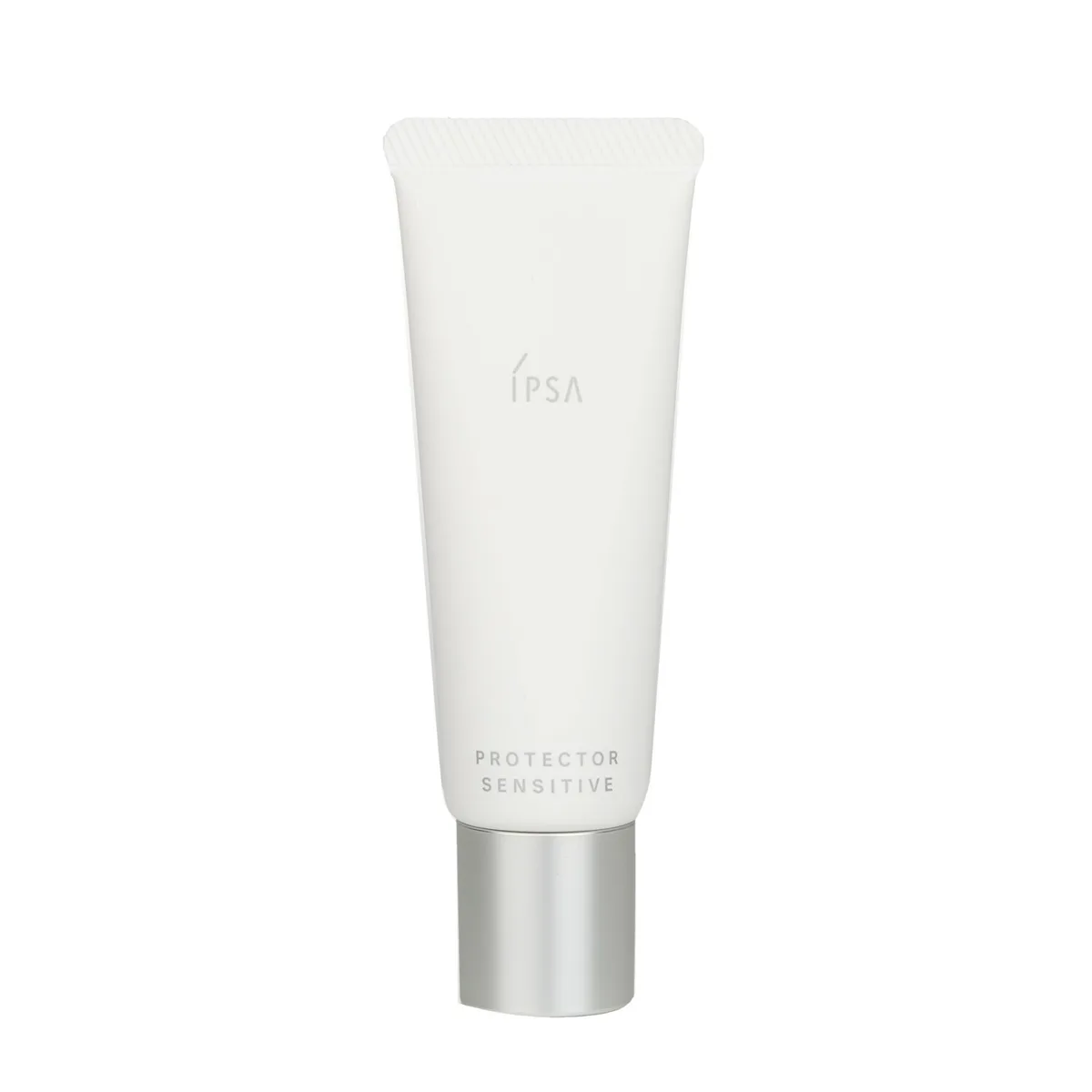
Most pure-mineral sunscreens make you choose between protection and comfort. This one keeps a high 12.53% zinc oxide for real broad-spectrum coverage but blends it into a hydrating, fragrance- and alcohol-free base with soothing licorice and mugwort and a vitamin C/E antioxidant, so it shields reactive skin without the tight, chalky penalty.
A genuinely thoughtful mineral sunscreen for the people who need one most: a high 12.53% zinc oxide blended into a hydrating, fragrance- and alcohol-free base with soothing licorice, mugwort, and a vitamin C/E antioxidant. It shields reactive, redness-prone skin without the chalky, drying penalty most physical sunscreens impose. The catches are a modest SPF30, a small 30g tube, and a department-store price.
This evaluation benefits from fully disclosed filter percentages and a robust photoprotection evidence base, but the cosmetic specifics — exact white-cast level across skin tones and real-world wear — rest on a few hundred importer and enthusiast reviews rather than large independent testing, since IPSA sells mainly through Japanese channels. Individual experience of cast and finish may therefore vary from the general picture described here.
Verdicts
How well it fits each concern
Verdict by concern tap a concern for the case
Good choicefor SensitivityIn your profileYou chose · No fragrance, drying alcohol, declarable allergens or sensitising preservatives in this cream — the profile sensitive skin looks for.Not yet assessedGentleNo reviews collected yet
The case for it
Zinc Oxide has no evidence row yet for this concern — it is in the research queue.
The formula carries none of the triggers this concern is sensitive to.
What would change this: A researched evidence row for the lead active would replace this with a verdict.
Same rule for everyone. “Good choice” is the verdict on 1,938 of 45,024 concern verdicts across the catalog; rule F2 decided 1,938 of them.
Unchanged since September 5, 2026, engine 5.1.1.
Supporting rolefor RosaceaIn your profileYou chose · Licorice Root Extract has early evidence for rosacea, and photoprotection against a known trigger is the recognised companion to treating it — a reasonable supporting choice, short of a recommendation.Moderate evidenceGentleNo reviews collected yet
The case for it
Dipotassium Glycyrrhizate + Artemisia Princeps Extract has early or mechanistic evidence for this concern, not trial-backed standing.
It is plausibly present at a working level, though the concentration is not declared.
The formula carries none of the triggers this concern is sensitive to.
What would change this: A declared concentration would move this to a firmer reading of the dose.
Same rule for everyone. “Supporting role” is the verdict on 8,197 of 45,024 concern verdicts across the catalog; rule R8a decided 1,489 of them.
Unchanged since September 5, 2026, engine 5.1.1.
R8a — A plausible-tier active in a category with a supportive job: the sentence names the active instead of saying nothing targets the concern (the AmLactin / CeraVe SA case for keratosis pilaris, where no guideline and single trials leave the keratolytics at early evidence). · the full register
Carrying active
Dipotassium Glycyrrhizate + Artemisia Princeps Extract
Standing
plausible — trials support it
Form
plausible
Tolerability
gentle
Row checked
against its sources on July 17, 2026 (evidence table ev-2026.09-r228)
Full protectionfor Sun DamageIn your profileYou chose · Broad-spectrum SPF 30 with zinc oxide, titanium dioxide: the protection sun damage calls for.Moderate evidenceGentleNo reviews collected yet
The case for it
Zinc Oxide is a first-line active — approved, monograph-listed or named in current guidelines — for this concern.
It is present at an effective concentration, declared or high in the ingredient list.
The formula carries none of the triggers this concern is sensitive to.
Same rule for everyone. “Full protection” is the verdict on 2,288 of 45,024 concern verdicts across the catalog; rule P1 decided 2,232 of them.
Unchanged since September 5, 2026, engine 5.1.1.
P1 — Photoprotection standing is regulatory (M020 / Annex VI filters; 21 CFR 201.327 attaches the early-skin-aging claim to tested broad-spectrum SPF 15+). SPF 30 is the AAD daily-use bar. · the full register
Full protectionfor Post-ProcedureIn your profileYou chose · Broad-spectrum SPF 30 with zinc oxide, titanium dioxide: the protection post procedure calls for.Not yet assessedGentleNo reviews collected yet
The case for it
Zinc Oxide has no evidence row yet for this concern — it is in the research queue.
The formula carries none of the triggers this concern is sensitive to.
What would change this: A researched evidence row for the lead active would replace this with a verdict.
Same rule for everyone. “Full protection” is the verdict on 2,288 of 45,024 concern verdicts across the catalog; rule P1 decided 2,232 of them.
Unchanged since September 5, 2026, engine 5.1.1.
P1 — Photoprotection standing is regulatory (M020 / Annex VI filters; 21 CFR 201.327 attaches the early-skin-aging claim to tested broad-spectrum SPF 15+). SPF 30 is the AAD daily-use bar. · the full register
Also listed for Compromised Skin Barrier — the actives here (Zinc Oxide, Glycerin, Licorice Root Extract, Vitamin C) are in our research queue for that concern; there is no verdict until their evidence rows are written. That is a gap in our table, not a mark against the product.
Does the jobDoes what a sunscreen is for: UVA coverage, kind to the skin wearing it. Not measured from the label: pleasant enough to actually use.
A verdict is DermApproved’s assessment of how well a product’s ingredients fit a concern — never a claim about what the product treats. Evidence dots and collected reviews sit beside it and are never blended in.
Rules 0.5.1 · evidence table ev-2026.09-r228 · how we decide
Assessment
Pros & Cons
Pros
✓ High 12.53% zinc oxide for real broad-spectrum protection
✓ Fully mineral with no chemical filters to sting reactive skin
✓ Fragrance-free and alcohol-free throughout
✓ Hydrating base with glycerin and hyaluronic acid
✓ Soothing licorice and mugwort plus a vitamin C/E antioxidant
✓ Spreads like a moisturizer, not a chalky paste
Cons
✗ Only SPF30 where some will want SPF50 protection
✗ Small 30g tube empties in a month or so of proper use
✗ Premium import price per gram of product
✗ Can leave a slight cast on deeper skin tones
✗ Slightly rich finish for very oily skin
Review
Full Review
There is a specific frustration that comes with sensitive skin and sunscreen. Chemical filters can sting and flush; many mineral ones leave you chalky, tight, and grey. People with rosacea, a compromised barrier, or skin freshly out of a procedure often end up rationing sun protection they can barely tolerate, which is the worst possible outcome for exactly the skin that most needs shielding. IPSA's Protector Sensitive SPF30 was built for that person, and it reflects the fact that IPSA's whole model is diagnosing what a particular face actually needs. This is the sunscreen the counter hands to a reading that comes back fragile.
The filter choice tells the story. This is a fully mineral sunscreen — zinc oxide at a substantial 12.53%, backed by titanium dioxide, delivering broad-spectrum SPF30 with PA+++ rating and not a single chemical absorber in sight. That matters because organic UV filters are a common trigger for stinging and reactive flares, and removing them entirely takes the most likely irritant off the table. A 12.53% zinc level is no token amount either; this is real, meaningful broad-spectrum coverage, not a sheer veil pretending to be sun protection.
What keeps it from being just another stiff zinc paste is the base IPSA built around the filters. Glycerin and sodium hyaluronate are worked into the formula to hold water in the skin, directly countering the dryness that both UV exposure and mineral filters tend to cause. The result is a sunscreen that goes on more like a light moisturizer than a mineral block — cushiony, spreadable, and comfortable, settling to a soft finish rather than a tight, powdery one. For anyone who has given up on mineral sunscreen because every version felt like drywall, that texture is a small revelation. It also behaves under makeup, gripping a thin layer of foundation rather than pilling it off, which is more than many high-zinc formulas can claim and matters for anyone wearing this as an everyday base step rather than a beach-day coat.
Then there are the extras, and they are the kind of additions that separate a considered formula from a basic one. Dipotassium glycyrrhizate, derived from licorice, and Japanese mugwort extract bring anti-inflammatory, calming action aimed straight at reactive skin. Potassium ascorbyl tocopheryl phosphate, a stable vitamin C and E hybrid, adds antioxidant defense beneath the physical shield, helping neutralize the free radicals UV generates even when some rays inevitably get through. None of these are headline actives, but together they show real intent: this is a sunscreen designed to soothe and support sensitive skin, not merely to sit on top of it.
The main drawbacks are mostly about practicality rather than formulation. The first is the SPF number: this is SPF30, not 50. Thirty is perfectly adequate for everyday incidental exposure — it blocks around 97% of UVB and the PA+++ rating signals solid UVA defense — but for long hours in direct sun, a higher SPF applied generously is the safer choice, and some shoppers paying this much will wish for a bigger number. The second is the tube: at 30 grams, it is small. Sunscreen only works at a proper protective dose, and used correctly on the face this tube empties in roughly a month to six weeks, which makes the cost of staying protected add up quickly.
And it is a premium cost. At around forty-two dollars for 30 grams, this is an expensive sunscreen by volume, carrying IPSA's department-store-and-import markup. Here, though, the price is easier to defend than on the brand's cleansers, because the formula genuinely earns part of it — the high zinc level, the antioxidant complex, the soothing botanicals, and the hydrating, fragrance-free base are real points of quality, not just packaging. You are still paying a brand premium, but you are also getting a legitimately well-considered sensitive-skin sunscreen, and for skin that reacts to almost everything else, that can be worth a lot. When the alternative is rationing a sunscreen you can barely stand, or skipping protection entirely on a bad-skin day, a formula you will actually reach for every single morning quietly pays for itself in the photodamage you no longer accumulate.
As a fully mineral formula it can leave a faint cast, most noticeable on deeper skin tones, and oily skin may find the comfortable, slightly emollient finish a touch rich — this leans toward dry, normal, and sensitive rather than oily complexions. But those are minor notes against what is, overall, one of the more genuinely recommendable products in IPSA's range. If your skin is sensitive, dry, reactive, or recovering, and you have struggled to find a sunscreen you can actually wear every day, this is well worth trying. If you need maximum SPF for serious sun, or you want the most ounces per dollar, look elsewhere — but for gentle, daily, barrier-friendly protection, it delivers.
Formula
Key Ingredients
The hero actives that drive this product's performance.
A fully mineral UV filter system — a high 12.53% zinc oxide backed by titanium dioxide — provides the broad-spectrum SPF30 PA+++ protection without any chemical absorbers, which is precisely what makes this tolerable for reactive, redness-prone skin that stings under organic filters.
Regulator-approvedfor Sun Damage · limited certainty
A humectant pair built into the base to counter the dryness UV exposure and mineral filters can cause; they keep this sunscreen comfortable on the dehydrated, compromised stratum corneum IPSA designed it for, so it hydrates while it shields.
Licorice-derived dipotassium glycyrrhizate and Japanese mugwort are anti-inflammatory additions aimed squarely at calming sensitive skin, reinforcing the gentle, redness-reducing intent that the mineral-only filter choice begins.
A stable vitamin C and E hybrid derivative that adds antioxidant support beneath the physical block, helping mop up the free radicals UV generates — a thoughtful extra that pushes this past a bare-minimum sunscreen.
Limitedfor Sun Damage
Ingredient standings describe the active at treatment-level doses and
vehicles; this product's own condition grades weigh its actual formula.
Apply as the final morning skincare step, after moisturizer and before makeup; allow a minute to set, and reapply through the day for continued protection.
Results Timeline
Protection is immediate on application for a mineral filter; the antioxidant and soothing benefits are supportive and cumulative, while daily use guards against photoaging over months and years.
Protection here comes entirely from inorganic filters: zinc oxide at a declared 12.53% plus titanium dioxide, a combination that scatters and absorbs across UVB and UVA and underpins the SPF30 PA+++ rating. Zinc oxide is the broadest single mineral filter, with meaningful long-UVA coverage, and at this concentration it provides substantive rather than token protection — important because real-world SPF depends heavily on applying enough, an area where comfortable textures like this one help compliance. The formulation's distinguishing science is in damage mitigation beyond the filter: potassium ascorbyl tocopheryl phosphate is a stabilized ascorbic-acid/tocopherol hybrid, and topical antioxidant pairing of vitamins C and E has published support for reducing UV-induced free-radical damage that sunscreen alone does not fully prevent. Dipotassium glycyrrhizate, a glycyrrhizic-acid salt from licorice, has documented anti-inflammatory activity relevant to calming reactive skin, while glycerin and sodium hyaluronate address the barrier-water-loss component of photodamaged or sensitive skin. The mugwort and loquat leaf extracts have a thinner, largely traditional-use and antioxidant evidence base. The fragrance-free, alcohol-free, chemical-filter-free design is itself the most evidence-aligned choice for the sensitive and barrier-compromised skin this targets.
Dermatologist Perspective
Mineral sunscreens of this type are routinely favored in clinical guidance for sensitive, rosacea-prone, and post-procedure skin, where zinc oxide and titanium dioxide are preferred over chemical filters that more often provoke stinging or contact reactions. The fragrance-free, alcohol-free construction aligns with standard recommendations for reactive patients, and the inclusion of an antioxidant complex reflects the well-supported clinical principle that sunscreen plus topical antioxidants offers more complete photoprotection than sunscreen alone. Mineral filters are also the commonly preferred option during pregnancy. The practical clinical caveats are dose and SPF: dermatology guidance stresses that adequate quantity and reapplication matter more than a high SPF number, so the comfortable texture that encourages generous use is an asset, while SPF30 remains appropriate for everyday exposure with reapplication.
Guidance
Usage & Recommendations
How to Use
In the morning, after your moisturizer has settled, apply an even, generous layer as the final skincare step — about a quarter-teaspoon for the face and more if you include the neck. Let it set for a minute before applying makeup. Because protection depends on quantity, do not skimp; a thin smear will not deliver the labeled SPF. Reapply every two hours of meaningful sun exposure, and after sweating or swimming. As a fully mineral formula it works immediately on application, so there is no waiting period before sun exposure.
Value Assessment
At roughly forty-two dollars for 30 grams, this is a pricey sunscreen by volume, and the small tube means the real cost of daily protection adds up faster than the sticker suggests. Unlike IPSA's cleansers, though, the formula does substantively justify part of the premium: a high 12.53% zinc level, a vitamin C/E antioxidant, soothing botanicals, and a hydrating fragrance-free base are genuine quality points rather than packaging. There is no larger size to improve the per-gram economy, which is the main value weakness for a product you should use generously. For sensitive or reactive skin that has struggled to tolerate other sunscreens, the comfort and gentleness can be worth the spend; for everyone else, more affordable mineral sunscreens deliver comparable protection at a lower cost per ounce.
Who Should Buy
This is a strong choice for sensitive, dry, rosacea-prone, or post-procedure skin that reacts to chemical filters or dries out under typical mineral sunscreens. Anyone wanting fragrance- and alcohol-free daily protection in a comfortable, hydrating texture — and willing to pay a premium for genuine gentleness — will appreciate it.
Who Should Skip
Those needing maximum SPF50 protection for prolonged direct sun, very oily skin that finds emollient mineral finishes too rich, and budget-focused shoppers who want the most protection per dollar will all do better with another formula. Deeper skin tones bothered by any mineral cast may also prefer a tinted or hybrid sunscreen.
A cushiony, moisturizer-like cream that spreads more easily than most high-zinc sunscreens and settles to a soft, non-greasy finish.
Scent
Genuinely scentless — no added fragrance and no strong mineral or sunscreen smell.
Packaging
A compact 30g squeeze tube, travel-friendly but small relative to how much sunscreen a full face actually needs.
Finish
naturalnon-greasy
What to Expect on First Use
On first use it goes on like a light moisturizer, blends in with a brief whitening that softens as it sets, and stays comfortable rather than tight — a noticeable contrast to chalkier mineral sunscreens.
How Long It Lasts
Roughly 4-6 weeks of daily face use at a proper protective amount; faster if you apply and reapply generously.
IPSA built this for counter customers whose skin diagnosis flagged a vulnerable, easily-irritated barrier — a sunscreen aimed at the people most likely to be let down by stinging chemical filters or drying mineral ones, leaning on Shiseido's photoprotection research to thread that needle.
About IPSA Legacy Brand (20+ years)
IPSA, founded in 1986 under Shiseido, draws on the parent company's globally respected photoprotection research. This sensitive-skin sunscreen reflects that pedigree with a fully mineral, fragrance- and alcohol-free formula, though independent English-language testing of the specific SKU is limited by the brand's mostly-Japanese distribution.
Brand founded: 1986
Myth vs. Reality
Common Myths
Myth
Mineral sunscreens are always thick, chalky, and drying.
Reality
This formula shows otherwise: a high zinc level is carried in a silicone-and-humectant base with hyaluronic acid and glycerin, so it spreads like a moisturizer and finishes soft rather than parched, despite being 100% physical filters.
FAQ
Frequently Asked Questions
Is IPSA Protector Sensitive SPF30 a mineral or chemical sunscreen?
It is 100% mineral, using 12.53% zinc oxide plus titanium dioxide for broad-spectrum SPF30 PA+++ protection. There are no chemical UV absorbers, which is the main reason it suits reactive skin that stings under organic filters.
Will IPSA Protector Sensitive SPF30 leave a white cast?
It blends in more easily than most high-zinc sunscreens thanks to its silicone base, but as a fully mineral formula it can leave a slight cast, most noticeable on deeper skin tones. Applying a thin, even layer and letting it set minimizes it.
Is this sunscreen good for rosacea or redness-prone skin?
Yes — it is fragrance-free, alcohol-free, and built on mineral filters with soothing licorice and mugwort extracts, which together make it one of the gentler options for rosacea, post-procedure, or easily-flushed skin. Patch testing is still wise.
Is IPSA Protector Sensitive SPF30 safe to use during pregnancy?
Mineral sunscreens using zinc oxide and titanium dioxide are generally considered the preferred choice during pregnancy, and this fragrance-free formula fits that profile. As always, check with your doctor about your specific routine.
Is SPF30 enough, or should I look for SPF50?
SPF30 blocks roughly 97% of UVB and, with PA+++, offers solid UVA protection, which is adequate for everyday use when applied generously and reapplied. For long, direct sun exposure, a higher-SPF option applied liberally is the safer bet.
Reviews
What Reviewers Tend to Say
Recurring themes our editors read across retailer reviews of this product — summaries in our words, not quotations, and not a substitute for your own patch test.
Common Praise
Genuinely gentle on reactive and redness-prone skin
Fragrance- and alcohol-free mineral protection
Hydrating rather than drying for a mineral SPF
Common Complaints
Only SPF30 for a premium price
Small 30g tube empties quickly with proper use
Mineral filters can leave a slight cast on deeper tones
IPL is a filtered flashlamp, a true vascular laser is one wavelength aimed at haemoglobin, and the choice between them turns on a distinction almost no consult makes: whether your redness is vessels or a state.
The smallest AHA gets deepest and shows results soonest — which is precisely why routines built around it overshoot, and why the people who do best with it use it least.
Flushing, bumps, and visible vessels are three different problems hiding under one word, and treating them the same way is how most people make their skin angrier.
Products, answers, therapy guides, tools and articles in one search. Brand names,
slang and abbreviations all work — accutane finds isotretinoin, bacne finds truncal acne.