The Machine Most Clinics Use for Redness Is Not a Laser
IPL is a filtered flashlamp, a true vascular laser is one wavelength aimed at haemoglobin, and the choice between them turns on a distinction almost no consult makes: whether your redness is vessels or a state.
Read the preview
From the DermApproved blog, in Lasers & Energy Devices: the machine most clinics use for redness is not a laser at all. It's a filtered flashlamp — and that difference decides what it can actually destroy. Because broken capillaries and rosacea flushing are not the same problem. One is a structure you can hit. The other isn't. For the full breakdown, visit dermapproved.com/blog.
A flashlamp with filters is not a laser
Walk into most clinics asking about "laser for redness" and the machine wheeled out is an intense pulsed light system. IPL is not a laser, and the distinction is not pedantry — it determines what the device can and cannot do to a blood vessel.
A laser emits light at essentially one wavelength, coherent and collimated. IPL is a xenon flashlamp emitting a broad polychromatic band across much of the visible and near-infrared spectrum, with cut-off filters used to block the shorter wavelengths and leave a window the operator considers appropriate for the target.
Why that matters comes from the paper the whole field rests on. In 1983, Anderson and Parrish described selective photothermolysis in Science: you can destroy a specific structure in skin, leaving its neighbours intact, if three conditions hold together. The target must contain a chromophore that absorbs your wavelength substantially more than the surrounding tissue does. The pulse must be shorter than the target's thermal relaxation time — the interval over which it sheds half its peak heat — so the energy stays where it landed instead of conducting outward. And the fluence must be high enough to actually destroy the target within that window.
A single-wavelength laser lets you satisfy all three conditions exactly, because you can choose a wavelength sitting on an absorption peak of the chromophore you want and nothing else. A broad band cannot. It satisfies them approximately, for several chromophores at once, which is precisely the trade IPL makes: versatility purchased with precision.
That trade is not automatically a bad deal. It is simply a deal, and nobody explains it at the front desk.
Three devices, three different jobs
Pulsed dye laser is the reference vascular device, emitting in the yellow range close to an oxyhaemoglobin absorption band, at pulse durations chosen against the thermal relaxation time of small vessels. It can be run purpuric — enough energy to rupture the vessel, which bruises the treated area visibly for a week or more and is the most decisive setting — or non-purpuric, gentler, with less dramatic per-session change and no bruise. It feels like a rubber band snapped against the skin, repeatedly.
Potassium titanyl phosphate lasers emit green light at a wavelength sitting on a stronger haemoglobin absorption peak still, which makes them excellent at closing individual visible vessels with a precision that feels almost surgical — an operator traces the vessel and it disappears. The cost of that shorter wavelength is that melanin also absorbs it strongly, and it penetrates less deeply, so KTP is best on fair, untanned skin and on vessels close to the surface.
IPL delivers its filtered band across a large rectangular spot, hitting haemoglobin and melanin simultaneously. That is the versatility argument in one sentence: a single session addresses vascular redness and sun-induced brown mottling together, which is why it dominates the photo-rejuvenation market. Sensations run from a hot snap to a distinctly unpleasant sting, and treated vessels often darken before clearing. Many people notice the smell of singed vellus hair, which is the broad band doing exactly what it does — heating every pigmented thing in range.
The practical translation is short. A face with a handful of discrete, traceable broken capillaries is a job for a vascular laser. A face with generalised background redness plus brown sun mottling is a job IPL does in fewer visits than treating each problem separately.
Vessels and redness are not the same problem
This is the distinction that decides whether someone is happy with their results, and it almost never gets made out loud.
A telangiectasia is a structure. It is a dilated vessel sitting in the dermis, it has a location, and a device with the right wavelength and pulse can coagulate it permanently. Treating those is close to a solved problem — clearance rates are high, results are visible immediately, and satisfaction is correspondingly good.
Diffuse erythema is not a structure. It is a state: a combination of chronically dilated superficial vasculature, neurovascular hyper-reactivity, and inflammatory signalling that keeps producing flushing in response to heat, alcohol, exercise, stress and temperature swings. There is no single vessel to close, because the redness is the aggregate behaviour of a network that keeps being told to dilate. Devices genuinely reduce it — by removing enough of the dilated vasculature that the baseline shifts — but they are treating an output rather than the process generating it.
Which is why the comparative literature reads the way it does. A randomised split-face trial of facial telangiectasia found the IPL handpiece tested delivered safety and efficacy equivalent to pulsed dye laser. A separate randomised split-face study of non-purpuragenic PDL versus IPL in erythematotelangiectatic rosacea found both produced significant reductions in erythema, telangiectasia and patient-reported symptoms against an untreated control. Another split-face comparison found erythema index changes of similar magnitude between short-pulsed IPL and PDL. A systematic review and meta-analysis in 2022 took up the same question.
The honest summary of that body of work is deflating for anyone hoping to be told which machine to book: for facial erythema of rosacea, the two approaches perform broadly comparably, and the variables that actually differentiate outcomes are the operator's skill, the settings chosen, and whether the indication suits the device. A skilled operator on an older IPL will beat an inexperienced one on the newest vascular laser, every time.
The part where it comes back
Rosacea is a chronic condition, and no energy device changes that. The vessels treated are gone; the process that produced them is not.
A realistic course is a series — commonly three or more sessions spaced several weeks apart — followed by clearance that looks excellent, followed by gradual return over months to years, followed by maintenance sessions at whatever interval keeps you where you want to be. That is not a treatment failure and it is not the clinic underperforming. It is what treating a chronic vasodilatory condition with a device that removes vessels necessarily looks like.
Two things follow. First, budget for the maintenance, not just the series — a course priced as a one-off purchase is being mis-sold, and the lifetime figure is the one that should inform the decision. Second, anyone using the word cure about rosacea has told you something important about themselves.
It is also worth tracking what actually changes. Redness is notoriously hard to assess from memory, mood and lighting all interfere, and people routinely conclude a treatment did nothing when the comparison photograph says otherwise — or the reverse. Our flare diary is built for logging triggers and severity over time, which turns "I think it's coming back" into something you can actually check. The rosacea therapy pathway sets out where devices sit relative to everything else in the escalation.
Who should not be in the chair
Broadband light has a specific failure mode, and it follows directly from the physics above: melanin absorbs across the same band that reaches haemoglobin, and it cannot be asked to step aside.
Recent tanning is the clearest exclusion. Epidermal melanin loaded by sun exposure competes for the photons intended for vessels, absorbs energy at the surface, and produces burns, blistering and post-inflammatory pigmentation. A reputable clinic will refuse to treat a tanned face and will ask about sun exposure over the preceding weeks; a clinic that does not ask is telling you something. Our answer on timing around peels and lasers covers the intervals involved.
Melasma-prone skin is the subtler and more consequential caution. Melasma responds to heat, not only to light, and treatments that raise dermal temperature can provoke it even when the light itself is well chosen. IPL for melasma frequently produces initial lightening followed by rebound worse than baseline, which is a genuinely miserable outcome for a cosmetic procedure. Our answer on whether laser is the answer for melasma deals with this directly, and it deserves reading before any consult where the words photo-rejuvenation appear.
Deeper Fitzpatrick skin types face the same competition permanently rather than seasonally. This does not make treatment impossible, but it moves the sensible choice away from broadband IPL toward longer-wavelength, more selective devices and conservative settings, and it makes the operator's experience with your specific skin tone the decisive question rather than a polite one.
A test patch is not an optional courtesy here. It is the only way to see how your skin responds before committing a face, and the answer to "do you do test patches?" tells you most of what you need to know about a clinic. Our derm visit prep tool covers what to ask and what to bring.
Devices treat the vessel; topicals treat the disease
The most common structural error people make is treating a device course as a replacement for medical management. It is an addition to it, and the two work on different parts of the problem.
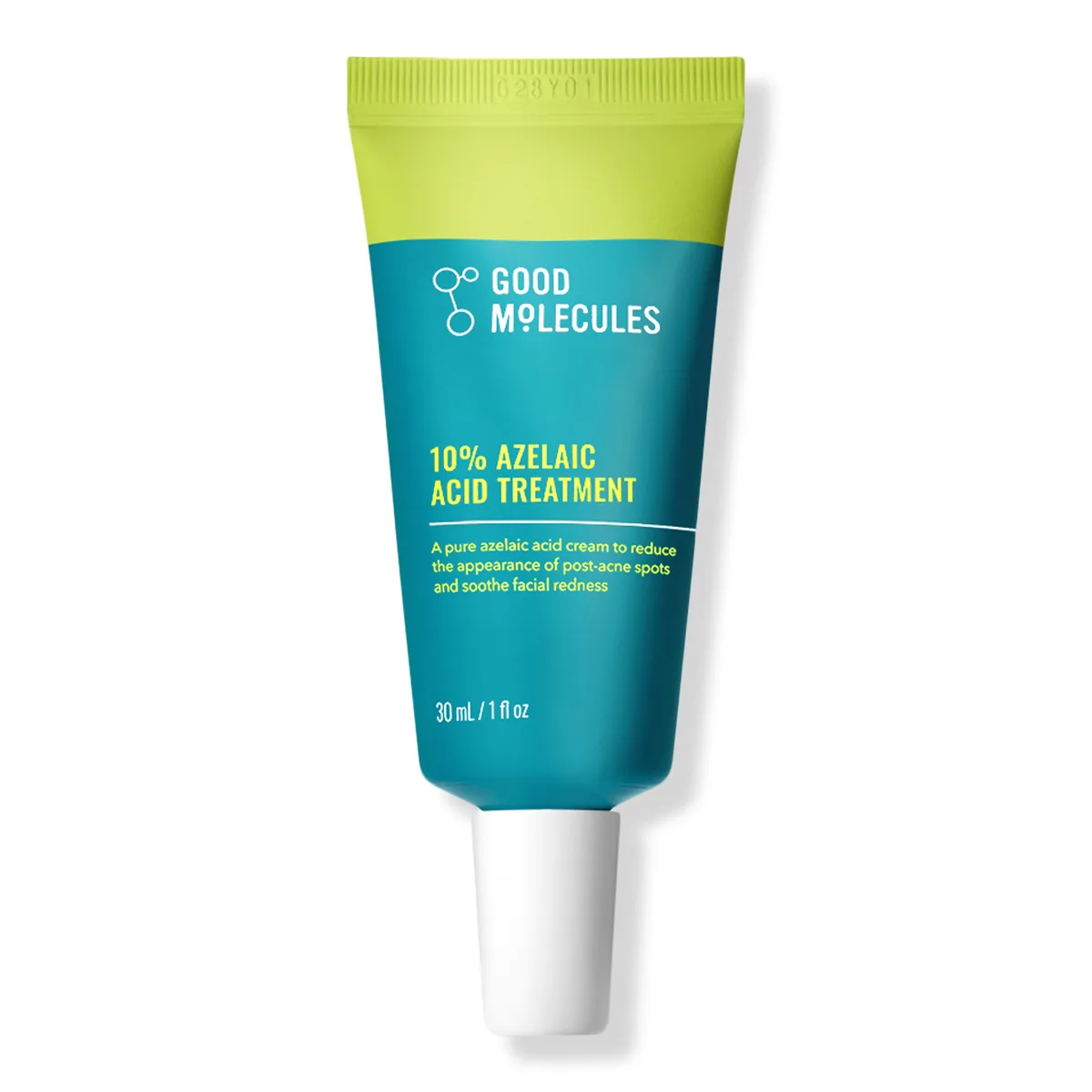
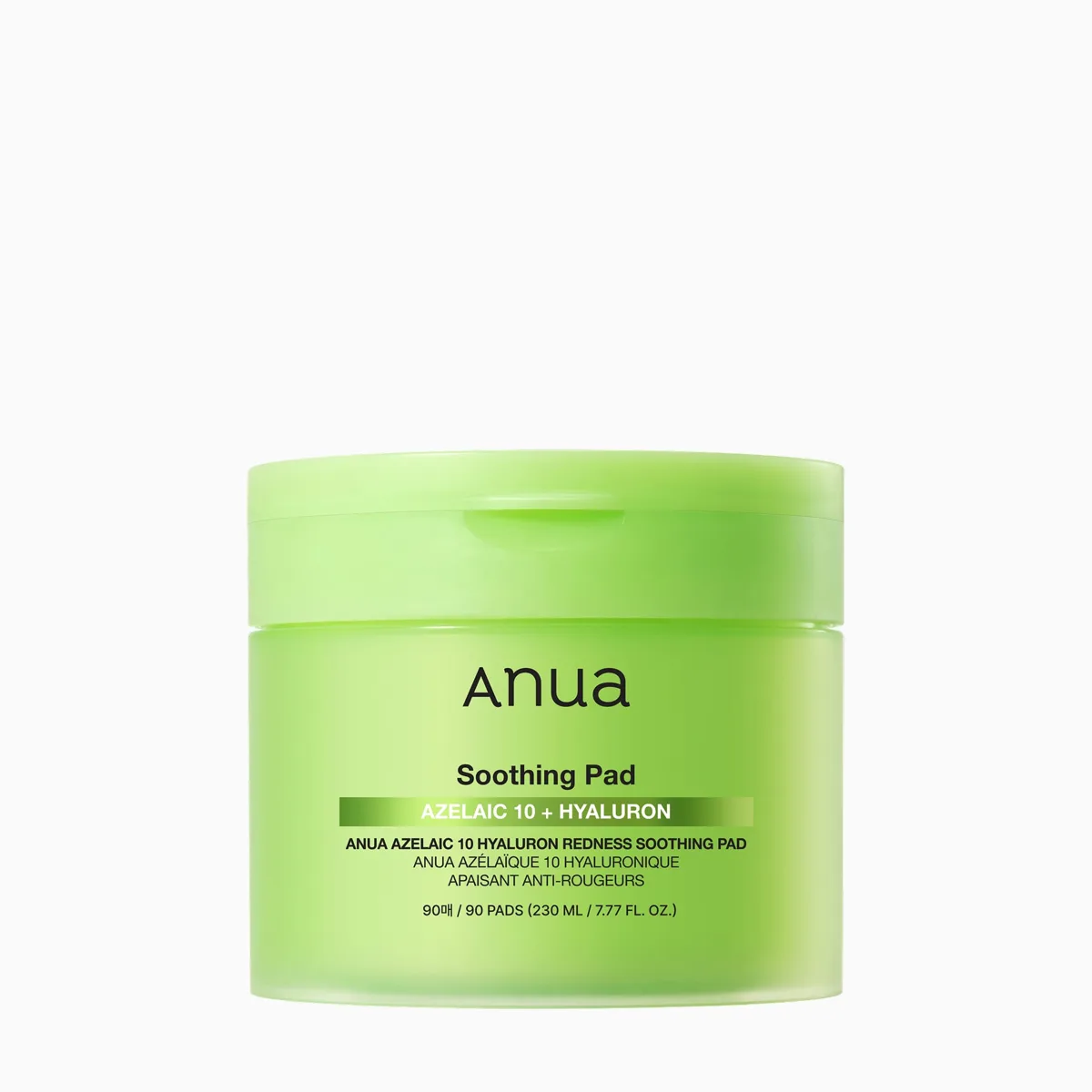
Energy devices remove visible vasculature. They do nothing about the inflammatory and neurovascular processes underneath, which is why results erode. Topical therapy addresses that layer: azelaic acid has long-standing guideline support in papulopustular rosacea and is one of the few actives that is anti-inflammatory without being a vasoconstrictor, making it a sensible year-round base. The Ordinary's Azelaic Acid Suspension and Good Molecules' Azelaic Acid Treatment are the accessible cosmetic-strength versions; Anua's Azelaic Hyaluron Redness Soothing Pad puts the same active in a lower-friction format for people who find the suspension texture difficult. Prescription-strength azelaic acid, along with ivermectin and metronidazole for the papulopustular component, sits with a clinician.
The vasoconstrictors — brimonidine and oxymetazoline — belong in a separate mental category. They constrict vessels for a number of hours and then wear off, and a minority of users experience rebound erythema worse than baseline. They are an event product, not a treatment, and they do not change what a device is treating.
Around all of it sits the unglamorous maintenance layer that decides how well a device course holds. Sun exposure drives both the vascular and the pigmentary components, and a mineral filter such as Avène Mineral Sunscreen Face & Body Lotion is the sensible choice on reactive skin, since chemical filters that warm slightly on absorption are the wrong companion for a flushing face. A barrier-repair cream like COSRX Skin Barrier Moisturizing Cream or a calming formulation such as Darphin's Intral Redness Relief Recovery Cream handles the post-treatment week, when skin is genuinely compromised and the temptation to resume actives early is strongest.
The opinion, since the consult you are unlikely to be given owes you one: for a handful of visible broken capillaries, a vascular laser in experienced hands is among the most satisfying procedures in dermatology, and worth doing. For diffuse rosacea redness, a device is a legitimate part of a plan and a poor substitute for one — expect meaningful improvement, expect it to need maintaining, and do not let a package price convince you that you are buying an ending.
Products mentioned
Independently reviewed and scored — the real products behind this piece.



- Therapy guide Rosacea Where devices sit relative to the rest of the escalation.
- Question Isn't laser the quickest way to clear it? Essential reading before any consult where photo-rejuvenation is offered to melasma-prone skin.
- Question How long after a procedure before I see the result? The timing intervals around light-based treatment and sun exposure.
References
- Selective photothermolysis: precise microsurgery by selective absorption of pulsed radiation — Science, 1983
- Split-face randomized treatment of facial telangiectasia comparing pulsed dye laser and an intense pulsed light handpiece — Lasers in Surgery and Medicine, 2012
- Comparative efficacy of nonpurpuragenic pulsed dye laser and intense pulsed light for erythematotelangiectatic rosacea — Dermatologic Surgery, 2009
- Comparative efficacy of short-pulsed intense pulsed light and pulsed dye laser to treat rosacea — Journal of Cosmetic Dermatology, 2019
- Pulsed dye laser versus intense pulsed light for facial erythema of rosacea: a systematic review and meta-analysis — Journal of Dermatological Treatment, 2022
- The role of lasers and intense pulsed light technology in dermatology — Clinical, Cosmetic and Investigational Dermatology, 2016
Every cited link is verified to resolve to the paper named. Where a source could not be independently confirmed, it is listed without a link rather than pointing you somewhere wrong.
Frequently asked
Is IPL a laser?
No. A laser emits a single coherent wavelength; IPL is a xenon flashlamp emitting a broad band that filters block portions of. That difference is why IPL treats several targets at once with less precision on any one of them, which is a genuine trade rather than a defect.
Which is better for rosacea, IPL or pulsed dye laser?
Head-to-head trials find them broadly comparable for facial erythema, so the honest answer is that the operator and the indication matter more than the machine. Many discrete visible vessels favour a vascular laser; redness combined with brown sun mottling favours IPL, which treats both in one pass.
Will laser treatment cure my rosacea?
No. Devices remove existing dilated vessels, but the inflammatory and neurovascular process that produced them continues, so redness gradually returns. Expect an initial series, excellent clearance, and then maintenance sessions — and treat anyone using the word cure with suspicion.
Can I have IPL if I have a tan?
You should not. Epidermal melanin competes for the same photons intended for blood vessels, absorbing energy at the surface and producing burns, blistering and post-inflammatory pigmentation. A clinic that does not ask about recent sun exposure before treating is not one to trust with your face.
Is IPL safe if I have melasma?
It is one of the higher-risk choices. Melasma responds to heat as well as light, and IPL commonly produces initial lightening followed by rebound worse than the starting point. Discuss it specifically before any photo-rejuvenation package is proposed to you.
Do I still need topical treatment after laser?
Yes, and the two do different jobs. The device removes visible vasculature; topicals such as azelaic acid address the inflammatory process underneath, which is what determines how quickly the vessels come back. Treating a device course as a replacement for medical management is the most common expensive mistake here.