This is less a modern treatment than a survivor: a 1980s formula that has barely changed and is still sold because a loyal base swears by its squalane-and-olive-oil richness. Its appeal is heritage comfort and emollient density, not the trend-driven active list of a contemporary cream.
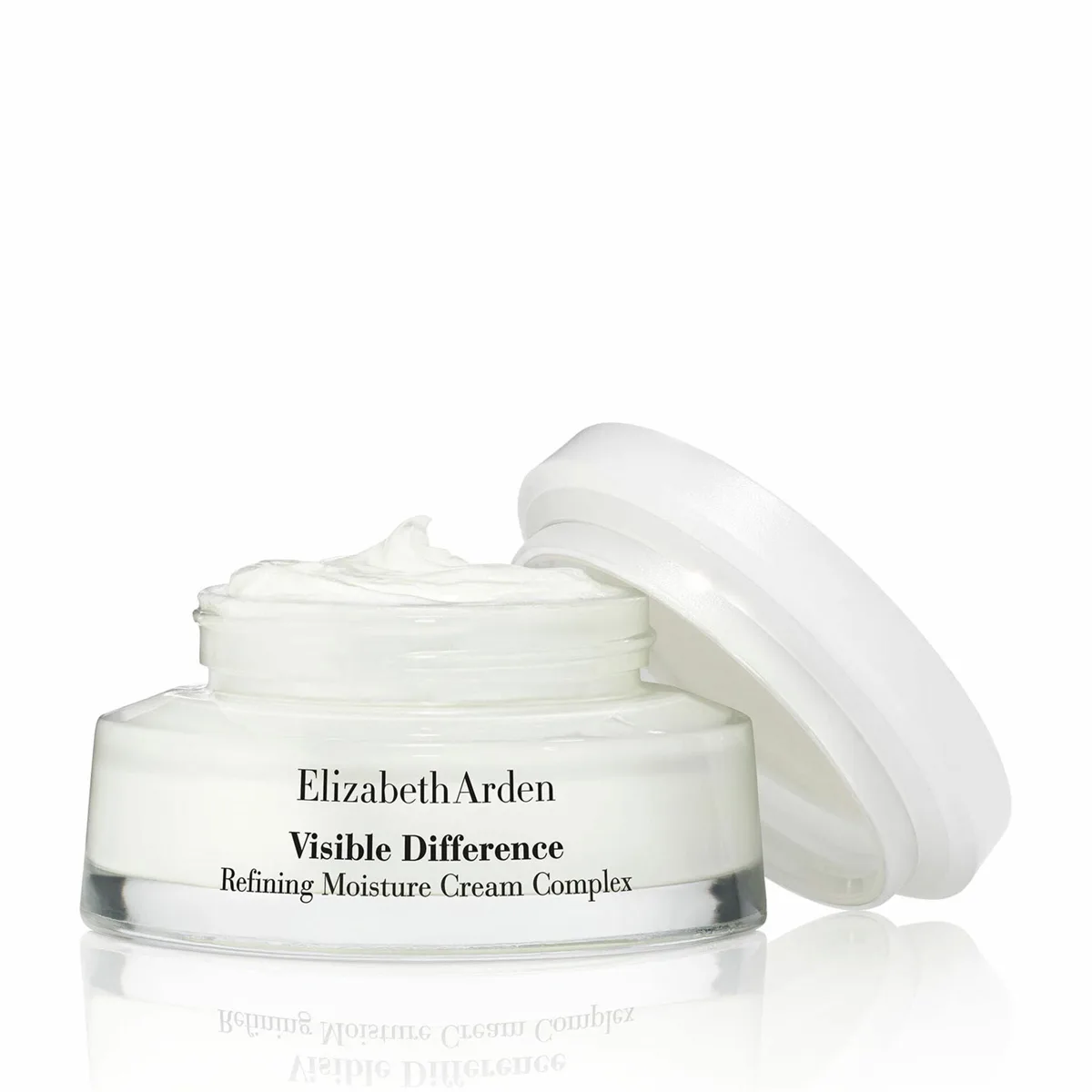
Elizabeth Arden Visible Difference Refining Moisture Cream Complex Review
Vintage Counter Classic
moisturizercreamluxuryNot Cruelty Free
A genuine vintage survivor: this 1980s-era squalane-and-olive-oil cream is still on counters because a devoted following won't let it go. It's deeply comforting on dry skin and a little goes far, but the heavy fragrance, parabens, and merely-decorative retinyl palmitate make it a nostalgia buy more than a modern must-have.
Good choicefor DrynessIn your profileYou chose · Squalane is a reference standard by mechanism for dryness; this cream carries it high in the ingredient list.Moderate evidenceStandard tolerabilityNo reviews collected yet
The case for it
Squalane has trial-supported standing for this concern.
It is present at an effective concentration, declared or high in the ingredient list.
The formula carries no trigger this concern is sensitive to, with the cautions noted.
Cautions: fragrance.
Same rule for everyone. “Good choice” is the verdict on 9,564 of 45,024 concern verdicts across the catalog; rule R5 decided 9,072 of them.
Unchanged since September 5, 2026, engine 5.1.1.
Good choicefor DehydrationIn your profileYou chose · Panthenol (Vitamin B5) is a reference standard by mechanism for dehydration; this cream carries it.Moderate evidenceStandard tolerabilityNo reviews collected yet
The case for it
Panthenol has trial-supported standing for this concern.
It is plausibly present at a working level, though the concentration is not declared.
The formula carries no trigger this concern is sensitive to, with the cautions noted.
What would change this: A declared concentration would move this to a firmer reading of the dose.
Same rule for everyone. “Good choice” is the verdict on 9,564 of 45,024 concern verdicts across the catalog; rule R5 decided 9,072 of them.
Unchanged since September 5, 2026, engine 5.1.1.
R5 — Trial-supported or guideline-supported active, adequately or plausibly dosed. · the full register
Carrying active
Panthenol
Standing
supported — its mechanism is established
Form
plausible — studied range 2.5%, from the trials on the row; needs leave-on contact
Tolerability
standard
Row checked
against its sources on July 17, 2026 (evidence table ev-2026.09-r228)
The studies behind the evidence row
Cosmetic Ingredient Review assessment of panthenol / dexpanthenol — humectant and moisturizer that raises stratum-corneum water content — reference work
Supporting rolefor Winter SkinIn your profileYou chose · Nothing here targets winter skin directly; occlusive hydration is the recognised companion to treating it, and this cream does that without known triggers.Not yet assessedStandard tolerabilityNo reviews collected yet
The case for it
Squalane has no evidence row yet for this concern — it is in the research queue.
The formula carries no trigger this concern is sensitive to, with the cautions noted.
What would change this: A researched evidence row for the lead active would replace this with a verdict.
Same rule for everyone. “Supporting role” is the verdict on 8,197 of 45,024 concern verdicts across the catalog; rule R8 decided 4,250 of them.
Unchanged since September 5, 2026, engine 5.1.1.
R8 — The category's job (barrier care, humectant hydration, gentle cleansing, photoprotection) is the documented supportive role for this concern. This is the honest verdict for a moisturizer on an acne page. · the full register
Does the jobDoes what a moisturizer is for: draws in water, softens and smooths.
A verdict is DermApproved’s assessment of how well a product’s ingredients fit a concern — never a claim about what the product treats. Evidence dots and collected reviews sit beside it and are never blended in.
Rules 0.5.1 · evidence table ev-2026.09-r228 · how we decide
Assessment
Pros & Cons
Pros
✓ High squalane content gives genuinely luxurious, cushioning richness
✓ Deeply effective at relieving dry, tight, flaky skin
✓ A small amount stretches a long way
✓ Soothing allantoin and panthenol round out the comfort
✓ Time-tested formula with decades of loyal users
✓ Breathable beeswax-and-olive-oil seal locks moisture in well
Cons
✗ Heavy fragrance with numerous declared allergens
✗ Contains methylparaben, which some shoppers avoid
✗ Retinyl palmitate is too low to deliver real refining
✗ Too rich for oily, acne-prone, or hot-climate skin
✗ Premium $67 price for a basic emollient formula
Review
Full Review
There's something quietly remarkable about a skincare product that has outlived nearly every trend it was born alongside. The Visible Difference Refining Moisture Cream Complex traces back to Elizabeth Arden's 1980s heyday, and the formula in the jar today is, by all appearances, very close to the one your mother or grandmother might have kept on her dressing table. In an industry that reformulates obsessively, chasing whatever active is trending on social media, a cream that has essentially refused to change is either a relic or a statement. After looking closely at it, the honest answer is: a bit of both. Start with what the cream actually does well, because it's the reason this thing has survived. The texture is dense and buttery, the kind of slow-melting richness that feels closer to a balm-cream hybrid than a modern whipped lotion. That comes straight from the ingredient list, where squalane sits unusually high, third behind water and cetearyl alcohol. Squalane is one of the great emollients, a lipid that mirrors what your own skin produces, so it cushions and softens without the suffocating, slick feel of heavy mineral oils. Around it, the formula builds a classic occlusive structure: beeswax for a breathable seal, olive fruit oil for nourishing fatty acids, and isopropyl myristate to help everything spread. Glycerin and panthenol add a humectant layer, drawing water in, while allantoin keeps the whole thing soothing rather than merely greasy. For genuinely dry, tight, winter-beaten skin, this is a comforting experience. A small amount goes a long way, relief from tightness is immediate, and flaky patches calm down within a week or two of consistent use. As a pure moisturizer, doing the oldest job in skincare, sealing moisture in and softening the surface, it earns its keep. But here is where the heritage cuts both ways. This is a formula frozen in an earlier era of cosmetic chemistry, and modern eyes will spot the compromises immediately. The most obvious is fragrance. The cream carries a pronounced, rosy-powdery perfume that is pure vintage Arden, and the INCI confirms it: parfum followed by a long parade of fragrance allergens, benzyl benzoate, citronellol, geraniol, hexyl cinnamal, hydroxycitronellal, limonene, linalool. For some, that scent is half the pleasure, an olfactory time machine. For anyone with reactive, rosacea-prone, or genuinely sensitive skin, it's a meaningful reason for caution, and a patch test is non-negotiable. Then there's methylparaben near the end of the list. Parabens are, by the weight of evidence, safe and effective preservatives, so this isn't a safety alarm, but it does mark the formula as pre-dating the 'paraben-free' marketing shift, and shoppers who actively avoid them should know it's here. The retinyl palmitate deserves a specific, slightly skeptical mention because the word 'refining' in the name leans on it. Retinyl palmitate is the gentlest, least potent member of the retinoid family, and here it sits very low in the list. Realistically it functions as a mild antioxidant with a faint cell-communicating whisper, not as a wrinkle-smoothing engine. If you're buying this expecting meaningful anti-aging from the retinoid, you'll be disappointed; treat the refining claim as marketing garnish and the moisturizing as the main event, and you'll have the right expectations. There are also a couple of texture-driven caveats. Isopropyl myristate and cetearyl alcohol are both potential pore-cloggers for the acne-prone, and the sheer richness makes this a poor match for oily skin or anyone in a hot, humid climate, where it can feel heavy and slick. This is a cool-weather, dry-skin cream, and it's most at home as a nighttime treat or a winter day cream under makeup for parched complexions. On value, $67 for 2.5 ounces is firmly luxury pricing for what is, ingredient-wise, a straightforward emollient cream. You're paying for the Arden name and four decades of brand equity as much as for the formula. That said, the concentrated texture stretches a long way, so the per-use cost is gentler than the sticker suggests, and the high squalane content is a genuine quality marker rather than filler. So who is this for? It's for the loyalist who has used it for years and isn't interested in switching, and for the dry-skinned traditionalist who wants uncomplicated, fragrant, deeply cushioning moisture without a lab-coat ingredient deck. It's a comfort object as much as a skincare product, and there's nothing wrong with that, as long as you go in clear-eyed. What it is not is a modern, fragrance-free, actives-driven treatment cream, and anyone shopping for that should look elsewhere. Judged against what it actually promises, simple, rich, refining moisture, it delivers with the unbothered confidence of a product that has nothing left to prove. One more thing worth saying, because it gets to why a product like this endures at all: skincare isn't purely a chemistry problem, it's a habit and a ritual, and rituals are sticky. The familiar weight of this cream, the specific scent, the act of scooping it from a wide jar, these are part of why people keep repurchasing long after newer formulas could technically outperform it. That emotional pull is real and shouldn't be dismissed, but it also shouldn't be confused with formulation superiority. If you're choosing this cream, choose it with eyes open: you're buying a deeply pleasant, emollient, fragrant comfort object that does the fundamental work of a moisturizer extremely well, not a state-of-the-art treatment loaded with proven actives. Held to that honest standard, it's a perfectly good purchase for the right person, and a clear mismatch for the modern, fragrance-free, results-chasing shopper who would be happier almost anywhere else.
Formula
Key Ingredients
The hero actives that drive this product's performance.
Sitting third on the list, squalane is the cream's defining emollient, giving it that silky, deeply cushioning slip. It mimics the skin's own surface lipids, so it softens and smooths without the heavy occlusive feel of mineral oils, anchoring the rich texture this product is loved for.
Established mechanismfor Dryness · established mechanism
The gentlest member of the retinoid family, included low in the list as a soft 'refining' nod rather than a true anti-aging active. In this emollient base it offers mild antioxidant support and a whisper of cell-turnover signaling without the irritation of stronger retinoids.
A classic soothing and skin-conditioning agent that calms and supports the surface, balancing the richness of the squalane-and-beeswax base so the cream feels comforting rather than merely greasy.
Provitamin B5 that draws in water and supports the barrier, adding a humectant dimension to an otherwise emollient-heavy formula so hydration comes from both moisture-binding and lipid-cushioning.
Established mechanismfor Dehydration · established mechanism
Together they build the cream's old-school occlusive richness, with olive oil delivering nourishing fatty acids and beeswax forming a breathable seal that locks moisture in overnight or under makeup on very dry skin.
Not yet assessed
Ingredient standings describe the active at treatment-level doses and
vehicles; this product's own condition grades weigh its actual formula.
The evidence here favors the emollients over the marketing actives. Squalane is among the best-studied lipid emollients, valued because it closely matches the skin's own surface oils, so it reduces transepidermal water loss and improves softness without occluding heavily; its high placement is the formula's real strength. Beeswax and olive fruit oil contribute classic occlusive and fatty-acid nourishment, a combination that has supported barrier comfort long before the term existed. Panthenol and allantoin both have a solid record for soothing and supporting the stratum corneum. The weak link, scientifically, is the retinyl palmitate. Among retinoids it is the least bioavailable: it must be converted through several steps to retinoic acid to have any meaningful effect, and at the trace level it appears here it functions more as a mild antioxidant than a refining active. The realistic read of this formula is a competent, emollient-led moisturizer whose performance rests almost entirely on its lipid base, with the vitamin A ester adding negligible measurable benefit. There is no published clinical trial demonstrating wrinkle reduction from this specific product, and none should be expected given the concentration.
Dermatologist Perspective
From a clinical standpoint, emollient creams built on lipids like squalane and plant oils are a mainstay recommendation for dry and barrier-compromised skin, and this cream's high squalane content puts its core function on firm ground. Where dermatology tends to push back is on heavily fragranced legacy formulas: fragrance and its associated allergens are a leading cause of cosmetic contact dermatitis, so for sensitive or rosacea-prone patients a fragrance-free moisturizer is usually preferred. The retinyl palmitate is generally viewed as too weak and too low in concentration to count as a meaningful anti-aging retinoid. Clinical guidance would frame this as a comforting moisturizer for dry skin in a fragrance-tolerant user, not as a treatment product, and would stress daily sunscreen as the actual anti-aging workhorse.
Guidance
Usage & Recommendations
How to Use
Reach for it as your final leave-on step, after cleansing and any serums. Scoop a small amount, no more than a pea to a small fingertip, warm it briefly, and massage it over the face and neck; the rich texture spreads further than expected, so resist over-applying. It suits nighttime use on dry skin especially well, and can double as a daytime cream under makeup in cold weather if you follow with sunscreen in the morning. For very parched skin, layer it over a hydrating serum or lotion. Keep the jar closed to preserve the formula.
Value Assessment
At $67 for 2.5 ounces, this is luxury pricing for what is fundamentally a rich emollient cream, so a good part of the cost reflects Elizabeth Arden's heritage and four decades of brand loyalty rather than rare actives. The saving grace is the formula's density: a little goes a long way, which softens the per-use cost considerably, and the high squalane placement is a real quality signal rather than filler. Still, value-minded shoppers can find fragrance-free creams with comparable or better emollient profiles for substantially less. The price is most justifiable for committed fans of the line who treat it as a familiar comfort.
Who Should Buy
It's ideal for dry-skinned traditionalists who want deep, fragrant, cushioning moisture and aren't bothered by perfume or parabens. Longtime fans of the Visible Difference line, and anyone who values heritage comfort over modern active lists, will find it a familiar and satisfying staple, particularly through cold, dry winters.
Who Should Skip
Steer clear if your skin is oily, acne-prone, or fragrance-sensitive, since the richness and heavy perfume work against all three. Anyone seeking real anti-aging from retinoids, a fragrance-free formula, or maximum proven actives per dollar will find this dated cream underwhelming for the price.
Ready to try Elizabeth Arden Visible Difference Refining Moisture Cream Complex?
A dense, luxuriously rich cream with a buttery, slow-melting slip that feels more like a balm-cream hybrid than a lightweight lotion.
Scent
A pronounced, old-fashioned rosy-powdery perfume that is unmistakably classic Arden and lingers after application.
Packaging
Wide-mouth jar with a screw lid, in the line's traditional styling.
Finish
velvetynatural
What to Expect on First Use
Expect instant relief from tightness and a soft, cushioned feel. The most noticeable thing on first use is the strong fragrance; there's no purging or tingling, just immediate richness that some will find indulgent and others heavy.
How Long It Lasts
About 3-4 months with nightly facial use, longer if used sparingly, thanks to the concentrated texture.
The Visible Difference franchise was one of Elizabeth Arden's anchor lines through the 1980s and 1990s, and this Refining Moisture Cream Complex has remained essentially unchanged for decades, kept in production by repeat buyers who first reached for it years ago.
About Elizabeth Arden Legacy Brand (20+ years)
Elizabeth Arden launched the Visible Difference line in the early 1980s, and this rich moisture cream has been a continuously sold counter staple for over four decades. Its longevity reflects consistent customer loyalty rather than modern clinical validation; the formula is classic rather than cutting-edge.
Brand founded: 1910 · Product launched: 1982
Myth vs. Reality
Common Myths
Myth
The retinyl palmitate makes this an anti-wrinkle cream.
Reality
Retinyl palmitate sits very low in this formula and is the mildest, least potent retinoid. It offers gentle antioxidant support at best, not the line-smoothing power of retinol or prescription retinoids.
Myth
An old, simple formula must be inferior to modern creams.
Reality
For pure emollient comfort on dry skin, this squalane-and-olive-oil base does its one job very well. It lacks modern actives, but a moisturizer's core task, sealing in moisture and softening skin, hasn't changed, and this cream still accomplishes it.
FAQ
Frequently Asked Questions
Is the Visible Difference Refining Moisture Cream Complex good for very dry skin?
Yes, this is one of its core strengths. The high squalane content plus olive oil and beeswax create a rich, cushioning seal that relieves tightness and flakiness, making it well suited to dry skin, especially in cold weather.
Does this Elizabeth Arden cream contain retinol?
No. It contains retinyl palmitate, the mildest retinoid, and only a trace amount low in the ingredient list. It offers gentle antioxidant support but not the refining or anti-wrinkle action of true retinol.
Is the Visible Difference moisture cream fragrance-free?
No, it is noticeably fragranced with a classic rosy-powdery scent and contains several declared fragrance allergens. Sensitive, reactive, or rosacea-prone users should patch test before regular use.
Can people with oily or acne-prone skin use this cream?
It's generally too rich for oily skin and contains isopropyl myristate and cetearyl alcohol, which can be pore-clogging for some. Acne-prone and oily types are usually better served by a lighter, oil-free moisturizer.
Does the Visible Difference cream contain parabens?
Yes, it contains methylparaben as a preservative. Parabens are widely considered safe and effective, but if you prefer to avoid them, this classic formula is not paraben-free.
Why has this cream stayed the same for so long?
It has a devoted base of repeat buyers who value its consistent emollient richness and signature scent. Elizabeth Arden has kept the formula essentially unchanged because that loyal demand, rather than trend-chasing, sustains it.
Reviews
What Reviewers Tend to Say
Recurring themes our editors read across retailer reviews of this product — summaries in our words, not quotations, and not a substitute for your own patch test.
Cutting a beard hair takes about a twentieth of a newton. You press with two and stretch your skin by a fifth — which is why almost every shaving problem is a technique problem wearing a hardware costume.
The burn trials are real and the skeptics who dismiss aloe as folklore are wrong — but the same substance has delayed healing in other wounds, and none of it says anything about what a soothing gel does to intact skin.
Your immune cells already make it to kill microbes. Now it's in a spray bottle for breakouts and redness, and the real evidence is quietly stronger than the 'miracle mist' marketing that's outrunning it.
Every cica, calming, and barrier product leans on the same three ingredients, and the real mechanisms are far more specific — and more limited — than 'soothing' lets on.
Products, answers, therapy guides, tools and articles in one search. Brand names,
slang and abbreviations all work — accutane finds isotretinoin, bacne finds truncal acne.