Olive Oil
Products with Olive Oil
 Olive Heritage Cream
Olive Virgin Oil Essential Cream
DHC's olive-oil heritage in moisturizer form: a simple, rich, fragrance-free emollient cream led by organic Spanish olive oil, with squalane, rice bran oil, and potent vitamin E (tocotrienols). It nourishes dry skin genuinely well — comforting, dependable, unfussy — and a little goes a long way. It's modest on trendy actives and too rich for oily skin, and the 'elasticity' claim is just emollience, but at around $32 it's a fairly-priced, well-made rich cream for dry skin.
 Sunflower-First Family Cream
Organic Hydrating Cream with Olive Oil and Aloe
A fifteen-ingredient, fragrance-free, organic-certified cream that gets the one thing that matters right: sunflower oil comes second and the olive oil in the name comes sixth, which is the order infant-skin evidence favours. With a real glycerin dose and a gentle polyglyceryl emulsion it works as a newborn's body cream, a toddler's face cream and a parent's moisturiser from one tube, at a fair price. It's a plain maintenance product, not a barrier treatment — and that's exactly what most families need.
 Whole-Family Sulfate-Free Wash
Organic Cleansing Gel with Olive Oil and Aloe
The best all-rounder in Mustela's range and a genuinely good cleanser by any standard: five sulfate-free surfactants from the mildest classes, layered so it lathers like a real wash without stripping, no fragrance, glycerin left behind, in a 400 mL pump with a refill pouch. It suits newborns, eczema-prone children and reactive adults from one bottle. The organic seal is real and the olive oil is a trace — neither is the reason to buy it, and the surfactant design is.
 Oil-Water Balance Serum
Moisture Serum
The moisturizing counterpart to Pyunkang Yul's watery toners: a light olive-oil emulsion led by calming goldthread root that softens and balances skin rather than just adding water. It's a gentle, fragrance-free pick that can double as a lightweight moisturizer for combination skin at a fair price. The catches are the olive oil, which is comedogenic for some, and that it isn't fungal-acne safe — so oily, breakout-prone skin should be cautious.
 J-Beauty Primer Upgrade
Velvet Skin Coat Primer
The squeeze-tube evolution of DHC's cult Velvet Skin Coat balm, and for many users it's the better buy. A lighter silicone fluid with a touch of water and glycerin makes it comfortable on every skin type, while still delivering the pore-blurring finish the original made famous.
 Oily-Skin Featherweight
Morning Burst Hydrating Gel Moisturizer
A featherlight, oil-free gel that hydrates oily and combination skin without a hint of grease, and primes the surface nicely for makeup. It won't satisfy dry skin and leans on fragrance and synthetic dyes, but as a cheap, refreshing daily moisturizer for shine-prone faces it does its narrow job well.
 Heritage Classic
Active Hydrating Beauty Moisturizing Lightweight Lotion for All Ages
The legendary pink Beauty Fluid is a quietly modernized version of a sixty-year-old classic, a lightweight, non-greasy daily lotion that reliably hydrates normal to dry skin. It does one thing well and asks little in return, but it carries fragrance, no actives, and no SPF, so think of it as a comfortable basic rather than a do-everything moisturizer.
 Sensitive Skin Night Staple
Rich Hydrating Night Cream
A quietly competent night cream that does exactly what Cetaphil does best — deliver reliable hydration without irritating anyone. The olive-based emulsion is a smart formulation choice, but the 'Rich' in the name slightly oversells the texture. Best for dry-to-normal sensitive skin that needs overnight moisture without drama.
 Parent-Trusted Body SPF
Safe Sunscreen SPF 50+
The original Thinkbaby flagship — a 20% zinc oxide SPF 50+ with real 80-minute water resistance and a fragrance-free inactive list that earns its long-running reputation as the default sensitive-skin and parent-trusted body sunscreen. White cast and thick texture remain the price of admission, but for the right user the trade-offs are worth it.
 J-Beauty Travel-Friendly Pick
Mild Foam Wash
DHC's tube version of its decades-old Mild Soap is the rare traditional Japanese potassium-soap cleanser that doesn't punish dry skin. The olive oil and snow mushroom polysaccharide soften what would otherwise be a high-pH formula, and at about fifteen dollars it remains one of the best-value J-beauty cleansers a sensitive-skin routine can include.
 Simple Hydrating Booster
Olive Virgin Oil Crystal Skin Essence
A weightless 'crystal' gel hydrating booster with a genuinely lovely jiggly texture and a touch of olive oil and vitamin E — pleasant, gentle, and fast-absorbing as a pre-moisturizer step. The catch is the formula: it's strikingly simple (mostly water and gelling gums), so the romantic 'precious flor de aceite essence' marketing dresses up a barebones product, and $36 is steep for what amounts to a light olive-and-vitamin-E hydrating gel. Nice texture, minimal substance.
 Cult Lip Balm
Lip Cream
One of DHC's true cult bestsellers, and deservedly so: a deeply nourishing olive-and-lanolin lip balm that restores dry, chapped lips fast — sealing and softening with lanolin (one of the best lip occlusives there is), olive oil, beeswax, and soothing aloe and licorice. It's genuinely excellent, non-waxy, and costs under $10. The only real considerations are lanolin (a potential allergen for a minority) and the absence of SPF. A deserved staple.
 Sensitive Skin First Cleanse
Black Rice Moisture Cleansing Oil
A nine-ingredient cleansing oil that does exactly one job — melting sunscreen and makeup without stripping — and does it with unusual restraint. Sensitive skin gets the biggest payoff from the fragrance-free, certification-backed formula. At $25 it costs more than drugstore oils that cleanse comparably, but few of those match its short, calm ingredient list.
 Non-Greasy Body Moisture
Creamy Oil Lotion
A genuinely nice rich-but-non-greasy body lotion that delivers oil-level moisture from shea butter and olive oil in a fast-absorbing form, at a friendly price for a generous bottle. It's a solid everyday moisturizer for dry body skin — just take the 'Soft & Even' name with a grain of salt, since it's a plain moisturizer rather than a tone-evening treatment, and it's fragranced with parabens.
 Body SPF That Feels Like Nothing
Unseen Sunscreen Body SPF 40
The most pleasant body sunscreen to actually wear: a water-free silicone gel with a full four-filter SPF 40 that spreads over a limb in a few strokes, sets clear and dry in a minute, and never ends up on a shirt. It is built for the days people skip body SPF — the commute in shorts, the terrace lunch — and it wins those days. It loses the beach: forty-minute water resistance, a price per ounce that stings at a proper body dose, and an avobenzone system that reactive skin will notice.
 Ceramide Sealing Cream
Sensitive Skin Moisturizing Cream
The richest, most active-loaded step of Muji's gentle Sensitive Skin line: a fragrance-free sealing cream with ceramides, a 5-amino-acid complex, and HA that genuinely repairs the barrier, not just coats it. It's a quietly impressive budget cream for dry and compromised skin — just note it's rich (too much for oily skin), contains beeswax so it isn't vegan, and contains silicones.
 Fragrance-Free Body MVP
Squalane + Caffeine Toning Body Cream
A rare fragrance-free body cream that pairs Biossance's fermented squalane with caffeine and niacinamide for a genuinely silky, fast-absorbing finish. The toning effect is real but temporary and subtle, so buy it as an excellent unscented daily moisturizer with a firming bonus rather than a contouring miracle. At $30 for 200ml it is a mid-premium splurge that earns its keep on sensitive skin.
 Ten-Dollar Gentle Milk
Cleansing Milk – Soothing Face Wash
TruSkin's cheapest product is also its best-judged: a fragrance-free, glucoside-based cleansing milk with olive oil, oat and rice that removes sunscreen and makeup without stripping, for under ten dollars. Dry and reactive skin gets a genuinely gentle daily cleanser with nothing to react to; oily skin will find the oils leave a film, and no one should expect the plant milks to do more than a rinse-off can.
 J-Beauty Night Cream Staple
Extra Nighttime Moisture
A fragrance-free, olive oil and squalane-led j-beauty night cream with a thoughtful soothing layer from willow bark and licorice root. It's not DHC's most ambitious formulation, but it's a well-built overnight barrier-repair cream that excels in the role it's designed for — particularly for dry, mature, or retinol-using skin that needs gentle cushioning at night. Expensive for its size, but fair for what you're getting.
 J-Beauty Primer Staple
Velvet Skin Coat
A J-beauty primer that punches well above its weight. Velvet Skin Coat uses a dense silicone-elastomer balm to physically blur pores and smooth texture in a way that liquid primers can't quite match. Worth the small jar if you want velvet finish without Hollywood markup.
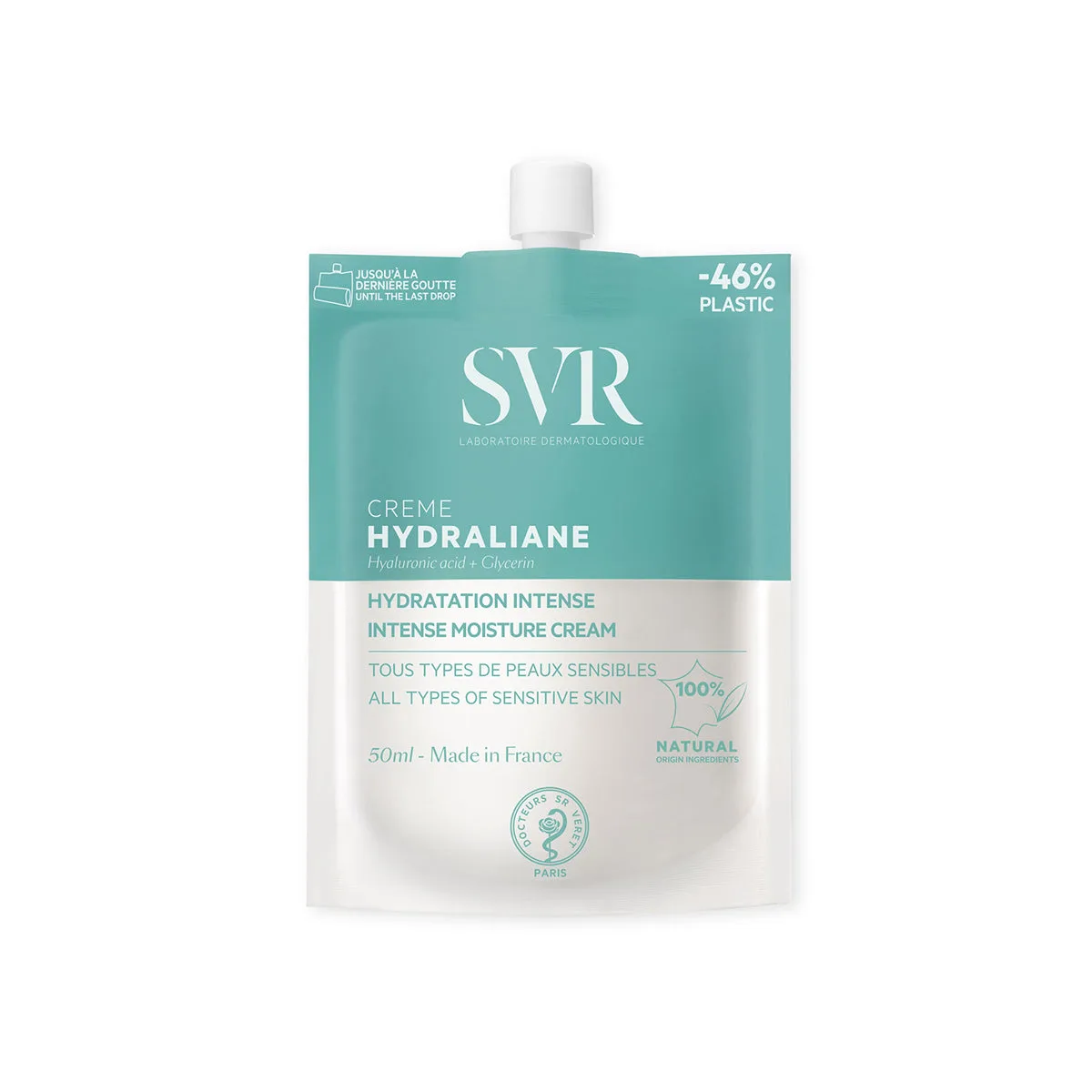 Sensitive-Skin Daily Cream
Hydraliane Moisturizing Cream
An honest French pharmacy moisturizer that sticks to fundamentals — hyaluronic acid plus glycerin plus three plant oils for a complete lipid spectrum, with the formulation discipline you'd expect from a pharmacist-founded brand. At $25 for 50ml of a 100% natural-origin cream that genuinely delivers 24-hour hydration on sensitive skin, this earns its shelf space. The fragrance is the only meaningful caveat.
 Barrier Care Emulsion
beaute Moisture Emulsion Moist
The sealing half of Sofina beaute's hydration duo, this emulsion does genuine barrier work: a Kao-developed pseudo-ceramide replenishes dry skin's lipids while a cultured-tuberose film locks moisture in, all in a light, cushioned milk. The floral fragrance, small 60g size, and import pricing are the trade-offs to weigh.
 Sensitive Skin MVP
Liquid Facial Soap Extra Mild
A cushioned, lipid-rich first step that behaves more like a gentle cream cleanser than a true soap, leaving dry and sensitive skin clean and soft rather than tight. It is fragrance-free, genuinely non-stripping, and pleasant to use, with the main drawbacks being a prestige price for a basic cleansing step and minimal foam that surprises some users. A reliable pick for delicate skin.
 Sensitive Scalp Safe Zone
Renewing Scalp Moisturizer
Jupiter's most restrained product is also its most universally usable: a genuinely fragrance-free, oil-free scalp hydrator that treats dry-scalp tightness as a moisture problem rather than a medical one. The prebiotic angle is thoughtful, the tolerability is exceptional, and the only real friction is paying thirty-two dollars for a formula whose stars are glycerin and good judgment.
 Jumbo Jar Basic
Aloe Vera Body Cream
A pound of perfectly competent mineral-oil-and-glycerin body cream for sixteen dollars, with aloe, olive oil and a light fragrance layered over a base that does the actual moisturizing. It softens dry skin quickly, lasts for months and has two thousand happy Amazon reviewers behind it. It is not the aloe gel its name evokes, the fragrance carries five declared allergens, and it is the wrong choice for eczema or acne-prone skin.
 Olive-and-Jojoba Minimalist Cream
Absowater Moist Cream
A short, fragrance-free cream that wraps dry skin in olive and jojoba oils with very little else to react to. It is comforting and reliable, but it lacks glycerin and barrier lipids like ceramides, which limits how much it can do on its own, and ¥4,510 for a 30g jar is a steep price for such a simple emulsion.
 Eight-Ingredient No-Rinse Cleanser
Organic Micellar Water with Olive Oil and Aloe
An eight-ingredient, fragrance-free no-rinse cleanser — aloe, water, glycerin, one very mild glucoside, a food-grade preservative pair and a trace of olive oil — that does the changing-table job better than most wipes and doubles as a gentle makeup remover for the parent holding the baby. It's about as low-risk as a leave-on product gets. The olive oil and aloe are label décor, the bottle needs a pump, and it won't replace water for messy changes; within those limits it's an easy recommendation.
 Minimalist's First Cleanse
From Green Cleansing Oil
Eleven ingredients, zero filler, complete sunscreen removal. The Purito From Green Cleansing Oil proves that the best first cleanse is the simplest one — five plant oils, clean emulsification, and nothing your skin didn't ask for.
 J-Beauty Gold Standard
Deep Cleansing Oil
The cleansing oil that built an entire category. DHC's Deep Cleansing Oil is still the benchmark against which every other olive-oil-based cleansing oil is measured, and after four decades on market it remains one of the most reliable ways to remove water-resistant sunscreen and makeup without stripping the skin. The only real downside is added fragrance.
 Barrier-Friendly Oil Cleanser
Milky Oil Cleanser
A conditioning, barrier-friendly cleansing oil that melts away makeup and sunscreen while replenishing lipids with ceramides and squalane, all at a budget price. It is a strong first-cleanse option for most skin types, with the main caveats being rosemary leaf oil as a fragrance and a small 100 ml bottle.
 French Pharmacy Diaper-Change Classic
Liniment
The French pharmacy diaper-change classic, olive oil emulsified with limewater, made by a pediatric dermatology house in ten fragrance-free ingredients. It dissolves residue with almost no friction and leaves a protective film wipes cannot, which makes it the best thing in the aisle for a reactive bottom. It is strictly for the diaper area, needs shaking every time, and twenty dollars is a lot for what is mostly olive oil.
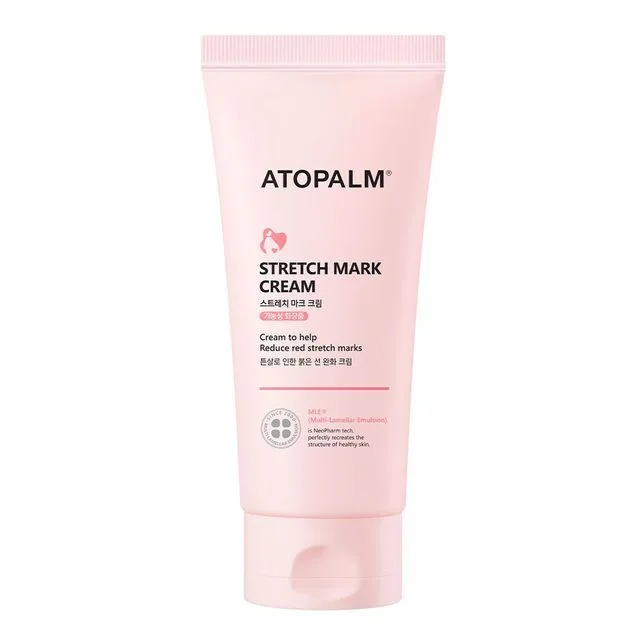 Barrier Cream in Maternity Clothes
Maternity Stretch Mark Cream
A very good pregnancy comfort cream wearing a promise it cannot keep: Atopalm's clinically credible MLE barrier system in a rich olive-and-rapeseed base soothes the itch and tightness of stretched skin better than most, but no topical prevents stretch marks, the peptide and mushroom collagen are decoration, and bergamot and litsea oils are a strange thing to massage onto a belly that may see the sun.
 Budget Glow Mist
Coconut & Hibiscus Illuminating Body Oil
A brand-new spray body oil with a better blend than its pink bottle lets on: sunflower and jojoba for lightness, olive and almond for glow, borage for a touch of real barrier biology, at under $14. The illuminating claim rests on a trace of mushroom extract and delivers only the sheen any good oil gives, fragrance sits third, and the oils are wrong for breakout-prone or eczema-prone skin, but for dry legs after a summer shower it is an easy, cheap pleasure.
 Tear-Free Kids Spray
Kids UV Mist SPF60 PA++++
A paraben-free, fragrance-free and alcohol-free children's spray with a strong seven-filter system, olive-derived emollients and a child-proof cap, sized for families at 200ml. It makes covering wriggling kids much faster, but sprays need careful technique to avoid under-application and inhalation, and octinoxate and octocrylene may not suit every parent's preferences.
 J-Beauty Double-Cleanse Essential
Gokujyun Cleansing Oil
A thoughtfully engineered Japanese cleansing oil that turns the first step of double cleansing into a hydrating treatment. Two forms of hyaluronic acid — including a rinse-resistant cationic version — make this the rare cleanser that leaves skin more hydrated than before you washed your face.
 J-Beauty Double Cleanse Essential
Gokujyun Oil Cleansing
A brilliantly minimalist oil cleanser that dissolves everything from waterproof sunscreen to stubborn mascara while depositing dual-form hyaluronic acid on your skin — pharmaceutical-grade simplicity in a twelve-ingredient formula that costs less than a lunch.
 Minimalist Protective Balm
Organic Magic Balm
The best-formulated skincare product in the Dr. Bronner's range — a refreshingly minimalist balm of organic beeswax and five nourishing oils, no alcohol, no fillers, and (in the unscented version) no fragrance. It soothes and protects dry, chapped, eczema-prone skin genuinely well, lasts forever, and costs little. The only real caveats: the beeswax rules out vegans, and it's too rich for an all-over oily face.
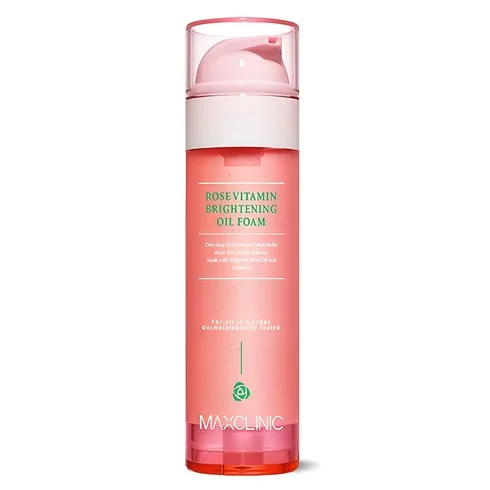 One-Step Double Cleanse
Rose Vitamin Oil to Foam
The cleanser that made Maxclinic famous, and deservedly so: it behaves like a cleansing oil on dry skin, then turns into a rinse-clean foam the second water hits, collapsing the double cleanse into one step. The Rose Vitamin version adds a gorgeous true-rose scent and a vitamin-brightening angle that is more bonus than benefit. Brilliant for dry-to-normal skin, less so if fragrance bothers you.
 Fast-Absorbing Body Milk
Life Plankton Multi-Corrective Body Milk
A very good prestige body milk hiding behind an unnecessary claim. The shea-and-five-oil formula hydrates and softens as well as anything at this price and absorbs fast enough to dress over immediately, which is the real reason to buy a 400 ml pump of it. The firming and 'multi-corrective' language is emollient tightening measured within hours, and the plankton is a 1 percent signature. Skip it only if fragrance or body breakouts are your problem.
 Sensitive Skin Mineral MVP
Everyday Face Sunscreen SPF 30
A no-nonsense 20% zinc oxide mineral face sunscreen with a fragrance-free, sensitive-skin-friendly inactive list and a real white cast you'll need to make peace with. For rosacea, post-procedure skin, and pregnancy use, it's one of the most defensible mineral options on the market. For daily wear under makeup, the texture and cast make it a harder sell.
 Best-Value Premium Sheet Mask
Super Collagen Supreme Premium Sheet Mask
DHC's Super Collagen Supreme Premium Sheet Mask delivers genuine premium-tier essence formulation — dipeptide-8, vitamin C derivative, snow mushroom — in a 32-pack format that works out to $1.09 per mask. That value math is genuinely category-disruptive in a market where comparable luxury single-masks run $10-30 each. Olive oil makes it less suitable for fungal-acne-prone skin.
 Cult Natural Udder Cream
Skin Milk Udder Cream
The cult Australian moisturizer with the unforgettable origin story: a gentle, lightweight natural cream of almond and olive oils, aloe, and a hydrolyzed milk protein that soothes dry and sensitive skin and works face-to-body. It's lovely, affordable (especially in big sizes), and beloved by eczema-prone skin — just know it's a simple emollient, it's fragranced, and the milk protein makes it non-vegan.
 Affordable Eye Patches
Rich Eye Zone Care Pack
Affordable contoured under-eye sheet patches that give a genuine instant boost — hyaluronic acid and humectants plump the under-eye, peptides add a modest treatment angle, and olive oil and collagen condition, leaving the eye area plumped, dewy, and brighter. At roughly $1.50–3 per pair, they're far better value than luxury eye masks that cost many times more for the same temporary effect. The honest caveat is the usual one: the lift is temporary, and the collagen/elastin are surface plumpers.
 Oily-Skin Foam Pick
Peach Punch Sweet Foam Cleanser
A cheerful, affordable potassium-soap foam that whips into a dense lather and rinses oily skin to a satisfying matte clean, all wrapped in a candy-peach scent. It cleanses genuinely well, but the alkaline base and fragrance make it a hard pass for dry, sensitive or barrier-compromised skin. A fun pick if your skin runs oily and tolerant.
 Olive-Base Double-Cleanse Oil
Matcha Biome Perfect Cleansing Oil
A cheap, effective plant-oil cleansing oil on an olive-and-soybean base with a good sorbeth emulsifier that melts waterproof makeup and rinses clean, and a brand honest enough to declare its green tea at fifty parts per million and its ferments at one. The oleic-heavy base and a fragrance keep it off congestion-prone and sensitive faces; for everyone else it is a solid twenty-dollar first cleanse.
 Waterproof Mascara Workhorse
Pro Hyaluron Eye & Lip Makeup Remover
A dependable, fragrance-free biphase remover that melts waterproof mascara and lip tint with very little rubbing. The eight-hyaluronic-acid story is decoration — the label itself shows the dose in parts per million — so buy it for the oil phase, not the hydration claim, and plan on a quick second cleanse.
 J-Beauty Eye Cream Classic
Concentrated Eye Cream
DHC's concentrated eye cream is a classic J-beauty formula that still holds up: olive-oil-rich, three-peptide, multi-decade track record. It's not a miracle dark-circle eraser and the paraben preservatives will lose some shoppers, but for dry under-eye hydration and subtle crow's-feet softening, it does exactly what its 1980s-era claims said it would.
 Drugstore Holy Grail
Softymo Deep Cleansing Oil
Kose's $12 drugstore cleansing oil is the reason Japanese beauty routines caught on in the West in the first place — it melts through waterproof mascara and high-SPF sunscreen like nothing should at this price. The fragrance is strong and the formula is unglamorous, but the performance-per-dollar math is genuinely hard to beat.
 Epionce Daily Anti-Aging Workhorse
Renewal Facial Cream
A thoughtfully built multi-pathway daily anti-aging moisturizer combining a substantial barrier-repair lipid architecture, antioxidant activity from quercetin and fruit extracts, and a small natural retinoid pathway via rosehip oil. The essential oil scent profile is the main limitation for sensitive skin, and the price is meaningfully steeper than mainstream clinical alternatives — but the formulation logic and Dr. Thornfeldt's research backbone earn the cream a credible place in the Epionce lineup for normal-to-dry tolerant skin.
 Japanese Cult Cleansing Oil
Makeup Remover Perfect Oil
Japan's best-selling drugstore cleansing oil for nearly two decades, and the reason is unglamorous but real: Perfect Oil removes water-resistant Japanese sunscreen better than products costing three times as much. The mineral oil base will offend skincare purists, but the formula's track record and value are difficult to argue with.
 Barrier Makeup-Base Cream
Daytime Undermakeup Moisture Cream
A nourishing barrier-repair day moisturizer that doubles as a smooth makeup base: Atopalm's MLE pseudo-ceramide with plant oils, phytosterols and soothing bisabolol, panthenol and allantoin for dry, barrier-stressed skin. It gives makeup an even, comfortable canvas. The honest caveats: it adds fragrance (a recurring irony for a sensitive-skin brand), it has no SPF despite the 'daytime' name, and it's too rich and not fungal-acne safe for oily skin.
 Sensitive-Lip Everyday Balm
Mentholatum Lip Baby (Fragrance Free)
The gentle, scentless member of the Lip Baby family — a 100% food-origin blend of plant oils and waxes with no menthol, fragrance, colorant, or preservative. It conditions and seals dry lips without the classic Mentholatum tingle, which makes it an easy pick for reactive or balm-sensitive users, as long as you don't need SPF.
 Plastic-Free Family Syndet
Shampoo & Body Cleansing Bar
A fragrance-free, soap-free syndet bar in eleven ingredients that cleans hair and body at a skin-friendly pH, lathers better than a solid has any right to, and replaces two plastic bottles with a cardboard box. It is close to the ideal family cleanser for eczema-prone households and hand luggage alike. Long hair will want a conditioner after it, and the bar must be kept dry between uses or it melts away.
 Sensitive Skin MVP of the Lineup
Cool Fresh Aloe Bar Soap
The most skin-friendly bar in the Dr. Squatch lineup, and the one to recommend to people who find the brand's heavier variants too aggressive. Real aloe leaf juice, restrained natural fragrance, and the standard quality cold-process build make this the sensitive-skin pick from a brand not generally known for sensitive-skin options.
 J-Beauty Peptide Serum
Super Collagen Supreme Serum
DHC's Super Collagen Supreme Serum is the primary treatment anchor of the brand's signature collagen platform — dipeptide-8, magnesium ascorbyl phosphate vitamin C, snow mushroom polysaccharide, and saccharide isomerate in a lightweight leave-on serum at $31 for 1.6oz. Reasonable mid-tier J-beauty pricing. Olive oil makes it less suitable for fungal-acne-prone skin.
 Razor-Bump-Prevention Pre-Shave
Priming Oil
Bevel's Priming Oil is a no-nonsense pre-shave layer that does exactly one thing well: lubricate skin and soften coarse hair so the razor glides without tugging, which is the root cause of ingrowns. A decade-old staple with a simple, transparent oil-and-wax blend — just mind the comedogenic oils and the lavender-menthol sensitizers.
 Budget Ceramide Ampoule
Good Skin Ceramide Moisturizing Ampoule
A budget ceramide ampoule with genuinely good barrier-and-moisture ingredients — ceramide NP, macadamia and olive oils, panthenol — that nourish dry skin well for the price. The honest, and ironic, catch is the essential-oil blend it's perfumed with: bergamot (phototoxic), lavender, orange and clary sage, an irritation-prone, sun-sensitizing choice in a product meant to repair compromised skin. Best used at night, and not the pick for sensitive skin.
 Barrier-Repair Hand Cream
Moisturizing Hand Treatment
A genuinely barrier-supportive hand cream: Atopalm's MLE pseudo-ceramide with emollient oils, hydrolyzed wheat protein, panthenol and a soothing botanical complex — a nourishing, repairing treatment for chronically dry, rough, over-washed hands that does more than just coat them. The honest caveats are added fragrance (a recurring brand choice) and wheat protein (an allergen for the wheat-sensitive); otherwise it's a strong, well-rounded hand treatment.
 Botanical Aromatherapy Cream
Balancing Cream
A richly emollient, over-99%-naturally-derived Japanese botanical cream built on squalane and plant oils with a deliberate aromatherapy blend of bergamot, geranium, frankincense and marjoram. It's a beautiful comfort-and-ritual moisturizer for dry, resilient skin, but its heavy essential-oil load makes it a poor (even risky) pick for sensitive skin, and grey-market pricing is steep.
 Budget Rich Collagen Eye Cream
Collagen Intensive Eye Cream
A cheap, old-school, richly emollient collagen eye cream that plumps the look of fine lines and deeply nourishes dry under-eyes, anchored by adenosine for genuine, if modest, anti-wrinkle support. It does its comforting job for a few dollars, but a dated formula with parabens and floral fragrance keeps it firmly in budget, tolerant-skin territory.
The full olive oil guide
Few skincare ingredients carry as much cultural weight and as much scientific ambivalence as olive oil.
Pressed from the fruit of Olea europaea, it has lubricated and softened skin around the Mediterranean for thousands of years, and its fatty-acid and antioxidant makeup is genuinely well-characterized. But the modern research tells a more divided story than the wellness narrative: some controlled work suggests daily leave-on use can loosen the skin barrier rather than fortify it, while other studies point to its phenolics nudging epidermal renewal. It shines brightest in rinse-off and short-contact formats, and in blends where its oleic-acid load is balanced by barrier-supporting partners.
How it's regulated in the US
FDA does not classify ingredients — it classifies products, by what they are sold to do. The same molecule can be a drug active in one product and a cosmetic ingredient in the next, and only the claim on the label decides which. What follows is a statement about that legal standing, not about whether it works — the evidence question is answered separately above.
Cosmetic Olive Oil is a cosmetic ingredient in the US: no OTC monograph covers it and it is not an active in any FDA-approved drug, so a product built around it is a cosmetic rather than a drug.
The most-cited caution comes from Danby et al. (2013, Pediatric Dermatology, PMID 22995032), a randomized forearm-controlled study in adults with and without atopic dermatitis. Twice-daily olive oil for four weeks significantly reduced stratum corneum integrity and produced mild erythema, whereas sunflower seed oil did neither — the researchers attributed the difference to olive oil's high oleic acid content. The proposed mechanism is oleic acid's penetration-enhancing effect: it disrupts lamellar lipid organization in the stratum corneum, raising permeability and transepidermal water loss. The picture is not uniformly negative, though. A controlled comparison of extra virgin olive oil and petrolatum (54 volunteers) reported that while petrolatum was the stronger occlusive, EVOO uniquely increased epidermal turnover, suggesting its phenolics and fatty acids may support renewal. Separately, a randomized trial of an isolated oleocanthal-and-oleacein 1% serum (Nisticò et al., 2024, Medicina) measured visible wrinkle reduction — but isolated polyphenol serums behave very differently from whole, unrefined oil. Net: the emollient and squalene payload is real, the antioxidant minor fractions are real, and the oleic-acid barrier-disruption signal is real and best respected in leave-on use.
How it works
Squeeze the fruit and you get a triglyceride-dominant fixed oil, with oleic acid (a monounsaturated omega-9) making up roughly 55-83% of the fatty acid content, trailed by palmitic acid (7-20%) and linoleic acid (3.5-20%). On skin, those triglycerides spread at the surface and behave as emollients, filling the gaps between corneocytes and trimming transepidermal water loss through a light occlusive effect. That part is unremarkable. The wrinkle in the story is oleic acid's double life: at higher concentrations it can act as a penetration enhancer, fluidizing the lipid bilayers of the stratum corneum. That is handy when a formulator wants an active to absorb deeper, but it appears to work against barrier reinforcement — the loosening Danby et al. linked to transiently more permeable, more irritant-vulnerable skin. The unsaponifiable fraction, around 1-2% of extra virgin oil, is where the antioxidant interest sits: squalene (a hydrocarbon the skin itself makes and loses with age), tocopherols, and polyphenols such as hydroxytyrosol, oleuropein, and oleocanthal, which have shown reactive-oxygen-scavenging and anti-inflammatory activity in laboratory settings. Squalene closely echoes the skin's own sebum, which is why it feels so compatible — but it oxidizes readily once isolated and air-exposed, the reason formulators usually hydrogenate it into stable squalane instead. In practice, olive oil turns up most in cleansers, balms, and richer emollients, where its texture is an asset and brief contact or barrier-active company keeps the disruption risk low.
Key benefits
- Rich emollient that softens skin and modestly slows transepidermal water loss
- Naturally supplies squalene, a skin-identical lipid that depletes with age
- Carries polyphenols like hydroxytyrosol and oleuropein with antioxidant activity in lab studies
- Tocopherol content may help buffer everyday oxidative stress on skin
- Performs well in cleansing balms and rinse-off formats without heavy residue
- Its oleic acid can help co-formulated actives penetrate when used in small amounts
Concentration & usage
The INCI name is Olea Europaea (Olive) Fruit Oil, sometimes listed as Olea Europaea Fruit Oil. It appears across a wide range: leave-on moisturizers and body products commonly carry 1-20%, while cleansing balms and massage oils can run 50-100%. It is pH-neutral, so there is no pH window to manage. For sensitive or eczema-prone skin, leaning toward lower concentrations in leave-on formulas helps limit oleic-acid-driven barrier disruption. Cold-pressed or extra virgin grades hold more polyphenols and squalene than refined olive oil, though the INCI name rarely tells you which grade is inside. When barrier repair is the real goal, favor formulas that pair olive oil with ceramides, cholesterol, or linoleic-rich oils rather than relying on it as a standalone moisturizer.
Who it's for & who should be cautious
Who it's for
Dry to very dry skin that enjoys rich, cushiony textures tends to get the most from olive oil — particularly in body care, hair treatments, and cleansing balms where contact is brief or the formula brings barrier-reinforcing partners along. It suits anyone drawn to simple, recognizable ingredient lists or Mediterranean-style routines. Normal skin that doesn't run acne-prone is generally comfortable with it in well-balanced leave-on products.
Who should be cautious
If you have eczema, atopic dermatitis, or an already-compromised barrier, treat olive oil cautiously in leave-on use — the Danby 2013 finding that it can reduce stratum corneum integrity is a measured result, not a hypothetical. Acne-prone and oily skin types should be wary too: olive oil's comedogenic rating sits around 2 on the 0-5 scale, and its oleic-heavy profile is often poorly tolerated by oilier complexions. Infants deserve special caution — older advice to use olive oil for baby massage has been rolled back by many clinicians in light of the barrier data, with sunflower or safflower oil now preferred.
Pairs with & conflicts
Pairs well with: Ceramides, Cholesterol, Shea Butter, Vitamin E (Tocopherol), Squalane, Panthenol (Pro-Vitamin B5), Glycerin, Sunflower Oil (Helianthus Annuus Seed Oil)
Use with care alongside: Salicylic Acid (BHA), Retinol, Glycolic Acid (AHA), Benzoyl Peroxide
Myths & facts
Myth: Olive oil is one of the best natural moisturizers for eczema and dry, sensitive skin.
Reality: A randomized 2013 study (Danby et al., Pediatric Dermatology) found the opposite in adults: twice-daily olive oil reduced stratum corneum integrity and caused mild erythema in people both with and without atopic dermatitis. Sunflower seed oil, higher in linoleic acid, preserved the barrier in the same trial.
Myth: Extra virgin olive oil can't clog pores because it's 'natural' and 'pure'.
Reality: Olive oil carries a moderate comedogenic rating of roughly 2 out of 5, driven by its dominant oleic acid. Being natural says nothing about pore behavior — oleic-rich oils tend to sit heavier in the follicle than linoleic-dominant ones, making olive oil a genuine breakout risk for acne-prone and oily skin.
Myth: The squalene in olive oil directly replaces the squalene your skin loses as you age.
Reality: Whole-oil squalene is unstable and oxidizes quickly in air, and oxidized squalene can itself be comedogenic and irritating. The form that actually delivers is squalane — the hydrogenated, shelf-stable derivative often refined from olive oil — which is why squalane products earn that benefit and raw olive oil does not.
Frequently asked questions
Is olive oil a good everyday facial moisturizer?
For most skin types, daily leave-on use on the face carries real risk: its oleic acid content is high enough that it may gradually loosen the skin's lipid barrier, increasing water loss rather than curbing it. It does better in rinse-off uses like cleansing balms, or as an occasional overnight treatment on very dry, non-acne-prone skin.
Should I use olive oil on my baby's skin?
Current evidence points to no for routine use. The Danby 2013 study was framed around neonatal care and found barrier damage in adult skin; given that infant skin is thinner and more permeable, the authors discouraged olive oil for baby massage. Sunflower or safflower oil are the better-evidenced choices.
Can olive oil fade dark spots or hyperpigmentation?
There's no strong human evidence that whole olive oil lightens pigmentation on its own. Its polyphenol fraction, especially hydroxytyrosol, shows antioxidant activity in lab studies that might indirectly support a more even tone over time — but for actual brightening, ingredients like niacinamide, azelaic acid, or vitamin C have far stronger clinical backing.
Why does olive oil feel so different from squalane if both come from olives?
Olive oil is a complex triglyceride blend — thick, slightly greasy, and oxidation-prone. Squalane is a single purified molecule (the hydrogenated form of squalene) pulled from olive's unsaponifiable fraction and stabilized. Stripping away the triglycerides leaves a lightweight, non-greasy, shelf-stable oil that behaves nothing like the parent oil on skin.
Does extra virgin versus refined olive oil actually matter for skincare?
It matters mainly for antioxidant content. Extra virgin oil holds more polyphenols, tocopherols, and squalene because it's cold-pressed and unrefined, whereas refining removes much of that minor fraction. For basic emollient or barrier purposes the two grades behave similarly, but the antioxidant case is stronger for extra virgin.
Is olive oil in a cleanser or balm as risky as it is in a moisturizer?
Short-contact, rinse-off use is meaningfully lower risk. The barrier-disruption findings come from twice-daily leave-on application over weeks; a cleansing balm that sits for 60 seconds before being emulsified and rinsed off doesn't deliver that sustained oleic acid exposure. In cleansing formats, olive oil is a perfectly reasonable ingredient.
- Natural & BotanicalUnrefined Sounds Better and Is Sometimes Worse. Here's the Actual Trade.Every word on a plant oil label describes what was left in — including the proteins that sensitise and the compounds that go rancid — and the variable that decided the one head-to-head trial isn't printed anywhere.
- J-BeautyIf Your Cleansing Oil Never Turns White, You Are Rinsing It Off WrongJapanese bottles print an instruction that Western packaging drops in translation — and skipping it is behind most of the complaints that cleansing oils leave a film, clog pores, and fail to remove sunscreen.