Best Vitamin C for Dark Spots
Updated September 2026 · independently researched, no sponsored placements
Our top 27 picks, ranked from 656 reviewed products — ordered by each product's hyperpigmentation verdict, then evidence strength.


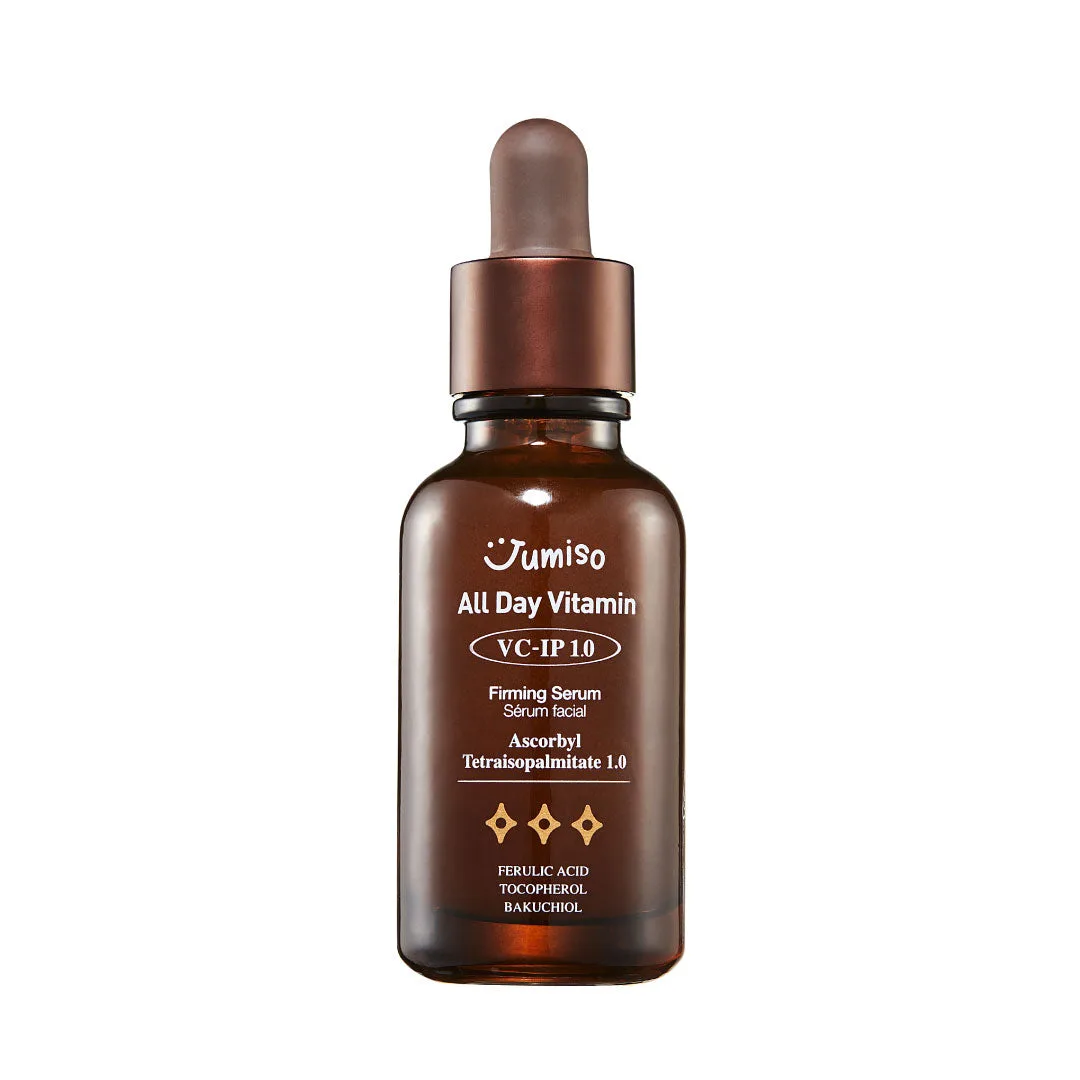


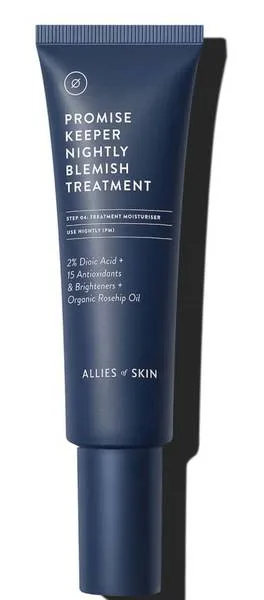


How to Choose
A dark spot is a small archive of something that already happened to your skin — a healed breakout, a freckle that a summer deepened, a patch the sun singled out — and vitamin C fades it by interrupting the melanin overproduction that keeps the mark visible. Where broad discoloration calls for an all-over approach, individual dark spots are discrete and stubborn, which changes the strategy: you want a brightener concentrated enough to work on a defined area and the patience to let it lift pigment one layer at a time.
Vitamin C is a strong starting active because it both inhibits tyrosinase and protects against the UV that darkens existing spots further, but the most effective products in this category rarely rely on it alone. They pair it with targeted brighteners — niacinamide, tranexamic acid, kojic acid, and licorice in Hero Cosmetics' Mighty Patch for Dark Spots ($13), or glutathione and arbutin in Some By Mi's Galactomyces toner ($22). The reality check worth hearing up front: post-acne marks and superficial sun spots respond well over 8 to 12 weeks, but spots that sit deeper in the skin fade slowly and partially, and none of it holds without daily sunscreen guarding the spots you've already lightened. Look for a named active at a real strength, resist the urge to overload a single spot with harsh actives that can trigger fresh marks, and let consistency do the work. Vitamin C is the dependable engine of spot-fading — patient, evidence-backed, and most powerful when it isn't working alone.
Buying Guide
Treat dark spots as defined targets rather than a whole-face tone problem, and choose accordingly. The strongest products combine vitamin C with complementary spot-faders — niacinamide, tranexamic acid, kojic acid, alpha-arbutin, or licorice root — because layered mechanisms clear discrete pigment faster than one ingredient can. Prefer a format that suits your spots: a serum or cream for several scattered marks, a targeted patch or treatment for one or two persistent ones. Check that the active is named and present at a meaningful strength rather than buried as a token inclusion. Crucially, fold in gentle exfoliation or a retinoid to speed turnover, since fading pigment has to physically shed, and avoid aggressively over-treating a single spot — irritation can leave a fresh post-inflammatory mark in its place. Above all, commit to daily SPF; sun exposure re-darkens existing spots faster than any serum lightens them. Effective options here run $13–$28, so results come from consistency, not spending.
Frequently Asked Questions
Can vitamin C remove dark spots completely?
Vitamin C reliably fades superficial dark spots like post-acne marks and surface sun spots, but it lightens rather than fully erases pigment that sits deeper in the skin. For complete clearance of stubborn or deep spots, dermatologists often combine topical brighteners with in-office treatments such as chemical peels or lasers.
How long does vitamin C take to fade a dark spot?
Most superficial dark spots show visible fading after 8 to 12 weeks of consistent use, while deeper marks can take several months or only partially resolve. Daily sunscreen is essential throughout, because UV exposure re-darkens spots faster than vitamin C can lighten them.
Is a vitamin C serum or a spot patch better for dark spots?
A serum or cream suits multiple scattered spots because it treats a broad area, while a targeted patch or treatment concentrates brighteners on one or two persistent marks. Many people use both — an all-over brightening serum plus a spot treatment on the most stubborn marks.
Will vitamin C work on dark spots without sunscreen?
Not effectively — without daily SPF, sun exposure continually re-stimulates the melanin that creates dark spots, undoing the fading vitamin C achieves. Sunscreen isn't optional in spot treatment; it's what protects every bit of progress the vitamin C makes.