Best Vitamin C for Anti-Aging
Updated September 2026 · independently researched, no sponsored placements
Our top 19 picks, ranked from 544 reviewed products — ordered by each product's aging verdict, then evidence strength.





How to Choose
The best vitamin C for anti-aging works two jobs at once: it neutralizes the free radicals UV light generates during the day, and it's a required cofactor your skin uses to build collagen. That dual role is why it's one of only three actives — alongside retinoids and sunscreen — with real evidence behind the anti-aging claim.
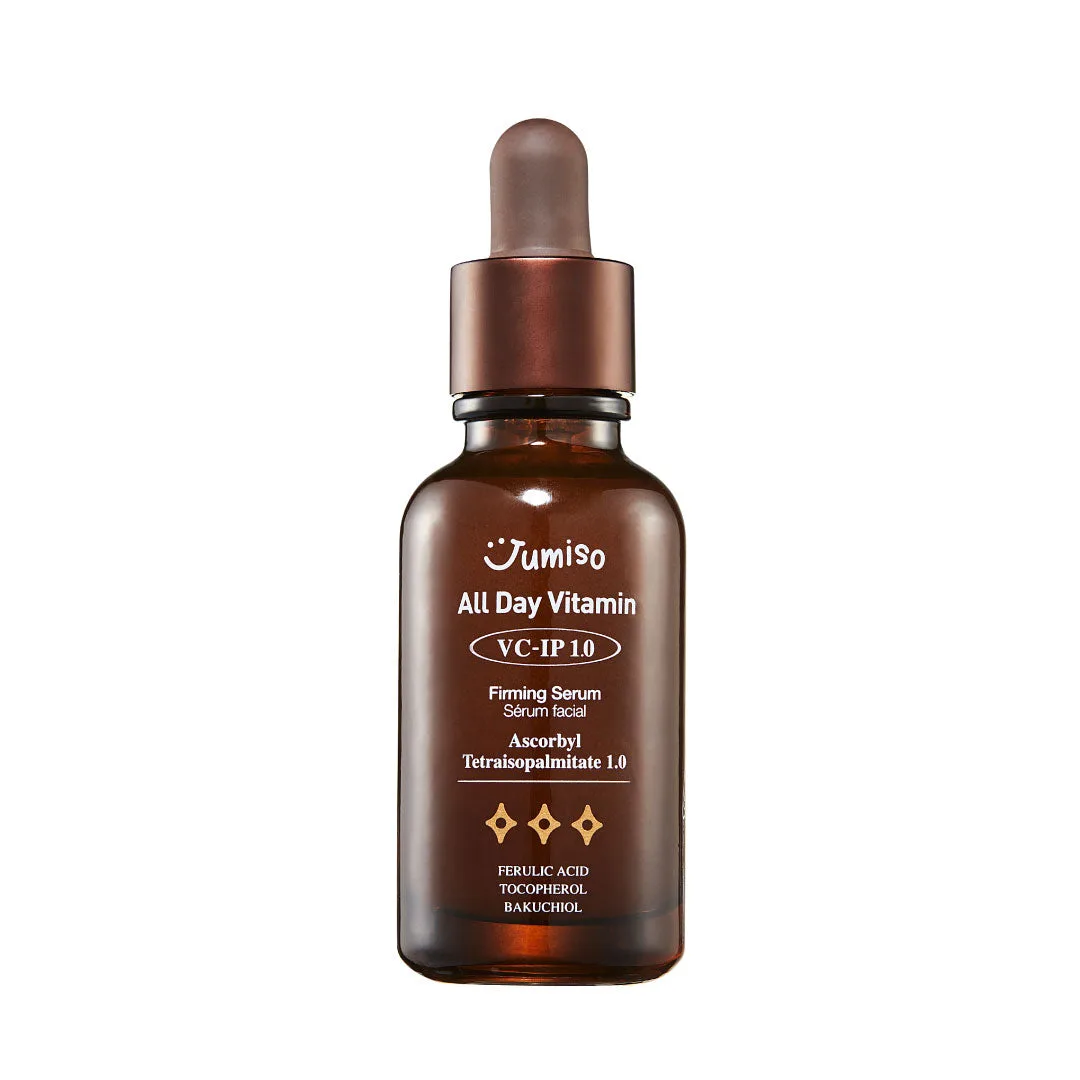
But vitamin C is also the most mishandled ingredient in skincare, because the gold-standard form, L-ascorbic acid, is notoriously unstable and oxidizes into a useless brown liquid the moment it meets air and light. So the real question isn't whether a serum contains vitamin C; it's whether the formula keeps it stable long enough to work. The classic fix is the antioxidant trio — vitamin C, vitamin E, and ferulic acid — which both stabilizes the L-ascorbic acid and boosts its photoprotection. 's Bright Icon serum copies that exact CE Ferulic architecture for $22, and The Ordinary's Multi-Antioxidant Radiance Serum at $14 proves you don't need to spend $170 to get a stable, effective preventive step. If your skin reacts to high-strength L-ascorbic acid, look to gentler stabilized derivatives — Jumiso's VC-IP serum uses one — which trade a bit of potency for tolerability. One honest caveat: vitamin C is preventive far more than corrective. It protects the collagen you have and slows new damage, but it won't erase deep wrinkles on its own. Pair it with a morning sunscreen, give it a couple of months, and store it somewhere dark — an oxidized serum is just expensive water.
Buying Guide
Decide first which form fits your skin. L-ascorbic acid (usually 10–20%) is the most studied and potent but can sting and oxidizes fast; stabilized derivatives like VC-IP or sodium ascorbyl phosphate are gentler and more shelf-stable, ideal for sensitive or reactive skin. Whatever the form, look for the stabilizing supporting cast — vitamin E and ferulic acid (the CE Ferulic combination) extend potency and amplify UV protection, which is why e.l.f.'s and Skinfix's serums punch above their tier. Packaging is a real buying criterion here, not an afterthought: choose opaque or dark glass with an airtight pump, and treat a serum that's turned dark amber as expired. On price, $14–$24 buys genuinely effective formulas; the premium tiers buy elegance and brand, not better antioxidant chemistry. Use it in the morning under sunscreen for the photoprotection payoff, and avoid layering it in the same routine step as a strong exfoliating acid, which can increase irritation.
Frequently Asked Questions
Should I use vitamin C in the morning or at night for anti-aging?
Morning is the stronger play, because vitamin C's antioxidant action defends against the free radicals UV exposure generates throughout the day, and it measurably boosts your sunscreen's protection. You can use it at night too, but you'll get more anti-aging value pairing it with daytime SPF. Apply it on clean skin before your moisturizer and sunscreen.
How do I know if my vitamin C serum has gone bad?
L-ascorbic acid oxidizes when exposed to air and light, turning from clear or pale yellow to dark amber or brown — once it's brown, it's largely inactive. A faint yellow tint is normal, but a deep orange-brown color or a metallic smell means it's time to replace it. Buying serums in opaque, airtight packaging and storing them away from sunlight slows this considerably.
Is L-ascorbic acid better than vitamin C derivatives for aging?
L-ascorbic acid is the most clinically studied form and the benchmark for collagen support, so it's the strongest choice if your skin tolerates it. But derivatives like THD ascorbate (VC-IP) or sodium ascorbyl phosphate are far more stable and gentler, which makes them the smarter pick for sensitive skin that stings from pure ascorbic acid. A consistently used derivative beats an irritating serum you abandon.
Can vitamin C actually reduce wrinkles, or just prevent them?
It does both, but it's far more powerful as a preventive: it protects existing collagen and supports the synthesis of new collagen over months of use. For deep, established wrinkles, a retinoid does the heavier corrective work, and vitamin C complements it. Expect brighter, more even tone within weeks and subtle firmness over 8 to 12 weeks of consistent use.