Best Tranexamic Acid for Melasma
Updated September 2026 · independently researched, no sponsored placements
Our top 40 picks, ranked from 78 reviewed products — ordered by each product's melasma verdict, then evidence strength.


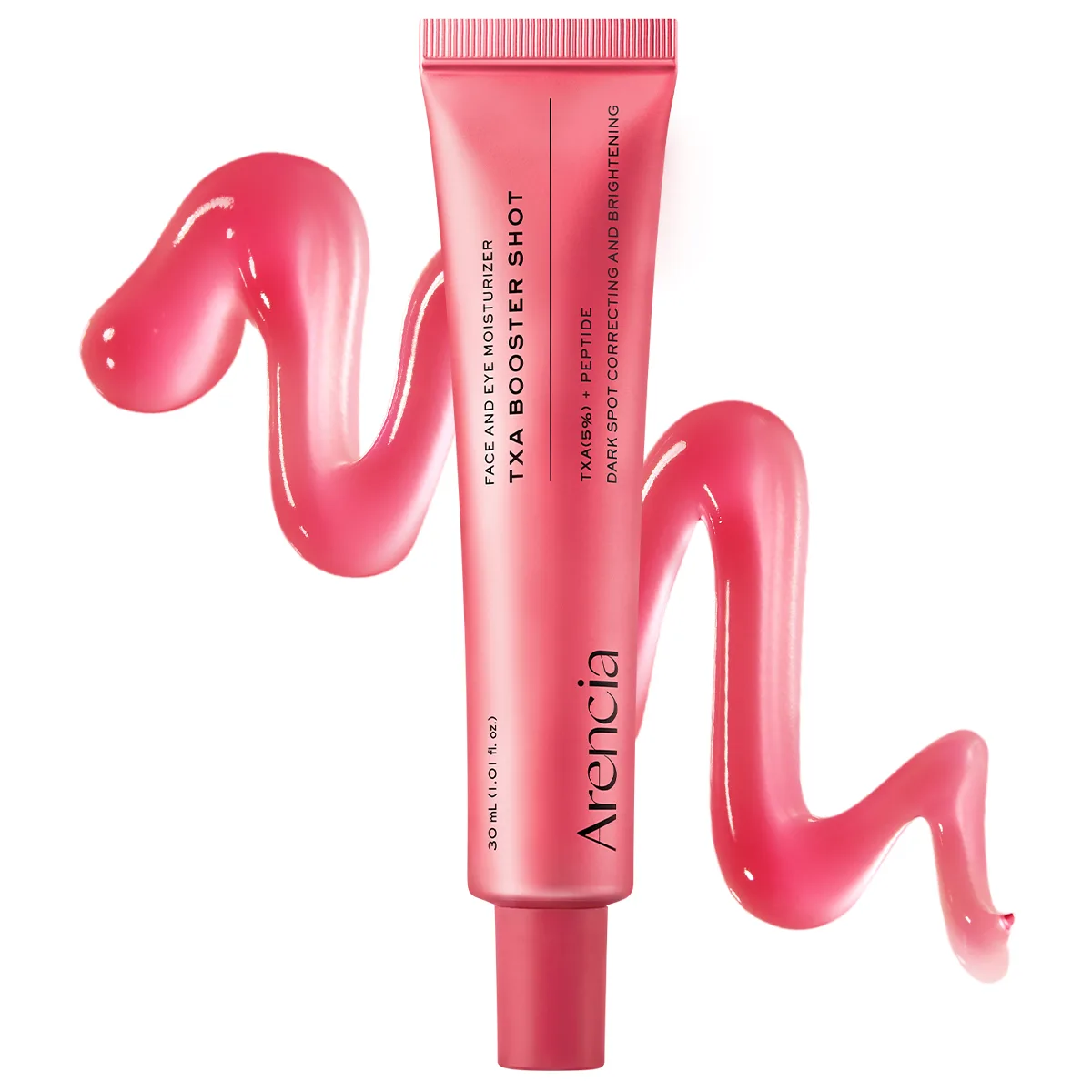


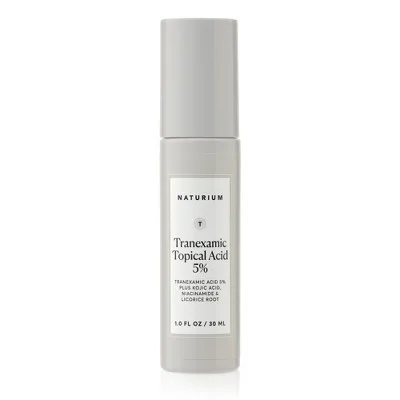


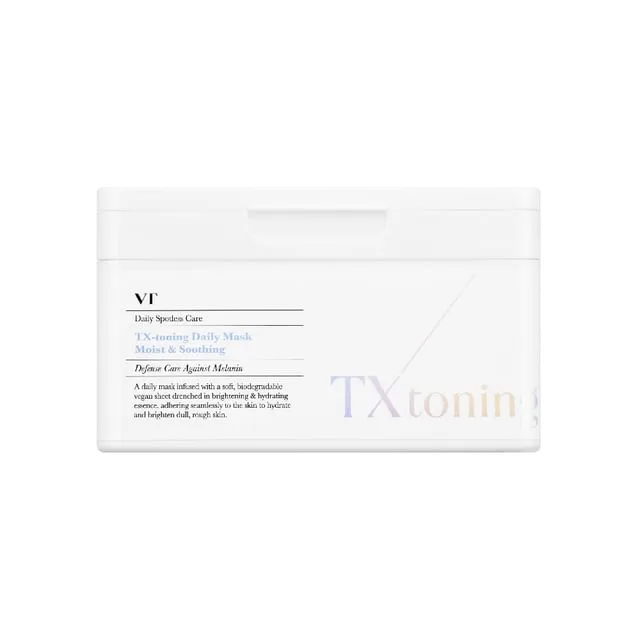




How to Choose
Tranexamic acid has become a go-to for melasma because it targets the one thing that makes this pigmentation so relentless — the cross-talk between blood vessels, inflammation, and pigment cells that keeps melasma flaring long after a tan would fade. Melasma is its own beast.
Unlike ordinary sun spots, it's chronic, often hormone-driven (pregnancy and the pill are classic triggers), and notoriously prone to relapse the moment your guard drops. Heat and visible light, not just UV, can reignite it, which is why so many people feel like they're fighting a losing battle. Topical tranexamic acid helps tip the odds: it dampens the signaling that recruits melanocytes, and it tends to play especially well with melasma's tendency toward redness and inflammation. The realistic plan is to use it as part of a brightening stack — the strongest picks here pair it with niacinamide, alpha-arbutin, vitamin C, or licorice root, like Versed's Stroke of Brilliance ($20) or the budget Hada Labo Shirojyun lotion ($16). What to look for is tranexamic acid in a leave-on serum or toner alongside those partners; what won't move the needle is any of it without obsessive sun protection. Here's the honest part: topical tranexamic acid manages melasma, it doesn't cure it, and stubborn cases sometimes need a dermatologist's help (including prescription oral tranexamic acid in select patients). Daily broad-spectrum SPF — ideally a tinted, iron-oxide formula that also blocks visible light — matters more than any single serum. Give it 8 to 12 weeks, expect maintenance rather than a finish line, and don't assume the $160 option beats the $20 one.
Buying Guide
For melasma, choose tranexamic acid in a leave-on serum, ampoule, or toner and look for it stacked with complementary brighteners — niacinamide, alpha-arbutin, vitamin C, licorice root, or glutathione — since multi-pathway formulas tend to outperform any single active on this stubborn pigment. Favor gentle, soothing formulas, because melasma often has an inflammatory, easily-irritated character and aggressive actives can worsen it. The non-negotiable companion isn't in the serum at all: a daily broad-spectrum sunscreen, and for melasma specifically a tinted, iron-oxide-containing SPF that also screens visible light, which UV-only filters miss. Manage heat exposure too, since saunas, hot yoga, and even cooking heat can trigger flares. Set expectations for maintenance rather than cure — relapse is common, so consistency matters more than intensity. If topical care stalls, a dermatologist can add options like prescription oral tranexamic acid or in-office treatments. On price, the $16–$28 stacks here are effective; the premium serums buy elegance and extra actives, not categorically better results.
Frequently Asked Questions
Does topical tranexamic acid really work for melasma?
Yes, topical tranexamic acid has good support for lightening melasma, particularly because it targets the vascular and inflammatory signaling that keeps melasma active rather than just slowing pigment production. It works best within a brightening routine and alongside strict sun protection, and results build over a couple of months rather than appearing quickly.
Why does my melasma keep coming back?
Melasma is a chronic, relapsing condition driven by hormones, UV, heat, and even visible light, so it tends to return whenever sun protection lapses or hormonal triggers persist. That's why management focuses on consistent tranexamic acid use plus rigorous daily sunscreen and heat avoidance — treatment controls it, but it rarely disappears for good.
What sunscreen is best to use with tranexamic acid for melasma?
A tinted, broad-spectrum sunscreen containing iron oxides is ideal, because iron oxides block visible light that ordinary UV filters let through and that specifically aggravates melasma. Apply it daily and reapply, since for melasma sun protection is more important to your results than the brightening serum itself.
Should I take oral tranexamic acid for melasma?
Oral tranexamic acid can be effective for stubborn melasma, but it's a prescription decision made with a dermatologist because it carries clotting-related contraindications and isn't suitable for everyone. Start with topical tranexamic acid and sun protection, and consider the oral route only under medical supervision if topical care isn't enough.
- MelasmaThe Melasma Maintenance Problem: Treating Is Easy, Holding Is HardIn the largest maintenance trial of its kind, 78.8% of patients cleared in eight weeks and only 53% were still clear six months later — and the thing that predicted relapse was not how well they cleared.
- MelasmaScoring Melasma: What MASI Catches That Your Mirror Doesn'tThe trial that gave dermatology its melasma score needed forty weeks to move it by a third — which is exactly how long people don't wait.