
First Aid Beauty Routine for Sensitive Skin: Every Step Covered
Updated September 2026 · picks refresh with our database
About First Aid Beauty All First Aid Beauty reviews →
First Aid Beauty was founded in 2009 by Lilli Gordon and acquired by Procter & Gamble in 2018. An early sensitive-skin specialist, its allergen-conscious formulations are well-regarded, though the brand relies on established soothing ingredients rather than proprietary clinical research.
Reactive skin shrinks your shopping list fast, which is precisely the problem First Aid Beauty was created to solve. Founder Lilli Gordon, a finance-trained math major, spotted an empty middle in 2009: clinical brands were joyless, prestige brands chased anti-aging, and almost nobody made genuinely pleasant products for skin that flushes, stings, and overreacts. Her answer was an allergen-conscious catalog built on colloidal oatmeal and other time-tested soothers — one solid enough that Procter & Gamble acquired the brand in 2018. The real promise of an all-FAB routine is a negative one: nothing in it is likely to set your face off.
The catalog's shape reflects that mission. Barrier-repair moisturizers and rich creams are the heart of the line, cleansers skew creamy and gentle, and the small mineral-leaning sunscreen selection was clearly formulated with reactive skin in mind. The treatment shelf looks deep on paper, but much of it is masks, pads, and eye products rather than concentrated actives, and the dedicated serum bench is only a couple of bottles — no great loss for a dryness-and-sensitivity routine, and where the catalog genuinely can't fill a step, an outside pick gets swapped in automatically.
Stick with one brand here if your skin punishes experimentation and you'd rather trade potency for predictability. Mix brands once your barrier is stable and you want stronger tools — high-dose vitamin C, serious retinoids, a wider sunscreen wardrobe — because those live largely outside FAB's deliberately cautious comfort zone.
First Aid Beauty Routine for Sensitive Skin: Every Step Covered
dermapproved.com/routines/first-aid-beauty/ · September 2026
Morning Routine
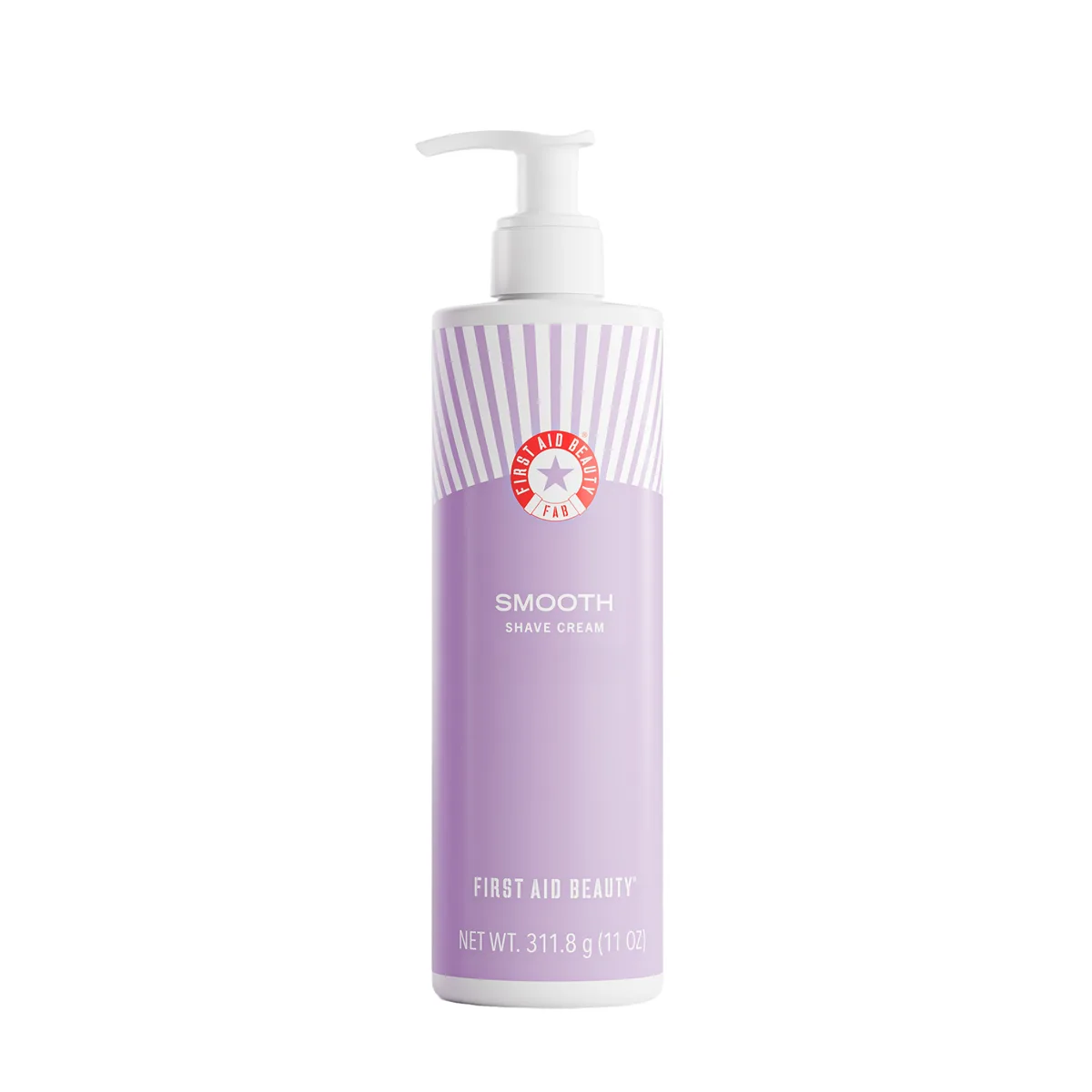
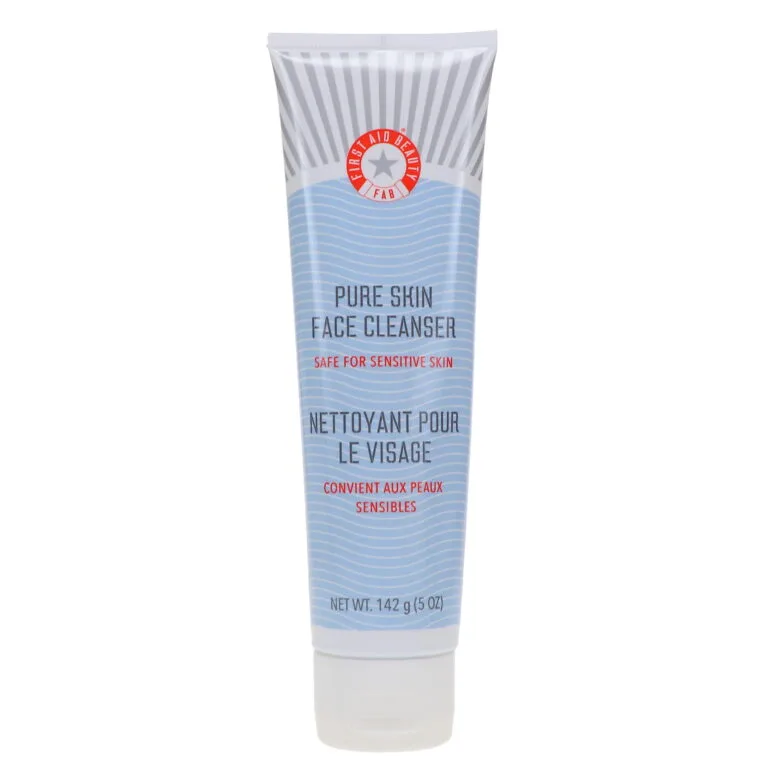


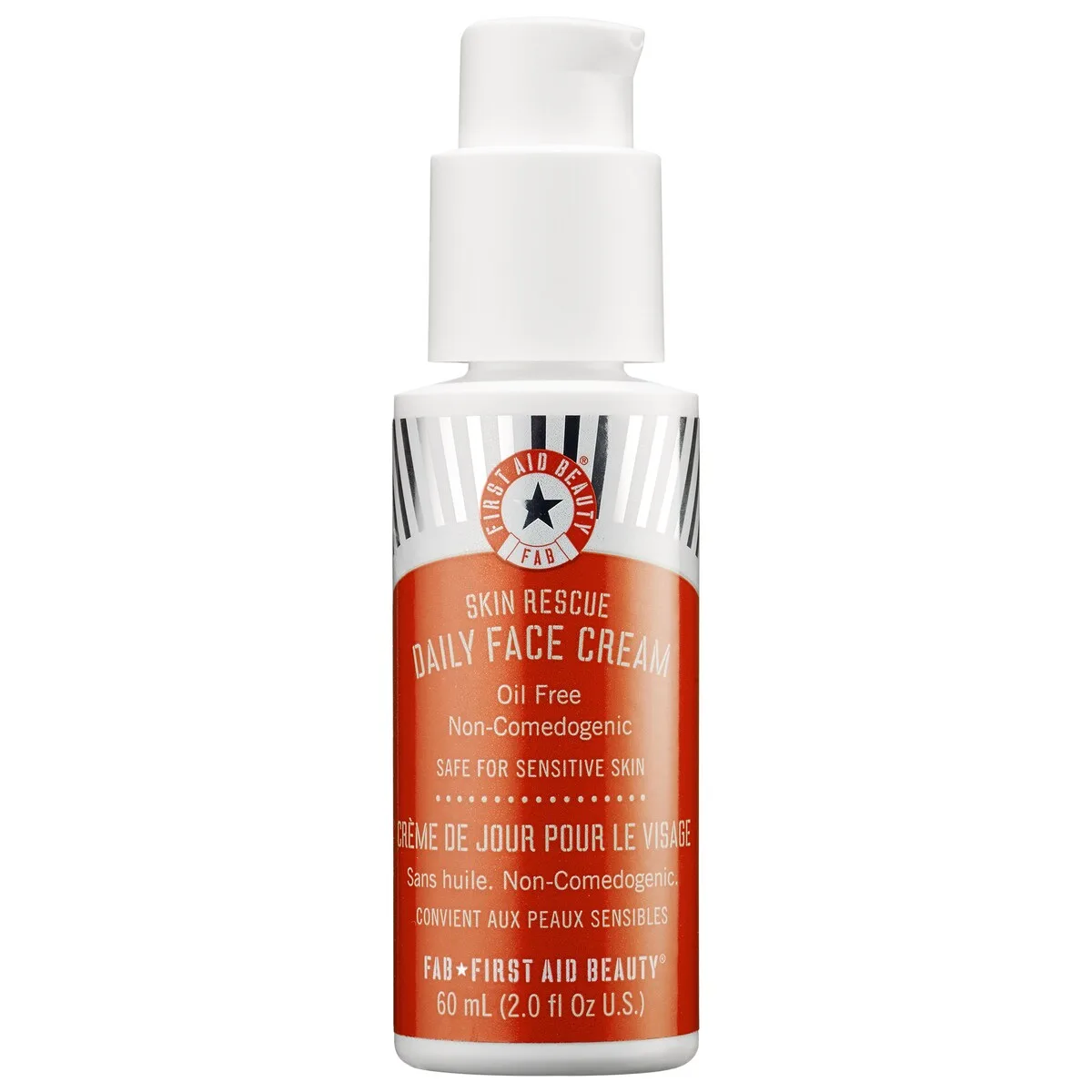

Sunscreen
First Aid Beauty
First Aid Beauty Weightless Liquid Mineral Sunscreen with Zinc Oxide SPF 30
Final morning step — apply generously and reapply every two hours in direct sun.
The honest swap
This step is done meaningfully better outside the brand:
Beauty of Joseon Daily Relief Sunscreen SPF 40 (Good choice for sensitivity)


Evening Routine
Cleanser First Aid Beauty Ultra Gentle Cream-to-Foam Face Cleanser with Colloidal Oatmeal + Glycerin — same as your morning cleanser

Treatment
First Aid Beauty
First Aid Beauty Ultra Repair Hydrating Pillow Pads with Colloidal Oatmeal + Ceramides


Moisturizer First Aid Beauty Ultra Repair Rescue Barrier Balm with Dimethicone — same as your morning moisturizer
Independently scored, no sponsored placements — dermapproved.com
Not quite your skin?
This routine is one profile. Answer six quick questions and our engine rebuilds it around your exact skin type, concerns, budget, and experience with actives.
Frequently Asked Questions
Is First Aid Beauty good for eczema-prone skin?
Its barrier creams lean on colloidal oatmeal, shea butter, and ceramides — the same soothing playbook dermatologists reach for with eczema-prone skin — and the brand formulates around common allergens. It's supportive care rather than treatment, though; flares that don't settle belong with a doctor.
Does First Aid Beauty use fragrance?
Avoiding artificial fragrance and other common irritants is central to how the core range is built — the brand was founded in 2009 specifically for reactive skin that punishes perfumed formulas. A few offshoots carry scent from other sources, so glance at labels, but the safe-by-default posture is genuine.
Can sensitive skin handle First Aid Beauty's exfoliating products?
Generally yes, because they're dosed for exactly that audience — gentler acids cushioned in creamy, oat-heavy bases. Introduce any of them once or twice a week rather than daily, and keep exfoliation off the same night as any other active while your skin calibrates.
What order should a First Aid Beauty routine follow?
Cream cleanser, then serum if you use one, then moisturizer, then sunscreen in the morning — the standard thin-to-thick sequence. The evening version simply drops the SPF and can end with the richest balm pressed onto any raw or flaky patches.
Do I need other brands alongside First Aid Beauty?
For barrier repair and daily comfort, no — that's the catalog's core competence. The serum shelf is only a couple of products deep, though, and strong actives like high-dose vitamin C or serious retinoids sit outside the brand's cautious remit, so those goals eventually mean mixing.
Products are selected by our matching engine from independently scored reviews — no sponsored placements. Recommendations are not a substitute for professional dermatological advice; if you have a diagnosed skin condition, consult your dermatologist before starting a new routine.