Homemade Sunscreen Fails for a Reason You Cannot Fix in a Kitchen
Every other DIY mistake announces itself. This one stays silent for eight hours, and the equipment that would prevent it does not fit on a countertop.
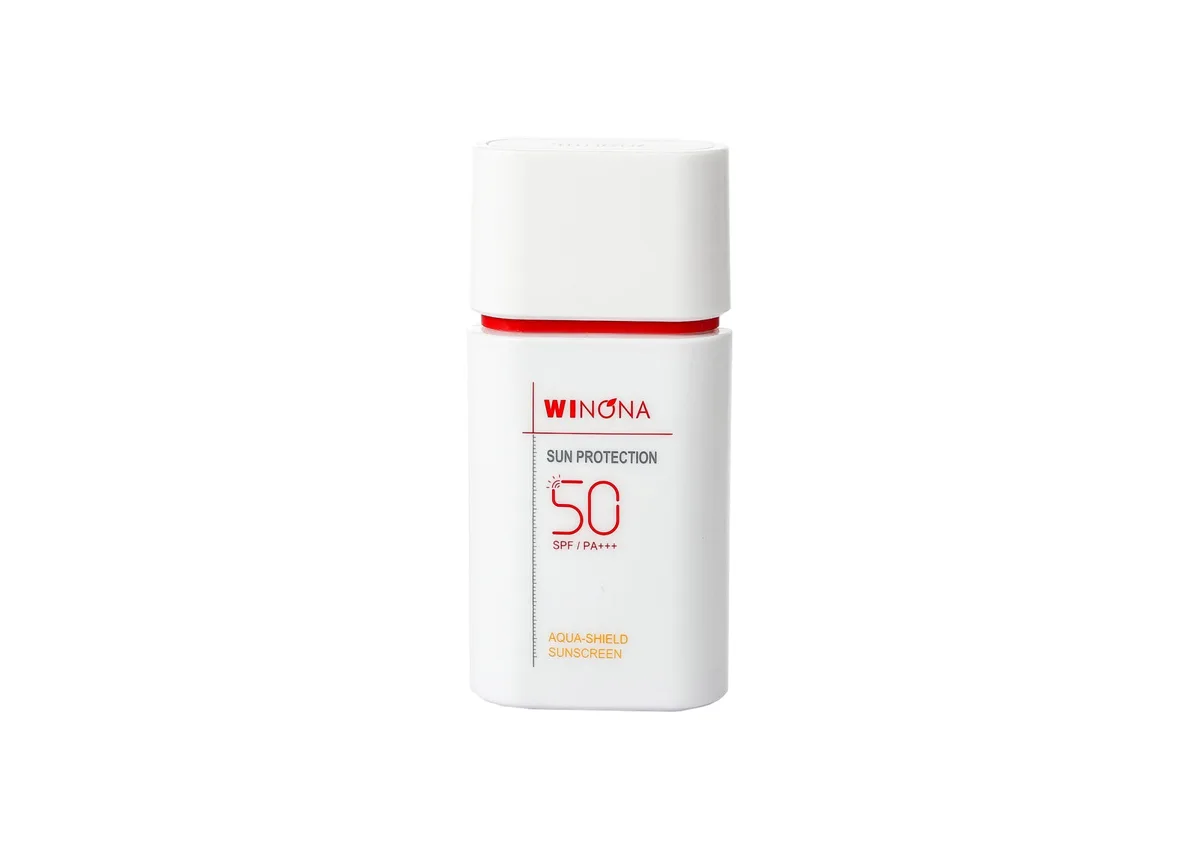
Sensitive-skin sunscreens usually force a choice between chalky all-mineral formulas and lighter all-organic ones that sting. This one runs zinc oxide and titanium dioxide alongside octinoxate and bemotrizinol in a fragrance-free, alcohol-free water-in-silicone milk, so it feels like a light chemical sunscreen and behaves like a mineral one on reactive skin. The purslane, bisabolol and carnosine are the same anti-redness bench Winona uses in its clinic-channel creams.
A hybrid sunscreen engineered for skin that stings: minerals plus two well-tolerated organic filters in a fragrance-free, alcohol-free milk that feels light and stays put. Reactive and rosacea-prone skin gets a daily SPF that doesn't burn, with Winona's purslane bench along for the ride. The US price is high for 50 g and the SPF figure is the brand's own claim.
No independent review base exists for this sunscreen outside China; Winona's overseas store lists none and the Amazon pages could not be read when this was written, so nothing here leans on crowd feedback. The judgment rests on the declared formula, whose filter chemistry is well documented, and on the brand's clinic-channel standing at home. The SPF 50 PA+++ and water-resistance figures are the manufacturer's measurements under Chinese testing rules, with no independent laboratory result published.
The case for it
Same rule for everyone. “Full protection” is the verdict on 2,288 of 45,024 concern verdicts across the catalog; rule P1 decided 2,232 of them. As of September 25, 2026, engine 5.1.1.
Brand or formulator? Disclose a concentration or correct a fact →
The studies behind the evidence row
The case for it
What would change this: A researched evidence row for the lead active would replace this with a verdict.
Same rule for everyone. “Good choice” is the verdict on 1,938 of 45,024 concern verdicts across the catalog; rule F2 decided 1,938 of them. As of September 25, 2026, engine 5.1.1.
Brand or formulator? Disclose a concentration or correct a fact →
The case for it
What would change this: A researched evidence row for the lead active would replace this with a verdict.
Same rule for everyone. “Supporting role” is the verdict on 8,197 of 45,024 concern verdicts across the catalog; rule R8 decided 4,250 of them. As of September 25, 2026, engine 5.1.1.
Brand or formulator? Disclose a concentration or correct a fact →
The case for it
What would change this: A researched evidence row for the lead active would replace this with a verdict.
Same rule for everyone. “Full protection” is the verdict on 2,288 of 45,024 concern verdicts across the catalog; rule P1 decided 2,232 of them. As of September 25, 2026, engine 5.1.1.
Brand or formulator? Disclose a concentration or correct a fact →
Does the jobDoes what a sunscreen is for: UVA coverage, kind to the skin wearing it. Not measured from the label: pleasant enough to actually use.
A verdict is DermApproved’s assessment of how well a product’s ingredients fit a concern — never a claim about what the product treats. Evidence dots and collected reviews sit beside it and are never blended in. Rules 0.5.1 · evidence table ev-2026.09-r228 · how we decide
Winona is not a brand most Western shoppers encounter in a beauty aisle. In China it lives somewhere stranger and more interesting: dermatology departments, where it is recommended alongside prescriptions to patients with rosacea, eczema and the kind of reactive skin that flares at a change in weather. A sunscreen built for that clientele has a different brief from one built for a beach. It cannot sting. It cannot carry fragrance or alcohol. It has to be light enough that someone with a compromised barrier will actually wear it every day, and stable enough to hold through the heat and humidity of a Kunming summer. The Aqua-shield Sunblock Milk is Winona's answer to that brief, and it reads like one.
The filter system is the first sign of that thinking. Zinc oxide sits third on the list and titanium dioxide tenth, giving the formula a mineral floor of the sort sensitive-skin sunscreens usually rely on entirely. But rather than pile on minerals until the SPF reaches 50 and the finish turns to chalk, Winona adds two organic filters: octinoxate for UVB and bemotrizinol, the photostable European triazine, for broad-spectrum coverage and to keep the octinoxate from degrading. What is missing matters as much as what is there. No avobenzone, no octocrylene, the two organic filters most often implicated when sunscreens sting, and no fragrance, no alcohol and no colourants. The result is a formula that behaves like a mineral sunscreen on reactive skin and feels like a light chemical one on the face.
The feel is the second sign. This is a genuinely runny milk that has to be shaken before use, spreading with a silicone glide and drying in about a minute to a soft, semi-matte, dry-touch film. Isododecane and a light alkane thin it, a silsesquioxane powder and nylon blur it, and a film-forming polymer keeps it in place through sweat; Winona claims water resistance for a long stretch and the few overseas accounts of wearing it in heat agree it stays put. There is a brief whitish tint on blending that disappears on fair to medium skin within a minute and lingers faintly on deeper tones, which is the honest price of the minerals. It is not a glow finish and not a full matte, just skin with the shine taken down.
Then comes Winona's house botanical bench, the part that separates this from a well-made generic hybrid. Portulaca oleracea, purslane, is the brand's signature, a Yunnan plant extract with anti-inflammatory data that runs through its hospital-channel repair creams, and here it is joined by bisabolol, ginger root, dandelion, tocopherol and carnosine. The idea is simple: a sensitive face outdoors flushes from heat and UV even when it is protected from burning, and the soothing set is there to take the edge off that flush. The carnosine, an antioxidant dipeptide, and the tocopherol are on cleanup duty for the free radicals the filters let through. Early overseas users with rosacea describe exactly the outcome the bench is meant to produce, a day in the sun without the evening redness, and that, more than any single filter, is the product's best argument.
Now the reservations, which are real. The first is price. At the US brand store this is a forty-dollar sunscreen for 50 grams, and at a proper quarter-teaspoon dose every morning that bottle is gone in six or seven weeks. Winona also advises using it within six months of opening, since it forgoes traditional preservatives; the two figures line up, but they mean a full-year habit runs to several hundred dollars. In China this is priced as a pharmacy product; the export markup is steep, and third-party importers list the same bottle at anything from the mid-twenties to above the brand's own price. The second reservation is the SPF label. SPF 50 PA+++ is a Chinese-market claim measured under Chinese testing, and while the filter combination is entirely capable of the number, no independent lab has published a measurement, and the sunscreen category has a documented history of imported products under-delivering when tested outside. Hold the number as a manufacturer claim.
Smaller caveats: the silicone-heavy base needs an oil or balm cleanser to remove properly, and it gives a slight slip under foundation that a sponge handles better than fingers. The ester emollients and the sheer silicone load rule it out for fungal-acne-prone skin, and very oily skin may prefer something with more powder. Octinoxate puts it outside reef-safe rules where they apply.
What this adds up to is a sunscreen that does a specific, valuable thing very well. For sensitive, rosacea-prone or barrier-compromised skin that has given up on sunscreen because everything stings, this is one of the more convincing daily options: a hybrid that avoids the usual triggers, feels light, resists sweat and comes with a soothing bench that has real clinical pedigree in the brand's home market. It is not a bargain in the US, and its SPF should be trusted the way any imported label is trusted, which is provisionally. But the patients it was designed for will recognise immediately why it exists, and for them the price is the only serious argument against it.
The hero actives that drive this product's performance.
| Ingredient | Function | Evidence |
|---|---|---|
| Zinc Oxide + Titanium Dioxide | The physical half of the 'dual' filter system, with zinc oxide third on the list and coated for a water-in-silicone base; they give the formula its long-UVA floor and are the reason Winona can pitch it at sensitive skin that reacts to all-organic sunscreens, at the cost of a slight whitening on first blend. | Regulator-approved for Sun Damage · limited certainty |
| Octinoxate (Ethylhexyl Methoxycinnamate) | The organic UVB filter placed fourth, doing most of the SPF 50 number that minerals alone would need a much heavier load to reach; it is photounstable on its own and depends on the bemotrizinol further down to hold its absorbance across a day. | Regulator-approved for Sun Damage · emerging certainty |
| Bemotrizinol (Bis-Ethylhexyloxyphenol Methoxyphenyl Triazine) | The photostable broad-spectrum organic filter that completes the set, stabilising the octinoxate and adding UVA coverage on top of the minerals; the four filters together are what earn the PA+++ and let the mineral load stay light enough to avoid a chalky finish. | Regulator-approved for Sun Damage · limited certainty |
| Portulaca Oleracea (Purslane) Extract | Winona's signature Yunnan botanical, the anti-redness ingredient carried across from its sensitive-skin creams, here to soften the flushing that heat and UV provoke in reactive skin during a long day outdoors. | Not yet assessed |
| Carnosine + Bisabolol | The repair-and-soothe pairing behind the 'prevents darkening' claim: carnosine is an anti-glycation and antioxidant dipeptide that mops up the free radicals the filters let through, while bisabolol calms the low-grade inflammation that drives post-sun pigmentation in sensitive, easily marked skin. | Not yet assessed |
Ingredient standings describe the active at treatment-level doses and vehicles; this product's own condition grades weigh its actual formula.
Water, Dimethicone, Zinc Oxide, Ethylhexyl Methoxycinnamate, Isohexadecane, Isododecane, C9-12 Alkane, C12-15 Alkyl Benzoate, Cyclopentasiloxane, Titanium Dioxide, Glycerin, Pentylene Glycol, Vinyl Dimethicone/Methicone Silsesquioxane Crosspolymer, Nylon-6/12, Lauryl PEG-9 Polydimethylsiloxyethyl Dimethicone, Dicaprylyl Carbonate, PEG-9 Polydimethylsiloxyethyl Dimethicone, Bis-Ethylhexyloxyphenol Methoxyphenyl Triazine, Phenethyl Benzoate, Cetyl PEG/PPG-10/1 Dimethicone, Portulaca Oleracea Extract, Artemia Extract, Bisabolol, Zingiber Officinale (Ginger) Root Extract, Taraxacum Officinale (Dandelion) Rhizome/Root Extract, Carnosine, Tocopherol, Hydrogenated Dimer Dilinoleyl/Dimethylcarbonate Copolymer, Butylene Glycol, Disteardimonium Hectorite, Propylene Carbonate, Triethoxycaprylylsilane, Sodium Chloride, Aluminum Hydroxide, Polyhydroxystearic Acid, Stearic Acid, Coco-Caprylate/Caprate, Disodium EDTA, Ethylhexylglycerin
sunscreen
AM
Shake, then apply as the last morning step over a fully set moisturizer; it leaves a slight silicone slip, so wait a minute before makeup and use a sponge for foundation. Reapply every two hours in sun, and remove at night with an oil or balm cleanser since the water-resistant film ignores plain foaming wash.
Protection is immediate and the finish settles within a minute. The purslane and bisabolol reduce the heat-flush of a day outdoors from the first wear; any effect on pigmentation is the slow, cumulative reward of consistent daily sun protection rather than a visible change from the botanicals themselves.
The design logic here is well supported by the sunscreen literature. Zinc oxide provides broad UVA and UVB attenuation with the best long-UVA coverage of any single filter, and titanium dioxide adds UVB and short-UVA scattering; both are coated (triethoxycaprylylsilane and aluminium hydroxide appear on the list) to suppress photocatalytic activity and disperse in a water-in-silicone emulsion. Reaching SPF 50 with minerals alone requires a load that produces whitening and a heavy feel, which is the standard reason hybrids exist. Octinoxate is an efficient UVB absorber that photodegrades in sunlight, and bemotrizinol, a photostable broad-spectrum triazine, is a well-documented stabilising partner for it; the four filters together provide the overlapping coverage a PA+++ grade implies. Tolerability rests on omissions as much as inclusions: avobenzone and octocrylene are the organic filters most often reported as causing stinging and contact reactions, fragrance is the leading cosmetic allergen class, and denatured alcohol is a common irritant on barrier-compromised skin. None appears here.
The soothing bench has moderate evidence. Portulaca oleracea extract has anti-inflammatory and antioxidant activity in laboratory work and small clinical studies, several from Chinese dermatology groups associated with the brand, showing reduced erythema in sensitive-skin subjects; that literature is real but not independent of the manufacturer. Bisabolol has established anti-inflammatory data and a long safety record. Carnosine is an antioxidant and anti-glycation dipeptide with in-vitro and limited in-vivo skin data; tocopherol provides lipid-phase free-radical quenching that complements the filters, a mechanism supported by studies pairing antioxidants with sunscreens. Ginger and dandelion root extracts add antioxidant polyphenols with thinner skin-specific evidence.
The SPF 50 and water-resistance figures are manufacturer measurements made under Chinese testing regulations rather than the FDA's protocol, and no independent published measurement exists. The absence of a conventional preservative system, relying on the low-water-activity silicone structure and ethylhexylglycerin, is the reason for the short period-after-opening the brand advises, and is a legitimate formulation trade-off rather than a defect.
For patients with rosacea, atopic skin or a compromised barrier, sun protection is a routine recommendation and adherence is the routine problem, because so many sunscreens sting. Clinical advice for that group typically favours mineral or mineral-leaning formulas that omit fragrance, alcohol and the more reactive organic filters, and a hybrid built on zinc oxide with bemotrizinol and octinoxate, minus avobenzone and octocrylene, fits that guidance well. The addition of anti-inflammatory botanicals is generally viewed as a reasonable adjunct rather than a substitute for the filters themselves. Dermatologists would note that PA+++ and Chinese-tested SPF figures are not directly comparable to US broad-spectrum labelling and would advise the same full-dose, two-hourly reapplication as for any sunscreen. The short six-month period after opening is worth flagging to patients who use sunscreen sparingly, since an expired preservative-free product is a contamination risk on already fragile skin. Patients with Malassezia folliculitis would be steered toward a lighter, ester-free formula.
Shake the bottle well, since the milk separates on standing. Dispense a quarter teaspoon for the face and neck and spread it in thin passes with fingertips, working the brief white tint until it disappears, then give it a minute to set to its dry-touch finish before makeup or leaving the house. Apply it as the last step of the morning routine, over a moisturizer that has fully absorbed. Reapply every two hours in direct sun and after heavy sweating or swimming, pressing the new layer on rather than rubbing. In the evening remove it with an oil or balm cleanser before a gentle wash, since the water-resistant silicone film resists foam alone. Note the opening date on the bottle and finish it within six months.
At the brand's own US price, this is around forty dollars for 50 grams, which at a full daily face dose works out to a bottle every six or seven weeks and puts it among the more expensive daily sunscreens. Third-party importers list it anywhere from the mid-twenties upward, and at the lower end the calculation changes. There is only one size. What you are paying for is a hybrid filter system with a specific, clinically sensible tolerability profile and a soothing bench with real pedigree in the brand's home market; what you are not paying for is independent validation of the SPF or the brand's overseas track record. For reactive skin that has failed on cheaper sunscreens, the premium buys something concrete. For skin that tolerates ordinary sunscreens, it buys very little over a good pharmacy hybrid.
Sensitive, rosacea-prone and barrier-compromised skin that stings with ordinary sunscreens and wants a light, fragrance-free daily SPF that stays put in heat. It suits anyone who prefers a mineral-leaning formula but has found full-mineral sunscreens chalky or heavy.
Budget-conscious daily wearers, for whom the US price and short shelf life add up quickly. Fungal-acne-prone skin, because of the esters and silicone load. Anyone who needs a reef-safe formula or a completely cast-free finish on deep skin tones.
Ready to try Winona Aqua-shield Sunblock Milk?
Buy at Amazon ♥A thin, runny white milk that shakes up from separation and spreads easily with a silicone glide, drying within a minute to a soft, semi-matte, faintly powdery film that feels dry to the touch rather than tacky.
None added; a faint neutral, slightly waxy smell from the silicone base that vanishes on application.
A square white plastic bottle with a red gasket line and a large twist-off cap over a small nozzle, 50 g. Designed to be shaken before use; the small opening meters the runny milk well.
The first application shows a brief whitish tint from the minerals that blends away within a minute on light to medium tones and lingers faintly on deeper ones. Nothing stings, even on freshly flushed cheeks, which is the reason people buy it. The dry-touch finish can feel slightly powdery for the first few wears.
About six to seven weeks at a full quarter-teaspoon face dose every morning, which aligns uncomfortably with the brand's advice to use it within six months of opening.
All Year
Winona built its name in Chinese dermatology departments on sensitive-skin repair creams, and the Aqua-shield milk arrived in 2023 as the sun-protection step for the same patients, formulated as a hybrid to avoid the stinging that its rosacea-prone users reported with organic-only sunscreens. It reached Amazon US and the brand's own overseas store in 2024 and 2025, still carrying the Chinese SPF 50 PA+++ label.
Winona was launched by Botanee in 2008 as a dermatologist-partnered sensitive-skin brand and is sold through hospital dermatology channels across China, with clinical work on its formulas published mainly in Chinese-language journals. Its international footprint and Western clinical literature are much thinner, and its sunscreen SPF figures come from the brand's own testing.
A sunscreen for sensitive skin must be mineral-only.
Stinging from sunscreens is usually down to specific organic filters, fragrance or alcohol rather than the organic category as a whole. This hybrid uses two minerals plus two of the better-tolerated organic filters and drops fragrance and alcohol, which is why it tests gentle on reactive skin without the chalk of a full mineral formula.
Water-resistant for 12 hours means one application lasts all day.
Water-resistance figures measure how well the film survives immersion under test conditions, not how long protection lasts through rubbing, sweating and wiping. Reapplication every two hours outdoors is still the rule for this or any sunscreen.
Both. It combines zinc oxide and titanium dioxide with octinoxate and bemotrizinol, which lets the mineral load stay light enough to avoid a heavy white cast while the organic filters carry the SPF 50. Winona calls this its dual physical-and-chemical complex.
It is built specifically not to. There is no fragrance, no alcohol and no avobenzone or octocrylene, the organic filters most often blamed for stinging, and the base carries purslane and bisabolol to calm heat-flush. Reviewers with reactive skin most often praise exactly this.
Winona formulates without traditional preservatives, relying on the water-in-silicone structure and ethylhexylglycerin for stability, and sets a shorter period-after-opening to be safe. At a proper daily face dose a 50 g bottle is used up in six or seven weeks anyway.
A faint one on first blending that disappears within a minute on fair to medium skin. On deeper tones the zinc oxide and titanium dioxide can leave a slight lightening that some users notice, though it's far less than a mineral-only sunscreen of the same SPF.
With an oil or balm cleanser followed by a gentle wash. The formula is water-resistant by design and contains film-forming silicones, so a plain foaming cleanser on its own tends to leave a residue.
Not directly. PA+++ is the Asian UVA grading and the SPF value comes from the brand's own testing under Chinese regulations, which use a different protocol from the FDA's. The filter combination is capable of the number; treat the label as a manufacturer claim rather than an independently verified one.
Recurring themes our editors read across retailer reviews of this product — summaries in our words, not quotations, and not a substitute for your own patch test.
Gentle on reactive, rosacea-prone skin, per early overseas users
Lightweight, non-greasy milk texture
Fragrance-free and alcohol-free
Expensive per gram in the US
Short six-month shelf life once opened
Silicone slip under makeup