


Hyaluronic Acid Gets the Ad Budget. Glycerin Does the Work.
The cheapest humectant on the ingredient list is also the best-studied, the most reliable in dry air, and the one your favorite moisturizer is quietly built around.
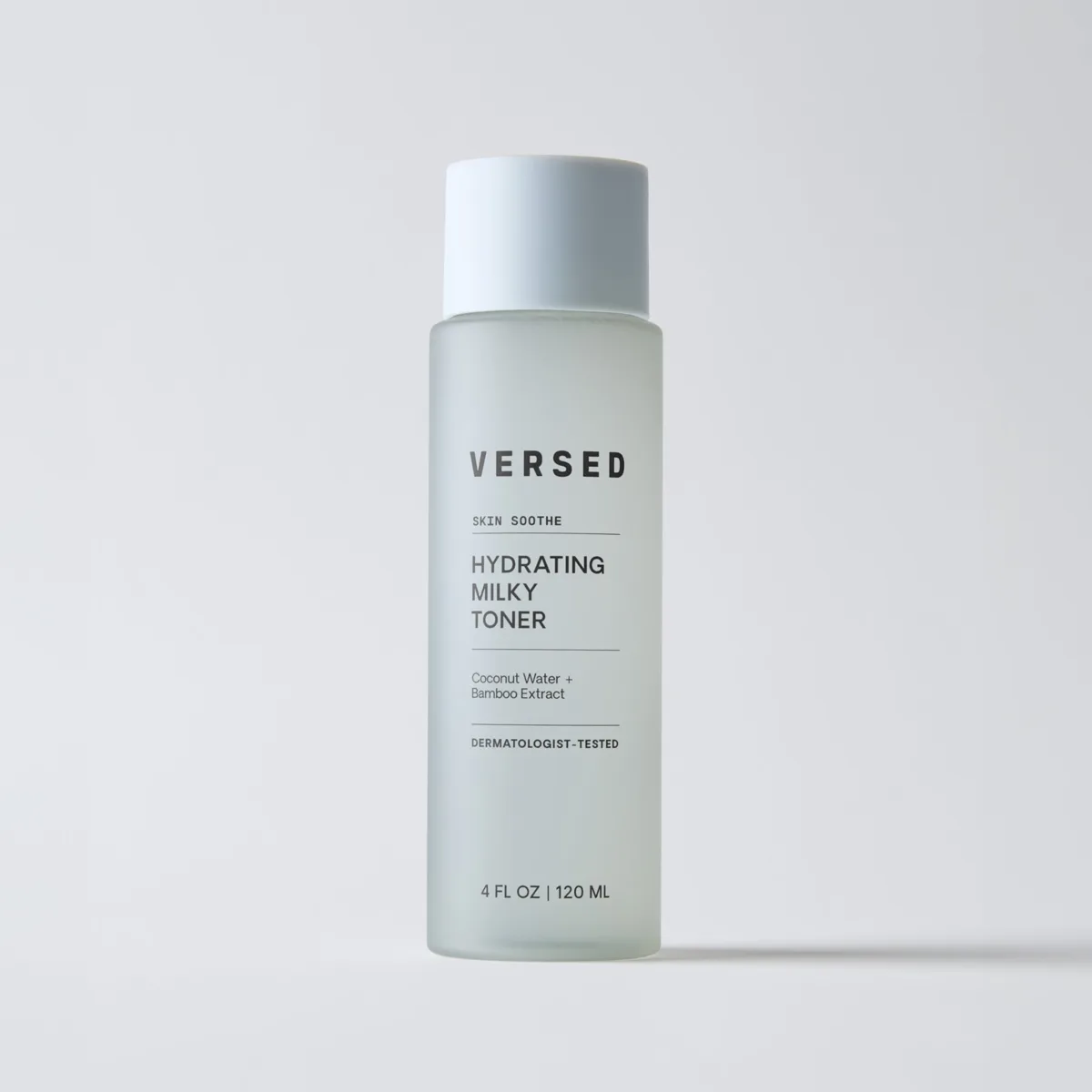
It reframes what a toner is: instead of an astringent that strips and tightens, it's a lightweight milky emulsion built on coconut water, glycerin, and soothing algae and bamboo to add a hydration-and-comfort layer after cleansing. The milky, lightly emollient texture sets it apart from typical watery essences while staying far lighter than a moisturizer.
A gentle, milky hydrating toner that swaps the stripping astringency of old-school toners for coconut water, glycerin, and soothing algae and bamboo. It leaves dry and sensitive skin soft and comfortable rather than tight, and at under fifteen dollars it's solid value. It's a supportive hydration step, not a clarifying or exfoliating one, and the ester base rules it out for fungal-acne-prone skin.
The case for it
Same rule for everyone. “Good choice” is the verdict on 9,564 of 45,024 concern verdicts across the catalog; rule R5 decided 9,072 of them. Unchanged since September 5, 2026, engine 5.1.1.
Brand or formulator? Disclose a concentration or correct a fact →
The studies behind the evidence row
The case for it
Same rule for everyone. “Good choice” is the verdict on 9,564 of 45,024 concern verdicts across the catalog; rule R5 decided 9,072 of them. Unchanged since September 5, 2026, engine 5.1.1.
Brand or formulator? Disclose a concentration or correct a fact →
The studies behind the evidence row
The case for it
What would change this: A researched evidence row for the lead active would replace this with a verdict.
Same rule for everyone. “Good choice” is the verdict on 1,938 of 45,024 concern verdicts across the catalog; rule F2 decided 1,938 of them. Unchanged since September 5, 2026, engine 5.1.1.
Brand or formulator? Disclose a concentration or correct a fact →
Also listed for Compromised Skin Barrier and Winter Skin — the actives here (coconut water, Glycerin, Vitamin E, Algae Extract) are in our research queue for those concerns; there is no verdict until their evidence rows are written. That is a gap in our table, not a mark against the product.
Does the jobDoes what a toner is for: not alcohol-driven, adds something real. Not measured from the label: restores skin pH, plays well with what follows.
A verdict is DermApproved’s assessment of how well a product’s ingredients fit a concern — never a claim about what the product treats. Evidence dots and collected reviews sit beside it and are never blended in. Rules 0.5.1 · evidence table ev-2026.09-r228 · how we decide
If you came of age in the era of the burning, alcohol-soaked astringent toner — the kind that came in a clinical bottle, smelled like a hospital, and left your face so tight you could practically hear it creak — you may have a deeply ingrained and entirely reasonable suspicion of the word 'toner.' For decades, the category's whole identity was punitive: it existed to strip every last molecule of oil from your skin, on the dubious theory that squeaky-clean equaled healthy. It didn't. It mostly equaled a wrecked barrier and rebound oiliness. Versed's Skin Soothe Hydrating Milky Toner belongs to the generation of products quietly rehabilitating the category's reputation, and it does so by being, in almost every respect, the exact opposite of the toner you were warned about.
The first tell is the texture. This isn't a clear, watery astringent — it's a thin, milky-white fluid, lighter than a lotion but with a soft, slightly creamy slip that the 'milky' in the name promises. That texture comes from a deliberately hydrating, lightly emollient build. Coconut water sits high in the formula as a mineral- and electrolyte-rich hydrating base, replacing the old water-and-alcohol foundation with something that actively conditions. Glycerin, the workhorse humectant, draws moisture into the skin. And then there's the soothing contingent the product is named for: algae extract contributing calming polysaccharides and minerals, bamboo leaf extract alongside it, vitamin E in two forms for antioxidant comfort, and a touch of rice bran oil lending the emollient, nourishing finish. The whole formula is engineered to leave skin softer and more hydrated than it found it — the antithesis of stripping.
In use, that translates to a genuinely pleasant, low-drama experience. You smooth or pat it on after cleansing and your skin feels cushioned and comfortable rather than tight. There's no sting, no tingle, no adjustment period — for anyone whose only prior experience of toner was the burning kind, the difference is almost startling. It plays a useful supporting role in a routine: it adds a hydration layer that preps the skin and helps the serums you apply afterward spread and absorb, and it can double as a final swipe to remove any last traces of cleanser. It's fragrance-free, which matters for the sensitive and reactive skin this is clearly aimed at, with only a faint natural whisper from the botanicals.
Let's be clear-eyed about what it is and isn't, though, because the honest framing is essential. This is a hydrating, soothing toner — full stop. It is not a clarifying toner, not an exfoliating toner, not an acid toner. If you're looking for something to dissolve dead skin, unclog pores, or control oil, this is emphatically not that product, and buying it for those purposes will only disappoint you. Its job is comfort and hydration, and within that lane it's good; outside it, it does nothing. Relatedly, the effect is genuinely subtle. A toner is a supporting actor, never the lead — it won't transform your skin, and if you're expecting dramatic visible results from a toning step, you'll find this (like any toner) underwhelming. The right expectation is softer, more comfortable, better-hydrated skin and a smoother base for what follows.
There are two more practical caveats. The first is that the lightly emollient, milky character that makes it so comforting for dry and sensitive skin can feel marginally too rich for very oily skin in hot, humid weather — not heavy, but not the featherweight watery essence an oily-skin minimalist might prefer. The second, and the more important one to flag: this is not fungal-acne safe. The formula contains rice bran oil along with several esters and oleate-based emulsifiers, all of which can feed the malassezia yeast behind fungal acne. If you break out in clusters of small uniform bumps, this isn't your toner, and there's no workaround for that.
On value, it sits comfortably in the win column. Just under fifteen dollars for four ounces of a gentle, well-formulated hydrating toner is fair, and the bottle lasts a couple of months in twice-daily use. You're not paying a premium for the 'clean' label here — Versed's whole proposition is transparent, vegan, fragrance-free formulas at accessible prices, sold without the fear-based marketing that plagues the category — and the formula delivers honest comfort rather than empty claims. It won't change your life, but it was never trying to. It's a competent, affordable, genuinely soothing hydration step, and for the right skin it's a small daily pleasure.
So who is this for? It's for dry, dehydrated, or sensitive skin that wants a gentle moisture-and-comfort layer after cleansing and has been burned (sometimes literally) by harsh toners in the past. It's for people who like the ritual of toning but want a product that gives rather than takes. And it's for anyone building a fragrance-free, sensitive-skin-friendly routine on a budget. Skip it if you wanted exfoliation or oil control, skip it if you're fungal-acne-prone, and otherwise, enjoy a toner that finally treats your skin kindly.
The hero actives that drive this product's performance.
| Ingredient | Function | Evidence |
|---|---|---|
| Cocos Nucifera (Coconut) Liquid Endosperm | Coconut water sits third in the formula as a lightly mineral- and electrolyte-rich hydrating base, replacing the plain water-and-alcohol of an old-school toner with something that actually conditions the skin while it preps it for the rest of your routine. | Not yet assessed |
| Glycerin | The core humectant here, positioned high to draw moisture into the skin and give this milky toner its soft, replenishing feel that distinguishes it from drying clarifying toners. | Established mechanism for Dehydration · established mechanism |
| Tocopherol (Vitamin E) | Appears as both tocopherol and its acetate ester to provide antioxidant protection and help condition the skin, pairing with the rice bran oil and light emollients that give this toner its 'milky' nourishing character. | Not yet assessed |
| Algae Extract | Contributes soothing polysaccharides and minerals that calm reactive skin, reinforcing the 'soothe' in the name alongside the bamboo extract that sits just above it on the list. | Not yet assessed |
| Oryza Sativa (Rice) Bran Oil | A lightweight nourishing oil rich in antioxidants and fatty acids that gives the toner its emollient, slightly milky finish, lending a touch of barrier comfort that a purely water-based toner can't. | Not yet assessed |
Ingredient standings describe the active at treatment-level doses and vehicles; this product's own condition grades weigh its actual formula.
Water (Aqua) (Eau), Propanediol, Cocos Nucifera (Coconut) Liquid Endosperm, Glycerin, Cetearyl Isononanoate, Dicaprylyl Carbonate, Tocopherol, Tocopheryl Acetate, Phyllostachys Bambusoides Leaf Extract, Algae Extract, Oryza Sativa (Rice) Bran Oil, Xanthan Gum, Polyglyceryl-2 Oleate, Polyglyceryl-10 Oleate, Glyceryl Oleate Citrate, Disodium EDTA, Phenoxyethanol, Ethylhexylglycerin, Potassium Sorbate, Sodium Benzoate, Leuconostoc/Radish Root Ferment Filtrate, Citric Acid
toner
AM & PM
Smooth or pat onto clean skin right after cleansing, before serums, to add a hydrating base layer. It can also be pressed in as an extra moisture step over a serum, or used on a cotton pad to remove any last cleanser residue.
Skin feels softer and more hydrated immediately after the first use. The soothing, barrier-comforting benefit becomes more apparent over 1-2 weeks of consistent use, especially on dry or reactive skin that was previously left tight after toning.
The science of a hydrating toner is modest by design, and this formula reflects a sound humectant-and-emollient strategy rather than any active treatment claim. The base relies on glycerin and propanediol, both well-established humectants that bind water in the stratum corneum and reduce the transient post-cleanse tightness associated with raised skin pH and surfactant residue; coconut water adds a lightly mineralized aqueous phase, though its specific benefits over plain water are more marketing-forward than clinically substantiated. The soothing claim rests on algae extract and bamboo leaf extract, which contribute polysaccharides and silica respectively and have supportive but largely preliminary evidence for calming and conditioning effects. The genuinely useful actives are the antioxidants and emollients: tocopherol and tocopheryl acetate provide lipid-soluble antioxidant protection, and rice bran oil supplies fatty acids and additional antioxidants such as gamma-oryzanol, contributing the light barrier-supportive emolliency that gives the toner its milky feel. None of these constitute a corrective treatment — the realistic mechanism is simply restoring comfort and surface hydration after cleansing while leaving a thin conditioning layer. The honest framing is that a milky hydrating toner like this functions as a gentle moisture-replenishing step that improves the feel and receptiveness of the skin for subsequent products, not as a product that drives measurable change in any specific skin condition on its own.
Modern hydrating toners are generally viewed in clinical practice as optional but harmless additions that can benefit dry, dehydrated, or sensitive skin by adding a humectant layer and counteracting the tightness some cleansers leave behind. A milky, alcohol-free formula built on glycerin and soothing botanicals aligns with the long-standing recommendation to avoid astringent, alcohol-heavy toners, which can disrupt the barrier and worsen sensitivity. Clinicians typically frame such products as supportive rather than corrective, advising patients not to expect them to treat acne, exfoliate, or control oil. Fragrance-free formulations like this are usually considered appropriate for sensitive and reactive skin and safe during pregnancy, given the absence of active pharmacological ingredients. Those prone to fungal acne are often guided toward oil- and ester-free alternatives.
Apply after cleansing, morning and night, as one of your first hydration steps. Dispense a small amount onto clean hands and press it gently over the face and neck, or apply with a cotton pad if you also want to sweep away any residual cleanser. Follow with your serums and moisturizer while skin is still slightly damp to lock in the hydration. It layers well under any water-based treatment; for an extra moisture boost, you can also pat a second thin layer over a serum. Use it as often as twice daily — there's no risk of overuse with a gentle hydrating formula like this.
At under fifteen dollars for four fluid ounces, this is a reasonably-priced hydrating toner that does what it claims without overcharging for a 'clean' label. The cost-per-use is low across the couple of months a bottle lasts in daily use, and you're getting a thoughtfully gentle, soothing formula rather than a watered-down filler. It won't deliver dramatic results — no toner does — so the value lies in comfort and reliability rather than transformation. For dry or sensitive skin that genuinely benefits from a hydrating toning step, it's a fair, sensible buy; for anyone wanting active treatment from this step, the money is better spent on a serum.
Dry, dehydrated, or sensitive skin that wants a soothing, hydrating step after cleansing, especially anyone who has found traditional toners too stripping. It's a good fit for those building a gentle, fragrance-free routine who like the ritual of toning but want comfort rather than astringency.
Skip it if you wanted a clarifying, exfoliating, or oil-controlling toner, since this purely hydrates and soothes. It's also not the right choice for fungal-acne-prone skin because of the oils and esters, or for oily-skin minimalists who prefer a featherweight watery essence.
Ready to try Versed Skin Soothe Hydrating Milky Toner?
Buy at Amazon ♥A thin, milky-white fluid, lighter than a lotion but creamier than a watery toner; it spreads easily and absorbs to a soft, hydrated finish.
Fragrance-free with only a faint natural note from the botanical extracts.
Frosted plastic bottle with a flip cap for dispensing onto a pad or hands.
Soft and comforting from the first use, leaving skin hydrated rather than tight — a noticeable contrast for anyone used to stripping astringent toners. There's no tingle or adjustment period; it simply makes the post-cleanse skin feel cushioned and ready for the next step.
Roughly 2-3 months with twice-daily use, depending on how generously it's applied.
All Year
Skin Soothe was part of Versed's early lineup, created as a corrective to the dated idea of toners as harsh, alcohol-laden astringents. The brand built it around coconut water and calming botanicals to serve people with dry, dehydrated, or sensitive skin who'd been told to tone but found traditional toners left them tight and irritated.
Versed, founded in 2019, designed Skin Soothe as a hydrating, barrier-friendly milky toner rather than a stripping astringent. The brand's reliability comes from transparent formulation and gentle, well-tolerated ingredients; independent clinical data on this specific toner is limited, but its humectant-and-emollient base is straightforward and low-risk.
Toners are supposed to make your skin feel tight and squeaky.
That tight feeling comes from old-style astringent toners loaded with alcohol, which strip the skin. A modern hydrating toner like this does the opposite — it adds moisture and soothing ingredients, leaving skin soft and comfortable rather than stripped. Tightness is a sign of damage, not cleanliness.
Toner is an unnecessary, skippable step.
A purely astringent toner often is skippable, but a hydrating milky toner like this serves a real purpose: it adds a layer of humectant moisture and soothing botanicals that prep the skin and boost the performance of the serums layered on top. It's optional, but it's not pointless.
It hydrates and soothes the skin after cleansing using coconut water, glycerin, and calming algae and bamboo extracts. Rather than stripping like an astringent toner, it adds a comfortable moisture layer that preps skin for serums and moisturizer.
It can work for combination and lightly oily skin, but its milky, slightly emollient texture may feel a touch rich for very oily skin in hot weather. Oily-skin minimalists may prefer a lighter watery toner or essence.
No. It contains rice bran oil and several esters and oleate emulsifiers that can feed the malassezia yeast behind fungal acne. If you're prone to fungal acne, choose an oil- and ester-free hydrating toner instead.
No. It's a hydrating toner that adds a light moisture layer, but it isn't rich enough to replace a moisturizer. Apply your usual cream or lotion afterward to seal in the hydration, especially on dry skin.
Yes. It's fragrance-free and contains only hydrating and soothing ingredients with no retinoids, acids, or other commonly flagged actives, so it's generally considered safe to use throughout pregnancy.
No. Skin Soothe is purely a hydrating and soothing toner with no exfoliating acids or pore-clearing actives. If you want exfoliation or oil control, you'll need a separate acid toner or treatment.
Recurring themes our editors read across retailer reviews of this product — summaries in our words, not quotations, and not a substitute for your own patch test.
Hydrating without stripping
Soothing and gentle
Pleasant milky texture
Good price for the size
Not a clarifying or exfoliating toner
Slightly emollient for very oily skin
Subtle effect
Not fungal-acne safe
Verified answers from our questions library — the nuance a product page cannot carry.