

Niacinamide vs Vitamin C: You're Asking the Wrong Question
They brighten through completely different machinery — which is exactly why the 'pick one' framing is a trap.

Where most vitamin C serums chase high 15-20% ascorbic acid concentrations that brighten fast but sting, this one deliberately uses a gentle 5% on a soothing bamboo-water base with niacinamide, glutathione and adenosine. It's the rare pure-ascorbic-acid serum genuinely friendly to sensitive skin — and at 60 ml for a budget price, a lot of it.
A refreshingly sensible vitamin C serum that goes gentle on purpose: 5% pure ascorbic acid with niacinamide, glutathione and adenosine on a soothing bamboo-water base, fragrance-free, in a generous 60 ml bottle for around $18. It won't deliver dramatic high-strength results, but for easy, daily, sting-free brightening — especially on sensitive skin — it's one of the best values around.
The case for it
What would change this: A declared concentration would move this to a firmer reading of the dose.
Same rule for everyone. “Promising” is the verdict on 7,858 of 45,024 concern verdicts across the catalog; rule R9p decided 7,858 of them. Unchanged since September 5, 2026, engine 5.1.1.
Brand or formulator? Disclose a concentration or correct a fact →
The studies behind the evidence row
The case for it
What would change this: A declared concentration would move this to a firmer reading of the dose.
Same rule for everyone. “Good choice” is the verdict on 9,564 of 45,024 concern verdicts across the catalog; rule R5 decided 9,072 of them. Unchanged since September 5, 2026, engine 5.1.1.
Brand or formulator? Disclose a concentration or correct a fact →
The studies behind the evidence row
The case for it
What would change this: Guideline or regulatory standing for the active on this concern would move this from a promising bet to a recommendation.
Same rule for everyone. “Promising” is the verdict on 7,858 of 45,024 concern verdicts across the catalog; rule R9p decided 7,858 of them. Unchanged since September 5, 2026, engine 5.1.1.
Brand or formulator? Disclose a concentration or correct a fact →
The studies behind the evidence row
The case for it
What would change this: Guideline or regulatory standing for the active on this concern would move this from a promising bet to a recommendation.
Same rule for everyone. “Promising” is the verdict on 7,858 of 45,024 concern verdicts across the catalog; rule R9p decided 7,858 of them. Unchanged since September 5, 2026, engine 5.1.1.
Brand or formulator? Disclose a concentration or correct a fact →
The studies behind the evidence row
The case for it
What would change this: A declared concentration would move this to a firmer reading of the dose.
Same rule for everyone. “Good choice” is the verdict on 9,564 of 45,024 concern verdicts across the catalog; rule R5 decided 9,072 of them. Unchanged since September 5, 2026, engine 5.1.1.
Brand or formulator? Disclose a concentration or correct a fact →
The studies behind the evidence row
Where our review and the verdict differ. The review below was written on the formulation and the published trials; the verdicts above apply the stricter standing test in our methodology — an active earns a recommendation only with guideline or regulatory standing for the concern. Where the two disagree, the verdict is DermApproved’s position.
A verdict is DermApproved’s assessment of how well a product’s ingredients fit a concern — never a claim about what the product treats. Evidence dots and collected reviews sit beside it and are never blended in. Rules 0.5.1 · evidence table ev-2026.09-r228 · how we decide
The vitamin C aisle is an arms race. Brands compete on concentration the way car ads compete on horsepower — 15%, 20%, 23%, each promising more dramatic brightening than the last. Purito sat that race out, and this serum is the result: a deliberately gentle 5% pure ascorbic acid formula that prioritizes tolerability over big numbers. In a category where higher is usually assumed to be better, that's a contrarian choice worth understanding, because for a large number of people it's actually the smarter one.
Here's the thing about high-strength vitamin C: pure L-ascorbic acid is the gold-standard, best-researched form, but it's also acidic and prone to stinging, and the very concentrations that brighten fastest are the ones most likely to leave sensitive skin red, tingly and irritated. Plenty of people buy a 20% serum, react to it, and abandon vitamin C entirely — which means they get zero benefit. A 5% serum flips that math. It still delivers genuine antioxidant protection and gradual brightening, but at a concentration gentle enough that almost anyone can use it daily without drama. The best active is the one you actually keep using, and this is built to be exactly that.
Purito didn't stop at dialing down the concentration, though — they rounded the formula out intelligently. Niacinamide sits right alongside the vitamin C, and yes, the two play perfectly well together despite the persistent old myth that they cancel out (that belief comes from decades-old studies using unstable forms under extreme conditions; modern formulations like this one prove it wrong). The niacinamide broadens the brightening via a second pathway while supporting the barrier. Glutathione adds antioxidant and radiance support, adenosine contributes a gentle proven anti-wrinkle benefit, and sodium hyaluronate plus jojoba esters keep everything hydrating and comfortable rather than drying — a common failing of vitamin C serums. The whole thing sits on bamboo vulgaris water instead of plain water, a small on-brand touch that adds soothing, silica-rich character to the base. The formula is fragrance-free, oil-free and, notably, fungal-acne safe, which widens its audience further.
In use, it's about as easy as a serum gets. The texture is thin and water-light thanks to the bamboo base, absorbing instantly to a fresh, hydrated, non-greasy finish. There's no sting even on reactive skin, and no purge. It comes in an opaque dark bottle, the right call for light-sensitive vitamin C, which helps slow the oxidation that all pure ascorbic acid eventually undergoes. That oxidation is the one quirk to know about: the serum will naturally yellow over time, which is normal and still fine, but if it turns deep brown it has lost potency — so use the bottle within a few months of opening and keep it capped and cool. Buying a stable, generous 60 ml and using it daily is the right approach.
The limitations are simply the flip side of the gentle philosophy. If your skin is robust and you specifically want aggressive, fast brightening for stubborn pigmentation, 5% will feel underpowered and you'll want a higher concentration. The results here are real but gradual — measured in weeks of consistent use, not days. And like all vitamin C, its antioxidant benefit is only meaningful if you pair it with daily sunscreen; the serum boosts your UV defense, but it doesn't replace SPF. None of these are flaws so much as honest expectations for what a gentle daily brightener does.
Where it genuinely excels is value, and here it's hard to beat. Around eighteen dollars for 60 ml is a lot of fragrance-free, well-formulated vitamin C — most serums give you 30 ml for similar or higher prices, so you're getting roughly double the product. Used every morning, a bottle lasts months. The people who'll love it are sensitive, reactive or vitamin-C-curious skin types who want easy daily brightening without the irritation lottery, plus anyone managing fungal acne who needs a malassezia-safe option, and budget shoppers who want a competent antioxidant serum without overpaying. The ones who should look elsewhere are those chasing dramatic results from a high-strength formula. For everyone in between — which is most people — this is a quietly excellent, genuinely gentle vitamin C serum that gets the fundamentals right and charges very little for the privilege. It's also worth appreciating how this fits a real-world routine rather than an idealized one. The biggest practical problem with vitamin C isn't efficacy — it's adherence and stability. People buy a high-strength serum, find it stings or oxidizes within weeks, and stop using it, getting no benefit at all. A gentle, stable, generously sized serum like this sidesteps both failure modes: it's pleasant enough to actually reach for every morning, and affordable enough that finishing a bottle before it oxidizes doesn't feel wasteful. That combination — easy to tolerate, easy to afford, easy to use up — is what turns vitamin C from a good idea into a habit, and a habit is the only version of an antioxidant routine that actually shows results over months and years.
The hero actives that drive this product's performance.
| Ingredient | Function | Evidence |
|---|---|---|
| Ascorbic Acid (5%) (5%) | Pure L-ascorbic acid — the most-studied, gold-standard form of vitamin C — at a gentle 5%. That lower concentration is deliberate: it gives real antioxidant and brightening benefit while being far less likely to sting or irritate than the 15-20% serums, making this an easy daily vitamin C for skin that finds stronger versions harsh. | Limited for Hyperpigmentation |
| Niacinamide | Paired with the vitamin C to broaden the brightening effect — niacinamide blocks pigment transfer while supporting the barrier. Despite old myths about the two not mixing, they work well together here, giving the serum a second, complementary route to a more even, radiant tone. | Emerging for Hyperpigmentation |
| Bamboo Vulgaris Water (base) | Stands in for plain water as the first ingredient, bringing silica-rich, mildly antioxidant and soothing botanical character to the base so the whole serum sits on something gentler and more skin-conditioning than water — a small but on-brand touch for a gentle vitamin C. | Not yet assessed |
| Glutathione + Adenosine | A duo of supporting actives: glutathione adds antioxidant and radiance support that complements the vitamin C's brightening, while adenosine contributes a proven, gentle anti-wrinkle benefit — small additions that round out the serum beyond pure vitamin C. | Not yet assessed |
| Sodium Hyaluronate + Hydrolyzed Jojoba Esters | Hyaluronic acid hydrates and plumps while jojoba esters condition, keeping a vitamin C serum — which can otherwise feel drying — comfortable and lightweight, so it layers easily without tack or tightness. | Established mechanism for Dehydration · established mechanism |
Ingredient standings describe the active at treatment-level doses and vehicles; this product's own condition grades weigh its actual formula.
Bambusa Vulgaris Water, Pentylene Glycol, Ascorbic Acid (5%), Butylene Glycol, 1,2-Hexanediol, Niacinamide, Polyglyceryl-6 Caprylate, Aqua/Water, Polyglyceryl-4 Caprate, Sodium Hyaluronate, Caprylyl Glycol, Hydrolyzed Jojoba Esters, Hydroxyacetophenone, Disodium EDTA, Glutathione, Adenosine
serum
AM
Best in the morning after toner and before moisturizer, then sealed with sunscreen — vitamin C boosts daytime antioxidant protection. It layers cleanly with hydrators and niacinamide. Avoid using it the same routine as a strong leave-on acid or retinoid to keep things gentle; reserve those for the evening.
Immediate: skin looks a touch brighter and hydrated. Short-term (2-4 weeks): a more radiant, even-looking surface and softened dullness. Full benefit (8-12 weeks): gradual fading of mild dark spots and improved tone with daily use and sun protection.
The serum's brightening rests on well-established vitamin C science, applied at a deliberately gentle dose. L-ascorbic acid is the most-researched form of topical vitamin C, with clinical evidence for antioxidant protection against UV-induced free radicals, inhibition of melanin synthesis (it interferes with tyrosinase activity), and support of collagen production. Efficacy is concentration-dependent, with studies often using 10-20%, but lower concentrations still provide measurable antioxidant and brightening benefit with substantially better tolerability — the trade-off Purito has chosen at 5%. Importantly, ascorbic acid is inherently unstable and oxidizes on exposure to air, light and heat, which is why the opaque packaging and a reasonable use-by window matter. The niacinamide pairing is well-supported: contrary to the outdated belief that the two are incompatible, current evidence shows ascorbic acid and niacinamide are stable and complementary together, with niacinamide adding barrier support and its own pigment-transfer-blocking action. Sodium hyaluronate is a benchmark humectant, and adenosine has regulatory recognition and clinical data as an anti-wrinkle active. Glutathione is a legitimate antioxidant, though evidence for meaningful topical depigmentation is limited, so it functions here as antioxidant and radiance support rather than a primary lightener. The bamboo water and jojoba esters are conditioning, traditional-use components. The honest synthesis: this is a soundly formulated gentle antioxidant-and-brightening serum whose core benefit is well supported, trading peak potency for everyday tolerability.
Vitamin C is widely endorsed in clinical practice as a daytime antioxidant that complements sunscreen, helping neutralize UV-generated free radicals and supporting a more even, radiant complexion over time. A lower concentration like 5% is often recommended specifically for sensitive skin or for those new to vitamin C, since high-percentage L-ascorbic acid can cause stinging and irritation that undermines adherence — and consistent use is what produces results. The combination of vitamin C with niacinamide is regarded as compatible and complementary in modern formulations, the old incompatibility concern having been largely dispelled. Standard clinical guidance emphasizes pairing any vitamin C serum with daily broad-spectrum sunscreen for both protection and pigmentation goals, and notes that ascorbic acid's instability means a darkened, heavily oxidized serum should be replaced. For gentle, maintenance-level brightening and antioxidant support, a well-formulated low-concentration vitamin C serum is a sensible, low-risk choice.
Apply in the morning after cleansing and toning, before your moisturizer, then seal with broad-spectrum sunscreen — vitamin C and SPF together give the best daytime antioxidant protection. A few drops over the face is plenty. It layers cleanly with hydrating products and niacinamide. You can use it at night as well, but the daytime pairing with sunscreen gets the most from it. Keep the bottle capped, cool and out of direct light to slow oxidation, and aim to finish it within a few months of opening. Avoid pairing it with strong leave-on acids or retinoids in the same routine.
Value is this serum's strongest card. At roughly eighteen dollars for a generous 60 ml, it offers about double the volume of many vitamin C serums that cost the same or more for 30 ml, and used daily a bottle lasts a couple of months. You're getting a fragrance-free, thoughtfully rounded formula — vitamin C plus niacinamide, glutathione, adenosine and hyaluronic acid — rather than a bare ascorbic-acid solution, which makes the low price more impressive. There's a single size, so no bulk tier, but the per-millilitre cost is already low. The one practical caveat is vitamin C's natural shelf life: to get the value you should use it within a few months of opening before oxidation reduces potency. For gentle, everyday brightening on a budget, the cost-to-quality ratio here is excellent.
This is a great match for sensitive, reactive or vitamin-C-curious skin that wants easy, daily brightening and antioxidant protection without the stinging of high-strength serums. It also suits those managing fungal acne who need a malassezia-safe brightener, and anyone after a competent, fragrance-free vitamin C serum at a genuinely low price and generous size.
If you have resilient skin and want aggressive, fast brightening for stubborn dark spots, 5% will feel too mild and a higher-concentration vitamin C serum will suit you better. Anyone unwilling to use daily sunscreen alongside it, or who wants a single high-potency treatment rather than a gentle daily maintenance serum, should look elsewhere.
A thin, water-light serum (helped by the bamboo-water base) that absorbs quickly and leaves a fresh, hydrated, non-greasy finish.
Fragrance-free, with only the faint natural note of the base; no added perfume.
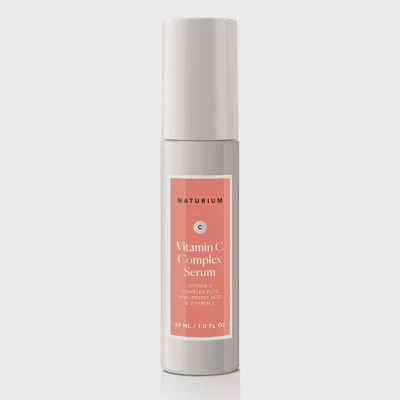
An opaque dark bottle with a dropper — sensible for vitamin C, which degrades with light, helping slow oxidation over use.
First use feels light, fresh and hydrating, with no sting even on sensitive skin thanks to the gentle 5% dose. There's no purge. The main thing to watch over time is color: pure ascorbic acid naturally darkens as it oxidizes, which is normal, though deeply browned serum has lost potency.
Around 2-3 months of daily morning use from the generous 60 ml bottle.
All Year
It's one of Purito's longest-running brightening products, reformulated over the years as the brand refined its gentle, barrier-first philosophy — moving from earlier higher-concentration versions toward this milder 5% formula. The result reflects Purito's whole identity: effective, affordable basics that prioritize tolerability over flashy active percentages.
Purito (now Purito Seoul) launched in 2014 and earned a strong reputation for affordable, barrier-friendly K-beauty staples. This vitamin C serum is one of its long-running brightening products, reformulated over the years to a gentler 5% ascorbic acid base on bamboo water — in keeping with the brand's gentle, value-first identity.
Vitamin C and niacinamide cancel each other out, so they shouldn't be in the same serum.
That myth comes from decades-old studies using unstable forms and extreme conditions. In modern formulations like this one, ascorbic acid and niacinamide coexist and even complement each other's brightening effects. Their pairing here is a feature, not a formulation error.
Yes, for gentle, gradual brightening. Pure ascorbic acid at 5% provides real antioxidant and tone-evening benefit with much less irritation than 15-20% serums. It's ideal if you want daily vitamin C without stinging, though those after dramatic, fast results may prefer a higher concentration.
Yes — the old belief that they cancel out is based on outdated studies. In modern formulas like this, ascorbic acid and niacinamide work together, and pairing them broadens the brightening effect. Having both in one serum is an advantage, not a problem.
Yes — it's one of its best uses. The gentle 5% ascorbic acid, fragrance-free formula, soothing bamboo-water base and hydrating hyaluronic acid make it far more tolerable than typical high-strength vitamin C serums, so sensitive and reactive skin usually handles it well.
Pure ascorbic acid naturally oxidizes and darkens over time with exposure to air and light — a slight yellowing is normal and still fine to use. If it turns deep brown, it has lost most of its potency, so use the 60 ml bottle within a few months of opening and keep it cool and capped.
Mornings are ideal: apply after toner and before moisturizer, then seal with sunscreen, since vitamin C boosts daytime antioxidant protection against UV and pollution. It can be used at night too, but pairing it with sunscreen by day gets the most from it.
Yes — its lightweight, oil-free formula contains no problematic esters or fatty acids that feed malassezia, making it a safe brightening option for those managing fungal acne, unlike many richer serums.
Recurring themes our editors read across retailer reviews of this product — summaries in our words, not quotations, and not a substitute for your own patch test.
Gentle and non-irritating vitamin C
Brightens without stinging
Generous 60 ml size for the price
Lightweight and hydrating
5% is mild for those wanting strong vitamin C
Ascorbic acid can oxidize over time
Results are gradual
Not a high-strength treatment
Verified answers from our questions library — the nuance a product page cannot carry.