Octocrylene and Homosalate: The Filters America Is Stuck With
The critics are right about the data gap, and they are right that it took two decades to move. What follows from that is not the conclusion most people draw.
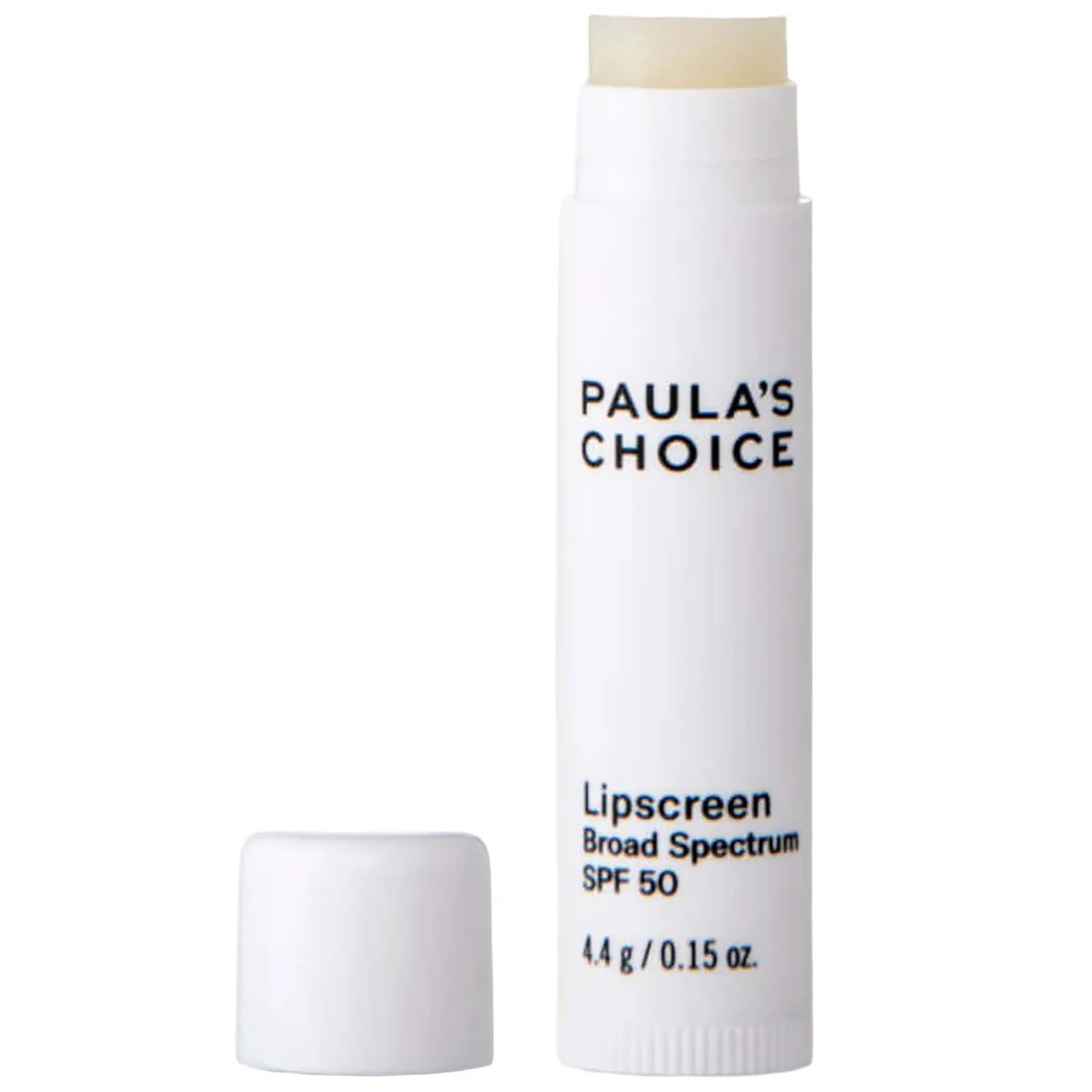
Most SPF lip balms stop at SPF 15 to 30 and many carry only UVB filters, flavour and a scent; this one runs the monograph's maximum 3% avobenzone for real UVA coverage, stabilises it with octocrylene, reaches SPF 50, and does it with no fragrance, no flavour, no tint and no white cast. It is one of the few high-SPF lip sticks built for people who want sun protection and nothing else in their mouth.
A lip sunscreen that behaves like a sunscreen: maximum-dose avobenzone stabilised by octocrylene, SPF 50, no flavour, no scent, no white cast, thirteen dollars. It is drier and less cushiony than a petrolatum balm and the tube goes fast with proper reapplication, but for real UVA-and-UVB protection on the most sun-exposed skin on your face, few sticks are this honest.
Behind this review are the stick's declared monograph filter percentages, many years on the market and about two hundred ratings at 4.5 stars on the brand's own site; because it is sold direct rather than through large marketplaces, no big third-party review pool exists and no independent SPF test of this stick has been published. The protection assessment therefore rests on the filter panel and the sunscreen literature, with user reports supporting the texture and tolerance findings.
The case for it
Same rule for everyone. “Strong choice” is the verdict on 1,459 of 45,024 concern verdicts across the catalog; rule R2 decided 892 of them. As of September 25, 2026, engine 5.1.1.
Brand or formulator? Disclose a concentration or correct a fact →
The studies behind the evidence row
The case for it
What would change this: A declared concentration would move this to a firmer reading of the dose.
Same rule for everyone. “Good choice” is the verdict on 9,564 of 45,024 concern verdicts across the catalog; rule R5 decided 9,072 of them. As of September 25, 2026, engine 5.1.1.
Brand or formulator? Disclose a concentration or correct a fact →
The studies behind the evidence row
As a lip balmNot judged: what a lip balm is for — seals and protects, sun protection where it matters — cannot yet be measured from the ingredient list (only no sting-and-repeat ingredients, low allergen load can).
A verdict is DermApproved’s assessment of how well a product’s ingredients fit a concern — never a claim about what the product treats. Evidence dots and collected reviews sit beside it and are never blended in. Rules 0.5.1 · evidence table ev-2026.09-r228 · how we decide
The lower lip is an odd bit of anatomy: it faces upward toward the sky, it has almost no melanin to defend itself, its skin is thinner than the cheek's, and it gets licked, wiped and eaten off every hour. It is, by some distance, the most sun-exposed and least protected patch of skin on the face, and the beauty industry's answer to that for decades has been a vanilla-flavoured wax with SPF 15 and a UVB-only filter. Paula's Choice's Lipscreen is what happens when a brand that thinks about sunscreen the way a formulator does turns its attention to the lip and refuses to treat it as a novelty.
The active panel says everything about the intent. Avobenzone at 3%, the maximum the US monograph allows and the only real long-wave UVA filter available here; homosalate and octisalate at 5% each for the UVB bulk; and octocrylene at 2.5%, included as much to stabilise the avobenzone as to add absorption. That is a face-sunscreen filter system in a lip stick, and it is why the product can claim broad spectrum with a straight face — most SPF lip balms either skip UVA altogether or include a token avobenzone dose with nothing to keep it from degrading in the first hour of sun. The inactive list is a wax base — hydrogenated soybean, olive and jojoba oils, beeswax, ozokerite, microcrystalline and carnauba waxes — with cocoa and shea butters, phytosterols and two forms of vitamin E for conditioning, and phenoxyethanol to preserve the trace of water. No fragrance, no flavour, no sweetener, no colour.
That last line is what people notice first. Swipe it on and there is nothing: no mint, no vanilla, no artificial sweetness, no sunscreen smell. The texture is a firm satin rather than a glossy slick — the filters are oily liquids, and the waxes have to hold them in a solid, so the stick is denser than a petrolatum balm and glides a little drier, especially in a cold room. It sets to an invisible, non-greasy coat within a minute, sits comfortably under lipstick, and does not migrate into fine lines around the mouth. Reviewers who ski, sail or run mention the same thing: lips that would normally burn and peel after a day outside simply do not, provided the stick gets reapplied.
Reapplication is the honest catch with every lip sunscreen and this one is no exception. Lips lose product faster than any other site; a coffee, a sandwich and a habit of licking will strip most of it within an hour or two. SPF 50 buys a higher starting point, not a longer one, and the stick has to come out after meals and every couple of hours in the sun. Do that and the 4.4 g tube lasts about six weeks, which is the second honest catch — for a thirteen-dollar stick that is not expensive, but it is more than a novelty balm, and the six-month period-after-opening means the avobenzone is not something to keep in a glove box for two summers.
As a balm, it is competent rather than luxurious. The butters and sterols keep lips from drying out under the filters, and daily use through a windy winter keeps chapping at bay, but the stick is not a treatment for already-cracked lips; a petrolatum or lanolin balm overnight does that job, and the Lipscreen goes on in the morning over healed lips. The chemical filters are the one sensitivity flag: octocrylene in particular is a known, if uncommon, contact allergen, and lips that are raw or split may tingle on the first application. Anyone who reacts to chemical sunscreens on the face will not do better on the lips, and a zinc-oxide lip balm is the alternative for them, white cast and all.
The pregnancy question comes up, because it always does with avobenzone and octocrylene. The dose in a lip stick is tiny and current guidance treats these filters as acceptable, while noting that mineral filters are the more conservative choice; that is a reasonable position to pass on unchanged, and the brand does not overclaim either way.
At thirteen dollars, the value is straightforward. It is a couple of dollars more than a drugstore SPF 30 balm and a few dollars less than the boutique SPF lip products that add a tint and a scent, and it delivers a higher, genuinely broad-spectrum protection level than either. The small tube and fast use-up are the only argument against it, and they are arguments against the category, not the product. From a thirty-year-old brand with no habit of hype, the price reads as exactly what it is.
Recommended without much hedging for anyone who spends time outdoors, anyone at altitude or on water, anyone with a history of cold sores triggered by sun, and anyone who has simply never found an SPF lip balm they could stand the taste of. Skip it if you want a cushiony, glossy balm experience, if chemical filters bother your lips, or if you prefer mineral protection in pregnancy. For everyone else, this is the lip sunscreen that takes the lip seriously — and, for once, tastes of nothing at all.
The hero actives that drive this product's performance.
| Ingredient | Function | Evidence |
|---|---|---|
| Avobenzone (3%) | The only long-wave UVA filter in the US monograph, dosed at the maximum 3% — this is what makes the stick genuinely broad-spectrum rather than a UVB-only balm. On the lower lip, which takes more direct sun than almost any other part of the face, that UVA coverage is the point of the product; octocrylene is included partly to keep it from breaking down. | Regulator-approved for Sun Damage · emerging certainty |
| Homosalate + Octisalate (5% + 5%) | Two salicylate UVB filters that build most of the SPF 50 number and, being oily liquids, dissolve into the wax base without grit or a white cast — the reason this stick goes on clear where mineral lip SPFs go on chalky. They are also mild solvents that help keep the avobenzone evenly dispersed. | Regulator-approved for Sun Damage · limited certainty |
| Octocrylene (2.5%) | A modest dose that does two jobs at once: it adds UVB absorption and, more importantly here, photostabilises the avobenzone so the UVA protection lasts through a morning outdoors instead of fading in the first hour. | Regulator-approved for Sun Damage · limited certainty |
| Hydrogenated Soybean, Olive and Jojoba Oils + Beeswax + Ozokerite | The stick's structure — hydrogenated plant oils firmed with beeswax, ozokerite, microcrystalline and carnauba waxes — is what lets a 15.5% load of liquid chemical filters set into a solid that glides without crumbling, and it doubles as the occlusive layer that holds moisture on dry lips between reapplications. | Not yet assessed |
| Cocoa Seed Butter + Shea Butter + Phytosterols + Tocopherol | The conditioning tail: two butters for slip and softening, plant sterols for a barrier-supporting note and two forms of vitamin E to protect the oils and add antioxidant support on skin. They keep the stick feeling like a lip balm rather than a sunscreen, though they sit behind the waxes in the list. | Established mechanism for Dryness · established mechanism |
Ingredient standings describe the active at treatment-level doses and vehicles; this product's own condition grades weigh its actual formula.
Active Ingredients: Avobenzone 3%, Homosalate 5%, Octisalate 5%, Octocrylene 2.5%. Inactive Ingredients: Hydrogenated Soybean Oil, Bis-Diglyceryl Polyacyladipate-2, Hydrogenated Olive Oil, Polyglyceryl-3 Diisostearate, Beeswax, Ozokerite, Hydrogenated Jojoba Oil, Polyethylene, Hydrogenated Polycyclopentadiene, Microcrystalline Wax, Theobroma Cacao (Cocoa) Seed Butter, Silica, Tocopheryl Acetate, Butyrospermum Parkii (Shea) Butter, Olea Europaea (Olive) Fruit Oil, Phytosterols, Tocopherol, Hydrogenated Vegetable Oil, Copernicia Cerifera (Carnauba) Wax, Water, Phenoxyethanol
sunscreen
AM
Apply as the last step of the morning routine after face sunscreen, and reapply every two hours outdoors and after eating or drinking — lip SPF wears off faster than face SPF because lips are licked and wiped. It sits well under a lipstick or gloss; apply, let it set for a minute, then layer colour over it. At night switch to a plain balm, since the filters do nothing in the dark.
Immediate: a clear, non-greasy coat with no taste and broad-spectrum protection that lasts about two hours or until the next meal. Short-term (1-2 weeks): daily use keeps chapped, sun-dried lips smoother, especially in summer or at altitude. Full benefits (months to years): consistent use reduces the cumulative UV damage that drives lip lines, discolouration and actinic cheilitis — the payoff is what does not happen.
The case for a lip sunscreen is stronger than the category's flavoured-balm image suggests. A 2021 systematic review in The Open Dentistry Journal pooled the available trials on sunscreen-containing lip protectants and found moderate-quality evidence that they reduce actinic cheilitis — the precancerous sun damage of the lower lip — with roughly a fifth lower prevalence of lesions among users, and evidence that they reduce recurrences of sun-triggered herpes labialis; the evidence for preventing lip cancer itself was limited to a single study, which is a gap in the literature rather than a negative finding (The Open Dentistry Journal, 2021). Around nine in ten lip cancers arise on the lower lip, the site that faces the sky, and actinic cheilitis is their recognised precursor, so the mechanism is not in doubt even where the trial base is thin.
What distinguishes this stick is that its filters match that mechanism. Actinic damage and photoageing are driven substantially by long-wave UVA, which an SPF number does not measure; avobenzone is the only long-wave UVA absorber in the US monograph, and it is dosed here at the 3% ceiling. Avobenzone is notoriously photolabile — unstabilised, it loses much of its absorbance within an hour of sun — and octocrylene is one of the standard stabilisers used to prevent that breakdown, which is the formulation logic behind its 2.5% inclusion alongside the two salicylate UVB filters. The result is a filter system equivalent to a broad-spectrum face sunscreen, in a format most brands fill with a single UVB filter.
The wax base is doing more than carrying the filters. Hydrogenated oils and a blend of beeswax, ozokerite, microcrystalline and carnauba waxes form an occlusive film that reduces transepidermal water loss from the lip's thin, gland-free skin, which is why a sunscreen stick can also function as a daily balm; cocoa and shea butters add emollience, and phytosterols and tocopherol supply barrier-supporting lipids and antioxidant protection for the oils in the tube. The formula's limits are the category's: lip sunscreen is removed by eating, drinking and licking far faster than face sunscreen, so the real-world protection depends on reapplication rather than on the SPF figure, and the six-month period after opening reflects avobenzone's sensitivity to heat and air.
The lower lip is a site clinicians watch closely: it is where actinic cheilitis develops, it is the usual location of lip squamous cell carcinoma, and it is chronically under-protected because most people apply face sunscreen up to the vermilion border and stop. Daily broad-spectrum lip protection is therefore routine advice for outdoor workers, skiers, boaters, patients with a history of actinic damage and anyone with sun-triggered cold sores, and a stick with a full avobenzone dose meets that recommendation better than the SPF 15 UVB-only balms that dominate the category. The practical counsel is about reapplication rather than SPF: after every meal and every two hours outside, because the lip loses product faster than any other site. Contact allergy to octocrylene and, less often, avobenzone is recognised and would present as a persistent lip dermatitis rather than a brief tingle; patients with that history are steered to zinc-oxide lip products. In pregnancy the usual framing applies — chemical filters are considered acceptable and mineral ones more conservative — and the amount used on the lips is negligible. A fragrance- and flavour-free formula is a genuine advantage for patients with cheilitis, who often react to the flavourings in ordinary balms.
Twist up a few millimetres and apply a generous, even layer over both lips and slightly past the vermilion border as the last step of the morning routine, after face sunscreen. Let it set for about a minute if you plan to layer lipstick or gloss on top. Reapply every two hours outdoors and straight after eating, drinking or wiping the mouth — this is the step that determines whether the SPF 50 means anything by the afternoon. Use a plain occlusive balm at night instead, since the filters are wasted in the dark and a richer balm repairs better. Keep the cap on, store it away from heat, and replace the stick six months after opening because the avobenzone degrades.
Thirteen dollars for a 4.4 g stick works out to about three dollars a gram, which sounds steep until it is compared within its category: a drugstore SPF 15 or 30 balm runs eight to ten dollars for the same size with a weaker, often UVB-only filter, and the tinted boutique lip SPFs cost twenty to thirty for a comparable protection level plus a scent. There is only one size. The real cost is use-up rate — proper reapplication empties the tube in six weeks or so — but that is true of any lip sunscreen worth using, and the monograph-declared filter panel is what the money buys. From a brand with a thirty-year record of consistent, research-minded formulation and no hype premium, the price is fair and the protection per dollar is among the best in lip care.
Anyone who spends real time outdoors — skiers, runners, sailors, gardeners, outdoor workers — and wants lip protection with a genuine UVA filter rather than a flavoured SPF 15 wax. It is also the stick for people who get sun-triggered cold sores, who have had actinic damage on the lip, or who cannot stand a flavoured or scented balm.
Anyone whose lips react to chemical sunscreen filters, or who prefers mineral protection in pregnancy, should pick a zinc-oxide lip balm instead. People who want a glossy, cushiony balm feel or a repair treatment for cracked lips will find this too satin and too functional, and it is not the stick for someone who will not reapply.
Ready to try Paula's Choice Lipscreen Broad Spectrum SPF 50?
Buy at Amazon ♥A firm, pale-ivory wax stick that softens on contact and glides into a thin, satin coat with a slight slip — noticeably less slick than a petrolatum balm
None, and deliberately no flavour either — a faint waxy note if you sniff the stick and nothing on the lips
A slim white 4.4 g twist-up tube with a snap cap, printed with the product name and SPF
The first swipe is drier than most lip balms — a satin coat rather than a glossy slick — and it disappears within a minute with no taste at all, which is the thing most people notice first after years of flavoured sticks. Lips feel protected rather than coated. Very chapped lips may register a brief tingle from the filters on day one; there is no adjustment period beyond remembering to reapply after lunch.
About six weeks of daily use with midday reapplication, or three months as a weekend-and-holiday stick
All Year
Paula's Choice has argued for years that the lower lip is the most under-protected patch of skin on the face, and the Lipscreen was formulated as the brand's answer — a monograph-compliant SPF 50 stick with a full UVA filter, kept fragrance- and flavour-free in line with the company's founding rules. It has been a steady, low-profile fixture of the range for well over a decade, quietly outlasting the flavoured balms it was built to replace.
Paula's Choice has formulated fragrance-free, research-led skincare since 1995 and applies the same rules to its lip products; this SPF 50 stick is an FDA monograph sunscreen with declared filter percentages. The brand publishes ingredient rationales and consumer-test results rather than peer-reviewed trials, and its three-decade record of consistent, independently reviewed formulas is the basis of its standing.
Any lip balm labelled SPF protects against the sun damage that causes lip lines and lip cancer.
Only broad-spectrum products with a UVA filter address the long-wave rays behind photoageing and actinic damage; an SPF number alone measures UVB. This stick carries 3% avobenzone — the maximum monograph dose — stabilised by octocrylene, which is what makes it broad-spectrum in more than name.
One application of SPF 50 lip balm in the morning covers the whole day.
Lips lose sunscreen faster than any other site — eating, drinking, licking and wiping strip it within an hour or two. SPF 50 buys a higher starting point, not a longer one; reapplication after meals and every two hours outdoors is what actually keeps lips protected.
Chemical. Its four filters are avobenzone 3%, homosalate 5%, octisalate 5% and octocrylene 2.5% — an FDA monograph combination — which is why it goes on completely clear with no white cast. Anyone who reacts to chemical filters, or who prefers zinc oxide on the lips, should choose a mineral lip balm instead.
No — it is one of the few SPF lip sticks with no flavour, sweetener, fragrance or tint. The wax base has a faintly neutral note in the tube and nothing on the lips, which is the feature reviewers mention most after years of vanilla and mint balms.
Every two hours in the sun and immediately after eating, drinking or wiping the mouth. Lip sunscreen wears off much faster than face sunscreen because lips are constantly licked and touched, so the SPF 50 rating is a starting point, not an all-day guarantee.
Yes. Apply the stick, give it a minute to set into its satin finish, then layer lipstick or gloss on top. The wax base is firm enough that colour does not slide, and because it carries no flavour or scent it does not interfere with the lipstick's own.
It uses the same chemical filters as most US face sunscreens, and current guidance treats them as acceptable in pregnancy while noting that mineral filters are the more conservative choice given the small systemic absorption of avobenzone and octocrylene. On a lip stick the dose is tiny; anyone who prefers to avoid chemical filters in pregnancy should pick a zinc-oxide lip balm.
At 4.4 g it is the standard lip-stick size, but the twice-hourly reapplication a sunscreen needs uses it up faster than an ordinary balm — about six weeks of daily use. The six-month period-after-opening also matters, since the avobenzone degrades once the stick is exposed to air and heat.
Recurring themes our editors read across retailer reviews of this product — summaries in our words, not quotations, and not a substitute for your own patch test.
no taste, no smell and no white cast — disappears on the lips
SPF 50 in a stick that still feels like a balm
keeps lips from burning and peeling on ski and beach days
wears comfortably under lipstick
small 4.4 g tube runs out fast with frequent reapplication
the wax base can feel slightly stiff or drag in cold weather
chemical filters occasionally tingle on already-chapped lips