Lemon Juice, Baking Soda, Toothpaste: Three Kitchen Remedies That Reliably Damage Skin
Two of them attack the same property of skin from opposite directions, and the third is a rinse-off oral product being left on a face for eight hours.
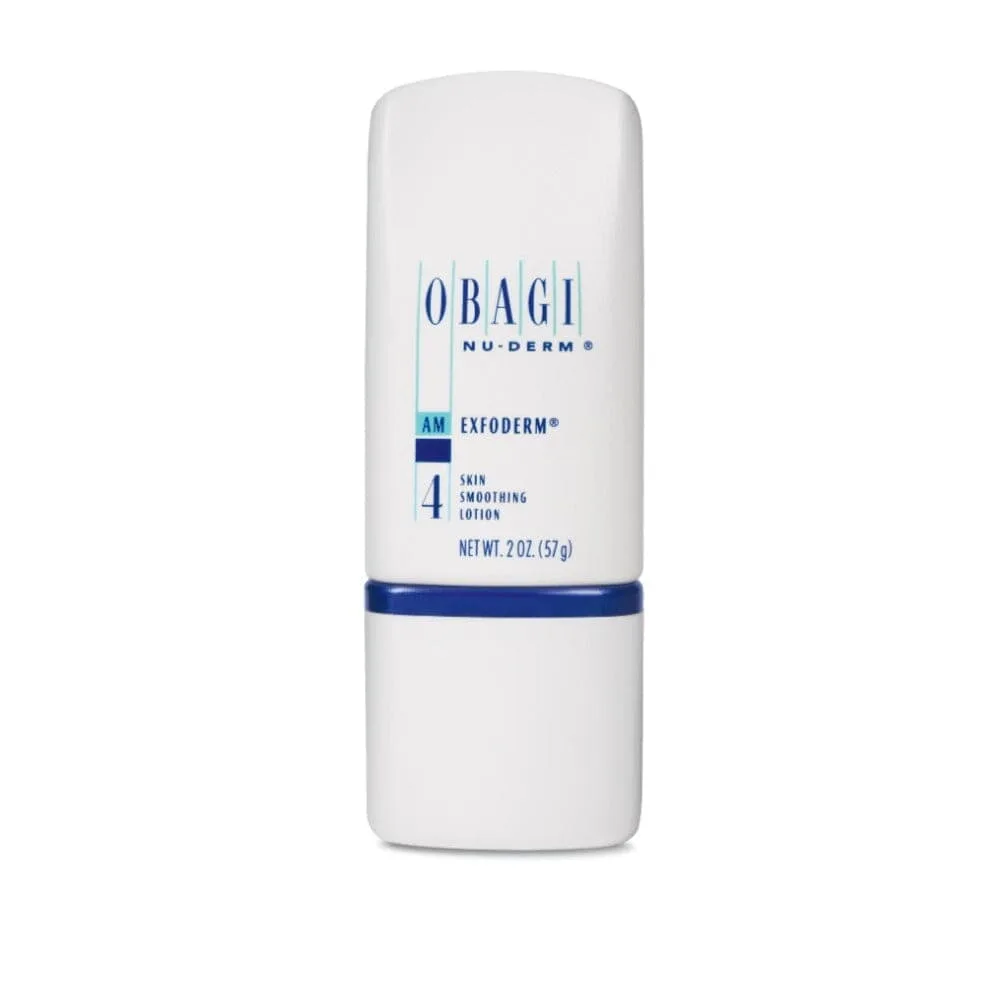
It is the exfoliating step of a medically supervised system, chosen not to be the strongest acid but the one that will not add to tretinoin and hydroquinone irritation: phytic acid, a chelating plant acid with mild tyrosinase inhibition, in a fragrance-free emollient base built for dry and sensitive skin. Few standalone exfoliants are designed around what they must not do.
A gentle phytic acid lotion designed to be the exfoliant that does not fight tretinoin, and inside the Nu-Derm System it does that job well. Taken out of the system it is a mild, fragrance-free morning exfoliant in a plain emollient base at a $105 price that only makes sense as a step in a regimen. Dry and sensitive skin on a supervised programme will value it; almost everyone else will wonder what it did.
Exfoderm has decades of use as a step in a physician-supervised regimen, but Obagi publishes no efficacy data for it as a standalone product and its individual review base is modest, so this assessment leans on the phytic acid literature, which comes mainly from professional peel studies rather than daily lotions. The Nu-Derm System's published results reflect the whole regimen, not this step.
The case for it
What would change this: Guideline or regulatory standing for the active on this concern would move this from a promising bet to a recommendation.
Same rule for everyone. “Promising” is the verdict on 7,858 of 45,024 concern verdicts across the catalog; rule R9p decided 7,858 of them. As of September 25, 2026, engine 5.1.1.
Brand or formulator? Disclose a concentration or correct a fact →
The studies behind the evidence row
The case for it
What would change this: A concentration inside the studied range would raise this a step.
Same rule for everyone. “Unproven” is the verdict on 1,111 of 45,024 concern verdicts across the catalog; rule R9 decided 1,111 of them. As of September 25, 2026, engine 5.1.1.
Brand or formulator? Disclose a concentration or correct a fact →
The studies behind the evidence row
Also listed for Rough Texture and Hyperpigmentation — the actives here (Glycerin, Phytic Acid, Dimethicone, Vitamin E) are in our research queue for those concerns; there is no verdict until their evidence rows are written. That is a gap in our table, not a mark against the product.
A verdict is DermApproved’s assessment of how well a product’s ingredients fit a concern — never a claim about what the product treats. Evidence dots and collected reviews sit beside it and are never blended in. Rules 0.5.1 · evidence table ev-2026.09-r228 · how we decide
The tube says 4, and that number explains almost everything about Exfoderm. It is the fourth step of Obagi's Nu-Derm System, the medically supervised regimen of cleanser, toner, hydroquinone or arbutin, exfoliant, tretinoin blend and sunscreen that dermatology and plastic surgery offices have dispensed since 1988, and it was never designed to be judged on its own. Its brief is specific: keep the skin's turnover moving every morning so the brightening and retinoid steps penetrate, and do it without adding a single unit of irritation to a face that is already being asked to tolerate tretinoin and hydroquinone at night. Read that way, it is a well-judged product. Read as a standalone exfoliant, it is a mild lotion at a system price.
The choice of acid is the tell. Phytic acid sits fourth in the list, a chelating plant acid from grains and seeds that exfoliates far more gently than glycolic, with a side line in mild tyrosinase inhibition and antioxidant activity that suits a regimen aimed at pigment. Its clinical record is thinner than the stronger acids and not flattering when they meet head to head: in a randomised comparison of peels for melasma, a phytic acid combination cut pigment scores by about 45% where glycolic acid managed 62%. But Obagi did not pick it to win that fight. It picked the acid least likely to make a tretinoin patient quit, and in that role phytic acid is close to ideal, especially in the emollient base this version carries. Ethoxydiglycol second in the list is a penetration enhancer that carries the acid in and primes the skin for what follows; glycerin third keeps things comfortable; canola oil, fatty alcohols and a little dimethicone make the lotion rich enough for the normal-to-dry skin the Nu-Derm dry-skin kit is built for. There is no fragrance, no alcohol and nothing sharp.
On the skin that is exactly how it feels. A thin layer of light white lotion in the morning, absorbed in a minute, a soft satin finish under sunscreen and no sensation whatsoever. By the end of the first week skin feels a shade smoother; by the end of the month, a little brighter. Users coming from glycolic products, trained to expect a tingle as proof of work, tend to doubt it, and users on the full Nu-Derm regimen tend not to notice it at all, which is precisely the compliment the product is designed to earn. Its contribution inside the system is real, steady exfoliation and better penetration of the Clear and Blender steps, and it is invisible by intent.
The difficulty comes when Exfoderm is bought alone, as it increasingly is now that Obagi sells its steps individually under function-first names. As a standalone morning exfoliant it is fine: gentle, fragrance-free, comfortable on sensitive and dry skin, and safe beside a night-time retinoid from any brand. It is also a mild acid in an ordinary emollient base, without the niacinamide, ceramides or antioxidants that a modern exfoliating lotion at this price would usually carry, and the visible result on its own is modest enough that many people stop before it accumulates. The base is too rich for oily and congestion-prone skin, which is why Obagi's oily-skin kit substitutes the Forte, and there is nothing here for acne.
There is a small formulation detail worth knowing before buying either version. The two Exfoderms share almost nothing beyond the name: this one is phytic acid in an oil-and-fatty-alcohol cream, the Forte is glycolic and lactic acids in a lighter base, and Obagi's own Nu-Derm kits for dry and oily skin differ precisely in which one they include. Someone with combination skin who buys this version for its gentleness and finds it heavy on the T-zone has not been sold the wrong acid so much as the wrong base, and the Forte is the fix; someone with dry, reactive skin who tries the Forte first will get the tingle they did not want.
Then the price, which is the price of a system step rather than a product. One hundred and five dollars for 2 oz is prestige money for phytic acid, glycerin and canola oil, and a tube used every morning lasts about two months, so the running cost is around $50 a month for the mildest exfoliation on the market. Inside a Nu-Derm programme that a physician has prescribed, the cost is part of the regimen and the product's value is in what it lets the other steps do. Outside it, a gentle polyhydroxy acid or a low-strength lactic lotion does the same job for a fraction, often with more in the formula.
Who should buy it, then, is not complicated. Nu-Derm patients, whose dermatologist has told them to use step four and whose skin is dry or sensitive, should use this version rather than the Forte and think no more about it. Someone outside the system who wants the gentlest possible daily acid, is on a retinoid at night and does not mind paying Obagi's prices for a fragrance-free, uneventful morning lotion can reasonably buy it too. Everyone else is paying for the number on the tube.
The hero actives that drive this product's performance.
| Ingredient | Function | Evidence |
|---|---|---|
| Phytic Acid | Fourth in the list, behind only water, a penetration-enhancing glycol ether and glycerin, so at a meaningful dose. Phytic acid is a plant-derived chelating acid that exfoliates far more gently than glycolic and has mild tyrosinase-inhibiting and antioxidant activity, which is why Obagi chose it for the Nu-Derm step aimed at normal-to-dry and sensitive skin that must sit beside tretinoin and hydroquinone. | Not yet assessed |
| Glycerin | Third in the list, the humectant that keeps a daily morning exfoliant from leaving skin tight before sunscreen, and the main reason the lotion reads as a moisturizer rather than a treatment on the skin. | Plausible mechanism for Dullness |
| Tocopheryl Acetate | Near the end of the list, vitamin E acetate adds a small antioxidant reserve to skin whose surface the phytic acid is thinning and whose evenings belong to tretinoin; it is the only antioxidant in an otherwise plain base. | Limited for Aging |
| Dimethicone | A light silicone mid-list that, with the canola oil and fatty alcohols around it, gives the lotion the slip and the soft satin finish that let it sit under sunscreen without pilling, and that mark this out as the dry-skin version against the lighter Forte. | Not yet assessed |
Ingredient standings describe the active at treatment-level doses and vehicles; this product's own condition grades weigh its actual formula.
Aqua (Water), Ethoxydiglycol, Glycerin, Phytic Acid, Cetearyl Alcohol, Glyceryl Stearate, PEG-100 Stearate, Canola Oil, Isohexadecane, Magnesium Aluminum Silicate, Potassium Cetyl Phosphate, Sodium Hydroxide, Bis-Diglyceryl Polyacyladipate-2, Cetyl Alcohol, Dimethicone, Xanthan Gum, Phenoxyethanol, Glycereth-7, Polysorbate 60, Steareth-20, Ethylhexylglycerin, Tocopheryl Acetate, PEG-150 Distearate, Saponins
treatment
AM
In the Nu-Derm sequence it is the morning step after cleanser, toner and Clear, and before sunscreen; used alone, apply a thin layer to clean skin in the morning and follow with SPF. Keep it to the morning so the tretinoin step has the night, and do not stack it with a glycolic or salicylic product.
Smoother-feeling skin within the first two weeks; the phytic acid is gentle enough that visible change is gradual. Within the full Nu-Derm regimen the system's own timeline of six to twenty-four weeks applies, with Exfoderm's contribution being steady turnover and better penetration of the brightening steps rather than dramatic peeling of its own.
Phytic acid, myo-inositol hexakisphosphate, is a plant-derived organic acid with three properties relevant here: it is a mild exfoliant that loosens corneocyte cohesion far less aggressively than glycolic acid because of its size and charge, it is a strong chelator of iron and copper, which gives it antioxidant activity and a modest inhibitory effect on the copper-dependent enzyme tyrosinase, and it is well tolerated on sensitive skin. Its clinical literature comes mostly from peel studies in pigmentary disorders rather than from leave-on lotions, and it is candid about where phytic acid stands. A 2016 randomised study in Dermatologic Surgery assigned 90 Indian patients with melasma, all primed with 4% hydroquinone and 0.05% tretinoin, to fortnightly peels with 35% glycolic acid, a 20% salicylic and 10% mandelic acid combination, or a phytic acid combination for twelve weeks; melasma area and severity scores fell in all three groups, by about 62% with glycolic, 61% with salicylic-mandelic and 45% with phytic acid, with the difference statistically significant in favour of the first two, and the authors concluding that phytic acid peels were less effective though well tolerated. That study describes professional peels rather than a daily lotion, but it fixes phytic acid's place as the gentler, weaker option, which is the role Exfoderm gives it.
The vehicle is built for tolerance beside a retinoid. Ethoxydiglycol, second in the list, is a glycol ether solvent and penetration enhancer that improves delivery of the acid and of the actives applied around it, which is the pharmaceutical rationale for an exfoliating step in a hydroquinone-and-tretinoin regimen. Glycerin supplies humectancy; canola oil, cetearyl and cetyl alcohols, an adipate ester and dimethicone provide emollience for normal-to-dry skin; magnesium aluminum silicate and xanthan gum thicken; potassium cetyl phosphate and the PEG stearates emulsify; and tocopheryl acetate adds a small antioxidant reserve. Saponins at the end of the list are plant surfactants with a minor cleansing and foaming role. Obagi publishes no efficacy data for Exfoderm as a standalone product; the clinical results associated with Nu-Derm are those of the full regimen, driven by hydroquinone or arbutin and tretinoin, and Exfoderm's contribution is inferred from the general role of mild exfoliation in improving penetration and turnover.
Within the Nu-Derm System, Exfoderm's role is well understood by the physicians who prescribe it: a mild morning exfoliant that maintains turnover and improves penetration of hydroquinone and tretinoin without adding to the irritation that is the regimen's main cause of non-adherence, and the phytic acid version is what a clinician selects for a patient with dry, sensitive or reactive skin, reserving the glycolic-lactic Forte for oilier, more resilient faces. Outside the system, dermatologists tend to regard it as a gentle daily acid with limited standalone impact, reasonable for a patient who wants the mildest possible exfoliation alongside a night-time retinoid but not a product they would reach for to treat pigment, texture or acne on its own, where glycolic, salicylic or a retinoid have far more evidence. The usual cautions apply: morning use only, daily sunscreen, no stacking with other acids, and avoidance on skin that is inflamed, freshly treated or eczematous. The Nu-Derm System as a whole is not used in pregnancy because of its tretinoin and hydroquinone steps, although Exfoderm alone poses no such concern.
Use in the morning on clean, dry skin. In the Nu-Derm sequence it follows the cleanser, toner and Clear or Clear Fx steps and precedes sunscreen; used alone, apply it after cleansing and any serum. Squeeze a small amount, about a pea for the face, and spread a thin, even layer over the face and, if you like, the neck, avoiding the eye contour; it absorbs in about a minute and needs no rinsing. Follow with a broad-spectrum sunscreen every morning, since any exfoliating acid raises sun sensitivity. Keep it to the morning so a retinoid can take the evening, do not combine it with glycolic, salicylic or another exfoliant in the same routine, and skip it on days the skin is inflamed or freshly treated. If it reaches the eyes, rinse immediately with water. Dry or sensitive skin should use this version; oily skin should use the Forte.
One hundred and five dollars for 2 oz is the price of a Nu-Derm step, and it is hard to justify on the contents: phytic acid, glycerin, canola oil and a conventional emollient base are inexpensive, and comparable gentle exfoliating lotions built on polyhydroxy or lactic acid cost a third as much and often carry more in the formula. Used every morning the tube lasts about two months, so the running cost is around $50 a month. For a patient on a physician-prescribed Nu-Derm programme the product's value lies in the regimen it supports and the tretinoin irritation it avoids, and the cost is part of a system that has been chosen for its results as a whole. For anyone buying it alone, the same gentle exfoliation is available for far less, and the premium buys a number on a tube.
Nu-Derm System patients with normal-to-dry or sensitive skin who need step four and should take this version rather than the Forte, and anyone outside the system who wants the mildest possible daily acid, fragrance-free and comfortable beside a night-time retinoid, and is content to pay Obagi's price for an uneventful morning lotion.
Oily and congestion-prone skin should use Exfoderm Forte or a lighter exfoliant. Anyone wanting visible results from an exfoliant on its own will find phytic acid too gentle and should choose a glycolic, lactic or polyhydroxy product, and budget-minded buyers can get the same mild exfoliation for a fraction of the cost.
Ready to try Obagi Exfoderm Lightweight Exfoliating Lotion?
Buy at Amazon ♥A light, creamy white lotion that spreads easily, absorbs in a minute and leaves a soft, satin, slightly emollient finish
Unscented; a faint neutral cream note
A 2 oz white tube with a flip cap, labelled step four in the Nu-Derm System's blue-banded livery
Almost nothing happens on the first morning, which is the design: a light lotion, no sting, a soft finish under sunscreen. Skin feels a shade smoother by the end of the first week. Anyone expecting the tingle of a glycolic product will wonder whether it is working; on skin already on tretinoin at night, the absence of extra irritation is the point.
About two months at a thin layer every morning
All Year
Exfoderm has been step four of Obagi's Nu-Derm System since the regimen was developed in the late 1980s to prepare skin for and support tretinoin-and-hydroquinone treatment, with the Forte version added for oilier skin. It survived the 2025 catalogue renaming with its Nu-Derm name attached and now carries the function-first label Lightweight Exfoliating Lotion on Obagi's site.
Obagi was founded in 1988 by dermatologist Zein Obagi and Exfoderm is step four of the original Nu-Derm System, which has been dispensed under medical supervision for nearly four decades and whose full regimen, with tretinoin and hydroquinone, has published before-and-after clinical work. Exfoderm itself carries no standalone efficacy figures; its role is as the exfoliating step in a system designed to be used together.
Phytic acid is a stronger, more advanced exfoliant than glycolic acid.
It is gentler, not stronger. In a randomised comparison of peels for melasma, a phytic acid combination reduced pigment scores about 45% against 62% for glycolic acid and 61% for salicylic-mandelic. Obagi chose it for tolerability beside tretinoin, and its extra benefits are chelation and mild tyrosinase inhibition rather than power.
Exfoderm can replace the rest of the Nu-Derm System.
On its own it is a mild daily exfoliant. The brightening and remodelling results Nu-Derm is known for come from hydroquinone or arbutin and tretinoin in the other steps; Exfoderm's job is to keep turnover steady and help those actives penetrate, which is why Obagi has never published results for it alone.
Exfoderm uses phytic acid in an emollient base for normal to dry and sensitive skin. Exfoderm Forte swaps in glycolic and lactic acids in a lighter base for normal to oily skin, and exfoliates more aggressively. Obagi's Nu-Derm kits for dry and oily skin differ in which one they include.
Yes, as a gentle morning exfoliant under sunscreen. On its own its effect is mild and gradual; the dramatic results associated with Nu-Derm come from the hydroquinone or arbutin and tretinoin steps it was designed to support.
It was built for that. In the Nu-Derm sequence Exfoderm is applied in the morning and tretinoin with the Blender at night, and the phytic acid is chosen specifically because it does not add much to retinoid irritation. Do not apply the two in the same step.
The lotion itself contains phytic acid, glycerin and plant oil and is generally considered compatible with pregnancy, but the Nu-Derm System it belongs to is not, because of tretinoin and hydroquinone. Use it alone, and check with your obstetrician.
Not ideally. Canola oil, isohexadecane and fatty alcohols make the base richer than oily skin wants, and Obagi's own kit for oily skin uses Exfoderm Forte instead. Congestion-prone users should choose the Forte.
It is priced as a step in a physician-dispensed system rather than as a standalone exfoliant, and phytic acid in a plain emollient base costs little to make. A 2 oz tube lasts about two months of daily morning use, so the running cost is around $50 a month.
Recurring themes our editors read across retailer reviews of this product — summaries in our words, not quotations, and not a substitute for your own patch test.
Gentle enough to use every morning alongside tretinoin
Skin feels smoother within a couple of weeks
No fragrance and no sting
Lightweight and fine under sunscreen
Expensive for a mild exfoliant
Hard to judge its effect apart from the rest of the system
Too rich for oily skin
Little visible change used on its own