Phytic Acid
Products with Phytic Acid
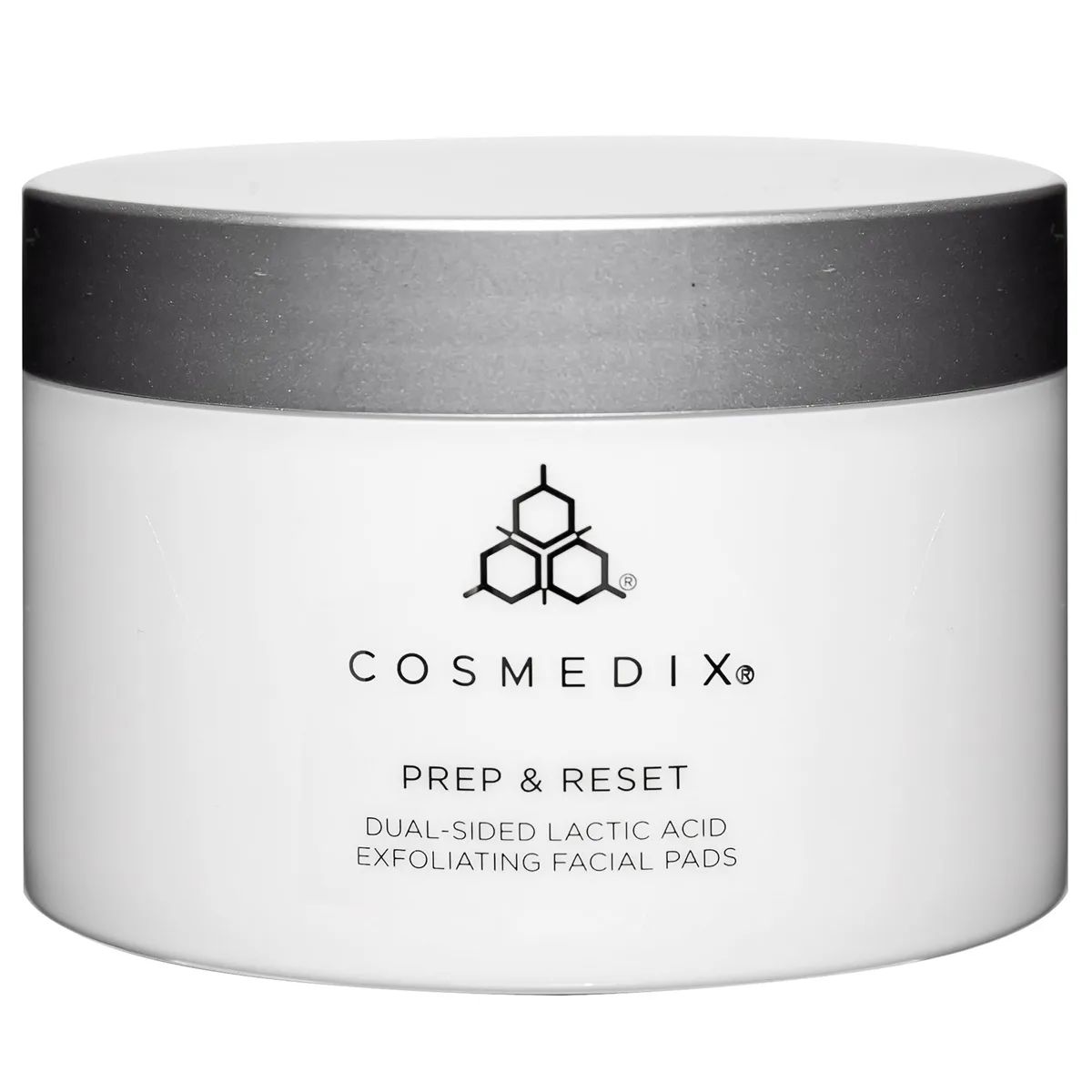 Dual-Sided Chemical + Physical Exfoliating Pad
Prep & Reset Dual-Sided Lactic Acid Exfoliating Facial Pads
Cosmedix Prep & Reset dual-sided pads with L-lactic acid AHA + phytic acid + papain enzyme + niacinamide + brightening stack (glutathione + kojic acid + retinyl palmitate) + anti-inflammatory pool (chamomile + licorice). Substantive multi-active exfoliating pad with chemical + physical resurfacing combination. Pregnancy retinoid contraindication. $70 for 25 pads is premium professional-skincare per-application pricing.
 Multi-Acid Peel-Off
RED RICE INOSITOL Exfoliating Care Pore Wash-Off Peel Serum
A clever two-in-one exfoliant: the satisfying roll-off of a gommage peeling gel plus a real multi-acid stack of glycolic, salicylic and phytic acids, buffered with rice ferment, ceramide and licorice. It refines texture and clears pores effectively at $22, but the acid blend and a touch of isopropyl alcohol make it a once-or-twice-weekly treatment best kept away from sensitive, dry or barrier-compromised skin.
 Drugstore Rose Mist
Rosewater Face Toner
A thirteen-dollar rosewater mist that does the modest job of a hydrating toner well: cool, refreshing, softening, gone in a minute. It carries no actives, which is fine, and no peptides, which the label claims, which is not. The added fragrance, three declared allergens and two dyes keep an otherwise gentle spray off the sensitive-skin shelf where it would otherwise belong.
 Sensitive Skin Safety Net
Glucoside Foaming Cleanser
A cleanser that does exactly one thing — cleanse gently — and does it with an almost monk-like devotion to simplicity. Eight ingredients, no drama, no stripping. If your skin reacts to everything, this is the cleanser that might finally leave it alone.
 Gentle Brightener
Vitamin C Serum
A gentle, stable vitamin C serum that prioritizes accessibility over intensity. The ascorbyl glucoside derivative and EGF peptide combination delivers gradual brightening without the irritation that makes many vitamin C serums unusable for sensitive skin — but the pilling issue and slow results may frustrate those expecting L-ascorbic acid-level transformation.
 High-Strength Niacinamide
Niacinamide 12% + Zinc Serum
A high-strength 12% niacinamide serum in one of the cleanest, most minimalist bases available — water, propanediol, the active, and a chelator. Best for oily and combination skin dealing with pores, shine, and post-acne marks. Sensitive skin should start with a lower concentration first.
 Low-pH Pore Refresher
RED RICE INOSITOL Pore Clarifying Deep Cleanser
A low-pH, amino-acid deep cleanser that gets pores genuinely clean without the stripped, squeaky aftermath — kaolin and mild acids do the clarifying while rice ferment, ceramide and hyaluronic acid keep the barrier comfortable. It doubles neatly as a wash-off clay mask, and at $20 for a versatile 150mL tube it's an easy, well-built daily wash.
 Gentle Vitamin C Pick
15% Vitamin C + EGF Serum
A genuinely gentle, sensitive-skin-friendly vitamin C serum that brightens slowly and without the sting of pure L-ascorbic acid, plus a peptide for a mild smoothing bonus. The trade-off is potency and speed, the glucoside derivative is milder and the EGF claim is more marketing than muscle, but at twenty dollars for an easy, irritation-free daily antioxidant, it earns its place.
 Vitamin C for Acne-Prone Skin
Vitamin C Serum 11%
A gentle 11% sodium ascorbyl phosphate serum that does something most vitamin C products don't — meaningfully target acne alongside its brightening work. Best for oily and breakout-prone skin that wants stable, non-stinging vitamin C. Not the most potent option for deep hyperpigmentation.
 Acne Companion Plus
Keracnyl PP+ Anti-Blemish Cream
An upgraded version of the original Keracnyl PP that adds celastrol and phytic acid for more aggressive anti-inflammatory and anti-pigment action. The four-mechanism approach (sebum, inflammation, bacteria, pigmentation) is unusually comprehensive for a non-prescription acne cream, and the formula is still gentle enough to layer with retinoids. Held back only by the pregnancy uncertainty and small tube.
 Budget 15% Vitamin C Serum
C for Yourself Vitamin C Serum
A genuinely effective 15% pure L-ascorbic acid serum with the proven vitamin E pairing and a smart phytic-acid stabilizer, at a price that undercuts most of the category. It brightens and fades dark spots reliably over time and punches well above its cost — held back mainly by L-ascorbic acid's inherent instability, an added fragrance, and a potency that demands easing in.
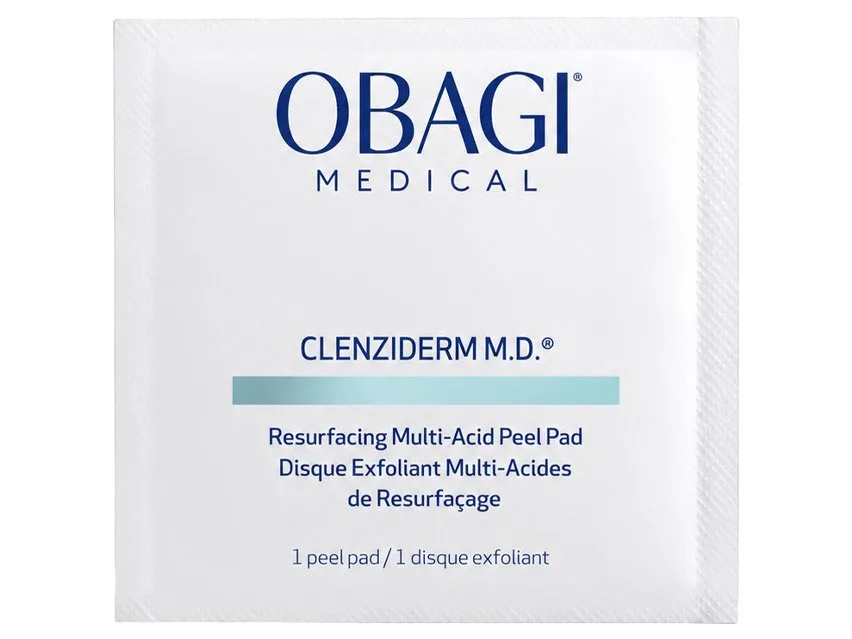 Four-Acid Clinical Peel Pad
Resurfacing Multi-Acid Peel Pads
A well-reasoned four-acid pad, every strength disclosed, niacinamide placed to calm it, single sachets to keep it fresh, and a real if brand-run eight-week study. For oily, congested, resilient skin it resurfaces and clears on schedule. It also carries denatured alcohol, menthol and a musk fragrance that a leave-on acid did not need, it is new enough that its tolerability record is thin, and $100 for thirty pads is a physician-brand price.
 Post-Acid Routine Companion
Alpha Beta pH Balance Replenishing Cream
Dr Dennis Gross's July 2025 launch is the rare moisturizer designed specifically as a companion to active acid routines — a lightweight gel-cream that combines low-concentration multi-acid (lactic + salicylic + glycolic) for maintenance exfoliation with a sophisticated electrolyte complex (multiple PCAs paired with mineral chloride salts) for barrier-supportive ionic balance restoration. For users running aggressive Alpha Beta peel routines, this is the natural complementary moisturizer; for users without active acid routines, it's a thoughtful gel-cream alternative.
 Brightening Everyday Pick
Vitamin C Complex Cleanser
A surprisingly loaded antioxidant cleanser that bundles two vitamin C forms, fruit enzymes, phytic acid, and astaxanthin into one morning wash. It leaves skin smooth and fresh and offers a gentle daily brightening top-up — just don't expect serum-level results from a product you rinse off in thirty seconds. Strong value, with a mild tingle sensitive skin should test first.
 Sixty-Second Glycolic Wash
Glycolic Renewal Cleanser Gel
An acid cleanser that means it: 8% free-acid glycolic, declared and unneutralised, in a sulfate-free gel that leaves normal, combination and oily skin smoother and brighter from the first wash. It is the maintenance half of a pairing with the brand's overnight glycolic, and in that role it is one of the better exfoliating washes sold — the lemongrass oil and citral are a strange choice for a clinic product, dry and reactive skin will find it too much twice a day, and $42 is a lot for a face wash, however good.
 Shirojyun Premium Brightening Cleanser
Shirojyun Premium Whitening Face Wash
Hada Labo's Shirojyun Premium Whitening Face Wash layers arbutin, phytic acid, and an eight-extract Asian botanical brightening blend on an amino-acid surfactant base — a more ambitious formulation than most drugstore brightening cleansers attempt. The citrus essential oils and methylparaben hold the score back, and the cleanser only earns its line-name positioning as part of a complete Shirojyun Premium routine.
 Gentle Acne Toner
Clear Lotion L
A genuinely gentle medicated acne toner that prevents breakouts by calming inflammation, not by stripping the skin, with an approved anti-inflammatory active, barrier-supporting lipids, and a bonus encapsulated vitamin C for post-acne marks. The trade-offs are an acne-specific focus, a light finish that needs a moisturizer on top, and import pricing.
 Brightening First Step
Even Better Brightening Essence Lotion
An essence-style first step that smuggles Clinique's full brightening complex into a watery, fast-absorbing format. It hydrates lightly, refines texture with low-dose salicylic and phytic acids, and lays down antioxidant brightening before the rest of your routine. The results are real but gradual, and at over fifty dollars for a toner-adjacent step it is a prestige indulgence that makes most sense for committed Even Better users.
 Sensitive-Skin AHA for Ten Dollars
Mandelic Acid Serum
The best ten dollars a sensitive, acne-prone or darker-skinned person can spend on an exfoliant: a declared ten percent mandelic acid backed by phytic acid and a PHA in a fragrance-free water gel that hydrates as it resurfaces. It will not deliver the visible peel of glycolic, and people wanting dramatic results may find it too polite, but as a steady, low-drama acid for texture, small breakouts and marks it is hard to beat.
 Daily Acid Under-Layer
Cell Cycle Catalyst
A daily acid done the way a clinical brand should do it: five acids at disclosed low doses, a total of 7.7%, tuned so that most skin can wear it every morning under vitamin C and sunscreen without a flake. It polishes texture within two weeks and, over the brand's eight-week window, nudges lines, marks and pores in the right direction. The formula is elegant and honest; the $120 for thirty millilitres of acidified water is the part that takes a deep breath.
 Minimalist Gentle Acid Exfoliant
Night Switch Lactic 10%
The minimalist's dream exfoliant and arguably Lixirskin's best product: six ingredients, fragrance-free, a gentle 10% blend of lactic acid and the even-milder lactobionic PHA that resurfaces and brightens while actually hydrating. It is effective, broadly tolerable, and clean. The only real limits are a small bottle, subtle-not-dramatic results, and the AHA's standard need for daily sunscreen.
 Spa-Room Clearing Pick
AGE Bright Clearing Serum
A genuinely capable two-in-one for adult breakout-prone skin: a real 2% salicylic acid clears congestion while a high niacinamide dose evens tone. The drawback is a heavy essential-oil load that can needle sensitive skin, plus a luxe price that asks a lot for a BHA serum.
 Clinical-Grade Glycolic Resurfacer
Glycolic 10 Renew Overnight
A clinically validated 10% glycolic acid overnight treatment that delivers real results — smoother texture, brighter tone, reduced fine lines — backed by SkinCeuticals' research pedigree. But at $96 for what is essentially well-formulated glycolic acid in a cream base, the price-to-ingredient ratio is the hardest thing to swallow about this product.
 Rinse-Off Peel, Honest Percentages
Liquid Peelfoliant
A serious, well-labelled at-home peel — 15 percent glycolic, lactic, salicylic and gluconolactone with pomegranate enzymes, 5 percent phytic and tranexamic acid — made usable by a one-to-three-minute rinse, and it delivers the smooth, glowing surface its reviewers describe. At $69 for two ounces and with bergamot and mandarin oils in a formula this strong, it is a premium, tolerant-skin product; reactive faces should look elsewhere.
 Brightening Capsule Format
Skin Illuminating Brightening Night Capsules
Elizabeth Arden's Brightening Night Capsules take the legendary single-dose ceramide capsule format and apply it to pigmentation-focused chemistry that genuinely benefits from the anhydrous environment. A vitamin C ester, HMPD-style brightener, niacinamide, and licorice extract all arrive fresh in every dose, with no fragrance and no oxidation drama. At $88 for 50 capsules it's not cheap, but the delivery system is doing real work for the price.
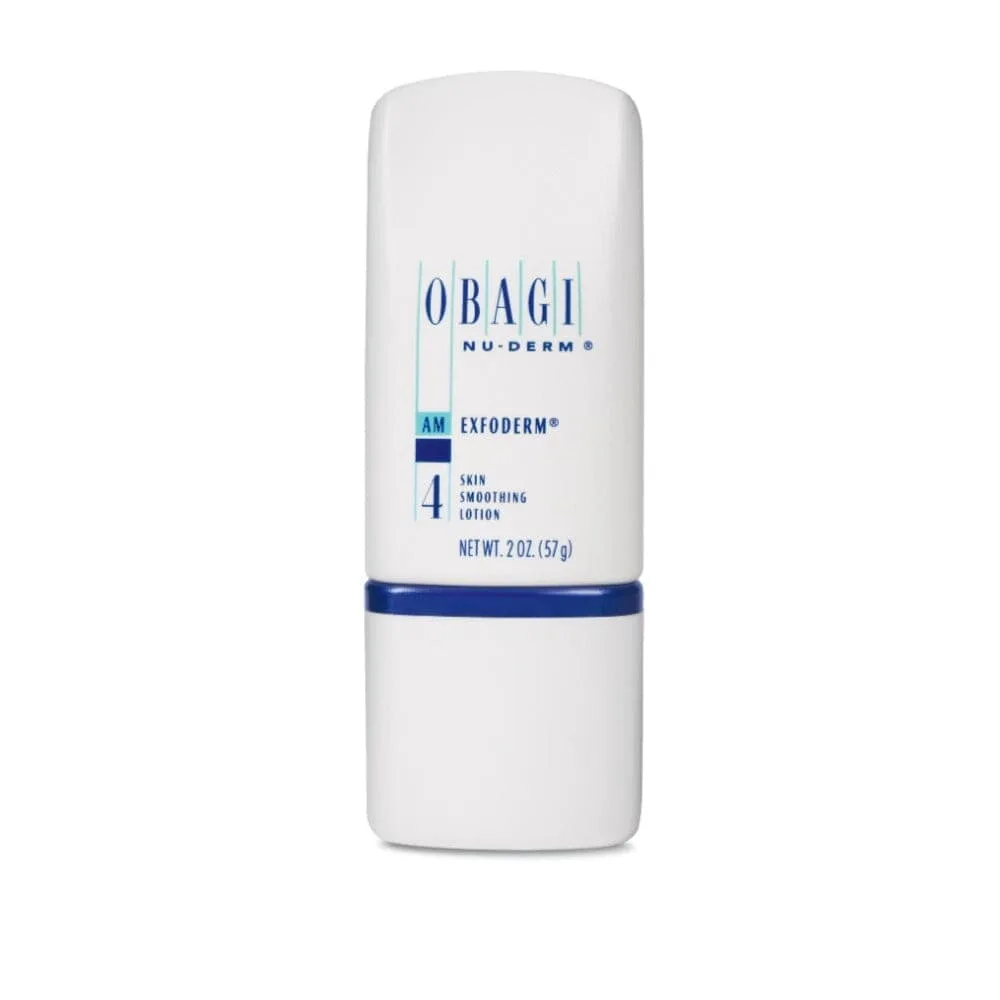 Nu-Derm Step Four
Exfoderm Lightweight Exfoliating Lotion
A gentle phytic acid lotion designed to be the exfoliant that does not fight tretinoin, and inside the Nu-Derm System it does that job well. Taken out of the system it is a mild, fragrance-free morning exfoliant in a plain emollient base at a $105 price that only makes sense as a step in a regimen. Dry and sensitive skin on a supervised programme will value it; almost everyone else will wonder what it did.
 Minimalist Brightener
Isdinceutics Melaclear Dark Spot Correcting Serum
A refreshingly minimalist dark spot serum that puts all its chips on concentrated vitamin C and phytic acid in a stripped-down nine-ingredient formula. The actives are well-chosen and the results are real — but at $88 for 15ml, you're paying a staggering per-ounce premium that only makes sense if you value the clinical-grade simplicity.
 Professional Depigmentation Cream
Cosmelan 2 Maintenance Cream
A genuinely potent, clinic-grade depigmentation cream — the at-home maintenance step of the professional Cosmelan system — that stacks kojic, azelaic, and phytic acids with niacinamide, arbutin, and vitamin C to fade stubborn melasma through multiple pathways. It works. But it's a clinical product meant for supervised use, with real irritation risk, retinyl palmitate (pregnancy-unsafe), fragrance, and dated MI/MCI preservatives. Effective, demanding, and not a casual buy.
The full phytic acid guide
Spot it in an INCI list and phytic acid often gets filed away as a generic "chelating agent," but it's quietly doing more than just protecting the formula from going off.
Derived mostly from rice bran, corn, and wheat germ, this inositol-phosphate molecule grabs onto metal ions, nudges down pigment-making enzymes, and offers a whisper of surface exfoliation. The honest caveat: most of its skin evidence comes from formulas where it's paired with a stronger acid, so teasing out exactly what phytic acid contributes on its own is still a work in progress rather than a settled question.
How it's regulated in the US
FDA does not classify ingredients — it classifies products, by what they are sold to do. The same molecule can be a drug active in one product and a cosmetic ingredient in the next, and only the claim on the label decides which. What follows is a statement about that legal standing, not about whether it works — the evidence question is answered separately above.
Cosmetic Phytic Acid is a cosmetic ingredient in the US: no OTC monograph covers it and it is not an active in any FDA-approved drug, so a product built around it is a cosmetic rather than a drug.
The most relevant human data is a 2021 Journal of Cosmetic Dermatology study (Houshmand) that tracked a 12-week emulsion combining 10% glycolic acid and 2% phytic acid in women across Fitzpatrick types II–VI, reporting improved hyperpigmentation and luminosity with good tolerability. The obvious limitation is that phytic acid rode alongside a potent AHA, so its independent share of the benefit can't be isolated from that trial. The chelation and iron/copper-binding antioxidant mechanism is chemically well characterized and consistently reproduced in cosmetic-chemistry and food-science work, and copper chelation gives it a plausible route to tyrosinase suppression. Evidence for phytic acid as a standalone exfoliant is genuinely thin — ingredient databases describe it as "not really an exfoliant," and it behaves more as a brightening and antioxidant support than a resurfacing active. Bottom line: a mechanistically credible ingredient whose own clinical case is promising but not yet robust.
How it works
Six phosphate groups hang off a central inositol ring, and that geometry is the whole story. Those phosphates act like a molecular claw, latching onto divalent metals such as iron (Fe²⁺) and copper (Cu²⁺) with strong affinity and pulling them out of circulation. That matters because free iron and copper drive the Fenton reaction, which spins off hydroxyl radicals — some of the most reactive and destructive oxygen species in biology. By sequestering those metals at the skin surface, phytic acid heads off the oxidative cascade before it starts, rather than scavenging radicals after the damage is underway. The copper angle ties back to pigment, too. Tyrosinase, the rate-limiting enzyme in melanin synthesis, depends on copper to function. Pull away its copper and the enzyme slows, which is the proposed reason phytic acid turns up in formulas aimed at post-inflammatory marks and melasma. Its exfoliating reputation, though, is modest at best — it can loosen calcium-dependent bonds between surface cells, but the effect is gentle and far weaker than glycolic or lactic acid, which is why databases flag it as "not really an exfoliant." A bonus that's underappreciated: by mopping up pro-oxidant metals that sneak in through water or plant extracts, it helps keep companion actives like vitamin C from oxidizing in the bottle.
Key benefits
- Binds iron and copper to interrupt metal-driven oxidative damage at the surface
- May soften melanin output by depriving tyrosinase of the copper it needs
- Offers light, low-irritation surface support rather than aggressive resurfacing
- Helps keep vitamin C and other oxidation-prone actives stable in the same formula
- Tends to play nicely in already-active routines without piling on irritation
- Delivers antioxidant protection through metal sequestration, a different route than radical-scavengers
Concentration & usage
Leave-on formulas tend to use roughly 0.5–2%, the window where chelating and antioxidant activity is functionally meaningful; brightening support reads more clearly toward the upper end. Rinse-off peels may push to 2–4%, almost always paired with glycolic or salicylic acid rather than going solo. The INCI name is simply "Phytic Acid"; the salt, "Sodium Phytate," is more water-soluble and pH-friendly, which makes it the go-to in many stable formulations (often used as a chelating booster at just 0.1–0.5%). Unlike AHAs, phytic acid doesn't depend on a sub-4 pH to chelate, though products built around pH 3.5–5 will help along whatever mild exfoliating action exists. Seeing it near the end of an ingredient list usually signals it's there as a chelating preservative aid, not a headline brightener.
Who it's for & who should be cautious
Who it's for
Phytic acid fits anyone chipping away at post-inflammatory marks, melasma, or general unevenness who wants a brightening helper that won't crank up irritation in an already busy routine. Because its pigment mechanism leans on copper chelation rather than surface acid activity, it can be a lower-friction option for skin that bristles at strong AHAs — just note that one study found higher-concentration phytic acid wasn't ideal for genuinely sensitive skin, so easing in still pays off. It's also a smart companion to vitamin C serums, where it helps keep the ascorbic acid from oxidizing.
Who should be cautious
It's one of the gentler actives around, but anyone reactive to grain-derived or plant-phosphate ingredients should patch-test, and at higher concentrations very sensitive skin may not love it. Pregnancy and nursing data is limited rather than alarming — no established harm is on record, but if you're expecting it's a reasonable one to run past a provider. And if your goal is fast, dramatic textural correction, phytic acid will disappoint as a standalone: it shines as a supporting player next to proven exfoliants, not as a substitute for them.
Pairs with & conflicts
Myths & facts
Myth: Phytic acid is just a food antinutrient that wandered into skincare with no real cosmetic job.
Reality: The very chelating behavior that reduces mineral absorption in the gut is what makes it useful on skin. Topically, binding iron and copper curbs oxidative damage and can dampen pigment-making enzymes — a documented mechanism, not a marketing afterthought.
Myth: Because it's gentle, phytic acid can't meaningfully touch hyperpigmentation.
Reality: Gentle and effective aren't opposites here. Its proposed action on tyrosinase works through copper chelation, independent of any surface irritation. A 2021 Journal of Cosmetic Dermatology study saw luminosity gains from a formula pairing 2% phytic acid with glycolic acid — though, fairly, that trial can't separate each ingredient's individual contribution.
Myth: Sodium phytate and phytic acid are unrelated ingredients with different effects.
Reality: Sodium phytate is just the sodium salt of phytic acid — the same molecule at a different ionization state. Formulators often reach for the salt because it's more water-soluble and easier on pH, but the chelating and brightening behavior on skin is the same.
Frequently asked questions
Can phytic acid stand in for glycolic acid in an exfoliating routine?
Not really. Glycolic acid actively dissolves the bonds between dead cells and needs a low pH to do it, whereas phytic acid's exfoliating effect is mild and chelation-based — ingredient databases even describe it as 'not really an exfoliant.' Think of it as a complement to AHAs, which is exactly why formulas so often pair the two.
Is phytic acid a safe brightening choice for deeper skin tones?
It's regarded as one of the lower-risk brightening options for Fitzpatrick types III–VI, largely because its pigment-reducing route (copper-dependent tyrosinase suppression) doesn't rely on the surface irritation that can itself spark post-inflammatory darkening. The 2021 Houshmand study did include participants across Fitzpatrick II–VI and reported good tolerability.
Why do I keep seeing phytic acid inside vitamin C serums?
Ascorbic acid degrades quickly when it bumps into trace iron and copper carried in by water or plant extracts. Phytic acid grabs those metals, shielding the vitamin C from oxidation and stretching the serum's shelf life — a formulation perk that makes the pairing genuinely useful rather than just a label flourish.
How long before phytic acid shows brightening results?
Plan on roughly four to eight weeks of steady use for visible improvement, in line with study timelines. It slows new melanin rather than erasing existing spots overnight, so patience matters — and daily sunscreen is non-negotiable, or fresh pigment will simply outrun any brightening you gain.
Is phytic acid okay for fungal acne (Malassezia folliculitis)?
There's no real evidence that phytic acid feeds Malassezia — it's a chelating organic acid, not a fatty acid or oil the yeast lives on. That said, the rest of the formula matters more than this one ingredient, so scan the full INCI list for known triggers like certain fatty alcohols or esters.
Is phytic acid acting more as an exfoliant or as an antioxidant in most products?
Mostly the latter. At the concentrations common in retail products it works primarily as a chelating antioxidant and pigment-support ingredient, with only marginal surface exfoliation. Any meaningful cell-shedding tends to require higher concentrations, typically in rinse-off peels paired with stronger acids.