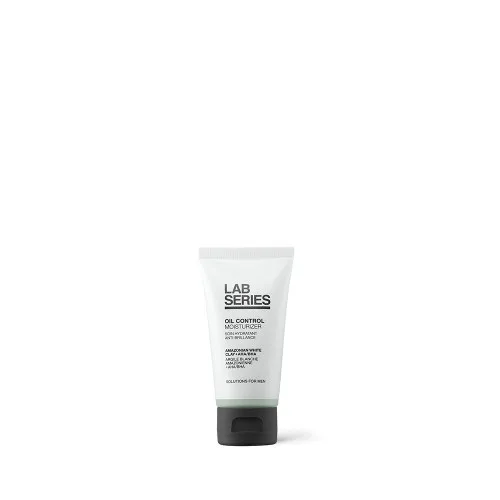
Unlike most oil-control moisturizers that rely solely on surface-level mattifiers, this formula attacks shine from three angles: kaolin clay absorbs existing oil, zinc PCA regulates sebum production at the source, and salicylic acid keeps pores clear to prevent the congestion that triggers excess oil. The addition of caffeine and algae extracts adds an anti-inflammatory dimension rare in this category.
A genuinely smart oil-control moisturizer that tackles shine from multiple angles rather than just slapping clay on your face and calling it a day. The salicylic acid and zinc PCA combination provides real, sustained sebum management, though the fragrance and alcohol make it a less-than-ideal choice for reactive skin.
Promisingfor Excess OilinessIn your profileYou chose · Salicylic Acid has trial-level evidence for excess oiliness but no guideline or regulatory standing yet — promising, short of a recommendation; the other actives here are not yet assessed for it.Moderate evidenceStandard tolerabilityNo reviews collected yet
The case for it
Salicylic Acid has trial-level evidence for this concern but no guideline or regulatory standing yet.
It is plausibly present at a working level, though the concentration is not declared.
The formula carries no trigger this concern is sensitive to, with the cautions noted.
Cautions: fungal-acne triggers.
What would change this: A declared concentration would move this to a firmer reading of the dose.
Same rule for everyone. “Promising” is the verdict on 7,858 of 45,024 concern verdicts across the catalog; rule R9p decided 7,858 of them.
Unchanged since September 5, 2026, engine 5.1.1.
R9p — 0.5.0: 'Unproven' beside three filled dots read as one question answered twice with opposite words (7,018 rows). The chip measures standing, the dots measure trial volume; where the row carries at least one RCT or a tier-2 source (moderate dots) and the active is present at a working level, the honest word is Promising. Unproven is reserved for plausible-standing rows with limited or weak evidence, or an under-dosed form. Same rank as Unproven — a bet either way; the dots order them. · the full register
Carrying active
Salicylic Acid
Standing
plausible — trials support it
Form
plausible — studied range 30%, from the trials on the row; needs leave-on contact; judge it after ~6 weeks
Tolerability
standard — fungal triggers
Row checked
against its sources on July 17, 2026 (evidence table ev-2026.09-r228)
Not for thisfor Large PoresIn your profileYou chose · The actives here have been researched for large pores and the evidence does not support the claim.Not yet assessedStandard tolerabilityNo reviews collected yet
The case for it
Salicylic Acid has been researched for this concern and the evidence does not support it.
It is plausibly present at a working level, though the concentration is not declared.
The formula carries no trigger this concern is sensitive to, with the cautions noted.
What would change this: A declared concentration would move this to a firmer reading of the dose.
Same rule for everyone. “Not for this” is the verdict on 488 of 45,024 concern verdicts across the catalog; rule R10 decided 488 of them.
Unchanged since September 5, 2026, engine 5.1.1.
Strong choicefor AcneIn your profileYou chose · Salicylic Acid is an approved or monograph active for acne; this gel cream carries it, though the concentration is not declared.Moderate evidenceStandard tolerabilityNo reviews collected yet
The case for it
Salicylic Acid is a first-line active — approved, monograph-listed or named in current guidelines — for this concern.
It is plausibly present at a working level, though the concentration is not declared.
The formula carries no trigger this concern is sensitive to, with the cautions noted.
Cautions: fragrance; fungal-acne triggers.
What would change this: A declared concentration would move this to a firmer reading of the dose.
Same rule for everyone. “Strong choice” is the verdict on 1,459 of 45,024 concern verdicts across the catalog; rule R3 decided 567 of them.
Unchanged since September 5, 2026, engine 5.1.1.
R3 — Undeclared but plausibly dosed (top-third INCI position, or a potent sub-1% active) — the verdict stands, and the sentence says what disclosure would add. A declared figure below range would have been sub-threshold. · the full register
Carrying active
Salicylic Acid
Standing
first line — a regulator recognises it for this use; trials support it · per § 333.310 Acne active ingredients. (U.S. Food and Drug Administration — 21 CFR Part 333 Subpart D (Topical Acne Drug Products), Code of Federal Regulations via GovInfo), opened July 27, 2026
Form
plausible — studied range 0.5–2%, from the OTC monograph or label; judge it after ~6 weeks
Tolerability
standard — fragrance load, fungal triggers
Row checked
against its sources on July 27, 2026 (evidence table ev-2026.09-r228)
Strong choicefor BlackheadsIn your profileYou chose · Salicylic Acid is an approved or monograph active for blackheads; this gel cream carries it, though the concentration is not declared.Moderate evidenceStandard tolerabilityNo reviews collected yet
The case for it
Salicylic Acid is a first-line active — approved, monograph-listed or named in current guidelines — for this concern.
It is plausibly present at a working level, though the concentration is not declared.
The formula carries no trigger this concern is sensitive to, with the cautions noted.
Cautions: fungal-acne triggers.
What would change this: A declared concentration would move this to a firmer reading of the dose.
Same rule for everyone. “Strong choice” is the verdict on 1,459 of 45,024 concern verdicts across the catalog; rule R3 decided 567 of them.
Unchanged since September 5, 2026, engine 5.1.1.
R3 — Undeclared but plausibly dosed (top-third INCI position, or a potent sub-1% active) — the verdict stands, and the sentence says what disclosure would add. A declared figure below range would have been sub-threshold. · the full register
Carrying active
Salicylic Acid
Standing
first line — a regulator recognises it for this use; trials support it · per 21 CFR § 333.350 - Labeling of acne drug products. (US Code of Federal Regulations (Legal Information Institute, Cornell Law School)), opened July 27, 2026
Form
plausible — studied range 0.5–2%, from the OTC monograph or label; judge it after ~6 weeks
Tolerability
standard — fungal triggers
Row checked
against its sources on July 27, 2026 (evidence table ev-2026.09-r228)
The studies behind the evidence row
OTC monograph, Topical Acne Drug Products — salicylic acid 0.5–2% recognized as an acne treatment active — US Food and Drug Administration
Does the jobDoes what a moisturizer is for: draws in water, softens and smooths.
A verdict is DermApproved’s assessment of how well a product’s ingredients fit a concern — never a claim about what the product treats. Evidence dots and collected reviews sit beside it and are never blended in.
Rules 0.5.1 · evidence table ev-2026.09-r228 · how we decide
Assessment
Pros & Cons
Pros
✓ Three-pronged oil control strategy addresses shine at surface, pore, and cellular levels
✓ Lightweight gel-cream texture absorbs in seconds with no greasy residue
✓ Salicylic acid keeps pores clear to prevent congestion-driven breakouts
✓ Sodium hyaluronate prevents the dehydration that triggers rebound oil production
✓ Oil-free formula suitable as a primer under lightweight SPF products
✓ Caffeine and botanical extracts add anti-inflammatory and antioxidant support
Cons
✗ Contains fragrance — an unnecessary addition for a product targeting problematic skin
✗ Alcohol appears in the formula, potentially concerning for reactive skin types
✗ May not provide sufficient hydration for dry patches on combination skin
✗ Single size option at 1.7 oz limits value compared to products with larger size options
✗ Not suitable for sensitive skin despite targeting a condition that often co-occurs with sensitivity
Review
Full Review
There is a particular frustration known only to people with oily skin: the moisturizer paradox. Skip it and your face retaliates with even more oil. Use it and you spend the rest of the day looking like you just ran a marathon in a sauna. Lab Series built this product around solving that specific problem for men, whose skin already produces roughly 30% more sebum than women's due to testosterone.
The approach here is genuinely thoughtful. Instead of relying on a single mattifying agent, the formula attacks oiliness from three different directions. Kaolin — sourced from Amazonian white clay, if you want the marketing version — sits at the surface and absorbs oil on contact. This is the ingredient responsible for the immediate matte effect you feel within seconds of application. Below that, zinc PCA works on a cellular level to regulate how much sebum your skin produces in the first place. And salicylic acid, the beta-hydroxy acid beloved by dermatology, dives into pores to dissolve the sticky mixture of dead skin and sebum that leads to clogs, blackheads, and eventually breakouts.
It's a formulation strategy that treats oily skin as a multilayered problem — which it is — rather than something you can solve by dusting your face with powder and hoping for the best.
The texture lands exactly where it needs to for its target audience. It's a lightweight gel-cream that spreads easily, absorbs in about thirty seconds, and leaves behind a matte, almost powdery finish. There's no greasiness, no heavy residue, no film that makes you wonder if you accidentally applied a primer instead of a moisturizer. For men who historically view skincare as an unnecessary complication, this texture removes the primary objection: it doesn't feel like you're wearing anything.
Hydration comes courtesy of sodium hyaluronate and trehalose, two humectants that pull moisture into the skin without any oily slip. This is the formula's insurance policy against the over-drying that plagues so many oil-control products. Dehydrated oily skin is a cruel irony — strip away too much oil and the skin compensates by producing even more, leaving you worse off than when you started. The hyaluronic acid here keeps the hydration channel open while everything else manages the oil.
Caffeine appears mid-list, contributing both its vasoconstrictive properties — which can temporarily tighten the appearance of enlarged pores — and antioxidant protection. A constellation of botanical extracts rounds out the formula: cucumber for soothing, algae for minerals, barley for anti-inflammatory support. These aren't revolutionary inclusions, but they add a layer of skin conditioning that prevents the formula from feeling purely functional.
The main limitations deserve equal attention. This product contains fragrance, which is a puzzling choice for a clinically positioned brand targeting skin that's already prone to irritation and breakouts. The scent itself is light and masculine, fading quickly, but fragrance in a product designed for problematic skin is a philosophical inconsistency. Alcohol also appears on the ingredient list — near the end, suggesting a low concentration, but present nonetheless. For the majority of users, neither will cause problems. For those with reactive or sensitized skin, they're unnecessary risks.
The matte effect is impressive but not infinite. Lab Series claims 8 hours of shine control, and in moderate conditions that's roughly accurate. In peak summer heat or after a workout, expect breakthrough shine around the 4-5 hour mark. This is honest performance — any product claiming all-day matte in August humidity is lying. The zinc PCA does provide a sustained regulatory effect that pure mattifiers lack, so even when some shine returns, it's notably less than going bare-faced.
One limitation worth noting: if your combination skin has genuinely dry patches — the kind that flake or feel tight — this moisturizer won't cut it as your sole hydrator. The formula is optimized for oil and offers hydration as a supporting act, not a headline performance. Combination-skin users with significant dry zones might consider applying this to the T-zone only and using something richer on the cheeks.
At $42 for 1.7 ounces, the price-per-use is reasonable given that a small amount covers the full face. You'll get roughly two to three months from a tube with daily morning application. It's not drugstore pricing, but the multi-active formula with clinical-grade ingredients like salicylic acid, zinc PCA, and acetyl glucosamine delivers more sophistication than what you'd find at that price point from mass-market brands.
The packaging is straightforward — a squeeze tube in Lab Series' color-coded system. Nothing exciting, but functional and travel-appropriate. It doesn't oxidize or degrade like jar packaging might, keeping the salicylic acid and vitamin C derivative stable throughout the product's life.
For the oily-skinned man who has cycled through mattifying products that either dried him out or stopped working by lunch, this is a formula that approaches the problem with genuine pharmaceutical thinking. The three-pronged oil strategy, respectable hydration, and pleasant-to-use texture make it one of the more intelligent options in the men's oil-control category. The fragrance and alcohol are the fly in an otherwise clean ointment — unnecessary inclusions that prevent this from being a universal recommendation.
Formula
Key Ingredients
The hero actives that drive this product's performance.
A beta-hydroxy acid that penetrates into pores to dissolve sebum buildup, working in tandem with the kaolin clay and zinc PCA in this formula to create a multi-layered approach to oil control that goes beyond surface mattification.
A natural mineral clay that absorbs excess sebum on contact, providing the immediate mattifying effect while the salicylic acid and zinc PCA work on longer-term oil regulation beneath the surface.
A zinc salt of pyrrolidone carboxylic acid that helps regulate sebum production at the cellular level, offering sustained oil control throughout the day rather than just absorbing oil after it appears.
Promotes gentle, non-abrasive exfoliation that complements the salicylic acid without over-stripping, while supporting the skin barrier to prevent the rebound oiliness that harsh oil-control products can trigger.
Provides lightweight hydration without adding oil, ensuring the formula controls shine without leaving oily skin dehydrated — a critical balance since dehydrated oily skin often overproduces sebum in compensation.
Acts as a vasoconstrictor that helps reduce the appearance of enlarged pores and puffiness, while its antioxidant properties provide additional environmental defense for skin prone to inflammation-driven breakouts.
Not yet assessed
Ingredient standings describe the active at treatment-level doses and
vehicles; this product's own condition grades weigh its actual formula.
Make this the final step in your morning routine after cleanser and any treatments. A small amount goes a long way — use about a dime-sized portion for the full face. Avoid layering heavy serums underneath, as the mattifying effect works best on relatively clean skin.
Results Timeline
Immediate mattifying effect from first application. Noticeable reduction in midday shine within 1-2 weeks of consistent use. Improvements in pore appearance and breakout frequency typically visible after 4-6 weeks.
The triple-active approach in this formula draws on well-established dermatological principles for managing sebaceous gland activity. Salicylic acid, a lipophilic beta-hydroxy acid, has decades of evidence supporting its ability to penetrate the lipid-rich environment of pores and dissolve the mixture of sebum and keratinocytes that form comedones. A review published in Clinical Therapeutics (Arif, 2015) confirmed salicylic acid's efficacy as a comedolytic agent with anti-inflammatory properties at concentrations as low as 0.5%.
Zinc PCA (zinc pyrrolidone carboxylic acid) represents a more targeted approach to oil control. Research reported in the International Journal of Cosmetic Science (Dupont et al., 2006) demonstrated that zinc PCA reduced sebum production by approximately 48% in a controlled study, outperforming both zinc gluconate and the control. The mechanism involves inhibition of 5-alpha reductase, the enzyme that converts testosterone to dihydrotestosterone — which drives sebaceous gland activity. This makes zinc PCA particularly relevant for men's skincare, where testosterone-driven sebum production is the primary driver of oiliness.
Kaolin clay functions through a purely physical mechanism — its layered silicate structure absorbs lipids by capillary action, providing immediate oil removal without disrupting the skin barrier. Unlike bentonite clay, kaolin has a milder absorptive capacity, making it suitable for daily use without the risk of over-stripping.
The inclusion of acetyl glucosamine adds an interesting synergistic dimension. A paper published in the British Journal of Dermatology (Bissett et al., 2007) showed that acetyl glucosamine, when combined with niacinamide, significantly reduced hyperpigmentation — though in this formula, its role likely centers on promoting gentle desquamation that complements the salicylic acid's exfoliating action without compounding irritation.
Zinc PCA sebum-regulating effects in vitro and in vivo — International Journal of Cosmetic Science (2006)
Dermatologist Perspective
Dermatologists frequently advise oily-skinned patients to use oil-free, non-comedogenic moisturizers as part of their daily routine, rather than skipping moisturizer entirely. The inclusion of salicylic acid at maintenance levels makes this product function as both a moisturizer and a mild daily exfoliant — an approach dermatologists in everyday practice commonly recommend for preventing comedone formation. The zinc PCA component is particularly relevant given its evidence for sebum regulation through 5-alpha reductase inhibition, a mechanism well-understood in dermatological research. The formula's main limitation from a clinical perspective is the inclusion of fragrance, which dermatologists generally advise against for acne-prone skin due to the potential for contact sensitization.
Guidance
Usage & Recommendations
How to Use
Apply a dime-sized amount to clean, dry skin every morning after cleansing. Focus on the T-zone and areas prone to oiliness, blending outward with fingertips. Allow 30-60 seconds to fully absorb before applying sunscreen. If using as a primer, wait until the matte finish sets before applying SPF. Avoid over-application, which can create a tight or powdery feel. For combination skin, consider spot-applying to oily zones only.
Value Assessment
At $42 for 1.7 oz, the price is premium but defensible given the multi-active formula. The salicylic acid, zinc PCA, and kaolin clay combination delivers more targeted oil control than most mass-market mattifying moisturizers. A tube lasts 2-3 months with daily use, bringing the per-day cost to roughly $0.50-0.70. The lack of a larger size option is a missed opportunity for better per-unit value, and Lab Series' position under Estée Lauder means part of the price reflects brand overhead rather than ingredient costs. Still, the formulation sophistication is a step above what drugstore brands offer in this category.
Who Should Buy
Men with oily or combination skin who want a moisturizer that actively manages shine without the stripped, dry feeling of traditional mattifying products. Especially well-suited for those who deal with midday oil breakthrough and want a formula that works throughout the workday.
Who Should Skip
Anyone with dry, sensitive, or reactive skin — the fragrance, alcohol, and salicylic acid combination could irritate. Also not the right choice if you need robust hydration as your primary moisturizing goal, or if you prefer fragrance-free skincare.
Ready to try Lab Series Oil Control Daily Moisturizer?
Lightweight gel-cream that transforms into a matte, powdery finish upon application, absorbing quickly without residue
Scent
Light masculine fragrance that fades quickly after application
Packaging
White squeeze tube with Lab Series color-coded system, compact and travel-friendly
Finish
mattenon-greasylightweight
What to Expect on First Use
An immediate mattifying effect on first application — skin feels noticeably less oily within minutes. During the first week, some users notice mild tightness if they have combination skin, which typically resolves as the skin adjusts. No purging period expected.
Lab Series developed this product specifically for men's skin, which produces roughly 30% more sebum than women's skin due to higher testosterone levels. The Amazonian White Clay sourcing reflects the brand's focus on marrying natural materials with clinical-grade actives — a formula designed for the guy who needs serious oil control without the stripped-skin feeling of harsh astringents.
About Lab Series Established Brand (5–20 years)
Lab Series launched in 1987 under Estée Lauder Companies as a pioneer in men's skincare, originally developed by the Aramis division. With nearly four decades of dedicated research into men's skin physiology, the brand has built a credible track record backed by the resources of one of the world's largest beauty conglomerates.
Brand founded: 1987 · Product launched: 2013
Myth vs. Reality
Common Myths
Myth
Oily skin doesn't need a moisturizer
Reality
Skipping moisturizer on oily skin often triggers compensatory sebum overproduction. This gel-cream provides essential hydration via sodium hyaluronate and trehalose without adding oil, helping maintain the moisture balance that actually reduces excess shine over time.
Myth
Clay-based products dry out the skin
Reality
The kaolin in this formula is a gentle white clay used at a level designed to absorb surface oil without stripping the skin's natural moisture barrier. It works alongside hyaluronic acid and trehalose to maintain hydration while controlling shine.
FAQ
Frequently Asked Questions
Does Lab Series Oil Control Daily Moisturizer work for acne?
This moisturizer contains salicylic acid and zinc PCA, both of which have evidence for reducing acne breakouts. The salicylic acid helps clear pores while zinc PCA regulates sebum production. It's designed as a moisturizer with oil-control benefits rather than a primary acne treatment, so it works best as part of an anti-acne routine rather than a standalone solution.
Can I use this moisturizer at night too?
While this is formulated primarily as a morning moisturizer for daytime oil control, you can use it at night if your skin is very oily. However, nighttime is generally when skin benefits from richer, more reparative products. Consider using a lightweight gel moisturizer at night instead, allowing this product to do its best work during the day when shine control matters most.
Is Lab Series Oil Control moisturizer good for combination skin?
It works well for the oily zones of combination skin, but the dry areas of your face may feel slightly under-hydrated, especially in winter. Some combination-skin users apply it only to the T-zone and use a different moisturizer on drier cheeks. If your combination skin leans more oily than dry, it should work across the full face.
Does this contain alcohol that dries skin out?
The formula does contain alcohol (denatured), listed near the end of the ingredient list, which means it's present at a relatively low concentration. At this level, it likely functions as a texture enhancer and preservative rather than a primary drying agent. The formula also contains hydrating ingredients like sodium hyaluronate and trehalose to offset any drying effects.
How long does the matte effect last?
Lab Series claims 8 hours of shine control, and most users report noticeable mattification lasting 4-6 hours under normal conditions. In very hot or humid environments, you may see breakthrough shine earlier. The zinc PCA provides some sustained sebum regulation beyond what surface-level mattifiers alone would deliver.
Reviews
What Reviewers Tend to Say
Recurring themes our editors read across retailer reviews of this product — summaries in our words, not quotations, and not a substitute for your own patch test.
Common Praise
Effectively mattifies without drying the skin out
Lightweight texture that doesn't feel heavy or greasy
Noticeable reduction in midday oil breakthrough
Works well as a primer under sunscreen
Common Complaints
Contains fragrance which some users find unnecessary
May not provide enough hydration for combination skin in winter
The whole case for salicylic acid rests on one unglamorous fact of chemistry: it dissolves in oil. Understand that, and you know exactly when it beats a glycolic acid — and when it's overkill.
The internet's favorite hydrator has a counterintuitive dark side — in dry air, a humectant with nothing to seal it can pull water out of your skin instead of into it.
Those tiny dots on your nose are almost certainly not blackheads — they're normal, functional plumbing you will never 'clear,' and the extraction obsession is quietly wrecking the skin around them.
Jun 6, 2026· 6 min
Questions people ask about Acne
Verified answers from our questions library — the nuance a product page cannot carry.
Products, answers, therapy guides, tools and articles in one search. Brand names,
slang and abbreviations all work — accutane finds isotretinoin, bacne finds truncal acne.