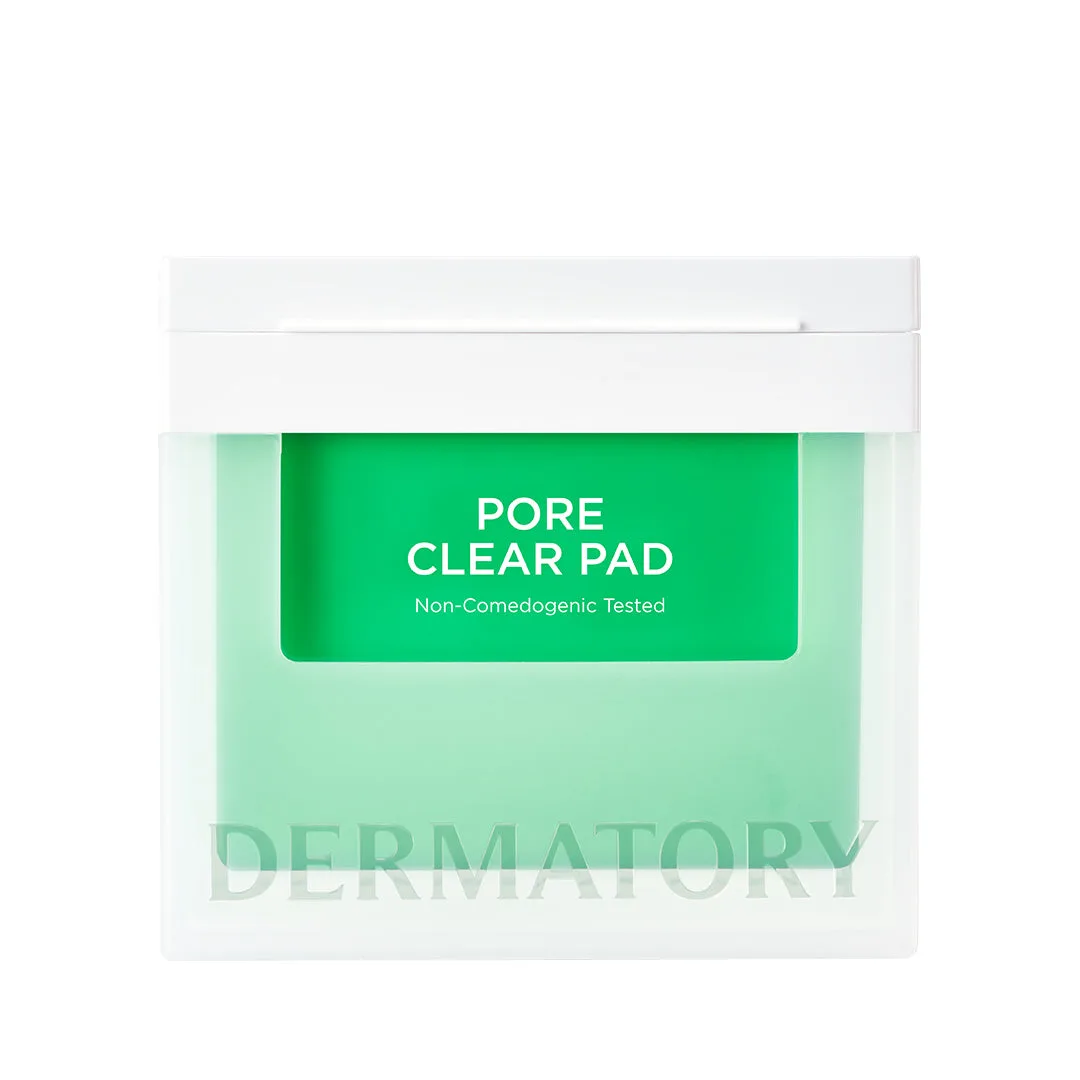
It buffers salicylic acid with sodium lactate, centella, allantoin and xylitol in a short, alcohol-free formula, making a BHA pad gentle enough for daily use on skin that finds stronger exfoliating pads irritating.
A gentle, well-buffered salicylic acid pad that suits daily use on oily and combination skin, helping with blackheads and rough texture without the sting of stronger BHA pads. Results build gradually, the BHA dose is modest, and a light fragrance is the main formulation compromise.
Verified reviews for the renamed Pore Clear Pad are limited, so this rating draws on the published formula and research on salicylic acid. The brand does not state the BHA percentage, so its strength is inferred from ingredient order.
Verdicts
How well it fits each concern
Verdict by concern tap a concern for the case
Strong choicefor BlackheadsIn your profileYou chose · Salicylic Acid is an approved or monograph active for blackheads; this pad carries it, though the concentration is not declared.Moderate evidenceStandard tolerabilityNo reviews collected yet
The case for it
Salicylic Acid is a first-line active — approved, monograph-listed or named in current guidelines — for this concern.
It is plausibly present at a working level, though the concentration is not declared.
The formula carries no trigger this concern is sensitive to, with the cautions noted.
Cautions: fungal-acne triggers.
What would change this: A declared concentration would move this to a firmer reading of the dose.
Same rule for everyone. “Strong choice” is the verdict on 1,459 of 45,024 concern verdicts across the catalog; rule R3 decided 567 of them.
As of September 25, 2026, engine 5.1.1.
R3 — Undeclared but plausibly dosed (top-third INCI position, or a potent sub-1% active) — the verdict stands, and the sentence says what disclosure would add. A declared figure below range would have been sub-threshold. · the full register
Carrying active
Salicylic Acid
Standing
first line — a regulator recognises it for this use; trials support it · per 21 CFR § 333.350 - Labeling of acne drug products. (US Code of Federal Regulations (Legal Information Institute, Cornell Law School)), opened July 27, 2026
Form
plausible — studied range 0.5–2%, from the OTC monograph or label; judge it after ~6 weeks
Tolerability
standard — fungal triggers
Row checked
against its sources on July 27, 2026 (evidence table ev-2026.09-r228)
The studies behind the evidence row
OTC monograph, Topical Acne Drug Products — salicylic acid 0.5–2% recognized as an acne treatment active — US Food and Drug Administration
Strong choicefor AcneIn your profileYou chose · Salicylic Acid is an approved or monograph active for acne; this pad carries it, though the concentration is not declared.Moderate evidenceStandard tolerabilityNo reviews collected yet
The case for it
Salicylic Acid is a first-line active — approved, monograph-listed or named in current guidelines — for this concern.
It is plausibly present at a working level, though the concentration is not declared.
The formula carries no trigger this concern is sensitive to, with the cautions noted.
Cautions: fragrance; fungal-acne triggers.
What would change this: A declared concentration would move this to a firmer reading of the dose.
Same rule for everyone. “Strong choice” is the verdict on 1,459 of 45,024 concern verdicts across the catalog; rule R3 decided 567 of them.
As of September 25, 2026, engine 5.1.1.
R3 — Undeclared but plausibly dosed (top-third INCI position, or a potent sub-1% active) — the verdict stands, and the sentence says what disclosure would add. A declared figure below range would have been sub-threshold. · the full register
Carrying active
Salicylic Acid
Standing
first line — a regulator recognises it for this use; trials support it · per § 333.310 Acne active ingredients. (U.S. Food and Drug Administration — 21 CFR Part 333 Subpart D (Topical Acne Drug Products), Code of Federal Regulations via GovInfo), opened July 27, 2026
Form
plausible — studied range 0.5–2%, from the OTC monograph or label; judge it after ~6 weeks
Tolerability
standard — fragrance load, fungal triggers
Row checked
against its sources on July 27, 2026 (evidence table ev-2026.09-r228)
Promisingfor Excess OilinessIn your profileYou chose · Salicylic Acid has trial-level evidence for excess oiliness but no guideline or regulatory standing yet — promising, short of a recommendation; the other actives here are not yet assessed for it.Moderate evidenceStandard tolerabilityNo reviews collected yet
The case for it
Salicylic Acid has trial-level evidence for this concern but no guideline or regulatory standing yet.
It is plausibly present at a working level, though the concentration is not declared.
The formula carries no trigger this concern is sensitive to, with the cautions noted.
Cautions: fungal-acne triggers.
What would change this: A declared concentration would move this to a firmer reading of the dose.
Same rule for everyone. “Promising” is the verdict on 7,858 of 45,024 concern verdicts across the catalog; rule R9p decided 7,858 of them.
As of September 25, 2026, engine 5.1.1.
R9p — 0.5.0: 'Unproven' beside three filled dots read as one question answered twice with opposite words (7,018 rows). The chip measures standing, the dots measure trial volume; where the row carries at least one RCT or a tier-2 source (moderate dots) and the active is present at a working level, the honest word is Promising. Unproven is reserved for plausible-standing rows with limited or weak evidence, or an under-dosed form. Same rank as Unproven — a bet either way; the dots order them. · the full register
Carrying active
Salicylic Acid
Standing
plausible — trials support it
Form
plausible — studied range 30%, from the trials on the row; needs leave-on contact; judge it after ~6 weeks
Tolerability
standard — fungal triggers
Row checked
against its sources on July 17, 2026 (evidence table ev-2026.09-r228)
Not for thisfor Large PoresIn your profileYou chose · The actives here have been researched for large pores and the evidence does not support the claim.Not yet assessedStandard tolerabilityNo reviews collected yet
The case for it
Salicylic Acid has been researched for this concern and the evidence does not support it.
It is plausibly present at a working level, though the concentration is not declared.
The formula carries no trigger this concern is sensitive to, with the cautions noted.
What would change this: A declared concentration would move this to a firmer reading of the dose.
Same rule for everyone. “Not for this” is the verdict on 488 of 45,024 concern verdicts across the catalog; rule R10 decided 488 of them.
As of September 25, 2026, engine 5.1.1.
Does the jobDoes what a toner is for: adds something real, not alcohol-driven. Not measured from the label: restores skin pH, plays well with what follows.
A verdict is DermApproved’s assessment of how well a product’s ingredients fit a concern — never a claim about what the product treats. Evidence dots and collected reviews sit beside it and are never blended in.
Rules 0.5.1 · evidence table ev-2026.09-r228 · how we decide
Assessment
Pros & Cons
Pros
✓ Gentle, buffered salicylic acid suitable for daily use
✓ Centella, allantoin and sodium lactate reduce irritation
✓ Alcohol-free, oil-free and fungal-acne friendly
✓ Helps reduce blackheads and rough texture over weeks
✓ Well-soaked pads with refill packs available
✓ Reasonable cost per pad
Cons
✗ BHA level is modest, so results are gradual
✗ Contains a light added fragrance
✗ Can feel tight on very dry skin with daily use
✗ Not enough on its own for inflammatory acne
✗ Salicylic acid percentage is not declared by the brand
Review
Full Review
Exfoliating toner pads have a paradox built in. They are convenient, pre-measured and satisfying to use, which encourages people to use them often. But many contain strong acids, and daily use can leave skin tight, flaky and red, at which point the pads end up forgotten in a drawer. Dermatory's Pro Trouble Pore Clear Pad, originally sold as the Pro Trouble Pore Pad, is built around the opposite philosophy: a gentle, buffered BHA formula that most oily and combination skin can use every day without complaint.
The formula is short. Water, 1,2-hexanediol and butylene glycol form the base, followed by sodium lactate, centella asiatica extract and then salicylic acid, sixth in the list. Salicylic acid is the pad's exfoliating active, an oil-soluble beta hydroxy acid that penetrates sebum in pores and helps loosen the dead cells and oil that form blackheads and small bumps. Its position, after centella and before allantoin, suggests a modest concentration, likely below one percent, which explains the pad's gentleness. Some retailers cite 0.45 percent, though the brand's ingredient list does not state a percentage.
Sodium lactate, the salt of lactic acid, plays a supporting role. It acts as a humectant, drawing water into the skin, and helps buffer the solution so the acid is less likely to sting. Centella, allantoin, xylitol and hollyhock flower extract add soothing and hydrating support. Caffeine appears near the end as an antioxidant. There is no alcohol, no oil and no silicone, which makes the pads suitable for fungal-acne-prone skin, and the only real formulation compromise is a light fragrance at the end of the list.
In use, the pads are soft, embossed cotton rounds soaked in a watery solution that dries quickly. Swiping one across the face after cleansing leaves the skin refreshed and slightly matte, with a smoother feel on the nose and chin. Most people feel little or no tingling. Over three to six weeks of regular use, blackheads and small bumps often look reduced, and makeup tends to sit better over the T-zone.
Because the pad already contains BHA, it is sensible to avoid stacking it with other strong exfoliants or using it on the same night as a retinoid. A good pattern is to use it in the morning, or on nights when a retinoid is not applied, and to follow with a hydrating serum and moisturizer. For combination skin, focusing the pad on the oily T-zone and giving drier cheeks a lighter touch is a simple way to avoid tightness.
It is worth being realistic about what a gentle BHA pad can achieve. It helps maintain clearer pores and smoother texture, and it can support an acne routine, but it will not clear moderate or inflammatory acne on its own. Leave-on treatments such as adapalene, benzoyl peroxide or azelaic acid remain the foundation for active breakouts, and a dermatologist is the right resource for persistent or scarring acne.
The format itself deserves a word. Pre-soaked pads make exfoliation foolproof in one important way: the dose is fixed. With a liquid toner and cotton round, it is easy to use too much or too little, and to rub harder than necessary. A pad delivers roughly the same amount of solution each time, and the embossed surface provides a gentle physical polish without grit. For people who struggle with consistency, that simplicity matters, because salicylic acid works through regular, repeated use rather than occasional intense sessions.
There is a hygiene angle as well. Because the pads sit in a jar, it is worth closing the lid firmly after each use and keeping fingers dry when picking one out, to limit contamination and prevent the top pads from drying out. Some people use a small pair of tweezers to lift a pad, which also helps the jar last longer by keeping the pads evenly saturated. Once opened, the jar is best finished within a few months.
For people who pair it with acne treatment, timing is the main consideration. Applying a leave-on benzoyl peroxide or adapalene gel on top of a freshly swiped BHA can increase dryness, so many find it more comfortable to use the pad in the morning and keep the stronger treatment for the evening, adding moisturizer generously at night.
The product's history is worth noting for shoppers. Dermatory renamed the Pro Trouble Pore Pad to Pore Clear Pad and increased the pad count from 60 to 70 per jar, and refill packs are sold. The formula appears to be the same, so reviews of the older version remain relevant. The line has also been joined by newer pads such as the Salicinic Pore Clear Black Pad, which some retailers now promote more heavily.
Pregnant users should note that guidance on salicylic acid during pregnancy varies; low concentrations in leave-on toners are often considered acceptable, but a clinician's view is worth seeking.
Feedback on the pads, across the older and newer names, is generally positive: users praise the gentleness, the well-soaked pads and gradual improvement in blackheads, while noting that results take patience and the fragrance is present.
At about twenty-one dollars for 70 pads from the brand's official store, the cost works out to roughly thirty cents per pad, reasonable for pre-soaked exfoliating pads and cheaper with refills.
For oily and combination skin that wants a daily, low-irritation BHA step for blackheads and texture, this pad is a strong choice. Very dry skin, anyone avoiding fragrance, and people already using multiple strong exfoliants may want a different approach.
Formula
Key Ingredients
The hero actives that drive this product's performance.
The pad's exfoliating active, sixth in the list, an oil-soluble BHA that helps loosen sebum and dead cells in pores with each swipe; its placement suggests a gentle, sub-1 percent level.
Swipe over clean skin, focusing on the nose, chin and forehead, then follow with hydrating serum and moisturizer. On retinoid nights, skip the pad or use it only on the T-zone to avoid over-exfoliation.
Results Timeline
Skin feels smoother and less oily after the first uses. Blackheads and small bumps typically look reduced after three to six weeks of regular use.
Salicylic acid is a lipophilic beta hydroxy acid that penetrates sebum within follicles, reducing corneocyte cohesion and helping to clear comedones. It also has mild anti-inflammatory properties. Recognised in the United States acne monograph at 0.5 to 2 percent, it is widely used in leave-on toners and pads for oily and acne-prone skin. Lower concentrations produce gentler exfoliation, which can improve tolerability for daily use.
Sodium lactate is a humectant and buffering agent; by raising the pH of the solution, it can reduce stinging, though it may also reduce the proportion of free salicylic acid available. Centella asiatica extract contains triterpenes with anti-inflammatory effects, and allantoin is an established skin protectant. Xylitol has humectant and potential barrier-supporting properties.
Pre-soaked pads allow controlled application and mild physical exfoliation from the fabric. Overuse of exfoliating products, especially in combination with retinoids, can impair the skin barrier, increasing transepidermal water loss and irritation, so frequency should be adjusted to tolerance.
The absence of oils and esters makes the formula compatible with recommendations for Malassezia folliculitis, while the fragrance remains a potential sensitiser.
Dermatologist Perspective
Dermatologists commonly recommend salicylic acid products for comedonal acne and oily skin, and gentle BHA pads can be useful for maintenance. Clinicians would appreciate the buffered, low-irritation formula but would note that it complements rather than replaces leave-on acne treatments. They typically advise patients to avoid combining multiple exfoliants with retinoids and to use a moisturizer afterward. The fragrance may concern patients with sensitive skin. For pregnant patients, clinicians vary in their guidance on topical salicylic acid, often preferring azelaic acid.
Guidance
Usage & Recommendations
How to Use
Following cleansing, take one pad and sweep it gently over the face, concentrating on the nose, chin and forehead, avoiding the eye area. Use the embossed side for oily zones and the smooth side for gentler areas. Allow the solution to dry, then apply serum and moisturizer, and sunscreen in the morning. Start once daily and adjust to tolerance. Avoid using on the same night as a retinoid or other exfoliating acids. Close the lid tightly to prevent pads from drying out.
Value Assessment
At about twenty-one dollars for 70 pads from Dermatory's official store, the cost is roughly thirty cents per use, reasonable for pre-soaked BHA pads, and refill packs lower the price further. The gentle formula means the pads are more likely to be used consistently, which improves real-world value. There is no clinical testing specific to this product, but its ingredients are well characterised.
Who Should Buy
Oily and combination skin with blackheads, rough texture or occasional small breakouts that wants a gentle, daily BHA step, especially people who have found stronger exfoliating pads too irritating.
Who Should Skip
Very dry or barrier-compromised skin, people avoiding fragrance, and anyone already using several strong exfoliants or prescription retinoids may find it unnecessary or irritating.
Ready to try Dermatory Pro Trouble Pore Clear Pad?
Soft, embossed cotton pads soaked in a clear, watery solution that dries quickly without stickiness.
Scent
A light, fresh added fragrance.
Packaging
A jar of 70 pre-soaked pads with a lid and tweezers-free design; refill packs are sold.
Finish
matteinvisible
What to Expect on First Use
The pads feel cool and gentle, with little tingling for most skin. Oily areas feel refreshed and smoother; very dry or sensitive areas may feel slightly tight with daily use.
How Long It Lasts
About ten weeks with one pad daily, or five weeks twice daily.
Dermatory launched the pad as the Pro Trouble Pore Pad within its acne-focused line, later renaming it the Pore Clear Pad and increasing the pad count, while keeping a gentle, low-irritation formula.
About Dermatory Established Brand (5–20 years)
Dermatory is a Korean dermo-cosmetic brand from the CLIO group. This salicylic acid pad, originally sold as the Pro Trouble Pore Pad, is part of its acne-focused Pro Trouble line and has no published product-specific clinical testing.
Brand founded: 2018 · Product launched: 2020
Myth vs. Reality
Common Myths
Myth
Gentle BHA pads work immediately on blackheads.
Reality
Salicylic acid loosens pore contents gradually. Noticeable reduction in blackheads usually takes several weeks of consistent use.
Myth
More swiping means better results.
Reality
Over-exfoliating with multiple pads or harsh rubbing can irritate the barrier. One pad, swiped gently, is enough.
FAQ
Frequently Asked Questions
Is the Pro Trouble Pore Clear Pad the same as the Pro Trouble Pore Pad?
Yes. Dermatory renamed the Pore Pad to Pore Clear Pad and increased the count to 70 pads; the ingredient list is the same salicylic acid and centella formula.
Can I use the Dermatory Pore Clear Pad every day?
Most oily and combination skin can use it daily because the salicylic acid is buffered and the formula is gentle. Reduce frequency if skin feels tight or irritated.
Does the Pore Clear Pad help with blackheads?
Salicylic acid helps loosen the oil and dead cells that form blackheads. Expect gradual improvement over three to six weeks of consistent use.
Can I use these pads with retinol?
Using both on the same night can over-exfoliate. Use the pads in the morning or on alternate nights from retinoids.
Are the Dermatory Pore Clear Pads fungal-acne safe?
The formula contains no oils, fatty acids or esters that typically feed Malassezia, so it is generally considered fungal-acne friendly.
Is salicylic acid in toner pads safe during pregnancy?
Low-concentration salicylic acid is often considered acceptable, but guidance varies. Check with a clinician before using BHA products while pregnant.
Reviews
What Reviewers Tend to Say
Recurring themes our editors read across retailer reviews of this product — summaries in our words, not quotations, and not a substitute for your own patch test.
The whole case for salicylic acid rests on one unglamorous fact of chemistry: it dissolves in oil. Understand that, and you know exactly when it beats a glycolic acid — and when it's overkill.
Every cica, calming, and barrier product leans on the same three ingredients, and the real mechanisms are far more specific — and more limited — than 'soothing' lets on.
Those tiny dots on your nose are almost certainly not blackheads — they're normal, functional plumbing you will never 'clear,' and the extraction obsession is quietly wrecking the skin around them.
Jun 6, 2026· 6 min
Questions people ask about Acne
Verified answers from our questions library — the nuance a product page cannot carry.
Products, answers, therapy guides, tools and articles in one search. Brand names,
slang and abbreviations all work — accutane finds isotretinoin, bacne finds truncal acne.