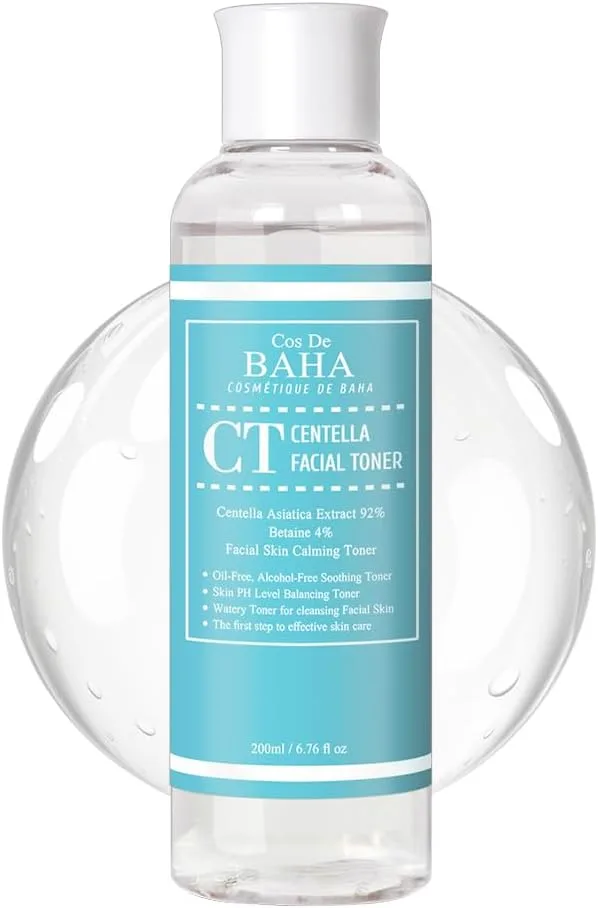
Its ingredient list is almost entirely centella: 92 percent extract replaces water, backed by 4 percent betaine and a handful of soothing botanicals, with no fragrance, oils or alcohol. That radical simplicity makes it one of the easiest toners to fit into a routine built around strong actives.
A genuinely minimal, fragrance-free toner that is 92 percent centella extract with 4 percent betaine, and it does exactly what it promises: calm, hydrate and stay out of the way. It is ideal as a buffer in routines built around retinoids or acids, though dry skin will need more moisture on top and nobody should expect treatment-level results.
This toner has roughly 131 Amazon ratings since its 2021 launch, a modest base that the score combines with the published nine-ingredient formula. The concentration of centella triterpenes such as madecassoside is not disclosed, so its soothing strength is inferred from general centella research.
Verdicts
How well it fits each concern
Verdict by concern tap a concern for the case
Good choicefor SensitivityIn your profileYou chose · No fragrance, drying alcohol, declarable allergens or sensitising preservatives in this liquid — the profile sensitive skin looks for.Not yet assessedGentleNo reviews collected yet
The case for it
Centella Asiatica Extract has been researched for this concern and the evidence does not support it.
It is present at an effective concentration, declared or high in the ingredient list.
The formula carries none of the triggers this concern is sensitive to.
Same rule for everyone. “Good choice” is the verdict on 1,938 of 45,024 concern verdicts across the catalog; rule F2 decided 1,938 of them.
As of September 25, 2026, engine 5.1.1.
Good choicefor DehydrationIn your profileYou chose · Betaine is a reference standard by mechanism for dehydration; this liquid carries it at 4%.Moderate evidenceGentleNo reviews collected yet
The case for it
Betaine has trial-supported standing for this concern.
It is present at an effective concentration, declared or high in the ingredient list.
The formula carries none of the triggers this concern is sensitive to.
Same rule for everyone. “Good choice” is the verdict on 9,564 of 45,024 concern verdicts across the catalog; rule R5 decided 9,072 of them.
As of September 25, 2026, engine 5.1.1.
Also listed for Compromised Skin Barrier and Acne — the actives here (Centella Asiatica, Betaine, Aloe Vera, Allantoin) are in our research queue for those concerns; there is no verdict until their evidence rows are written. That is a gap in our table, not a mark against the product.
Does the jobDoes what a toner is for: not alcohol-driven, adds something real. Not measured from the label: restores skin pH, plays well with what follows.
A verdict is DermApproved’s assessment of how well a product’s ingredients fit a concern — never a claim about what the product treats. Evidence dots and collected reviews sit beside it and are never blended in.
Rules 0.5.1 · evidence table ev-2026.09-r228 · how we decide
Assessment
Pros & Cons
Pros
✓ 92 percent centella extract replaces water entirely
✓ Only nine ingredients, with no fragrance or alcohol
✓ No oils, esters or polysorbates, suiting fungal-acne routines
✓ Excellent buffer alongside retinoids and exfoliating acids
✓ Absorbs instantly with no residue
Cons
✗ Too light for dry skin without extra hydration
✗ No actives for acne, pigmentation or aging
✗ Madecassoside is not added separately despite the name
✗ Bottle pours quickly, making it easy to overuse
✗ Price varies considerably between retailers
Review
Full Review
There are nine ingredients in this toner. For comparison, many hydrating toners run to thirty or forty, and some Korean essences stretch past sixty. The Cos De BAHA Centella Asiatica Madecassoside Betaine 4% Facial Toner, sold on its label simply as 'CT Centella Facial Toner', takes the opposite approach, and for the kind of skin it is designed for, that restraint is its greatest strength.
The first ingredient is centella asiatica extract, and the label puts it at 92 percent. There is no water listed; the centella extract is the base. Centella, also called cica, gotu kola or tiger grass, contains a group of triterpenes, asiaticoside, madecassoside, asiatic acid and madecassic acid, that have been studied for their anti-inflammatory and wound-healing properties. The product's long name highlights madecassoside, but it is worth being clear that madecassoside is not added separately; it is present because centella extract naturally contains it. The label does not specify the concentration of the triterpenes themselves, which vary between extracts, so the 92 percent figure describes the plant extract rather than a standardised active dose.
Betaine is second at 4 percent, and it deserves more credit than it usually gets. Derived from sugar beets, it is a gentle humectant that helps the skin hold on to water, and research suggests it can reduce the irritation potential of other ingredients in a formula. In a toner meant for sensitised skin, that is a thoughtful choice. Allantoin, a long-established skin protectant, and aloe add further soothing and hydration, while green tea, bitter melon, elderflower and edelweiss extracts contribute antioxidants in small amounts.
Just as important is what is missing. There is no fragrance, no essential oils, no alcohol, no oils or esters, no silicones and no polysorbates. That makes the toner suitable for fragrance-sensitive skin, for people prone to contact reactions and for anyone managing fungal acne, since there is nothing here that typically feeds Malassezia yeast. Nothing in the formula is likely to sting even irritated skin.
In use, the toner is almost like water. It pours thinly, absorbs instantly and leaves no residue. Patting it into the skin with the palms, rather than using a cotton pad, keeps more of it on the face and stretches the bottle. On oily and combination skin, it can be the only hydrating layer before a lightweight moisturizer. On dry skin, it will feel pleasant but insufficient on its own; a hydrating serum or a richer cream on top is necessary.
Where the toner shines is as a supporting player. People using retinoids, azelaic acid, benzoyl peroxide or exfoliating acids often find that their skin becomes reactive, tight or red. Applying a calming, fragrance-free toner before or between those steps can make a routine more tolerable. It will not stop a retinoid from causing dryness if the dose is too high, but it adds a layer of comfort without adding risk.
For people who layer many products, the toner's simplicity has a diagnostic advantage too. When skin reacts, the usual challenge is working out which of dozens of ingredients is responsible. With only nine ingredients, most of them common and well tolerated, this toner is an unlikely culprit and an easy one to rule in or out. That makes it a sensible anchor when rebuilding a routine after irritation: strip back to a gentle cleanser, this toner and a plain moisturizer, then reintroduce actives one at a time. Dermatology clinics often recommend exactly that kind of reset, and a short, fragrance-free toner fits neatly into it.
It is also worth being realistic about what a toner like this can achieve. Centella has good evidence for soothing and supporting wound healing, particularly in concentrated or purified forms, but a toner is applied briefly and in a thin layer. It will calm, hydrate and make skin feel more comfortable. It will not treat acne, fade pigmentation or reverse signs of aging. The benefits are real but modest.
Amazon reviews, about 131 ratings averaging 4.5 stars, mostly echo that picture: praise for calming redness and irritation, a pleasant watery texture and gentleness on sensitive skin, with a few comments that it feels too light for dry skin. That is a small but consistent body of feedback for a product that has been on sale since 2021.
Value depends on where you buy. The current Amazon price of about twenty-one dollars for 200ml is fair for a simple formula, though Cos De BAHA's own site has listed it lower in the past. With twice-daily use, a bottle lasts two to three months.
One small practical note: the bottle's opening pours quickly, so it is easy to use more than needed. Tipping it gently or decanting some into a pump or spray bottle helps.
For sensitive, reactive, acne-prone or fungal-acne-prone skin, and for anyone using strong actives who wants a calming first step, this toner is an easy recommendation. It is less exciting for dry skin that needs richer hydration, or for anyone looking for a toner that actively treats a specific concern. In a market full of complicated formulas, a nine-ingredient toner that simply soothes is refreshing.
Formula
Key Ingredients
The hero actives that drive this product's performance.
The toner is essentially centella water: at 92 percent it replaces water entirely, delivering the plant's soothing triterpenes, including the madecassoside the name highlights, in an ultra-simple base for reactive skin.
The second ingredient and the toner's real hydrator, a gentle sugar-beet-derived humectant that holds water in the skin and is known to reduce the irritation potential of other ingredients.
Established mechanismfor Dehydration · established mechanism
Pat or sweep on straight after cleansing as a calming base, then follow with actives and moisturizer. It is a useful buffer on nights with retinoids or exfoliants, applied before the treatment step to settle the skin.
Results Timeline
Skin feels calmer and more hydrated immediately. With twice-daily use, redness and reactivity from actives or environmental stress may settle over one to three weeks.
Cos De BAHA Centella Asiatica (CICA) Madecassoside Betaine 4% Facial Toner
Serum
Moisturizer
Sunscreen
Sample PM Routine
Cleanser
Cos De BAHA Centella Asiatica (CICA) Madecassoside Betaine 4% Facial Toner
Treatment serum
Moisturizer
Evidence
Science & Expert Perspective
The Science
Centella asiatica has one of the stronger evidence bases among soothing botanicals. Its principal active compounds are the pentacyclic triterpenes asiaticoside, madecassoside, asiatic acid and madecassic acid. Laboratory studies show these compounds can reduce the production of inflammatory mediators and stimulate fibroblast activity, and clinical research has explored centella in wound healing, scar management and barrier repair. Madecassoside in particular has been studied for its anti-inflammatory and antioxidant effects and its ability to support barrier recovery after irritation.
Because the triterpene content of centella extracts varies with the plant source and extraction method, the 92 percent figure refers to the proportion of extract in the formula, not to a standardised dose of actives. Purified or standardised extracts, such as titrated extract of Centella asiatica, are typically used in clinical trials, so results may not translate directly to a whole-plant extract toner.
Betaine, a trimethylglycine derived from sugar beets, acts as an osmolyte and humectant, helping cells maintain water balance. Studies in cosmetic formulations suggest it can reduce irritation caused by surfactants and other ingredients, making it a useful component in formulas for sensitive skin.
Allantoin has been used for decades as a skin protectant and soothing agent, and aloe vera contributes polysaccharides that support hydration.
The absence of fragrance and essential oils is clinically relevant: fragrance is one of the most common causes of allergic contact dermatitis from cosmetics, so fragrance-free formulations are generally recommended for sensitive and compromised skin. The lack of oils and esters also aligns with advice given to people with Malassezia folliculitis.
Dermatologist Perspective
Dermatologists generally favour simple, fragrance-free products for sensitive and compromised skin, and this toner's nine-ingredient formula aligns well with that approach. Centella is widely used in clinical skincare for its soothing properties, and betaine and allantoin are well tolerated. Clinicians would view the toner as a supportive step rather than a treatment, useful for patients starting retinoids or azelaic acid who need extra comfort. For patients with active eczema, rosacea or significant dryness, it can form part of a gentle routine, but a barrier-repair moisturizer remains essential. As with any botanical product, a small number of people may react to centella or other plant extracts.
Guidance
Usage & Recommendations
How to Use
Right after cleansing, pour a small amount into the palms or onto a cotton pad. Pat or gently sweep it over the face and neck, avoiding the eye area. Apply a second layer if skin feels tight. Follow with serums, treatments and moisturizer. It can be used morning and night, and works well as the first step before retinoids, azelaic acid or exfoliating acids to improve comfort. For a refreshing mist, decant some into a clean spray bottle.
Value Assessment
At about twenty-one dollars for 200ml on Amazon, the toner offers fair value for a formula that is 92 percent centella extract, and a bottle lasts two to three months. The price has been lower on the brand's own site in the past, so shopping around can improve the value. Its simplicity means you pay for a calming, hydrating base rather than a multi-active treatment. Cos De BAHA's budget positioning and transparent labelling add confidence, though the brand does not publish clinical testing. It is sold in a single 200ml size.
Who Should Buy
Sensitive, reactive, acne-prone and fungal-acne-prone skin will benefit most, as will anyone using retinoids or exfoliating acids who wants a calming, fragrance-free first step. It also suits minimalists who want a toner made from only a handful of well-tolerated ingredients.
Who Should Skip
Dry skin that needs significant hydration may find it too light unless paired with richer products. Anyone looking for a toner that exfoliates, brightens or treats a specific concern should look for a more active formula instead of this simple soother.
Ready to try Cos De BAHA Centella Asiatica (CICA) Madecassoside Betaine 4% Facial Toner?
A clear, water-thin liquid that absorbs almost instantly and leaves no film.
Scent
No added fragrance; a faint green, herbal smell from the centella extract.
Packaging
A clear 200ml plastic bottle with a screw cap and small pour opening.
Finish
invisiblenatural
What to Expect on First Use
Most people notice a cooling, calming feel and no stinging, even on irritated skin. The toner feels very light, so dry skin will want a hydrating serum or moisturizer on top.
How Long It Lasts
Two to three months with twice-daily use, patted in with the hands.
Cos De BAHA built its Amazon following on inexpensive, short-list Korean formulas. The 'CT' toner, launched in 2021 alongside a centella serum and gel cream, was designed as a calming first step for skin stressed by acne treatments and exfoliants.
About Cos De BAHA Established Brand (5–20 years)
Cos De BAHA is a Korean brand built on short-ingredient, single-active formulas sold mainly through Amazon at budget prices. It publishes no independent clinical research, but its minimalist approach makes each formula easy to assess, and this 'CT' toner has sold on Amazon since 2021.
Brand founded: 2016 · Product launched: 2021
Myth vs. Reality
Common Myths
Myth
Madecassoside is added as a separate active ingredient.
Reality
It is not listed separately. Madecassoside is one of the natural triterpenes in centella extract, so it is present because the toner is 92 percent centella, not as an isolated, measured dose.
Myth
A toner this simple can't do much.
Reality
Its job is to soothe and hydrate, and a high dose of centella plus betaine does that well. It will not exfoliate or treat pigmentation, but it makes stronger actives in the same routine easier to tolerate.
FAQ
Frequently Asked Questions
How much centella is in the Cos De BAHA CT Facial Toner?
Centella asiatica extract makes up 92 percent of the formula and is listed first, replacing water. Betaine follows at 4 percent, with a few soothing botanicals rounding out the list.
Is the Cos De BAHA Centella Toner good for sensitive skin?
Yes, it is one of the gentlest toners available: nine ingredients, no fragrance, essential oils or alcohol. It suits sensitive, reactive and acne-prone skin, though any botanical can occasionally irritate.
Can I use the CT toner with retinol or acids?
Yes. Its calming, hydrating formula works well as a first step before retinoids, azelaic acid or exfoliants, and can make those actives more comfortable to use.
Is the Cos De BAHA Centella Toner safe for fungal acne?
It contains no oils, fatty acids, esters or polysorbates, so it is generally considered compatible with fungal-acne routines.
Does the CT toner exfoliate?
No. It has no acids or enzymes. It is a soothing, hydrating toner; for exfoliation, pair it with a separate AHA, BHA or PHA product on alternate nights.
Is the Cos De BAHA Centella Toner safe during pregnancy?
Its ingredients, centella, betaine, aloe and allantoin, are not among those typically restricted in pregnancy. It is widely regarded as pregnancy-compatible, though checking with a clinician is always reasonable.
Reviews
What Reviewers Tend to Say
Recurring themes our editors read across retailer reviews of this product — summaries in our words, not quotations, and not a substitute for your own patch test.
Every cica, calming, and barrier product leans on the same three ingredients, and the real mechanisms are far more specific — and more limited — than 'soothing' lets on.
The burn trials are real and the skeptics who dismiss aloe as folklore are wrong — but the same substance has delayed healing in other wounds, and none of it says anything about what a soothing gel does to intact skin.
The K-beauty buzzword slaps a green leaf on half the shelf — but centella is one of the rare botanicals with genuine wound-healing data. The trick is knowing which molecule is doing the job.
Products, answers, therapy guides, tools and articles in one search. Brand names,
slang and abbreviations all work — accutane finds isotretinoin, bacne finds truncal acne.