Rosacea Isn't One Thing — and That's Why Your 'Anti-Redness' Routine Isn't Working
Flushing, bumps, and visible vessels are three different problems hiding under one word, and treating them the same way is how most people make their skin angrier.
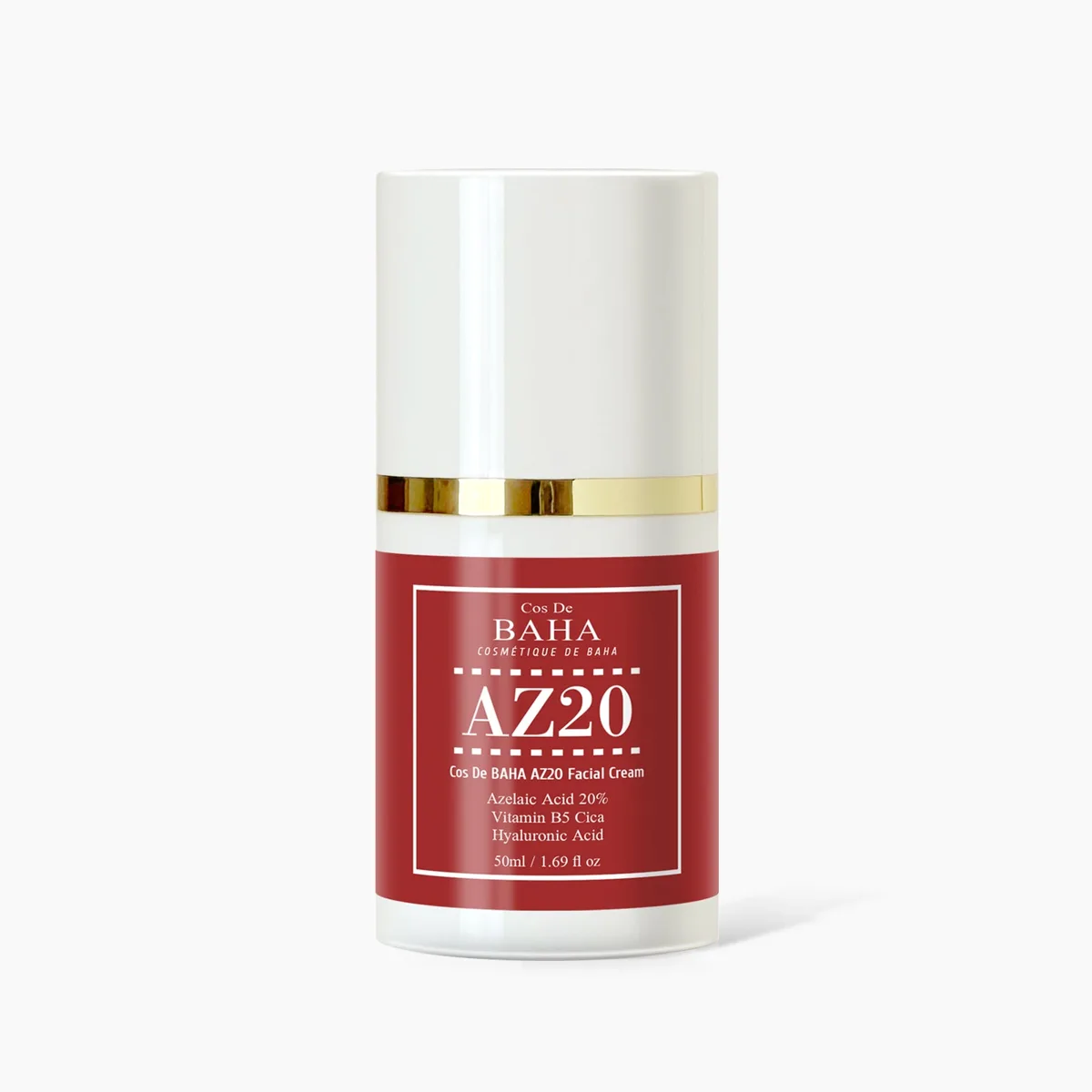
It delivers 20 percent azelaic acid in a softening cream emulsion, fragrance-free and supported by MSM, panthenol, ceramide and centella, with a deliberately intermittent two-to-three-nights-a-week schedule.
A strong, sensibly built 20 percent azelaic acid cream that pairs a high dose with a cushioning, fragrance-free base and a gentle two-to-three-nights-a-week schedule. It is excellent value for acne, redness and dark marks, but irritation is likely at first, the pH is undisclosed, and its esters rule it out for fungal acne.
This 2025 cream has very few independent reviews, so its assessment relies on the declared 20 percent azelaic acid formula and published evidence for the ingredient. Its pH and how it performs relative to prescription creams are not documented.
The case for it
Cautions: fungal-acne triggers.
Same rule for everyone. “Strong choice” is the verdict on 1,459 of 45,024 concern verdicts across the catalog; rule R2 decided 892 of them. As of September 25, 2026, engine 5.1.1.
Brand or formulator? Disclose a concentration or correct a fact →
The studies behind the evidence row
The case for it
Same rule for everyone. “Strong choice” is the verdict on 1,459 of 45,024 concern verdicts across the catalog; rule R2 decided 892 of them. As of September 25, 2026, engine 5.1.1.
Brand or formulator? Disclose a concentration or correct a fact →
The studies behind the evidence row
The case for it
Same rule for everyone. “Good choice” is the verdict on 9,564 of 45,024 concern verdicts across the catalog; rule R5 decided 9,072 of them. As of September 25, 2026, engine 5.1.1.
Brand or formulator? Disclose a concentration or correct a fact →
The studies behind the evidence row
The case for it
What would change this: Guideline or regulatory standing for the active on this concern would move this from a promising bet to a recommendation.
Same rule for everyone. “Promising” is the verdict on 7,858 of 45,024 concern verdicts across the catalog; rule R9p decided 7,858 of them. As of September 25, 2026, engine 5.1.1.
Brand or formulator? Disclose a concentration or correct a fact →
The studies behind the evidence row
A verdict is DermApproved’s assessment of how well a product’s ingredients fit a concern — never a claim about what the product treats. Evidence dots and collected reviews sit beside it and are never blended in. Rules 0.5.1 · evidence table ev-2026.09-r228 · how we decide
Most skincare products want to be used every day. Cos De BAHA's AZ20 cream asks for less: the brand recommends applying it in the evening two or three times a week. That instruction says a lot about the product. At twenty percent, the azelaic acid here is the highest concentration of the active you are likely to find without a prescription, matching the strength of the original prescription azelaic acid cream developed for acne decades ago. Twenty percent can be very effective, and it can also sting, itch and dry the skin, so the brand has chosen to pair a strong dose with a cautious schedule. For a certain kind of user that is a smart combination.
Azelaic acid comes second on the ingredient list, immediately after water, which is consistent with a genuine twenty percent. Propylene glycol and sodium hydroxide follow, helping to dissolve and partially neutralise the acid, just as in the brand's AZ15 serum. The difference is the base. AZ20 is a proper emulsion, with caprylic/capric triglyceride, cetearyl alcohol, glyceryl stearate, dimethicone and olive-derived emulsifiers creating a soft cream that melts into the skin. That richer vehicle helps in two ways: it cushions the irritation that often comes with high-strength azelaic acid, and it adds moisture that the acid tends to take away.
The soothing and barrier ingredients echo the serum but sit in a more protective setting. Betaine, MSM, panthenol, allantoin and dipotassium glycyrrhizate calm the skin. Centella and madecassoside support recovery. Two hyaluronic acids, tocopherol and ceramide NP round out the barrier support. The formula is fragrance-free, with no essential oils, and the botanicals at the end are minor. This is a sensibly designed cream around one strong active.
Why use a cream at twenty percent instead of a serum at fifteen? For some people, a higher dose used intermittently is easier to manage than a lower dose used daily, and the cream base makes each application gentler. For others, especially those with oily skin who prefer light layers or who want to use azelaic acid morning and night, the serum format may suit better. The two products are not interchangeable; they are different approaches to the same ingredient, and choosing between them is a matter of skin type, schedule and tolerance rather than one being simply stronger.
Azelaic acid is one of the most versatile and best-studied actives in dermatology. It reduces acne-causing bacteria, helps keep pores from clogging by normalising how skin cells shed, dampens inflammation and inhibits tyrosinase, the enzyme involved in pigment production. That makes it a good fit for acne, the inflamed bumps and redness of rosacea, and the dark marks that breakouts leave behind. It is also generally regarded as safe during pregnancy and breastfeeding, a distinction few acne actives share, and it does not make skin more sensitive to the sun in the way retinoids and exfoliating acids can, though sunscreen remains essential for pigmentation.
The main caveat is irritation. At twenty percent, tingling, itching and mild redness are common in the first weeks, and some people also notice dryness or flaking. The brand's twice- or thrice-weekly schedule helps here, as does applying the cream to completely dry skin and following with a plain moisturiser if needed. People with very reactive or rosacea-prone skin may prefer to start with a lower-strength product and work up. As with the serum, the pH is not published, so it is unclear how much of the acid remains in its free, most skin-penetrating form.
Oily and acne-prone users should note that the cream contains fatty esters and olive-derived emulsifiers, which some people with Malassezia folliculitis avoid, and the base is richer than a gel. For normal, combination and dry skin types, however, the texture is comfortable and non-greasy once absorbed.
A simple weekly plan makes the cream easy to use well. Pick two or three fixed evenings, for example Monday, Wednesday and Friday, and keep those nights free of retinoids, acids and scrubs. On the remaining evenings, a gentle cleanser and a bland moisturiser, or a retinoid if you already use one, let the skin recover. After four to six weeks without significant irritation, some people add a fourth evening, while others find three is the sweet spot. Applying the cream to skin that is still damp tends to increase stinging, so waiting a few minutes after cleansing helps. Areas prone to dryness, such as around the nose and mouth corners, can be protected with a thin layer of moisturiser before the cream goes on, a common trick with strong actives that reduces flaking without noticeably reducing the benefit elsewhere.
AZ20 launched in 2025 as part of a broader expansion of Cos De BAHA's azelaic range, and independent reviews are still scarce, so the real-world picture relies mainly on the brand's formula and the general azelaic acid evidence. At around nineteen dollars for 50 ml from US retailers, the price is remarkably low for such a high concentration, and applying it only a few nights a week makes the tube last months.
For people who have tolerated lower-strength azelaic acid and want to step up, or who prefer a cream they can use a few times a week, AZ20 is a thoughtful and inexpensive option. For moderate or severe acne and rosacea, a dermatologist can prescribe azelaic acid formulations with proven results, often alongside other treatments.
The hero actives that drive this product's performance.
| Ingredient | Function | Evidence |
|---|---|---|
| Azelaic Acid (20%) | Listed second at a declared 20 percent in a cushioning cream base, designed for two or three evening applications a week to target acne, redness and dark marks. | Regulator-approved for Rosacea · well-established certainty |
| Dimethyl Sulfone (MSM) | Added with betaine for its soothing reputation, helping skin tolerate the high azelaic acid concentration. | Not yet assessed |
| Panthenol | Calms and hydrates alongside allantoin and liquorice-derived dipotassium glycyrrhizate, offsetting azelaic acid's early sting. | No qualifying study for Rosacea |
| Ceramide NP | Supports the skin barrier within the emulsion, together with tocopherol and hyaluronic acids, to counter dryness from the strong active. | Not yet assessed |
| Madecassoside | A purified centella compound that supports recovery of inflamed or irritated skin between applications. | Limited for Rosacea |
Ingredient standings describe the active at treatment-level doses and vehicles; this product's own condition grades weigh its actual formula.
Water, Azelaic Acid, Propylene Glycol, Sodium Hydroxide, Caprylic/Capric Triglyceride, 1,2-Hexanediol, Cetearyl Alcohol, Glyceryl Stearate, Dimethicone, Cetearyl Olivate, Sorbitan Olivate, Betaine, Dimethyl Sulfone, Panthenol, Allantoin, Dipotassium Glycyrrhizate, Centella Asiatica Extract, Madecassoside, Sodium Hyaluronate, Hydrolyzed Hyaluronic Acid, Tocopherol, Ceramide NP, Polysorbate 60, Camellia Sinensis Leaf Extract, Sambucus Nigra Flower Extract, Momordica Charantia Fruit Extract, Leontopodium Alpinum Extract
treatment
PM
Apply to completely dry skin after toner on two or three evenings a week, then follow with a plain moisturiser if needed; keep retinoids and exfoliating acids to other nights.
First two weeks: tingling, itch or mild dryness is common. Four to six weeks: inflamed spots and redness often calm. Eight to twelve weeks: dark marks and uneven tone improve more visibly with consistent use.
Azelaic acid works on several pathways relevant to acne and rosacea: it has antimicrobial activity against Cutibacterium acnes, normalises follicular keratinisation, reduces reactive oxygen species and inflammatory signalling, and inhibits tyrosinase, which helps fade post-inflammatory pigmentation. A 20% cream was the first prescription azelaic acid formulation for acne, and the 15% gel later showed benefit in rosacea; the 2003 phase III trials reported by Thiboutot and colleagues in the Journal of the American Academy of Dermatology found significantly greater lesion reductions with azelaic acid than with vehicle.
AZ20 places azelaic acid immediately after water, consistent with its 20 percent label. As in many cosmetic formulations, sodium hydroxide partially neutralises the acid to improve solubility and comfort, and propylene glycol acts as a solvent. The resulting mixture of free acid and azelate salt affects penetration; without a published pH, it cannot be directly compared with prescription products, and clinical trial results should not be assumed to transfer.
The emulsion base, with caprylic/capric triglyceride, fatty alcohols and olive-derived emulsifiers, is likely to improve tolerability, and ceramide NP, betaine, panthenol, allantoin and dipotassium glycyrrhizate support barrier function and reduce irritation. The recommended intermittent schedule of two or three evenings a week trades some frequency for comfort, which may help adherence.
Azelaic acid is widely used in dermatology for acne, papulopustular rosacea and post-inflammatory hyperpigmentation, and it is frequently recommended when retinoids are unsuitable, including during pregnancy. At higher concentrations, clinicians expect transient burning, itching and dryness, and often advise gradual introduction, application to dry skin and a bland moisturiser. Over-the-counter azelaic products differ in formulation and may not match prescription gels or creams in efficacy. Patients with persistent, moderate or severe disease are generally encouraged to seek assessment, as combination treatment is often needed. Daily sunscreen supports pigmentation outcomes.
Two or three evenings a week, after cleansing and toning, make sure the skin is completely dry, then pump a pea-sized amount and spread a thin layer over the face, avoiding the eyes, nostrils and lips. Follow with a plain moisturiser if your skin feels tight. On other nights, use your usual routine or other actives such as a retinoid. Apply sunscreen every morning. If irritation persists beyond a few weeks, reduce frequency or switch to a lower strength.
At around nineteen dollars for 50 ml from US retailers, AZ20 is very inexpensive for a 20 percent azelaic acid cream, and used two or three nights a week the tube can last four months or more. The fragrance-free, soothing formula adds to its value. The main unknowns, pH and clinical performance compared with prescription products, are worth keeping in mind, but as a low-cost step up for people already comfortable with azelaic acid it is strong value. Cos De BAHA's pricing reflects a lean, direct-to-consumer approach.
People with acne, rosacea-type bumps or post-acne marks who already tolerate azelaic acid and want a stronger, fragrance-free cream they can use a few evenings a week at a low price.
Beginners with very reactive or rosacea-prone skin, people with fungal acne, and anyone with moderate to severe acne or rosacea who would benefit more from prescription treatment.
Ready to try Cos De BAHA Azelaic Acid 20% MSM B5 CICA Cream?
Buy at Amazon ♥A soft white cream that spreads smoothly and absorbs into a velvety, non-greasy finish.
Fragrance-free with a barely noticeable base scent.
A 50 ml white airless pump bottle with a gold band.
Expect tingling, itching or slight redness for the first couple of weeks, especially on cheeks. Some dryness or flaking can occur. Using it only two or three evenings a week, as directed, keeps this manageable.
About four to five months when applied two or three evenings a week.
All Year
AZ20 was introduced in 2025 as the top strength of Cos De BAHA's azelaic acid range, alongside the AZ15 serum and lower-strength products, for users ready to step up from 5 or 10 percent.
Founded in Korea in 2016, Cos De BAHA sells inexpensive single-active formulas with labelled concentrations, largely through Amazon and its own shops. Its products are not backed by published clinical trials of their own.
Higher azelaic acid concentration always means faster results.
Twenty percent can work well but causes more irritation. Many people get similar benefits from lower strengths used consistently.
Azelaic acid makes skin sensitive to the sun like retinoids.
Azelaic acid is not strongly photosensitising, but sunscreen is still essential when treating dark marks.
The brand recommends applying it in the evening two or three times a week, which helps limit irritation from the 20 percent azelaic acid.
Yes. It contains no added fragrance or essential oils.
Azelaic acid is generally considered one of the safer acne ingredients in pregnancy, but confirm with a clinician first.
AZ15 is a clear 15 percent serum for daily use, while AZ20 is a 20 percent cream suggested for two or three evenings a week.
Azelaic acid is used for the bumps and redness of rosacea, but 20 percent may be too strong for reactive skin. Start slowly or ask a dermatologist.
It contains fatty esters and olive-derived emulsifiers that people with Malassezia folliculitis often avoid.
Recurring themes our editors read across retailer reviews of this product — summaries in our words, not quotations, and not a substitute for your own patch test.
High azelaic acid strength at a low price
Soft, non-greasy cream texture
Fragrance-free
Stinging and itch at first
Can cause dryness or flaking
Limited availability