




"It's Just Purging" Is the Most Expensive Sentence in Skincare
Purging is a real phenomenon with a real mechanism — which is exactly why it gets used to justify eight weeks of damage it could never have caused.
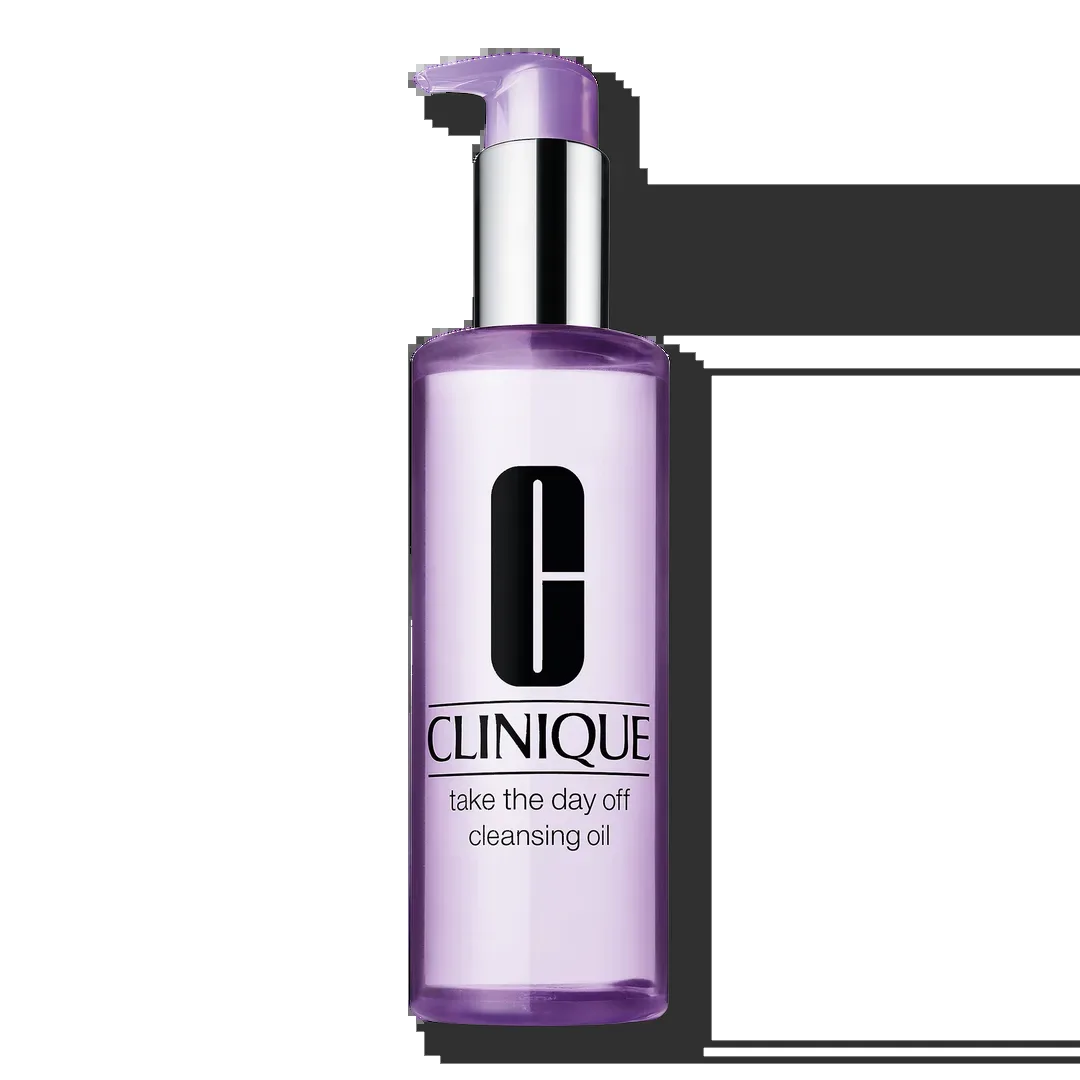
Despite being labeled a 'cleansing oil,' this formula contains zero traditional plant or mineral oils. It is built entirely on synthetic esters — cetyl ethylhexanoate and triethylhexanoin — that mimic oil's dissolving behavior while being lighter, less comedogenic, and more predictable in formulation stability. The addition of glycerin provides a hydrating touch unusual in oil cleansers, and the pump-bottle format offers a hygiene advantage over jar-packaged alternatives.
The overlooked sibling of one of skincare's most famous products — and in many practical respects, the better value. Same gentle, minimalist cleansing philosophy in a more hygienic pump bottle, at nearly half the per-ounce cost, without the microplastic controversy. It deserves far more attention than it gets.
The case for it
What would change this: A researched evidence row for the lead active would replace this with a verdict.
Same rule for everyone. “Good choice” is the verdict on 1,938 of 45,024 concern verdicts across the catalog; rule F2 decided 1,938 of them. Unchanged since September 5, 2026, engine 5.1.1.
Brand or formulator? Disclose a concentration or correct a fact →
Also listed for Compromised Skin Barrier — the actives here (Emollient Esters, Vitamin E, Glycerin) are in our research queue for that concern; there is no verdict until their evidence rows are written. That is a gap in our table, not a mark against the product.
As a cleanserNot judged: what a cleanser is for — surfactant mildness, pH match to skin, rinses clean without stripping — cannot yet be measured from the ingredient list (only puts something back can).
A verdict is DermApproved’s assessment of how well a product’s ingredients fit a concern — never a claim about what the product treats. Evidence dots and collected reviews sit beside it and are never blended in. Rules 0.5.1 · evidence table ev-2026.09-r228 · how we decide
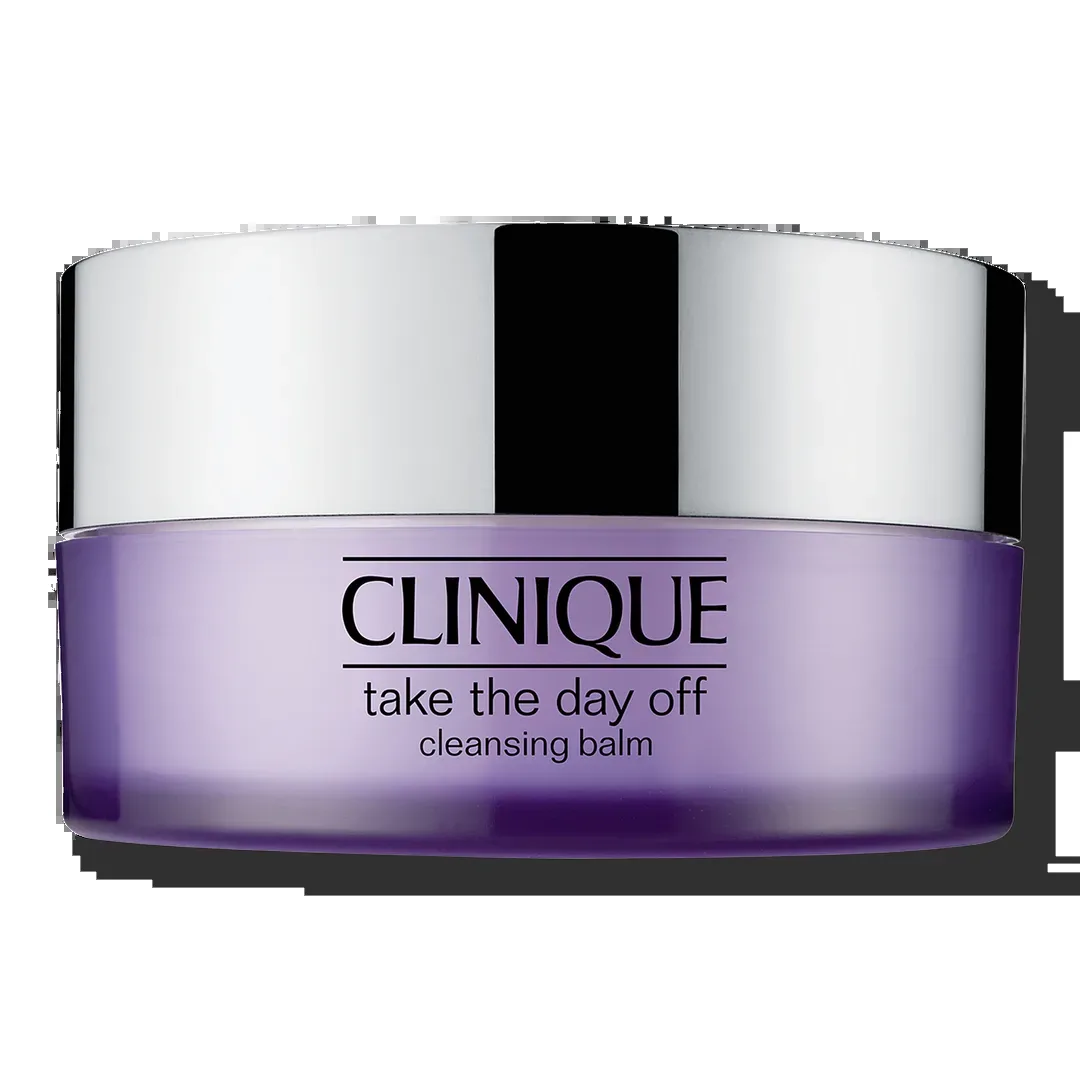
Every family has a favorite child. In the Clinique Take the Day Off family, the Cleansing Balm gets the magazine features, the best-of lists, the cult status, and the social media reverence. The Cleansing Oil stands quietly beside it on the shelf, doing functionally the same job at nearly half the per-ounce price, in more hygienic packaging, without the microplastic ingredient that generates consumer concern. It is the overlooked sibling that wins on the spreadsheet even if it loses on Instagram.
The formula philosophy is identical to the Balm's: dissolve oil-based impurities through chemical compatibility, emulsify with water, rinse clean. But the execution differs in ways that matter. Where the Balm uses safflower seed oil as its plant-oil base, the Oil builds entirely on synthetic esters — cetyl ethylhexanoate and triethylhexanoin — that mimic oil's dissolving behavior without actually being oils. This is a meaningful distinction for two reasons: synthetic esters are lighter and less likely to cause comedone formation than plant oils, and their composition is more predictable, reducing batch-to-batch variation that can affect sensitive skin.
Thirteen ingredients fill the complete formula — four more than the Balm's famously minimalist nine, but still remarkably restrained for the category. The additional ingredients include glycerin, which provides a hydrating touch during cleansing that the Balm lacks, and tocopheryl acetate (a more stable vitamin E derivative than the pure tocopherol in the Balm). BHT serves as the antioxidant stabilizer — a synthetic alternative to the Balm's natural tocopherol approach. None of these additions introduce common irritants or allergens.
Notably absent from this formula: polyethylene. The Cleansing Balm's inclusion of polyethylene — classified as a microplastic — has become a talking point for environmentally conscious consumers. The Cleansing Oil sidesteps this controversy entirely. For consumers who want the Take the Day Off cleansing experience without the microplastic question, the Oil is the clear choice.
In use, the experience is straightforward and efficient. Two to three pumps of the clear liquid oil spread easily across a dry face. The texture is thinner and lighter than most cleansing oils — it feels less like oil and more like a lightweight serum with slip. Makeup dissolves on contact, including foundation, concealer, and lipstick. Waterproof mascara requires slightly more patience — holding the oil on closed eyelids for ten to fifteen seconds before massaging allows the esters to fully break down the waterproof polymers.
The emulsification step is genuinely satisfying. A splash of water transforms the clear oil into an opaque milky liquid within seconds. Continue massaging for another fifteen to twenty seconds and the emulsion rinses away completely, leaving skin that feels clean, soft, and subtly hydrated rather than stripped. The glycerin's contribution is noticeable here — there is a slight moisture retention that the Balm's simpler formula does not provide.
The pump bottle format deserves appreciation. Where the Balm requires scooping from a jar with potentially contaminated fingers, the Oil dispenses through a hygienic pump that never exposes the remaining product to bacteria or air. For a product used nightly for months, this packaging advantage adds up in terms of product integrity and shelf life.
The value proposition is compelling when examined objectively. At thirty-seven dollars for 6.7 ounces, the cost per ounce is approximately $5.52. The Cleansing Balm, at forty-four dollars for 3.8 ounces, costs approximately $11.58 per ounce — more than twice as much. With nightly use, the Oil lasts five to seven months, making the per-use cost roughly 17-25 cents. For a product that performs functionally the same cleansing task, the economic argument for the Oil is straightforward.
Why, then, does the Oil receive a fraction of the attention? Partly because the Balm arrived first and established the line's reputation. Partly because the balm-to-oil texture transformation is more Instagrammable than squeezing a pump. And partly because the Oil's virtues — value, hygiene, simplicity — are practical rather than exciting. The skincare market rewards novelty and sensory experience, and the Oil offers neither. It offers reliability, which is less photogenic but arguably more valuable.
The trade-offs mirror the Balm's: there is no sensory luxury here. No beautiful fragrance, no sumptuous texture, no moment of self-care indulgence. The Oil is a tool that removes makeup. It does this job exceptionally well, at an excellent price, with minimal risk to any skin type. For some users, that is exactly enough. For others who want their evening cleanse to feel like a ritual rather than a task, the utilitarian experience will feel lacking.
The BHT inclusion warrants a brief note for transparency. BHT is a synthetic antioxidant that has attracted consumer skepticism, primarily based on older research at high oral doses in animal studies. In a rinse-off product at minimal concentrations, the exposure is negligible. However, consumers with strong preferences against synthetic preservatives should be aware of its presence.
As a first cleanser in a double-cleansing routine, the Take the Day Off Cleansing Oil may be the best value in Clinique's entire portfolio. It delivers the brand's allergy-tested, dermatologist-tested, fragrance-free promise at a price point that makes nightly use genuinely affordable. That its more famous sibling gets all the attention is one of skincare's quieter injustices.
The hero actives that drive this product's performance.
| Ingredient | Function | Evidence |
|---|---|---|
| Cetyl Ethylhexanoate | The primary dissolving agent in this formula — a lightweight synthetic ester that instantly breaks down oil-soluble impurities on contact. Its synthetic nature means it is lighter and less comedogenic than plant-based oils, which is why this product technically contains no traditional oils despite being called a 'cleansing oil.' | Not yet assessed |
| Triethylhexanoin | A branched-chain ester that enhances the dissolving power and spreadability of the formula. Works alongside the cetyl ethylhexanoate to create the silky, slip texture that allows the product to glide across skin and dissolve makeup with minimal friction or tugging. | Not yet assessed |
| Glycerin | An unusual addition to a cleansing oil — provides a touch of humectant hydration during the cleansing process, so skin retains more moisture than it would with a purely ester-based formula. This is the ingredient that gives this oil its slightly more hydrating rinse-off feeling compared to the Cleansing Balm. | Not yet assessed |
| Tocopheryl Acetate | A stable vitamin E derivative that provides antioxidant protection to both the formula itself (preventing rancidity) and the skin during the cleansing process. The acetate form is more stable than pure tocopherol, extending the product's shelf life without requiring aggressive preservatives. | Not yet assessed |
Ingredient standings describe the active at treatment-level doses and vehicles; this product's own condition grades weigh its actual formula.
Cetyl Ethylhexanoate, Triethylhexanoin, PEG-20 Glyceryl Triisostearate, Polybutene, PEG-8 Diisostearate, PEG-12 Diisostearate, PPG-15 Stearyl Ether, Water/Aqua/Eau, Tocopheryl Acetate, Glycerin, Caprylyl Glycol, Glyceryl Laurate, BHT
cleanser
PM
Apply to dry skin as the first step of a double-cleanse routine. Massage to dissolve makeup and sunscreen, add water to emulsify, rinse, then follow with a water-based second cleanser. The pump format allows controlled dispensing.
Immediate — dissolves makeup and sunscreen within 60 seconds. Skin feels clean and hydrated immediately after rinsing. Long-term double-cleansing supports clearer pores and improved skin clarity.
The synthetic ester approach in this formula reflects a deliberate formulation choice that prioritizes consistency and reduced comedogenic risk. Cetyl ethylhexanoate and triethylhexanoin are branched-chain esters with controlled molecular properties — their branching reduces skin penetration compared to straight-chain oils while maintaining excellent dissolving capacity for oil-based impurities.
The inclusion of glycerin distinguishes this from most oil-based cleansers. Glycerin is a well-documented humectant that draws water into the stratum corneum, and its presence in a cleansing product helps mitigate the transient barrier disruption that occurs during any cleansing step. A study reported in the British Journal of Dermatology has shown that glycerin-containing cleansers produce less transepidermal water loss (TEWL) post-cleansing compared to glycerin-free alternatives.
The emulsification system relies on PEG-20 glyceryl triisostearate and related PEG esters, which create self-emulsifying behavior when water is introduced. These molecules contain both lipophilic (oil-attracting) and hydrophilic (water-attracting) regions, allowing them to bridge the oil-water interface and facilitate complete rinsing. This eliminates the residual oil film that non-emulsifying cleansing oils leave behind.
The oil-free claim, despite the product name, is technically accurate — synthetic esters are not classified as oils in cosmetic chemistry, though they mimic oil's dissolving behavior through similar intermolecular forces. This distinction matters for consumers whose skin reacts differently to natural oils versus synthetic emollients.
Dermatologists recognize this as a safe, effective first-step cleanser for virtually all skin types and conditions. The non-acnegenic, allergy-tested, ophthalmologist-tested credentials make it a reliable recommendation for patients with sensitive, reactive, or acne-prone skin. Dermatologists in everyday practice commonly agree that the ester-based approach eliminates the variable of natural oil quality and composition that can affect patient outcomes with plant oil-based cleansers. The glycerin content provides a practical advantage for patients with dry or compromised skin barriers who need effective makeup removal without additional moisture stripping.
Apply two to three pumps to dry palms. Spread the oil across your dry face using gentle, circular motions. Spend 60 seconds massaging, focusing on areas with heavier makeup or sunscreen application. For waterproof eye makeup, hold the oil on closed eyelids for 10-15 seconds before massaging. Add a splash of lukewarm water and continue massaging — the oil will emulsify into a milky consistency. Rinse thoroughly with lukewarm water. Follow with a water-based second cleanser to complete your double cleanse.
At $37 for 6.7 ounces, this is one of the best value cleansers in Clinique's portfolio. The per-ounce cost of approximately $5.52 is remarkably competitive for a prestige, allergy-tested, dermatologist-developed product — less than half the per-ounce cost of the Cleansing Balm ($11.58/oz). With nightly use, the bottle lasts five to seven months, making the per-month cost roughly $5-7. This puts a prestige cleansing experience within easy budget reach, which is a genuine achievement for a product with this many clinical testing credentials.
Value-conscious consumers who want the Take the Day Off cleansing experience without the premium per-ounce cost of the Balm. Those who prefer pump packaging for hygiene reasons. Consumers who want to avoid polyethylene/microplastics. Anyone with sensitive, acne-prone, or reactive skin who needs a gentle, minimalist first cleanser.
Those who value a rich, luxurious cleansing balm texture and are willing to pay the per-ounce premium. Anyone with strict PEG-free or BHT-free ingredient preferences. Users looking for additional skincare benefits beyond cleansing — this is purely functional.
Ready to try Clinique Take The Day Off Cleansing Oil?
Buy at Amazon ♥Lightweight, silky liquid oil with a thinner consistency than typical cleansing oils. Feels smooth and non-greasy during application. Emulsifies instantly into a milky consistency when water is added, then rinses completely clean.
Fragrance-free. Completely unscented during use.
Plastic pump bottle in Clinique's clean white design. The pump format is more hygienic than the Cleansing Balm's jar and allows precise, mess-free dispensing. Sturdy and travel-friendly.
Pump two to three presses into dry palms. The clear, lightweight oil spreads easily across the face with a silky slip. Makeup dissolves on contact without rubbing. When water is added, the oil emulsifies instantly into a milky white liquid that rinses away completely. Skin feels clean, soft, and slightly hydrated from the glycerin — noticeably different from the tighter feel some foaming cleansers leave behind.
Roughly 5-7 months at nightly use
All Year
The Take The Day Off Cleansing Oil was designed as the liquid counterpart to the cult-favorite Cleansing Balm, offering the same dissolution chemistry in a format preferred by those who find balm textures too waxy or jar packaging unhygienic. While it lives in the shadow of its more famous sibling, the oil quietly offers a compelling argument: same gentle cleansing philosophy, better per-ounce value, and more hygienic packaging.
Clinique was founded in 1968 as the first dermatologist-developed prestige skincare brand. The Take the Day Off line is one of Clinique's most trusted ranges, with allergy-tested, fragrance-free formulations specifically designed for sensitive skin.
This product is an oil, so it will clog pores
Technically, this formula contains no traditional oils at all — it uses synthetic esters that mimic oil behavior. These esters are lighter and less likely to clog pores than plant oils. The non-acnegenic testing confirms its safety for breakout-prone skin.
The Cleansing Balm is always better than the Cleansing Oil
Both products achieve the same fundamental goal — dissolving oil-based impurities with minimal irritation. The Oil offers better per-ounce value ($5.52/oz vs $11.58/oz for the Balm), more hygienic pump packaging, and avoids the polyethylene (microplastic) present in the Balm. The Balm offers a richer, more luxurious application experience and arguably superior dissolution of heavy waterproof formulas.
Both achieve the same cleansing goal but differ in format, ingredients, and value. The Oil is a liquid in a pump bottle, contains no polyethylene microplastics, and costs about $5.52 per ounce vs the Balm's $11.58 per ounce. The Balm is a solid that melts into oil, has a richer texture preferred for heavy makeup, and uses safflower seed oil where the Oil uses synthetic esters. Choose the Oil for value and hygiene; the Balm for texture and heavy-duty dissolution.
Correct — despite the name, this formula is built entirely on synthetic esters (cetyl ethylhexanoate and triethylhexanoin) rather than traditional plant or mineral oils. These esters behave like oils for dissolving purposes but are lighter, more predictable, and generally less comedogenic. This distinction matters for users who react to specific plant oils.
Yes — the ester-based formula dissolves waterproof formulas effectively, though the Cleansing Balm's thicker consistency provides slightly more dwell time on stubborn eye makeup. For the Oil, hold a few drops on closed eyelids for 10-15 seconds before gently massaging to allow the esters to fully break down waterproof polymers.
Yes — the non-acnegenic testing confirms its safety. The synthetic ester base avoids the comedogenic concerns associated with some plant oils, and the emulsification system ensures complete rinsing with no pore-clogging residue. Always follow with a water-based second cleanser for the most thorough double-cleanse.
BHT (butylated hydroxytoluene) is a synthetic antioxidant added to prevent the ester-based formula from oxidizing and going rancid. It extends shelf life and maintains product stability. While BHT is a topic of consumer debate, it is used here at minimal concentrations and is washed off during cleansing rather than left on skin.
Recurring themes our editors read across retailer reviews of this product — summaries in our words, not quotations, and not a substitute for your own patch test.
Extremely gentle — never irritates even very sensitive skin
Removes all makeup and sunscreen effectively
Emulsifies and rinses completely clean with no residue
Bottle lasts a very long time — excellent economy
No essential oils or mineral oils — suitable for the most reactive skin
Convenient pump bottle format is more hygienic than a jar
Less exciting or luxurious than other oil cleansers — very utilitarian
Lower market awareness compared to the Cleansing Balm sibling
Contains PEG-based emulsifiers which some consumers prefer to avoid
Contains BHT — a synthetic antioxidant some consumers are cautious about
Not as widely stocked at all retailers as the Balm
Verified answers from our questions library — the nuance a product page cannot carry.