Coconut Oil Is Genuinely Good at One Job and Genuinely Bad at Another
It beat mineral oil in a randomised eczema trial and it still breaks out a lot of faces. Both are true, and the usual explanation for the second one is wrong.
Read the preview
From the DermApproved blog, in DIY and At-Home: coconut oil beat mineral oil in a randomised trial of children with eczema, and cleared staph off adult eczema skin. It also breaks out an enormous number of faces. Both are true. The reason the internet gives for avoiding it turns out to be the wrong reason — For the full breakdown, visit dermapproved.com/blog.
Two true things nobody wants to hold at once
Coconut oil occupies a strange position. In wellness spaces it is a cure-all. In evidence-based skincare spaces it is a punchline — the thing that ruined someone's skin for four months, brought up as shorthand for the whole category of kitchen remedies.
Both camps are working from partial information. The clinical evidence for coconut oil in eczema is genuinely stronger than most sceptics realise. And it does break out a very large number of people on the face, which no amount of trial data changes.
The interesting part is that the argument usually deployed against it — the comedogenic rating, the Malassezia rule — is either resting on a badly discredited assay or getting the right conclusion via reasoning that recent work does not support. It is possible to be right for the wrong reasons, and this is a case study in it.
The evidence is better than sceptics expect
Two trials carry most of the weight, and both are worth reading rather than summarising away.
The first is a randomised, double-blind study of paediatric atopic dermatitis published in the International Journal of Dermatology. One hundred and seventeen children with mild to moderate disease were randomised to topical virgin coconut oil or mineral oil for eight weeks. Mean SCORAD index fell by 68.23% in the coconut oil arm against 38.13% in the mineral oil arm. Transepidermal water loss in the coconut oil group went from a baseline mean of 26.68 to 7.09, against 24.12 to 13.55 for mineral oil, and skin capacitance rose further too. Forty-six per cent of the coconut oil group achieved an excellent response against nineteen per cent on mineral oil. Mineral oil is not a straw man — it is a competent occlusive emollient — and coconut oil beat it on every measure.
The second is a double-blind trial in adults with atopic dermatitis colonised by Staphylococcus aureus, comparing virgin coconut oil with virgin olive oil over four weeks. Of twenty coconut oil subjects positive at baseline, one remained positive afterwards. Of twelve olive oil subjects, six did. The relative risk was 0.10 and the number needed to treat was 2.2. Since staphylococcal colonisation is a genuine driver of eczema flares rather than an incidental finding, that is a mechanistically meaningful result, and the plausible explanation is monolaurin and the medium-chain fatty acid fraction having real antibacterial activity.
So the correct summary is not "coconut oil is a myth." It is that coconut oil has replicated, controlled evidence in atopic dermatitis, which places it above almost everything else in the pantry. The eczema pathway puts that in context against the interventions that outperform it, because being better than mineral oil in a trial does not make it first-line.
The comedogenic rating is not the evidence you think it is
Ask why coconut oil is bad for faces and you will get a number: it rates four out of five on the comedogenic scale. That number has a provenance problem.
The scale comes from the rabbit ear assay, in which substances were applied neat to the interior of a rabbit's ear and the follicles examined for comedone formation. In 1982 the Journal of the American Academy of Dermatology published a review asking directly whether the rabbit ear model was prophetic of acnegenicity, and its answer was blunt: many problems in the performance of the test method, absence of correlation with experience in humans, and consequently serious limits on what a clinical dermatologist can conclude from it. A human model for assessing comedogenic substances was published in Archives of Dermatology the same year, precisely because the animal one was not doing the job.
The specific failure modes matter. Rabbit ear follicles are far more reactive than human facial follicles, so the assay produces false positives at a high rate. The rabbit ear also carries naturally prominent follicular openings that early work counted as comedones. And crucially, ingredients were tested neat — at full strength — rather than at the concentration they appear at in a finished formula, where the rest of the base changes behaviour entirely. An ingredient rated highly comedogenic alone can be perfectly fine at a few per cent in an emulsion, and a formula built entirely from low-rated ingredients can still congest you.
It also bears saying that "non-comedogenic" on a package is not a regulated claim in the US. No standardised test is required to make it. So the scale is unreliable and the label that replaced it is unverified — which leaves your own skin as the actual instrument. That is why whether non-comedogenic means anything is a question worth its own answer, and why the Pore Clog Checker exists to read a full ingredient list rather than hunting for a single villain.
None of which rescues coconut oil. It does congest a lot of people, reliably and reproducibly, and that observation stands on its own without needing a rabbit. The scale is simply not why we know it.
The Malassezia argument, corrected
The more sophisticated case against coconut oil goes: Malassezia yeasts cannot make their own fatty acids and must take them from their environment, they metabolise chains roughly from C11 to C24, coconut oil is dominated by lauric acid at C12, therefore coconut oil feeds Malassezia and is disastrous in fungal acne and seborrhoeic dermatitis.
The first half of that is solidly established. Malassezia species lack the cytosolic fatty acid synthase genes, cannot synthesise saturated fatty acids de novo, and are consequently dependent on importing long-chain fatty acids from outside the cell. That is why the entire "fungal acne safe" heuristic exists and why it is not nonsense.
The second half is where it gets interesting. Work published in FEMS Yeast Research grew Malassezia species in defined medium supplied with single fatty acids, which is the clean way to ask which chains actually support growth. Palmitic acid at C16 supported growth most efficiently for both species tested, with oleic acid at C18:1 comparable. Lauric acid at C12 and myristic acid at C14 supported only limited growth, and the longest chains supported very little. In other words, the two fatty acids that make up the bulk of coconut oil are among the poorer substrates, and the best substrates are chains coconut oil contains in smaller amounts.
And coconut oil does contain them. It is lauric-dominant with myristic second, but it also carries a real palmitic fraction and a real oleic fraction — minority components of a triglyceride you are applying in gram quantities. So the conclusion survives: coconut oil is a poor choice on a face with fungal acne or seborrhoeic dermatitis. The reasoning behind it does not survive intact. The problem is the minority fraction, not the headline fatty acid, which also explains why the popular safe-ingredient lists occasionally mislabel things in both directions.
If that is your situation, work out what you are actually dealing with first — the Fungal Acne Checker walks the distribution and history questions that separate it from ordinary acne, and the fungal acne pathway covers treatment. For a facial oil that sidesteps the issue entirely, squalane is a saturated hydrocarbon rather than a fatty acid or a triglyceride, so it presents no substrate at all; The Ordinary 100% Plant-Derived Squalane and Biossance 100% Squalane Oil are the two standard ways to buy it.
Where it is a reasonable buy, and where something cheaper wins
Off the face, most of the objections evaporate. Backs and chests still host Malassezia in quantity, but arms, legs and hands do not have the follicular density or the acne susceptibility that makes facial application a gamble, and coconut oil is a pleasant, cheap, widely available emollient there.
The honest comparison is less flattering than its fans would like. If what you want from an oil is pure occlusion — a barrier that slows water leaving the skin — petrolatum does it better and costs less than almost anything else on a shelf. Vaseline Original Healing Jelly and CeraVe Healing Ointment are the unglamorous benchmarks, and nothing in the plant kingdom has yet beaten them at that specific job. Coconut oil's advantage over petrolatum is not occlusion; it is the antibacterial fraction and the sensory experience, which matter in eczema and matter less on an ordinary dry shin.
If you want coconut oil in a form that has been emulsified, preserved and put into a base designed for skin rather than for a frying pan, Palmer's Coconut Oil Formula Body Lotion is the drugstore version of that idea. Our body-care ranking for dryness covers the wider category properly, and the coconut oil entry tracks where its evidence is genuinely strong.
One caution regardless of site: coconut oil is not a substitute for a treatment. Slathering it on eczema that needs a topical steroid is how a manageable flare becomes a long one.
Oil pulling and hair, graded separately
Two adjacent uses get folded into the skincare conversation and deserve their own verdicts, because they do not grade the same way.
Oil pulling — swishing oil in the mouth — has a systematic review behind it. Four randomised controlled trials with 182 participants, lasting one to two weeks, found significant reductions in salivary bacterial colony count and plaque index score. The reviewers were also explicit that the data were insufficient for conclusive findings, the quality of studies was mixed, and the risk of bias was high. So: a weak positive signal for oral hygiene, worth exactly that much and no more. What there is no evidence for at all is the claim that oil pulling improves skin, clears acne, or detoxifies anything. That extrapolation has no supporting data and the mechanism proposed for it does not exist.
Hair is the opposite case, and it is where coconut oil has its most distinctive and least disputed win. In work published in the Journal of Cosmetic Science comparing mineral oil, sunflower oil and coconut oil, coconut oil was the only one of the three that reduced protein loss from hair — for both damaged and undamaged hair, applied as a pre-wash or post-wash treatment. Sunflower and mineral oils did not help at all. The proposed explanation is structural: coconut oil is principally a triglyceride of lauric acid, whose low molecular weight and straight, linear chain give it affinity for hair keratin and let it penetrate the shaft rather than sitting on it. Mineral oil, being a hydrocarbon with no protein affinity, cannot; sunflower oil's bulkier structure gets in the way.
Which is a neat closing irony. The property that makes coconut oil worth putting in your hair the night before you wash it — small, linear, penetrating, lauric — is a completely different property from the one that gets it onto faces. It is a good hair treatment, a decent body emollient, a credible eczema adjunct, and, for a large fraction of people, a bad facial moisturiser. Four separate verdicts, and the mistake has always been trying to compress them into one.
Products mentioned
Independently reviewed and scored — the real products behind this piece.
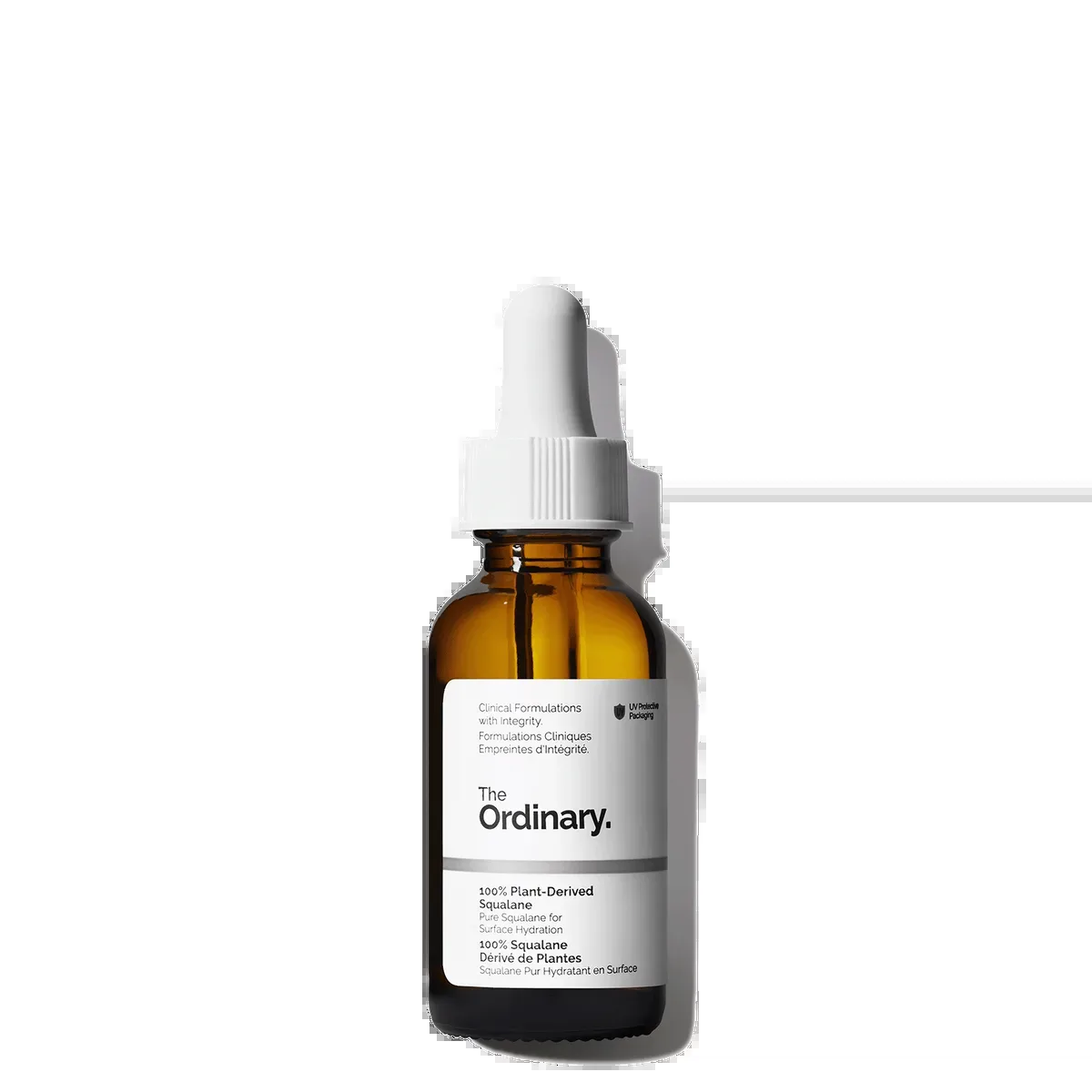
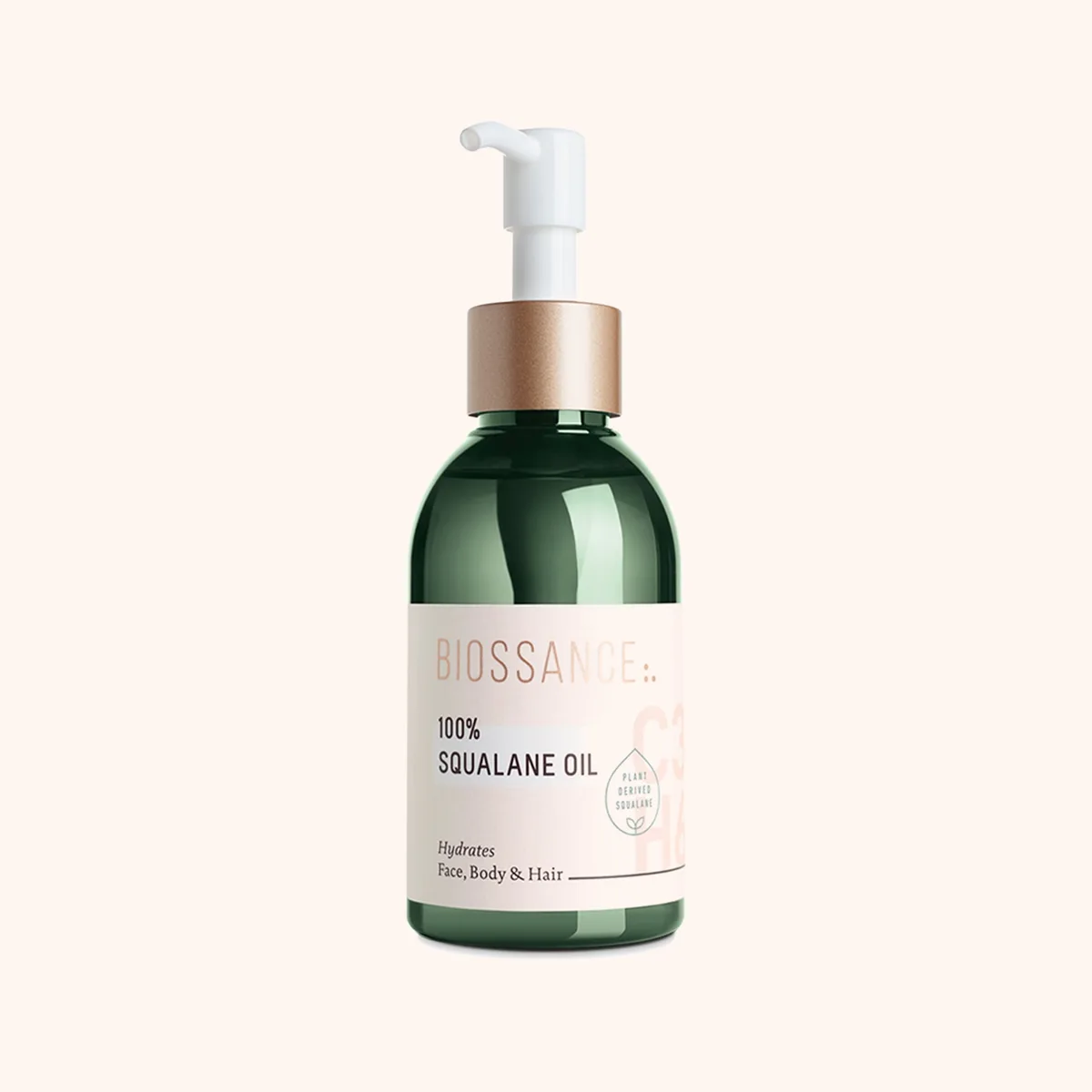


- Therapy guide Eczema Context for where coconut oil sits against first-line treatment.
- Therapy guide Fungal acne The situation in which coconut oil is genuinely a poor choice.
- Ranked list Body Moisturizers for Dryness: What the Verdicts Say The wider category where a cheap occlusive belongs.
- Ingredient Coconut Oil Where the evidence is genuinely strong and where it is not.
- Ingredient Petrolatum (Petroleum Jelly) The occlusive that outperforms it at the occlusion job.
- Ingredient Squalane A hydrocarbon alternative for Malassezia-prone skin.
- Question Does "non-comedogenic" on a label mean anything? The label is unregulated, which matters more than the scale.
References
- The effect of topical virgin coconut oil on SCORAD index, transepidermal water loss, and skin capacitance in mild to moderate pediatric atopic dermatitis: a randomized, double-blind, clinical trial — International Journal of Dermatology, 2014
- Novel antibacterial and emollient effects of coconut and virgin olive oils in adult atopic dermatitis — Dermatitis, 2008
- Is the rabbit ear model, in its present state, prophetic of acnegenicity? — Journal of the American Academy of Dermatology, 1982
- A human model for assessing comedogenic substances — Archives of Dermatology, 1982
- Lipid-dependent growth of Malassezia spp. in defined medium with single fatty acids — FEMS Yeast Research, 2025
- Effect of mineral oil, sunflower oil, and coconut oil on prevention of hair damage — Journal of Cosmetic Science, 2003
- The effect of oil pulling with coconut oil to improve dental hygiene and oral health: A systematic review — Heliyon, 2020
Every cited link is verified to resolve to the paper named. Where a source could not be independently confirmed, it is listed without a link rather than pointing you somewhere wrong.
Frequently asked
If coconut oil beat mineral oil in an eczema trial, why is it not recommended for eczema?
It is a reasonable adjunct emollient and the trial data support that. What it is not is a replacement for treatment — an inflamed eczema flare generally needs a topical anti-inflammatory, and an emollient supports that rather than substituting for it. It is also a poor choice on the face or anywhere with active fungal involvement, which limits where the trial result can be applied.
Is the comedogenic rating scale worth paying attention to at all?
As a rough sorting tool for pure oils, it has some historical value. As evidence about a finished product, very little. The ratings came from applying substances neat to rabbit ears, a model criticised in the dermatology literature for poor correlation with human experience, and a finished formula behaves differently from any ingredient in isolation. Your own two-week experience with a product outranks any published number.
Does coconut oil feed the yeast in fungal acne?
It is a poor choice in fungal acne, but the popular reasoning is off. Malassezia cannot make its own fatty acids and must import them, which is the real basis for the whole avoidance rule. However, in defined-medium testing the chains that best supported growth were palmitic and oleic, while lauric and myristic — the two that dominate coconut oil — supported only limited growth. Coconut oil still carries palmitic and oleic fractions, which is the actual problem.
Can I use coconut oil on my body if it breaks out my face?
Usually yes, with the caveat that the back and chest behave more like the face than like the legs — they carry dense sebaceous fields and are common sites for fungal acne. Arms, legs and hands are generally uneventful. That said, if pure occlusion is what you want, petrolatum does the job better and cheaper, and the sensory preference is the main reason to choose otherwise.
Is oil pulling good for skin?
There is no evidence for it. The systematic review that exists looked at oral outcomes — plaque scores and salivary bacterial counts — found a weak positive signal across four small trials, and flagged high risk of bias. Nothing in that literature examines skin, and the detoxification mechanism usually cited for the skin claim does not correspond to anything the mouth actually does.