Best Squalane for Dryness
Updated September 2026 · independently researched, no sponsored placements
Our top 40 picks, ranked from 544 reviewed products — ordered by each product's dryness verdict, then evidence strength.






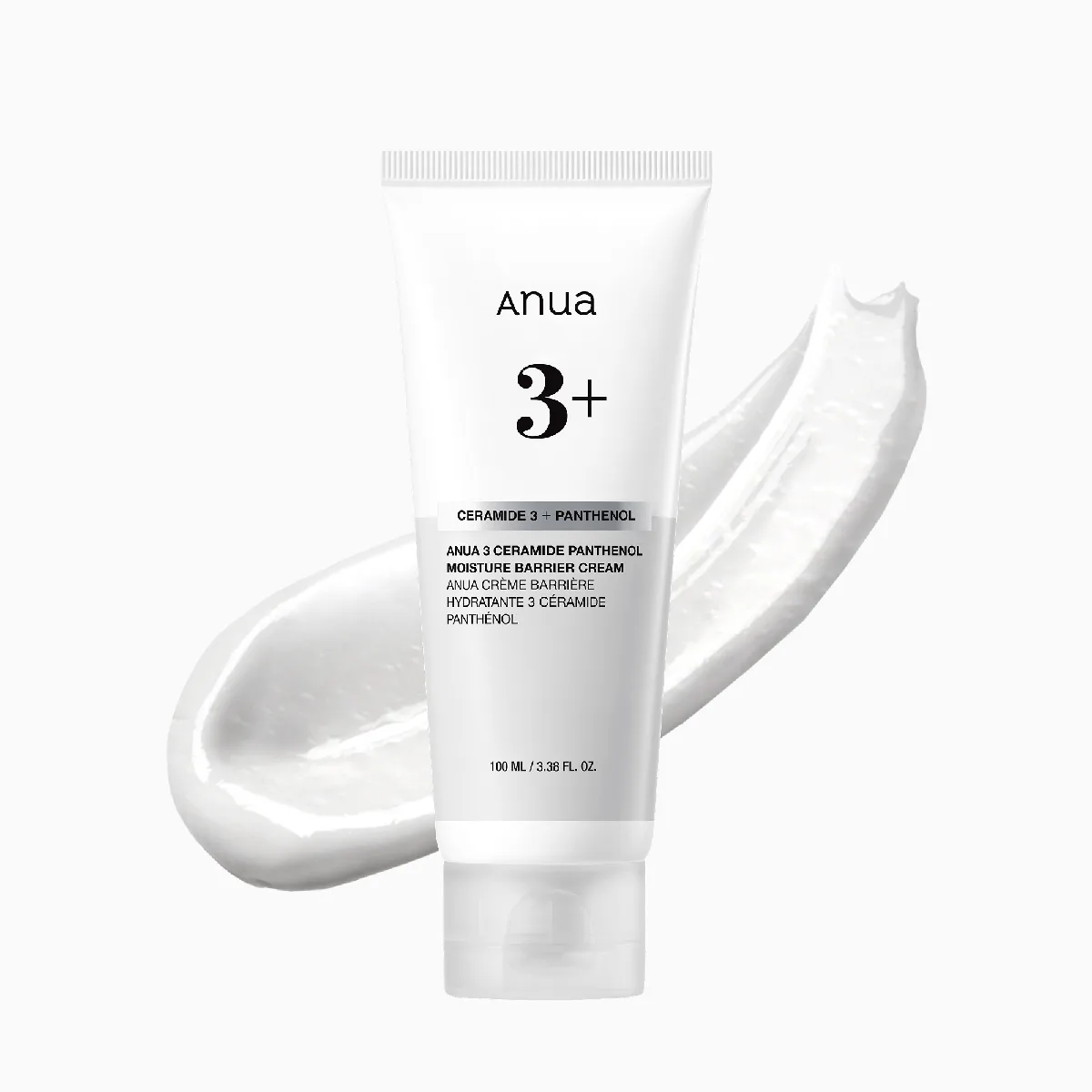


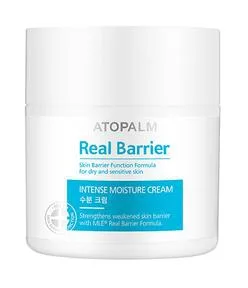


How to Choose
Squalane is the closest thing skincare has to a copy of your own skin oil, which is exactly why it's so good at relieving dryness without the greasy heaviness of a traditional facial oil. Your skin naturally produces squalene — a lipid that keeps the surface supple — but levels drop sharply with age and cold weather, and that decline is a big part of why dry skin feels tight and rough.
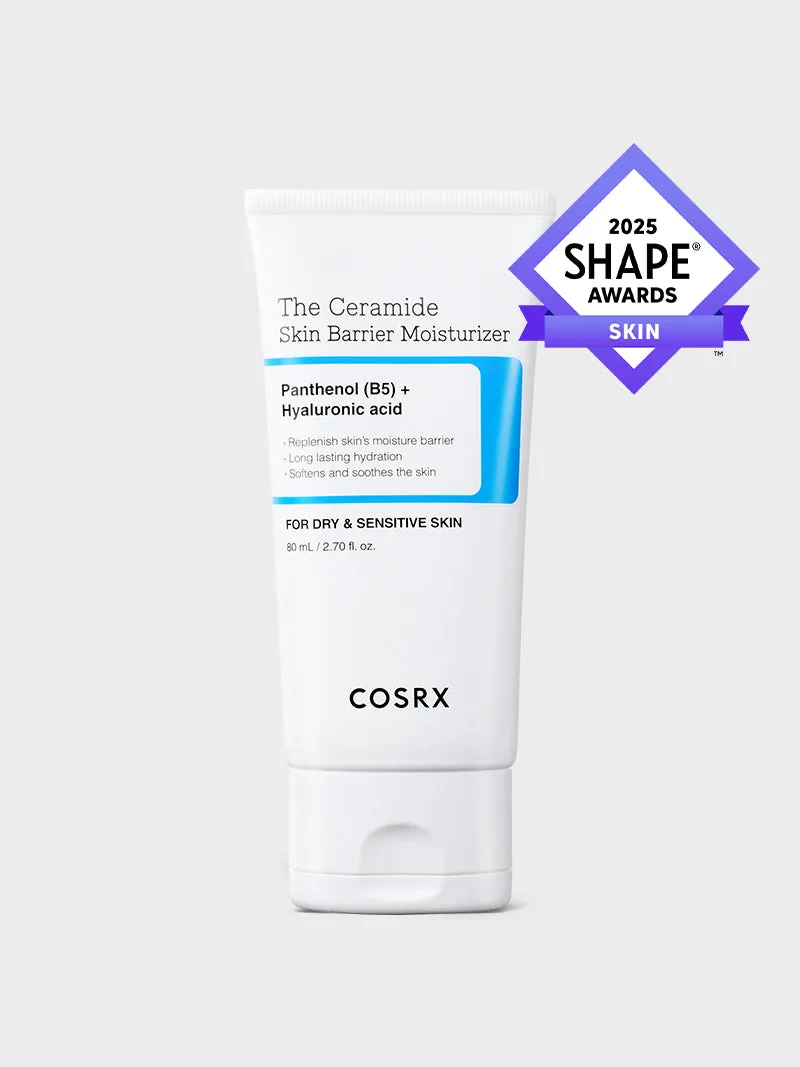
Squalane (with an 'a') is the shelf-stable, hydrogenated version that won't oxidize on your face, and it slots neatly into the barrier to soften and smooth. Here's the catch most people miss: squalane is an emollient, not a humectant. It makes skin feel velvety and seals in moisture, but it doesn't pull water in on its own. For genuine dryness relief you want it paired with a humectant like glycerin or hyaluronic acid and, ideally, the full barrier lipid set — ceramides and cholesterol. That's why the smartest picks here aren't pure squalane oils but balanced creams: COSRX's Ceramide Barrier Moisturizer and Paula's Choice Barrier Repair both stack squalane with ceramides and cholesterol in roughly the ratio skin uses to rebuild itself. The bargain of the bunch is Deconstruct's $5 cream, which delivers that same lipid-plus-humectant logic. The honest caveat: squalane is wonderfully non-irritating and works for nearly everyone, but on its own it won't fix a truly compromised barrier — layer it over a hydrating serum or choose a formula that already does the pairing for you.
Buying Guide
Match the format to how dry you actually are. Pure squalane oil is a fine finishing step for mild dryness or to seal in a serum, but for persistent, flaky dryness choose a cream that combines squalane with humectants and the other barrier lipids — ceramides and cholesterol — which together repair rather than just coat. Read the supporting cast: glycerin or hyaluronic acid provides the water squalane then locks in, so a formula with both does more than squalane alone. Texture is a real decision point — squalane-rich creams range from the lightweight (Prequel's AM/PM) to the deeply occlusive (Atopalm's MLE Cream), so pick based on whether you want daytime wear or overnight repair. Squalane is one of the safest, least comedogenic emollients, which makes it a good choice even for dry skin that's also breakout-prone. On price, you genuinely don't need to spend much: Deconstruct's $5 and COSRX's $23 deliver the same barrier-repair architecture as the $40-plus tier.
Frequently Asked Questions
What's the difference between squalane and squalene?
Squalene (with an 'e') is a lipid your own skin produces, but it's unstable and oxidizes quickly, which makes it impractical in skincare. Squalane (with an 'a') is the hydrogenated, shelf-stable version used in products — it's lightweight, doesn't go rancid, and closely mimics your skin's natural oil. For dry skin, squalane gives you that sebum-like softness without the spoilage problem.
Can squalane alone fix dry skin, or do I need more?
Squalane is an emollient that softens and seals, but it doesn't draw water into the skin the way humectants do, so on its own it can leave deeper dryness unresolved. For real relief, pair it with a humectant like glycerin or hyaluronic acid — or simply choose a moisturizer that already combines squalane with ceramides and those humectants. The layered approach is what restores a tight, flaky barrier.
Is squalane too heavy or pore-clogging for the face?
No — squalane is unusually lightweight for an oil and is widely considered non-comedogenic, so it suits even dry skin that's prone to breakouts. It absorbs quickly and leaves a soft, non-greasy finish rather than the slick feel of heavier oils. That tolerability is a big part of why it appears in so many barrier-repair creams.
Should I use squalane in the morning or at night?
Both work, and the choice depends on format. A light squalane cream layers well under sunscreen in the morning to keep skin comfortable, while a richer, more occlusive squalane formula is ideal at night when the barrier does most of its repair. If you only use it once a day, nighttime gives the lipids the most time to work undisturbed.