


Industry & Trends News
Skin Flooding and the Great Barrier Obsession of 2026
Half a genuine correction to the acid-everything era, half a new excuse to sell you five products where two would do.
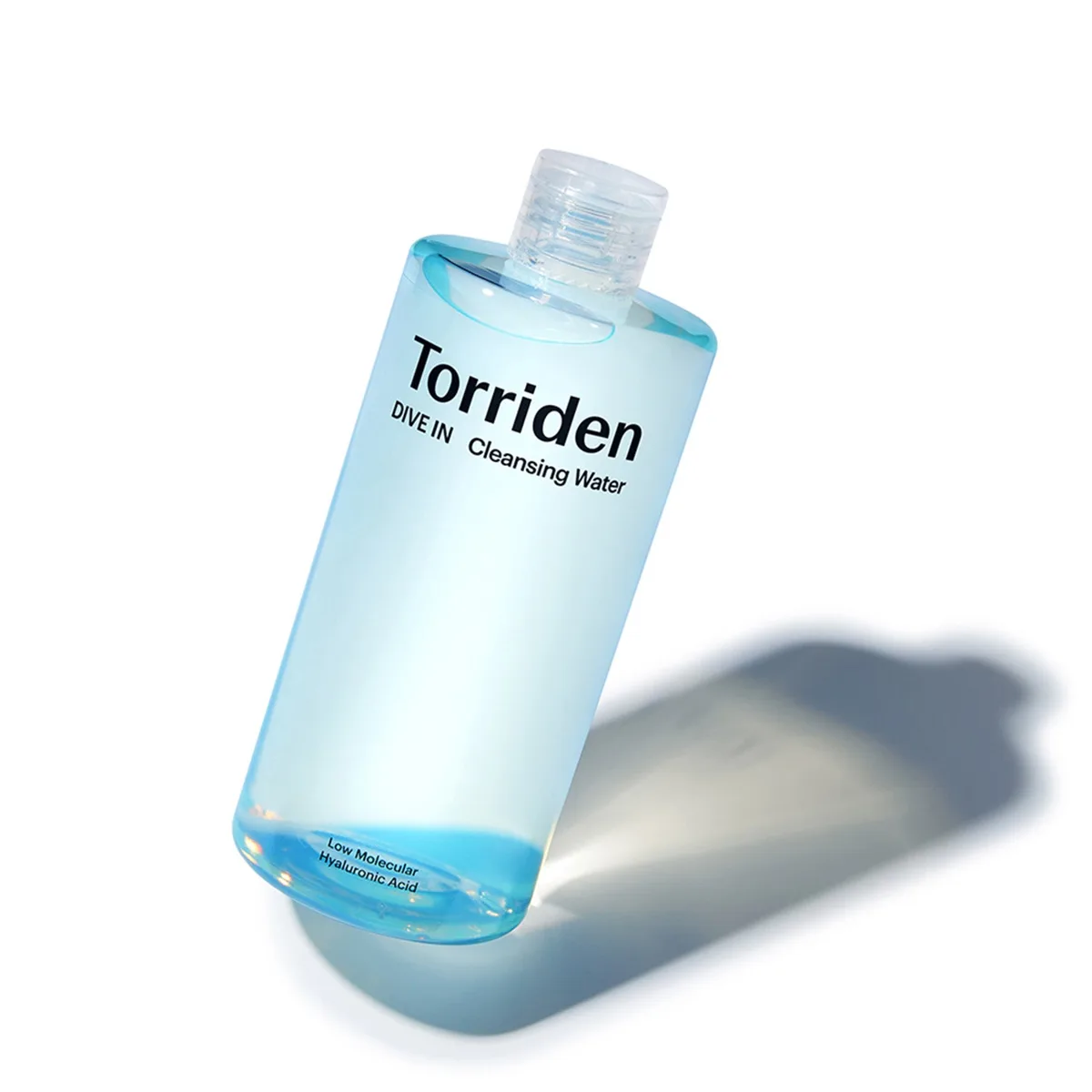
Most cleansing waters are pure makeup removers with no hydration layer. This one ports Torriden's 8-form hyaluronic acid system and a meaningful panthenol dose into a micellar format, and uses polyglyceryl esters instead of PEG for the surfactant phase. The result is a cleansing water that handles sunscreen removal like a premium product while leaving the skin hydrated rather than just clean.
A thoughtfully formulated cleansing water that extends Torriden's hyaluronic acid layering into a micellar format, using polyglyceryl surfactants instead of PEG. Removes sunscreen and daily makeup effectively without stripping the skin, and the 400ml size makes it reasonable value at $18. Best used as the first step of a double cleanse or as a travel/morning quick cleanse.
Note: This liquid launched in 2023 and our assessment blends ingredient analysis with moderate accumulated real-world feedback. As more real-world feedback arrives, this rating could move either way.
The case for it
What would change this: The same active in a leave-on form would be judged on its evidence rather than its contact time.
Same rule for everyone. “Supporting role” is the verdict on 8,197 of 45,024 concern verdicts across the catalog; rule R6 decided 2,017 of them. Unchanged since September 5, 2026, engine 5.1.1.
Brand or formulator? Disclose a concentration or correct a fact →
The studies behind the evidence row
The case for it
Cautions: known irritants.
What would change this: A researched evidence row for the lead active would replace this with a verdict.
Same rule for everyone. “Supporting role” is the verdict on 8,197 of 45,024 concern verdicts across the catalog; rule F3 decided 183 of them. Unchanged since September 5, 2026, engine 5.1.1.
Brand or formulator? Disclose a concentration or correct a fact →
Also listed for Compromised Skin Barrier — the actives here (Cleansing Surfactants, isononyl isononanoate, Panthenol (Vitamin B5) are in our research queue for that concern; there is no verdict until their evidence rows are written. That is a gap in our table, not a mark against the product.
As a cleanserNot judged: what a cleanser is for — surfactant mildness, pH match to skin, rinses clean without stripping — cannot yet be measured from the ingredient list (only puts something back can).
A verdict is DermApproved’s assessment of how well a product’s ingredients fit a concern — never a claim about what the product treats. Evidence dots and collected reviews sit beside it and are never blended in. Rules 0.5.1 · evidence table ev-2026.09-r228 · how we decide
The entire cleansing water category has a structural problem that most brands pretend doesn't exist: the products are designed as pure makeup removers, with hydration claims glued onto the marketing but not actually present in the formulation. You see this every time you read a back-of-label on a drugstore micellar water — PEG-based surfactants, a perfume blend, maybe a token sodium hyaluronate at position 25, and nothing that genuinely preserves the skin barrier. The Torriden DIVE-IN Cleansing Water is the rare exception, and the reason it's different is that Torriden decided its HA-layering story needed to exist in every cleansing format the brand makes, including the one that historically resists substantive hydration.
The formulation choices are specific. The surfactant system is built on polyglyceryl-6 caprylate and polyglyceryl-6 dicaprate — sugar-derived esters that form micelles the same way PEG-based surfactants do, but with a better tolerance profile on sensitive skin. That's the first departure from the category norm. The oil phase is isononyl isononanoate, which is a lightweight dry-feel ester that dissolves silicone-heavy sunscreens particularly well, which is why this cleansing water punches above its class on the makeup-removing side. And then stacked on top of that cleansing system is Torriden's complete 8-form hyaluronic acid complex, a meaningful panthenol dose at position 5, and dipotassium glycyrrhizate (the licorice-derived anti-inflammatory) for supporting soothing.
What you experience in practice is a cleansing water that feels immediately different from a drugstore alternative. Saturate a cotton pad, swipe it across the face, and the sunscreen and sebum lift onto the pad in two or three passes without any tightness or sting. The post-wipe skin feels clean but cushioned — not the stripped feel you get from harsh micellar waters, and not the greasy coating you sometimes get from hydrating versions that over-compensate. The absence of fragrance, alcohol, and essential oils means this is safe around the eyes for most users, which is a specific selling point for anyone who wears mascara or eye makeup daily.
The specific use cases where this cleansing water earns its place in a routine: first-step evening cleansing before a water-rinse follow-up, rinse-free morning cleansing on days when you slept in sunscreen or just want a quick refresh, and travel or post-workout cleansing when a full face wash isn't practical. The 400ml bottle is unusually generous for the format — most competing products sell in 200-250ml sizes — which means it lasts 2-3 months of daily use and the per-use cost is genuinely low.
Where honest limitations need to enter the conversation: this is not a replacement for a foam or gel cleanser in a full routine. Micellar cleansing works well for daily sunscreen and light makeup, but users wearing heavy waterproof long-wear cosmetics will still get better results from an oil cleanser first. The product is honest about this — Torriden doesn't market it as a solo cleansing solution — but it's worth stating clearly for buyers coming from Western marketing conventions where 'cleansing water' is often positioned as a complete alternative to water washing.
Another limitation worth noting is the cotton pad dependency. Cleansing waters require cotton pads or reusable cloths to work, which adds a consumable step and some waste to your routine. For users committed to minimizing bathroom waste, a foam or cream cleanser is the more sustainable primary option, with cleansing water held in reserve for travel and quick cleanses. Torriden doesn't make reusable cotton rounds, but third-party options work well with this product.
The texture and experience are understated in the way that well-formulated cleansers always are. There's no drama — no dramatic cooling, no visible color, no strong scent, no stinging near sensitive areas. It's a clear watery liquid with a slight slippery feel from the glycerin and polyglyceryl fraction, and when you use it you mostly notice how little you notice it. That's the right design for a daily-use product.
Value is reasonable. At $18.70 for 400ml, this works out to roughly $0.05 per ml, which is less than half the per-ml cost of premium Western cleansing waters with comparable ingredient profiles and only slightly more expensive than drugstore alternatives with significantly worse formulations. The single large size is the only option Torriden offers, which simplifies the purchase but gives no smaller trial option for hesitant first-time buyers. For existing Torriden fans, this is an easy extension of the brand's cleansing routine. For new-to-brand buyers, the 400ml commitment is moderate but lower-risk than the 10-pack sheet mask format because cleansing waters have broader use cases.
Torriden as a brand continues to sit in the emerging-brand category with a 2021 founding and limited long-term clinical data compared to legacy pharmacy brands. The cleansing water specifically launched in 2023, which gives it 2-3 years of real-world feedback — enough to confirm the basic tolerability and performance story, but not enough to match a product that's been on market for a decade. For a cleansing water, where the main questions are whether the surfactant choice is sound and the format tolerates sensitive skin, the existing feedback is enough to make this a confident recommendation within its category.
Who should buy it? Users with sensitive, dry, or combination skin who want a gentle makeup remover and first-step cleanser. Anyone who travels frequently and needs a cleansing format that works without water access. Fans of the DIVE-IN line extending their routine into a full Torriden cleansing regimen. Who should skip it? Users who don't wear sunscreen or makeup and prefer a simple foam cleanser. Anyone who wants to minimize cotton pad waste. Anyone looking for a rinse-free solo cleansing solution for heavy makeup — that's a job for oil cleansers, not micellar waters, no matter how well-formulated.
The hero actives that drive this product's performance.
| Ingredient | Function | Evidence |
|---|---|---|
| Polyglyceryl-6 Caprylate & Polyglyceryl-6 Dicaprate (Micelle Surfactants) | The micellar cleansing action here comes from polyglyceryl esters rather than the PEG-based surfactants used in most Western micellar waters. Polyglyceryl-6 caprylate sits third on the INCI and is the primary mild surfactant that forms the micelles — tiny oil-attracting spheres that capture sunscreen, sebum, and makeup without needing a rinse. The polyglyceryl chemistry is gentler than PEG systems, which is part of why this cleansing water tolerates repeat daily use on sensitive skin. | Not yet assessed |
| Isononyl Isononanoate | A lightweight dry-feel ester that functions here as the oil phase of the micellar system — the molecule the surfactants wrap around to form the cleansing micelles. It's also one of the better emollients for dissolving silicone-heavy sunscreens and long-wear foundations, which is why this cleansing water punches above its class on makeup-removing performance despite being a watery format. | Not yet assessed |
| 8-Form Hyaluronic Acid Complex | Torriden's signature 8-weight HA stack shows up in full here, which is unusual for a cleansing water — most brands treat this format as a pure makeup remover with no real hydration layer. In this formula the HA fractions sit mid-INCI and contribute substantive deposition on the skin after wiping, meaning the cleansing water leaves a hydrated film rather than the tight post-wipe feel that plagues cheaper micellar products. | Established mechanism for Dehydration · established mechanism |
| Panthenol & Dipotassium Glycyrrhizate | The soothing axis. Panthenol sits fifth on the INCI at a meaningful concentration, which is generous for a cleansing water. Dipotassium glycyrrhizate — the licorice-root-derived anti-inflammatory — adds a second soothing angle that matters because cleansing waters are used with mechanical cotton-pad wiping, which itself creates small amounts of friction-induced irritation that these ingredients buffer against. | Established mechanism for Dehydration · established mechanism |
Ingredient standings describe the active at treatment-level doses and vehicles; this product's own condition grades weigh its actual formula.
Water, Butylene Glycol, Polyglyceryl-6 Caprylate, Isononyl Isononanoate, Panthenol, Sodium Hyaluronate, Hyaluronic Acid, Sodium Acetylated Hyaluronate, Hydroxypropyltrimonium Hyaluronate, Hydrolyzed Sodium Hyaluronate, Sodium Hyaluronate Crosspolymer, Potassium Hyaluronate, Hydrolyzed Hyaluronic Acid, Hamamelis Virginiana (Witch Hazel) Extract, Camellia Sinensis Leaf Extract, Chamomilla Recutita (Matricaria) Extract, Trehalose, Allantoin, Dipropylene Glycol, Polyglyceryl-6 Dicaprate, Dipotassium Glycyrrhizate, Hydroxyacetophenone, Polyglyceryl-4 Lauryl Ether, Hydroxyethylcellulose, 1,2-Hexanediol, Xanthan Gum, Caprylyl Glycol, Disodium EDTA, Malachite Extract
cleanser
AM & PM
Apply to a cotton pad and wipe across the face, focusing on makeup-heavy areas. For a full cleanse, follow with a water-rinsed cleanser like the DIVE-IN Cleansing Foam. For a no-rinse quick cleanse (morning, travel, or post-workout), this can stand alone.
Immediate: clean, hydrated skin with no tightness. Short-term (daily use): no cumulative dryness or barrier stress from cleansing. Full benefits (ongoing): maintains barrier health during travel or situations where a full water cleanse isn't practical.
Cleansing waters work through a specific mechanism: surfactant molecules form micelles with a hydrophilic exterior and a hydrophobic core, capturing oil-soluble soils (sunscreen, sebum, makeup) into the core while the exterior interacts with the water-based solvent. The efficacy and gentleness of the product depends heavily on the choice of surfactant, and Torriden's use of polyglyceryl-6 caprylate and polyglyceryl-6 dicaprate is notable because these sugar-derived esters are significantly gentler than the PEG-based surfactants that dominate the category. Polyglyceryl esters have been studied in the cleansing literature and consistently show lower irritation potential and better ocular tolerance, which matters because cleansing waters are often used around the eye area. The oil phase — isononyl isononanoate — is a dry-feel emollient with documented efficacy in dissolving silicone-based film formers, which is why this cleansing water handles sunscreen removal more effectively than purely water-soluble surfactant systems. The hyaluronic acid architecture here is more complex than what most cleansing waters offer — eight different molecular weights and modifications, all present at what appears to be meaningful concentrations mid-INCI. While the substantive deposition of HA fractions is generally lower in low-rinse formats than in leave-on products, the fractions that do remain contribute to the post-wipe hydration effect. Panthenol at position 5 sits at a meaningful concentration for a cleansing format and has well-documented anti-inflammatory and barrier-supporting effects at typical topical concentrations. Dipotassium glycyrrhizate (licorice root derivative) adds anti-inflammatory support through inhibition of 11-beta-HSD and modulation of inflammatory cytokines, with evidence supporting its use in sensitive-skin formulations. Overall, the scientific support for this formula is solid on the surfactant gentleness axis, reasonable on the makeup-removal axis, and credible (though less quantifiable) on the substantive hydration axis.
Dermatologists commonly recommend cleansing waters as supplementary cleansing tools for patients who travel, exercise frequently, or need a low-friction cleansing option between regular washes. Skin-care clinicians typically observe that surfactant choice is the single most important factor in micellar water selection, and polyglyceryl-based formulations are preferred over PEG-based alternatives for patients with sensitivity or barrier compromise. The fragrance-free, alcohol-free formulation of this cleansing water is consistent with dermatological guidance for patients with eczema, rosacea, or contact dermatitis history. The main caution dermatologists flag is that cleansing waters should not replace water-based washing as the primary daily cleansing method — the mechanical wiping and limited rinse can leave residue over time, and a periodic thorough water wash helps clear any buildup. For patients who wear sunscreen daily, dermatologists generally recommend this product as the first step of a double cleanse, with a foam or gel cleanser as the water-rinse second step.
Saturate a cotton pad or reusable cleansing cloth with the cleansing water. Sweep across the face gently, focusing on makeup-heavy areas. For eye makeup, press a saturated pad against the closed eye for 15-20 seconds to dissolve product, then sweep gently outward — do not rub. For evening use after sunscreen and makeup, follow with a foam or gel cleanser for a more thorough clean. For morning use, travel, or post-workout cleansing, rinse-free use is acceptable. Use 1-2 cotton pads per cleansing session; change pads if they become heavily soiled before the cleanse is complete.
At $18.70 for 400ml, this cleansing water works out to roughly $0.05 per ml — less than half the per-ml cost of premium Western micellar waters with comparable ingredient profiles, and only slightly more expensive than drugstore alternatives with worse formulations. The single large size simplifies the purchase but means no smaller trial option for hesitant first-time buyers. One bottle lasts approximately 2-3 months with daily use, giving it a low long-term cost. The value feels solid rather than exceptional — the formulation quality genuinely supports the price, and the 400ml size is unusually generous for the format. For existing Torriden fans, this is an easy routine extension. For new buyers, the commitment is moderate and the per-ml cost lowers the effective risk.
Buy this if you have sensitive, dry, or combination skin and want a gentle first-step cleanser that removes sunscreen without stripping the barrier. It's ideal for frequent travelers, anyone who exercises daily, or fans of the DIVE-IN line extending their routine into a full Torriden cleansing regimen.
Look elsewhere if you don't wear sunscreen or makeup daily and prefer a simple foam cleanser, if you want to minimize cotton pad waste, or if you expect a single cleansing water to handle heavy waterproof makeup on its own — that's still a job for oil cleansers.
Ready to try Torriden DIVE-IN Cleansing Water?
Buy at Amazon ♥Clear, watery liquid with a slight slippery feel from the glycerin and polyglyceryl fraction
Unscented
Large 400ml bottle with a flip-cap opening for pouring onto cotton pads
First use is an immediate confidence builder for anyone who's had bad experiences with cheaper micellar waters. No stinging around the eyes, no fragrance, no tightness after the cotton pad has passed. The water dissolves sunscreen quickly — two or three sweeps across the face is usually enough — and the post-wipe skin feels clean but cushioned rather than stripped.
The 400ml bottle lasts approximately 2-3 months with daily makeup removal use
All Year
Torriden launched the DIVE-IN Cleansing Water in 2023 as the completing piece of the DIVE-IN cleansing lineup, alongside the foam cleanser. The brand's position was that no single cleansing format handles every situation — foam for daily washing, water for travel and makeup removal, oil for heavy long-wear cosmetics — and that the HA layering story should be available in each format.
Torriden launched in 2021 and built its reputation on layered hyaluronic acid formulations. The DIVE-IN line is the brand's flagship hydration range; the cleansing water extends that philosophy into a micellar cleansing format. Retail momentum is strong in Korea, though independent clinical validation beyond the brand's own testing remains limited.
Micellar waters don't need to be rinsed.
Technically you can skip the rinse, and this product is designed to be tolerable without one, but for full cleansing (especially in the evening after a day of sunscreen and sebum) a water rinse or a foam cleanser follow-up is still recommended. The rinse-free use case is for travel, mornings, or post-workout quick cleanses.
Cleansing water is the same as a toner.
Cleansing waters contain surfactants and are designed to remove soil from the skin; hydrating toners are leave-on hydration products designed to layer under serums. This cleansing water should not replace a toner — it's a cleansing step, and a toner should follow it.
Yes — effectively. The isononyl isononanoate oil phase dissolves silicone-heavy sunscreens well, and two to three sweeps with a saturated cotton pad removes most daily sunscreen without needing an oil cleanser. For very heavy waterproof sunscreens, a dedicated oil cleanser is still the better first step.
Not strictly, but for evening use after a day of sunscreen and sebum, a follow-up with a water-based cleanser gives a more thorough clean. For morning use or travel, rinse-free use is fine.
Yes, the fragrance-free, alcohol-free formula is gentle enough to use around the eye area for makeup removal. Saturate a cotton pad and press gently for 15-20 seconds to dissolve eye makeup rather than rubbing.
Yes. The polyglyceryl surfactant base, absence of fragrance and alcohol, and addition of panthenol and dipotassium glycyrrhizate make this one of the gentler cleansing waters available. Sensitive-skin users who have reacted to other micellar waters generally tolerate this one well.
Cleansing waters contain surfactants to remove makeup and soil; toners are leave-on hydration products. This is a cleansing step and should be followed by a toner and the rest of your routine, not used as a toner substitute.
Approximately 2-3 months with daily use for makeup removal and post-workout cleansing. The generous size makes the per-use cost one of the lowest in the Torriden cleansing lineup.
Yes — the surfactant system is built on polyglyceryl esters rather than PEG-based emulsifiers, which is a gentler surfactant category for leave-on and low-rinse cleansing formats.
Recurring themes our editors read across retailer reviews of this product — summaries in our words, not quotations, and not a substitute for your own patch test.
Effective sunscreen removal without stinging
Doesn't leave a sticky or greasy residue
Generous 400ml size lasts months
No fragrance or essential oil sensitivity
Still recommends a water rinse for best comfort
Cotton pad usage creates waste
Not as deep-cleaning as a double cleanse
Verified answers from our questions library — the nuance a product page cannot carry.